Overview: choose the road for the trip
Colombia’s road trips change character quickly. Bogotá sits in the Andes at about 2,600 metres, the Coffee Cultural Landscape spreads across mountain departments, and the Caribbean cities run hot and busy. A route that looks short on a map can include a toll queue, a slow truck, a blind bend and a change of weather.
The national road network does not reach every travel region. The UK travel advice notes that the departmental capitals of Amazonas, Vaupés and Guainía are accessible by air because of the lack of road infrastructure. Treat Leticia and other Amazon plans as separate from a mainland rental itinerary.
Colombia drives on the right. Keep the original licence, passport, rental agreement, insurance details and a charged phone together. For a cross-border plan, get written permission from the rental company before leaving Colombia.
Licence, IDP and rental documents
The Ministry of Transport’s foreign-licence answer says that a current licence issued by another country is valid for a tourist or person in transit during the authorised stay. The Bogotá mobility authority’s current answer gives the same visitor rule and explains that a longer stay can trigger a local recognition or licensing process.
That wording does not make every licence or rental desk identical. Before you pay for a car, ask:
- whether the branch accepts the licence in its original language;
- whether it wants an IDP or a certified Spanish translation;
- how long the driver has held the licence and what age surcharge applies;
- whether additional drivers, one-way returns and rural roads are covered;
- whether the car may cross a border and what insurance document must travel with it.
Colombia’s private-vehicle licence age is 16, according to the Ministry’s licence guidance. That is not the rental age. A branch may require 21, 23 or 25 depending on the vehicle and the driver’s licence history.
Speed, lights and everyday rules
The national traffic code sets a ceiling of 50 km/h on urban roads and 30 km/h in school and residential zones. On national and departmental roads, the signed limit normally cannot exceed 90 km/h; a dual carriageway without pedestrian crossings can reach 120 km/h when signed. Read the sign for that road rather than using the maximum as a target. The current wording appears in Law 2251 of 2022.
| Situation | Practical rule |
|---|---|
| Urban, school and residential roads | Follow the posted limit. The national ceilings are 50 km/h and 30 km/h in the lower-speed zones. |
| Rural and mountain roads | Expect a signed limit of 90 km/h or less. Slow before a blind bend, a village or a line of parked vehicles. |
| Dual carriageways | 120 km/h is a legal ceiling only for qualifying signed roads without pedestrian crossings. |
| Lights | The Ministry says exterior lights must be on from 18:00 to 06:00 and whenever visibility is poor. |
| Seat belts and children | Use the fitted belts. Children under 10 must not sit in front; the transport authority advises a suitable child restraint, especially for children below 1.50 m. |
| Alcohol and phones | Do not drink before driving. Keep the phone out of your hand and stop safely before changing the route or taking a call. |
The Ministry’s traffic FAQ covers lights and documents. Its child-restraint guidance explains the rear-seat rule and why the rental company should confirm the seat before arrival.
Bogotá: traffic, altitude and plate restrictions
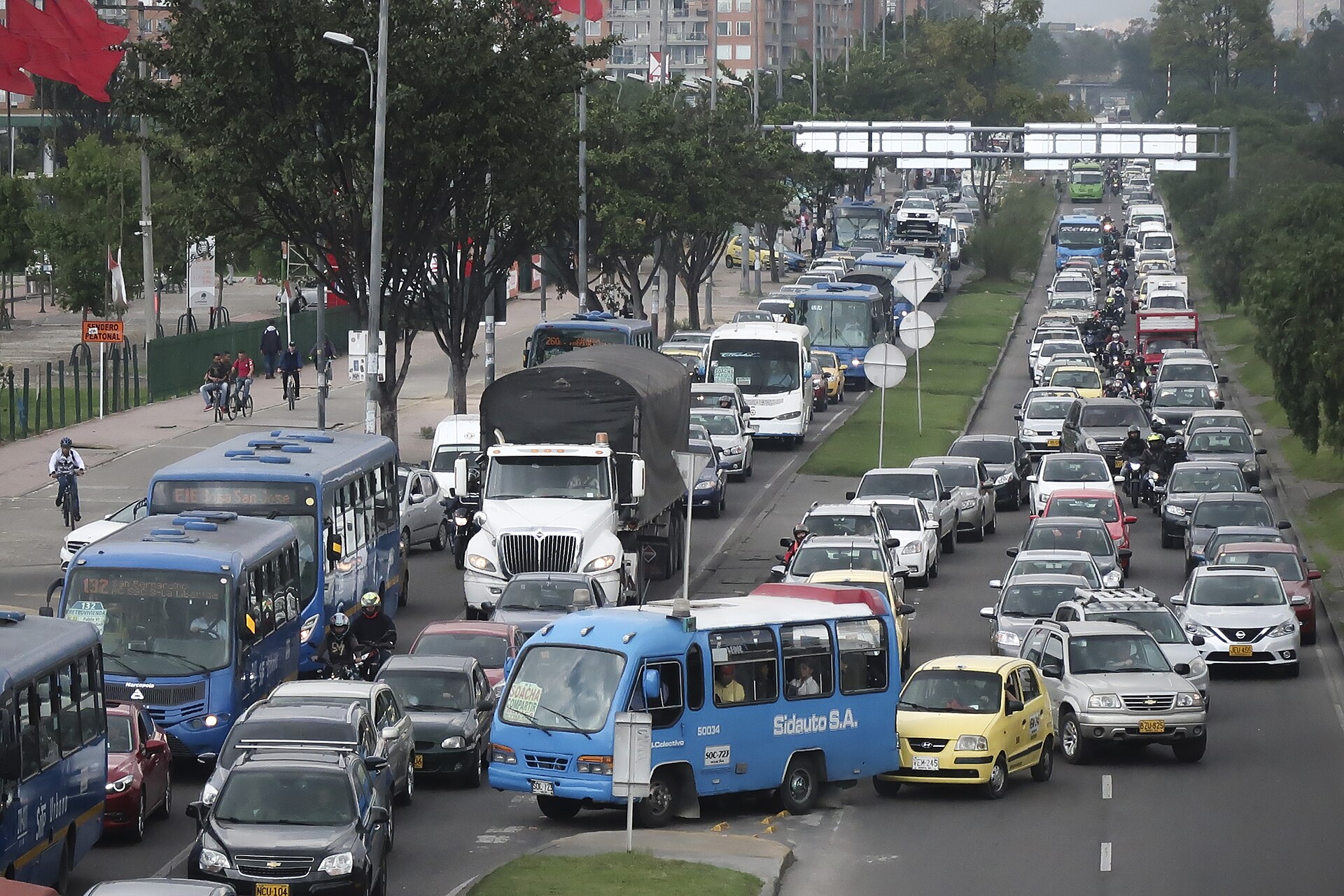
Bogotá’s traffic is a planning problem rather than a reason to drive across the city for every museum. TransMilenio has reserved lanes. The official Bogotá restriction page currently describes private-vehicle pico y placa on working days from 06:00 to 21:00. The permitted plate group rotates by the calendar date, and the final day of a holiday weekend can add Pico y Placa Regional on the access corridors.
Do not assume a rental car is exempt. Check the current schedule, the exact plate on the vehicle and the official exceptions before leaving the airport. If the day’s route is inside the restriction, leave the car at the accommodation or use public transport instead of trying to improvise a detour.
At roughly 2,600 metres, Bogotá can feel tiring when you have just arrived. Keep the first drive short, drink water and allow more braking distance in rain. The official tourism description of Bogotá is useful for orientation, while the mobility authority is the source for rules.

Coffee Cultural Landscape and Andean roads
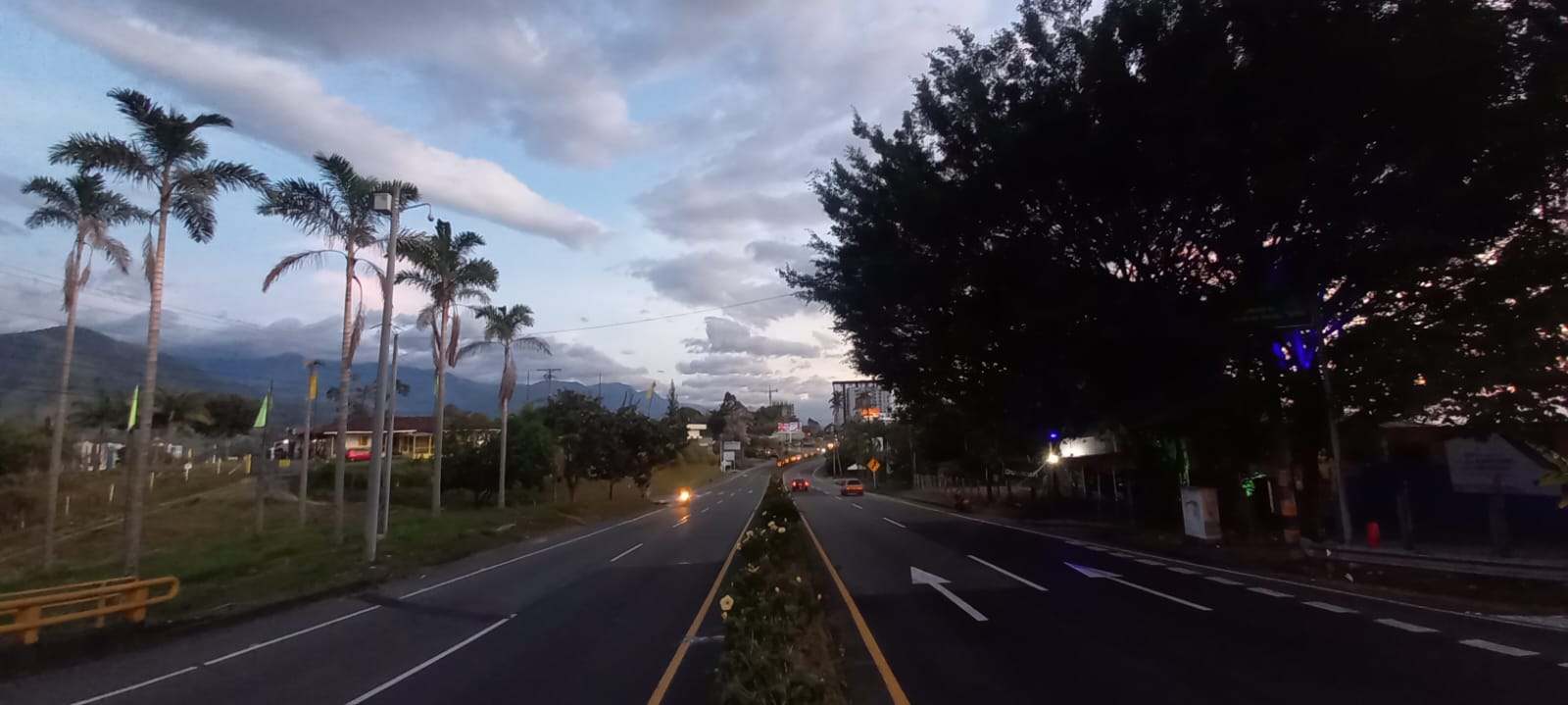
The official Coffee Cultural Landscape page describes a region across Caldas, Quindío, Risaralda and northern Valle del Cauca. Pereira, Armenia, Manizales, Salento and Filandia make good bases, but the driving between them is not a motorway holiday. Expect curves, buses, motorcycles, farm traffic and sudden changes in visibility.
The main intercity links are paved. The last kilometre to a finca, viewpoint or trailhead can be narrow, steep or unpaved. Ask for a written pin and a description of the final approach. A small automatic car is comfortable on the main road but can struggle with a wet farm track; a 4WD is useful only when the itinerary actually includes that track.
Salento and the Cocora Valley are popular enough for parking and access controls to change with the day. Leave the car in the signed area, keep the road clear for local vehicles and use the official local notice before setting out. The Colombia Travel Salento page gives the regional context; INVÍAS road information is the better source for closures and diversions.

Caribbean coast and city parking
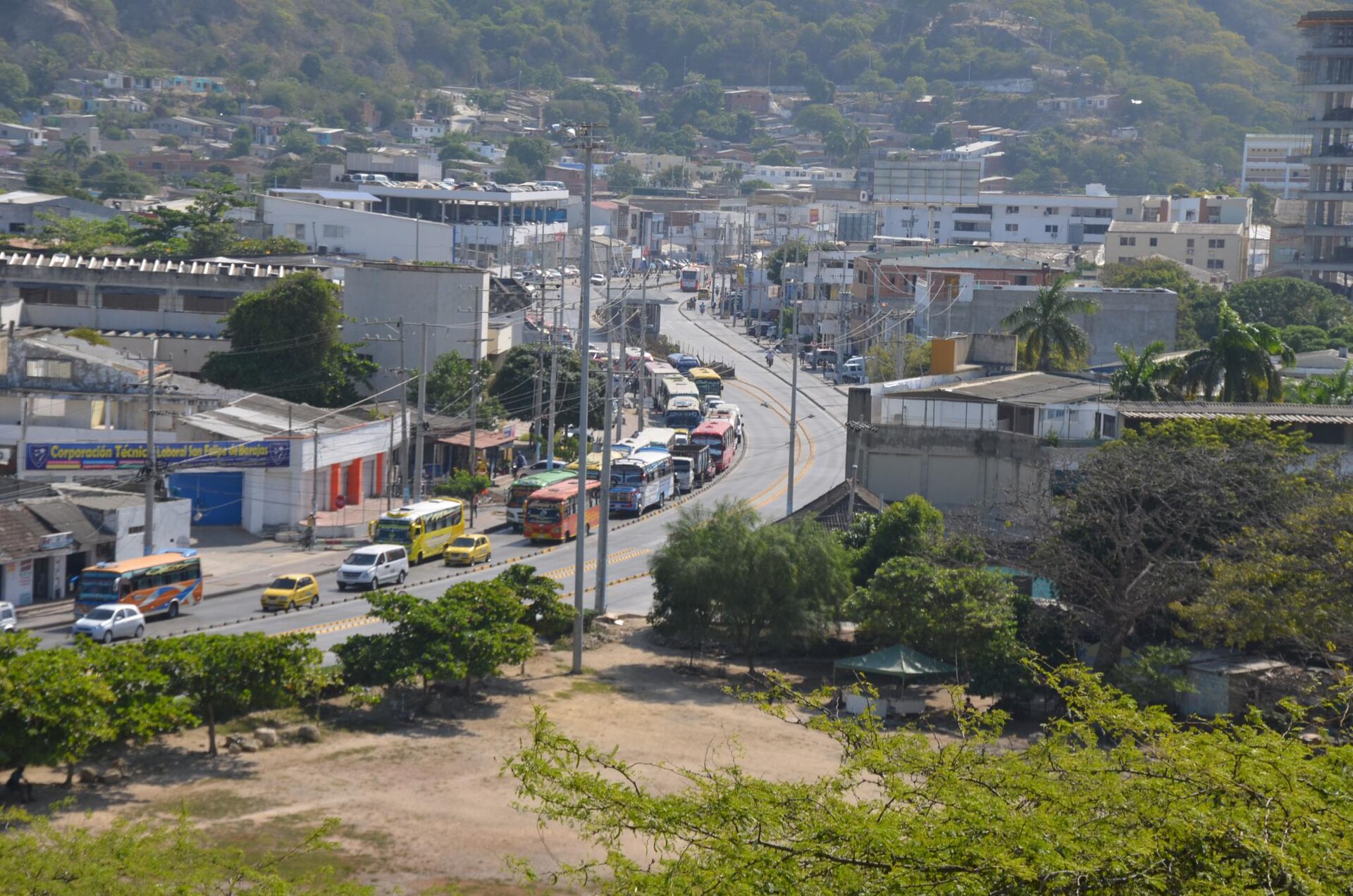
Cartagena’s historic centre is a walking destination. Streets are narrow, parking is scarce and local traffic measures can change around the walls and the waterfront. The Cartagena transport authority has reiterated that private cars must not park in the new Historic Corridor around Parque de la Marina. Read the city’s current mobility notice and use a signed car park outside the most restricted streets.
Barranquilla and Santa Marta work better as separate urban bases. Keep the air-conditioning checked, carry water and plan a fuel stop before a long coastal stretch. At Tayrona or another park entrance, use the current operator or park instruction for access and parking. A roadside shoulder is not a safe substitute for a marked space.
In Bogotá, the 2026 paid-parking system uses signed Zonas de Parqueo Pago with advance payment and local rates. The city’s 2026 parking notice lists the official app and payment channels. Read the sign beside the space rather than relying on an old blog post.

Tolls, fuel and charging
Colombia’s toll network mixes INVÍAS stations with concession-operated roads. INVÍAS says its Viajero Seguro system shows closures, partial restrictions, alternate routes, tolls, hospitals and police points. The institute also published a 2026 toll update. Prices and operators differ, so a single national toll budget is not reliable.
Keep small Colombian-peso notes and coins for a staffed booth. Ask whether the rental vehicle has a Colpass account or another transponder, whether you must use a marked lane and how the company adds charges after return. Save a photo of the rental car’s plate and the agreement’s toll section.
Fuel is easiest to find in cities and on the main corridors. Top up before a long mountain or coastal stage. For an electric rental, map the next charger and a backup before leaving a large city; the station’s live status and the rental company’s charging cable matter more than a national assumption about coverage.
Weather, road closures and personal safety
Rain can reduce visibility and trigger rockfall or landslides in the Andes. Do not continue into a closed section because a map still shows a line through it. Check INVÍAS road updates, local authority notices and the weather before leaving. The #767 road line is listed by the Colombian police as a road-safety contact.
Security advice is regional. The UK Foreign, Commonwealth and Development Office advice current on 17 August 2026 lists areas where it advises against all but essential travel, including parts of the Venezuela and Ecuador borders, the Pacific coast and several inland departments. It also warns that heavy rain, landslides and travel disruption can change a route. The US advisory gives a separate regional assessment. Read the advisory for your nationality, keep valuables out of sight and use daylight for unfamiliar rural roads.
If a checkpoint stops you, keep the doors locked until you understand who is asking, present the licence and rental papers, and follow the officer’s instructions. Do not photograph a checkpoint without permission. If the situation feels unsafe, continue to a staffed fuel station or police post when the officer allows it.
Emergency checklist
The Colombian National Police lists 123 for emergencies and #767 for road safety. Save both numbers, the rental company’s assistance line and the accommodation’s address offline.
After a collision:
- Turn on hazard lights and move out of the traffic lane if this can be done safely.
- Call 123, then the rental company. Give the road number, kilometre marker or nearest town.
- Photograph signs, plates, damage and the road surface. Do not admit liability or sign a repair agreement before the rental company tells you what to do.
- If a route is closed, follow the police or road operator. Do not take an unmarked farm track as a shortcut.
Sources and review date
This page was reviewed on 17 August 2026. Licence and visitor-stay guidance comes from the Colombian Ministry of Transport and Bogotá’s foreign-licence answer. Speed, lights and child-restraint notes use Law 2251 of 2022 and the Ministry’s traffic FAQ. Bogotá restrictions and parking use the mobility authority and 2026 paid-parking notice. Road status and toll context use INVÍAS, its road-status service and the 2026 toll update. Regional route context comes from Colombia Travel, and current security context comes from FCDO. Check the named source and the exact road or rental contract again for your travel date.
Related destinations
Frequently Asked Questions
- Can I drive in Colombia with my foreign licence?
- Colombia's Ministry of Transport says a current foreign licence is accepted for a tourist or person in transit during the authorised stay. An IDP is not a blanket legal requirement, but a rental branch or a licence format may still call for one. Carry the original licence, passport and rental documents, and confirm the branch's rule before collection.
- What is the minimum driving age in Colombia?
- The private-vehicle licence age is 16 under the national traffic code. Rental companies set their own rules and commonly require a driver to be 21 or older, with a surcharge or a higher threshold for some vehicles.
- How does Bogotá's pico y placa work?
- The current private-vehicle restriction applies on working days from 06:00 to 21:00. The plate groups rotate by the calendar date, and a separate regional rule can control entry on the last day of a holiday weekend. Check Bogotá's official schedule before using a rental car.
- Is Colombia suitable for a self-drive trip?
- Yes for a route that matches your experience and the current road advice. Main corridors can be busy, mountain roads are slow and some regions carry travel warnings. Keep remote stages in daylight, check road events and change the plan when local authorities close a route.
- Do I need a 4WD vehicle in the coffee region?
- A normal car suits the main links between Pereira, Armenia, Manizales and Salento. A farm entrance, steep village lane or wet track can be different. Ask the accommodation for its final approach and check the rental contract before choosing a low-clearance car.
- How are Colombian tolls paid?
- Tolls vary by route and operator. Keep Colombian pesos for staffed booths, and ask the rental company whether the car has a Colpass or another transponder and how post-trip charges work. INVÍAS publishes its own stations and 2026 rates, while concession roads can use separate schedules.
- Should I drive after dark in Colombia?
- Avoid unfamiliar remote roads after dark. Police and travel advice point to daylight travel for long or rural stages, and rain can add landslides, potholes and poor visibility. Reach the next town before night or use a local transfer for the last section.
- Which number should I call after a crash or road closure?
- Call 123 for a general emergency. Use #767 for national road information, then contact the rental company's assistance line. Move people away from traffic if it is safe, photograph the scene and follow the operator's instructions.
Information Sources & Disclaimer
This guide compiles information from the official transport authorities, road operators, government travel information, and automobile associations linked for Colombia.
While we strive to keep this information as accurate and up-to-date as possible (last reviewed: August 2026), traffic laws and toll rates can change without notice. We recommend verifying critical information with the local authorities or your car rental agency upon arrival.
Learn more about our Editorial Process →Compare Your Origin and Destination
Use the comparison tool to check driving side, units, documents, and other destination data for your route.