Start with the route, not the rental desk
Budapest is the useful starting point for most itineraries, but it is not always the best place to spend the first rental day. The centre has trams, buses, one-way streets and paid parking; a car becomes more valuable once the route leaves the dense inner districts. The Danube Bend, Lake Balaton, Eger, Tokaj and the eastern thermal towns each suit a different direction and road pattern.
For a city-and-country trip, collect the car after the Budapest stay or choose a branch outside the most congested districts. For a road-only trip, allow time to understand the e-vignette and the rental contract before joining the M0 ring or a motorway. A clear plan for where the car will be parked is more useful than adding extra attractions to the same day.
Licence, age and documents
- Drive on the right. A valid EU/EEA licence is normally accepted for a visitor while it remains valid.
- Other licences: Hungary’s rules distinguish licences recognised under international agreements and licences that need additional evidence. Check the Hungarian driving-licence regulation and the issuing authority’s guidance before booking. If an IDP or certified translation is required, carry it with the original licence; it is not a replacement for the original.
- Minimum legal driving age: 17, but a rental company may set a higher age, a young-driver fee or a vehicle-category limit.
- Carry: passport or ID, driving licence, IDP/translation when applicable, rental agreement, insurance information and the vehicle registration papers supplied by the rental company.
- Cross-border use: written permission may be required for Austria, Slovakia, Croatia, Serbia or Romania. Confirm border restrictions, insurance and each neighbouring country’s toll system before leaving Hungary.
Do not rely on a phone photograph of a licence or a verbal promise that “Europe is fine.” The document accepted at a police check and the document accepted at a rental counter can be different.
Rules that affect the drive
- The default limits for a passenger car are 50 km/h in built-up areas, 90 km/h on other roads outside built-up areas, 110 km/h on an expressway and 130 km/h on a motorway, unless a sign sets a different limit. The Hungarian KRESZ regulation is the legal source; road, weather and temporary signs still govern.
- Hungary applies 0.0 mg/ml alcohol limits to professional, novice and standard drivers. Treat this as zero alcohol before driving.
- Seat belts are required for every occupied seat. Use a child restraint that matches the child’s size and the rental vehicle’s mounting points.
- Do not hold or operate a mobile phone while driving. Set navigation before moving and pull over safely when a route needs changing.
- At an unsigned junction, traffic from the right normally has priority. Give way to signs, traffic lights, trams and marked crossings even when the road feels empty.
- Daytime lighting rules depend on the road and visibility. Follow the vehicle’s daytime running-light or dipped-headlight setting and switch to dipped headlights in darkness or limited visibility; do not treat “headlights always on everywhere” as a safe shortcut.
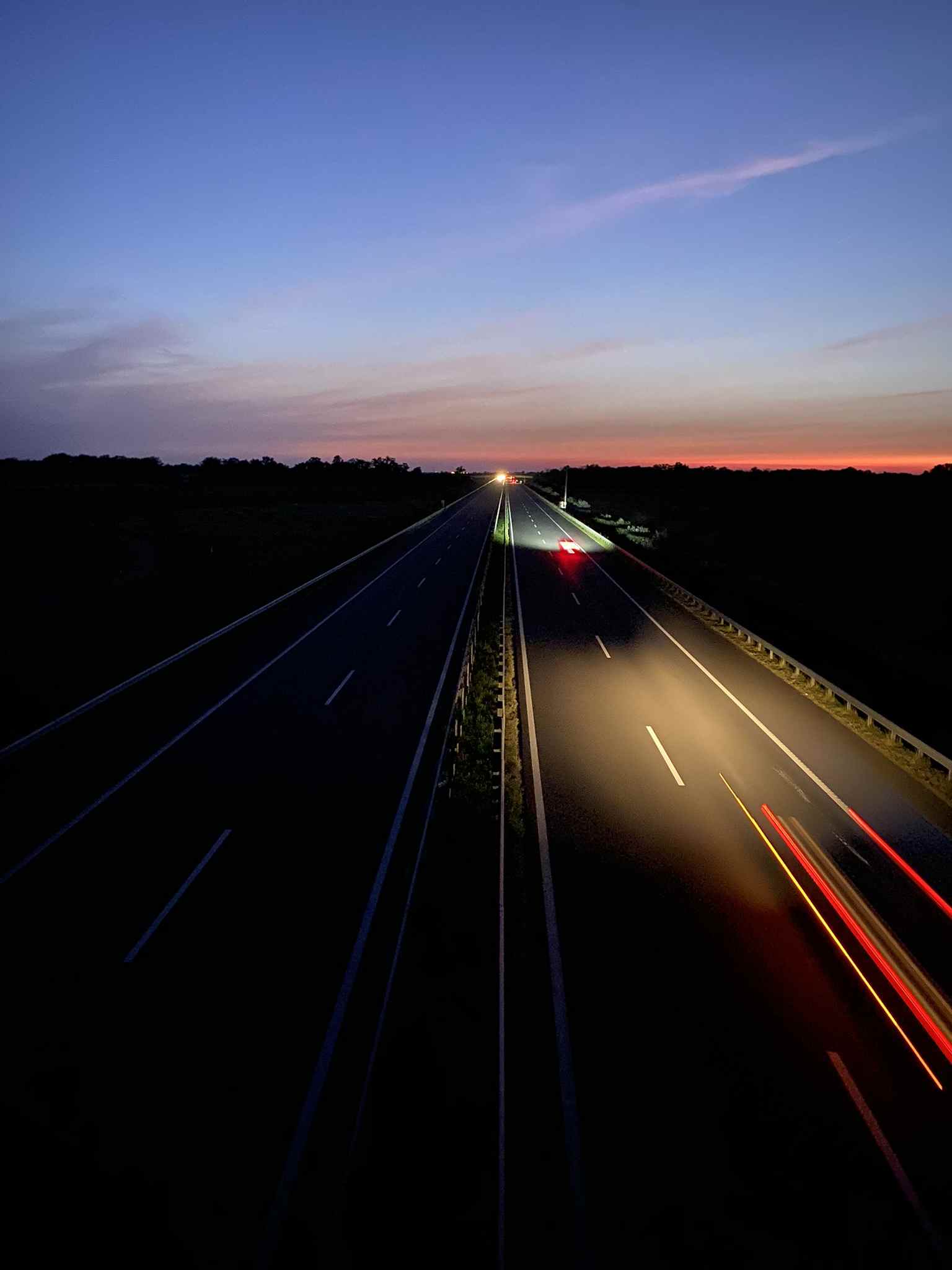
Motorways, e-vignettes and route choices
Hungary uses a digital time-based toll. There is no windscreen sticker to display: cameras read the registration, so the plate and country code must match the purchase record.
The official 2026 e-vignette rate table lists these category-D1 options for an ordinary passenger car:
| Validity | 2026 D1 price | What it means |
|---|---|---|
| Daily | HUF 5,550 | Valid on the purchase day from the exact payment time; advance purchase can start on a selected day |
| Weekly / 10-day | HUF 6,900 | The selected start day plus nine consecutive days |
| Monthly | HUF 11,170 | Valid until the same date in the following month, or the end of that month |
| Annual national | HUF 61,760 | Valid through 31 January of the following year |
Buy through the official National Toll Payment Services portal before entering a tolled section. If you enter by mistake, the authority says there is a 60-minute window to purchase, but that is only a remedy, not a planning method. Keep the confirmation and check the category (D1, D2 or another class), plate, country code and start date. The authority advises keeping the receipt or counterfoil for three years.
The M1 heads west toward Győr and Austria, the M3 east toward Eger and Nyíregyháza, the M5 south toward Szeged and Serbia, and the M7 toward Lake Balaton and Croatia. Expressway status and local toll sections can change, so check the official map and your navigation route rather than assuming that every fast road has the same treatment.

Budapest parking and the practical city boundary
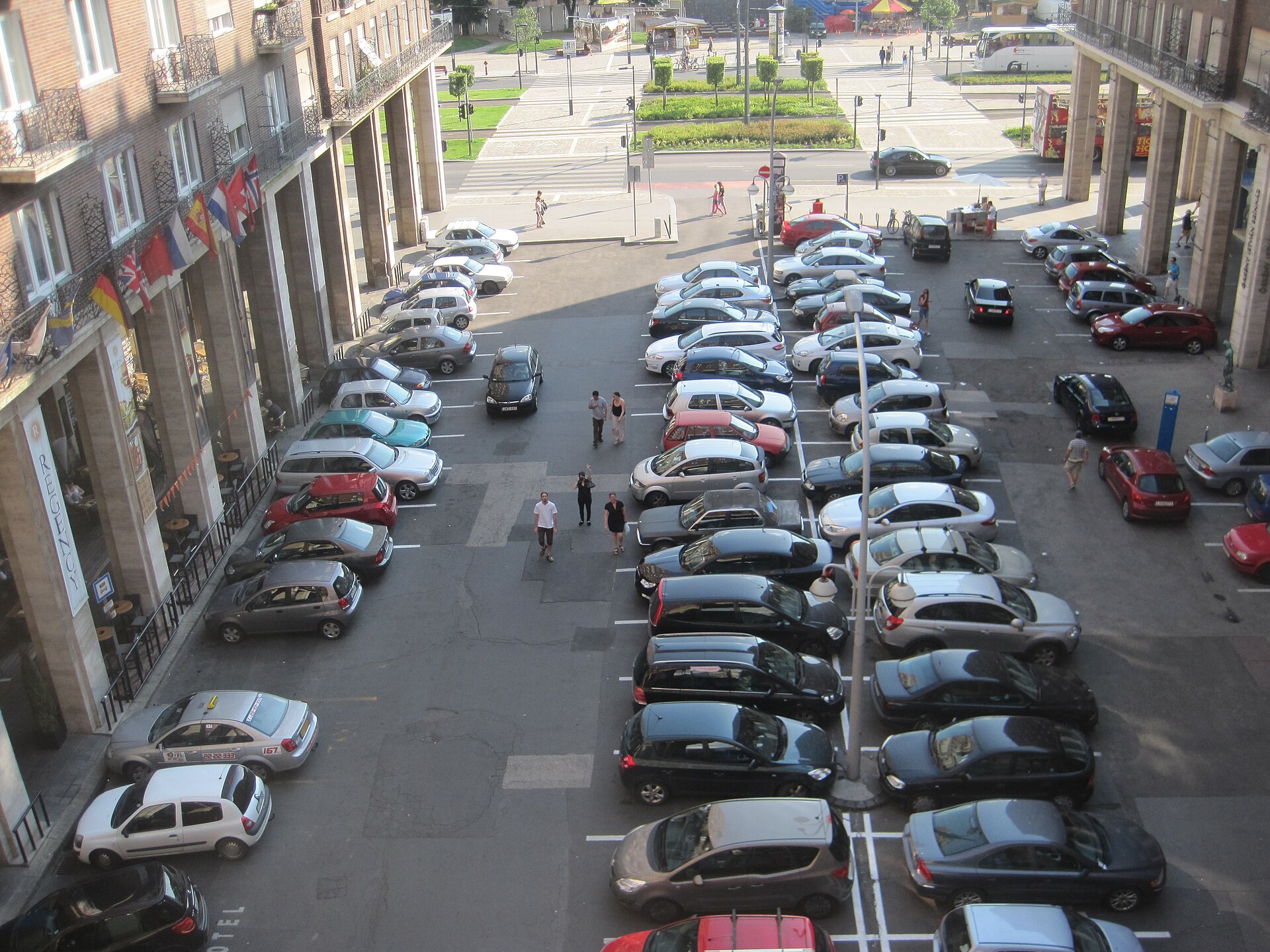
Budapest’s public-space parking is organised into four official zones, A through D. The Budapest transport company (BKK) parking page publishes the zone map, hourly charges, charging periods and maximum stay. Do not assume that a free evening in one district applies to the next street.
From 1 July 2026, Budapest’s public-space payment process is changing substantially: the city’s current information points drivers to mobile apps, SMS or a phone call rather than relying on old meter instructions. Check the current BKK parking notice on the day you park. Private garages have separate prices, height limits and exit procedures.
For a central museum or restaurant, park once in a legal facility and walk or use public transport. For a day trip, a P+R facility on the edge of the network can be less stressful than circling the centre. Photograph the zone sign and the payment confirmation; a rental-company plate does not exempt the driver from local parking charges.

Regional roads, fuel and charging
Main roads are generally easy to follow, but secondary roads can be narrow and villages bring frequent junctions, cyclists and pedestrians. The Danube Bend is a pleasant northbound loop but includes bends, settlements and seasonal visitor traffic. Lake Balaton is more about timing than distance: beaches, festivals and weekend traffic can turn a short final leg into the slowest part of the day.
Petrol stations commonly offer 95 (often E10), 100-octane petrol and diesel. Check the fuel label against the rental contract before filling. Card payment is common, but keep a backup card and do not assume that every small station has staff late at night. EV charging is expanding around Budapest and the main corridors; for a rural itinerary, identify a compatible fast charger and a backup before leaving the motorway.
Winter, fog and changing road conditions
Hungarian police guidance recommends winter tyres on icy or snowy roads, but there is no blanket passenger-car winter-tyre mandate. If a chain-control sign is displayed, the sign controls entry and use. Ask the rental company whether the vehicle has winter or all-season tyres, where chains are stored and whether cross-border winter equipment is permitted.
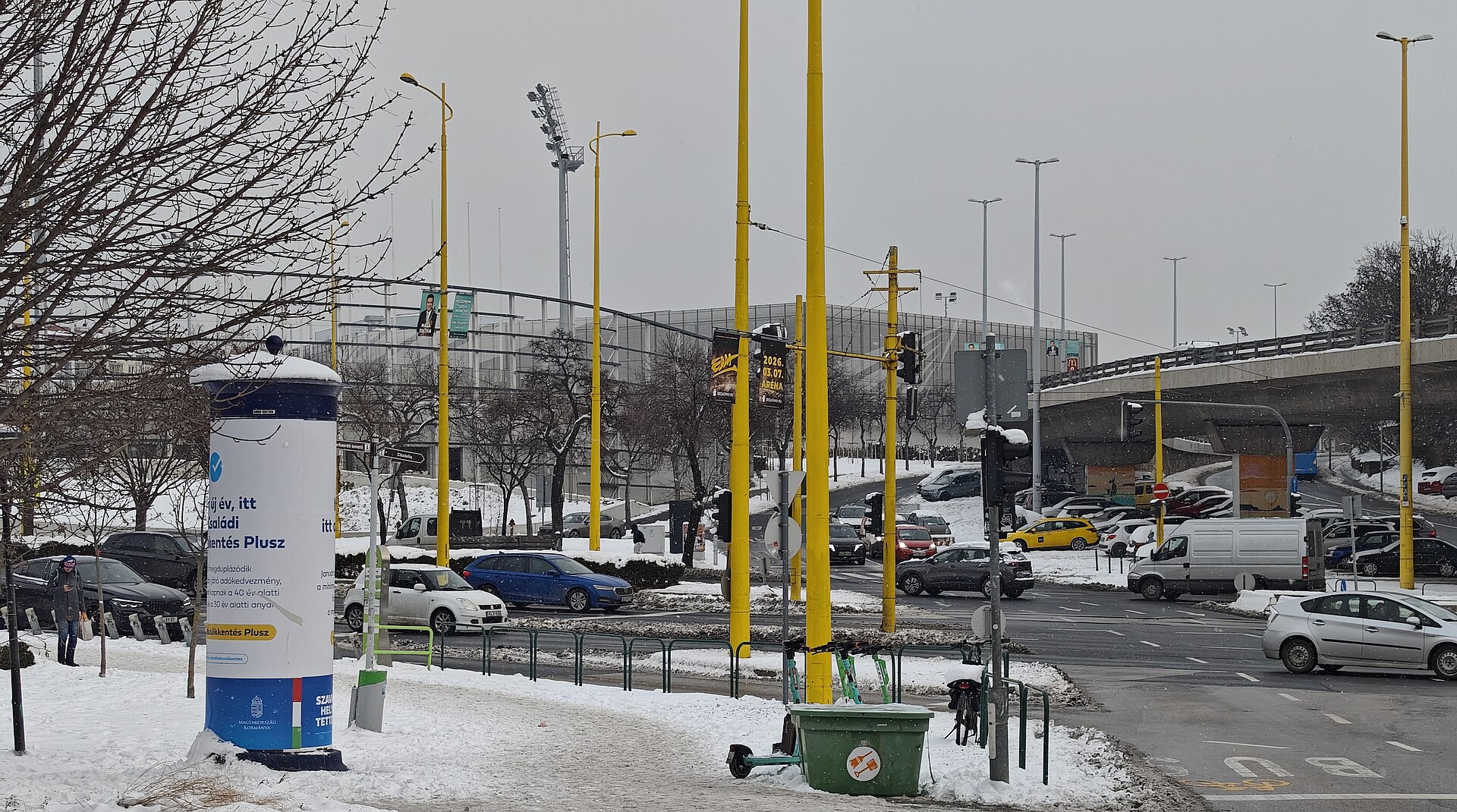
Snow, early darkness and fog can make an urban junction or a rural bridge approach look different from the route preview. Reduce speed, increase the following gap and clear all windows and lights before moving. Check the forecast and road notices before a Danube Bend, hill-country or border stage; keep a spare hour rather than trying to recover a delayed winter route at motorway speed.
.jpg)
Rental checks and emergencies
At pickup, photograph wheels, glass, bumpers and the fuel gauge. Confirm the plate number, toll arrangement, permitted countries, child-seat fit, fuel type, excess and roadside-assistance number. Ask whether a one-way return, border crossing or ferry requires written approval. Keep the contract and payment confirmation offline.
| Service | Number | Use it for |
|---|---|---|
| Police, fire or ambulance | 112 | An injury, collision, fire or immediate danger |
| Rental roadside assistance | On the contract | Breakdown, tyre, key or vehicle-specific help |
The Hungarian police guidance explains that a roadside check can include a sobriety test and inspection of the licence, registration and vehicle condition. After a crash, stop and make the scene safe if possible, call 112 for injuries or danger, exchange details and contact the rental company. Do not accept a quick private settlement in place of the required report or insurer procedure.
Departure checklist
- Original licence, IDP or certified translation when applicable, passport and rental contract.
- Plate, country code, vehicle category and start date checked on the e-vignette confirmation.
- Budapest zone or garage plan, plus a P+R alternative if the centre is busy.
- Fuel type, charging stops, cross-border permission and winter equipment confirmed.
- 112 and the rental company’s assistance number saved offline.
Official sources and review date
This page was reviewed on 16 August 2026. Rules and charges can change; use the source pages immediately before a trip:
- National Toll Payment Services: 2026 e-vignette rates and official purchase portal
- BKK: parking zones and charges in Budapest
- EU Your Europe: road rules and alcohol limits in Hungary
- Hungarian KRESZ speed-limit regulation
- Hungarian police: roadside checks and emergency number
- Hungarian police: winter-weather driving advice
Related Destinations
Frequently Asked Questions
- Do I need an International Driving Permit to drive in Hungary?
- Not every visitor does. EU and EEA licences are normally usable while valid. For other licences, check the Hungarian recognition rules and your rental company's documents; carry the original licence and an IDP or certified translation when your issuing jurisdiction or licence format requires one.
- How do I buy a Hungarian motorway e-vignette?
- Buy the e-vignette (e-matrica) through the official National Toll Payment Services portal before entering a tolled section. Check the plate number, country code, vehicle category and start date twice; cameras read the registration.
- How much is a 2026 Hungarian e-vignette for a normal rental car?
- For category D1 in 2026, the official rates are HUF 5,550 for one day, HUF 6,900 for 10 days, HUF 11,170 for a month and HUF 61,760 for the national annual pass. Rates and categories can change, so use the official table before purchase.
- Is a car useful in Budapest?
- Usually for the outskirts or a day trip, not for sightseeing in the centre. Budapest has four public-space parking zones and paid periods vary by zone; a P+R car park and public transport often remove the hardest part of the drive.
- What are good driving routes from Budapest?
- The Danube Bend works well for a northbound day, while the M7 leads toward Lake Balaton and the M3 toward Eger and eastern Hungary. In summer, add time around Balaton and check event traffic before committing to a tight return.
- Are winter tyres compulsory in Hungary?
- There is no blanket passenger-car winter-tyre requirement, but the Hungarian police recommend winter tyres on icy or snowy roads. If a snow-chain sign is displayed, follow it; ask the rental company what equipment is fitted before a mountain or border trip.
- What number should I call after a crash in Hungary?
- Call 112 for police, fire or an ambulance. Move to a safe place if possible, help injured people within your ability, exchange details and notify the rental company. A roadside police check can include a sobriety test and vehicle-document inspection.
Information Sources & Disclaimer
This guide compiles information from the official transport authorities, road operators, government travel information, and automobile associations linked for Hungary.
While we strive to keep this information as accurate and up-to-date as possible (last reviewed: August 2026), traffic laws and toll rates can change without notice. We recommend verifying critical information with the local authorities or your car rental agency upon arrival.
Learn more about our Editorial Process →Compare Your Origin and Destination
Use the comparison tool to check driving side, units, documents, and other destination data for your route.