Choose the right kind of Austrian drive
Austria is compact on a map but varied behind the wheel. Vienna and Salzburg are easier to visit by public transport, while a car earns its place on a route through the lakes, valleys and smaller towns. The main motorways carry international traffic through the Alps; scenic high roads add weather, opening hours and extra tolls to the plan.
The practical decision is not “car or no car” for the whole trip. Keep the car for the rural part, or collect it after a city stay. Reserve a legal parking place in the destination town, then work backwards from the road’s current opening status.

Licence and documents
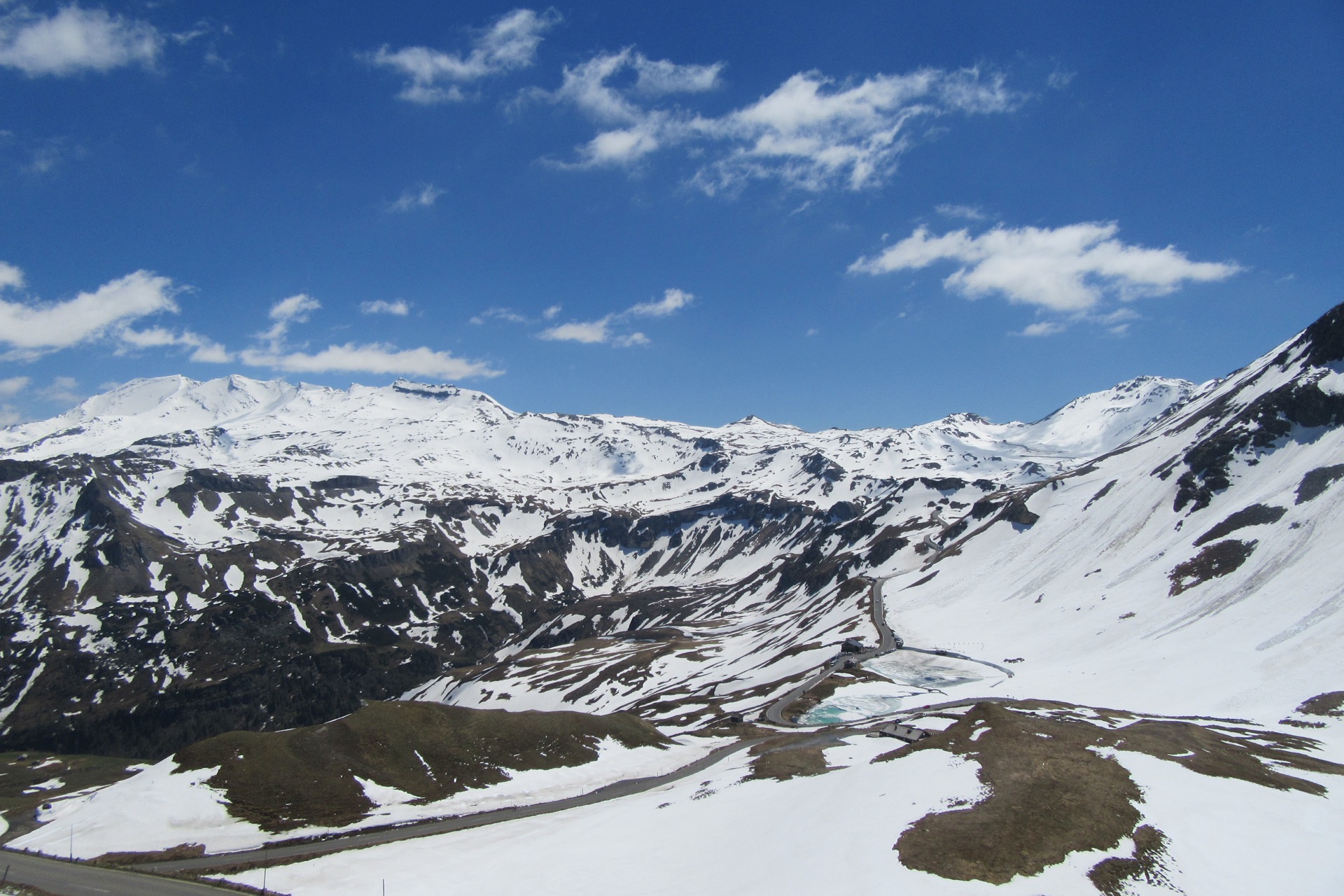
The Austrian government’s foreign-licence guidance recognises EU and EEA licences. For a licence that is not in German, carry an international driving licence or a translation as well as the original national licence. An IDP is a supplement, not a replacement.
For a rental or border crossing, carry:
- passport or other accepted identity document;
- the original driving licence and, where needed, an IDP or translation;
- the rental agreement, vehicle registration and insurance details;
- the vignette confirmation or a photograph of the sticker, plus any section-toll ticket.
The legal minimum age for a car is 18. Rental companies commonly set a higher age, deposit or driving-experience threshold. Tell the rental desk if you will enter Italy, Germany, Switzerland, Slovenia or another country; cross-border cover and equipment are contract questions, not automatic rights.
Rules that matter on the road
Austria drives on the right. The official vehicle-regulations overview is a useful pre-trip checklist. Pay particular attention to:
- the right-before-left rule at an unsigned intersection;
- seat belts for every occupied seat;
- children under 14 who are shorter than 135 cm using an appropriate child restraint;
- a phone secured in the cabin for navigation, with calls made only through hands-free equipment;
- a warning triangle, first-aid kit and high-visibility clothing in the vehicle. Put the high-visibility clothing on before leaving a broken-down vehicle;
- the Rettungsgasse: when a queue starts on a motorway or dual carriageway, the left lane moves left and every other lane moves right to leave a clear emergency lane.
There is no general requirement for a passenger car to use headlights in daylight. Use dipped headlights in darkness, twilight and reduced visibility such as rain, snow or fog; motorcycles have separate lighting rules. The usual blood-alcohol limit is below 0.5 g/l, with lower limits for specific licence categories and situations. When in doubt, do not drink before driving.
Speed limits
The Austrian government speed table gives these standard limits for a car up to 3.5 tonnes:
| Road setting | Standard maximum |
|---|---|
| Built-up area | 50 km/h |
| Outside built-up area | 100 km/h |
| Dual carriageway | 100 km/h |
| Motorway | 130 km/h |
Signs, tunnels, weather controls and vehicle combinations can lower the limit. A car towing a trailer has a different ceiling, and studded tyres also trigger lower limits. Treat the displayed sign as the controlling instruction.
Vignette and section tolls
For 2026, ASFINAG’s official toll shop lists the following passenger-car vignette prices:
| Product | 2026 price | Practical note |
|---|---|---|
| 1 day | €9.60 | Digital only; immediate validity is possible |
| 10 days | €12.80 | Digital product can start immediately |
| 2 months | €32.00 | Online consumer purchases normally start on day 18 |
| Annual | €106.80 | Valid for the 2026 vignette year; check the exact dates |
Austria still sells a sticker vignette as well as a digital one. Enter the plate exactly when buying a digital product; a typo can leave the vehicle uncovered. Rental cars may already have a vignette, but confirm its validity and plate before joining the motorway.
Some expensive structures use a section toll instead of the time-based vignette for that section. ASFINAG’s section-toll page lists the A9 Pyhrn, A10 Tauern/Katschberg, A11 Karawanken, A13 Brenner and S16 Arlberg sections. In 2026, a single car trip is €12.50 on the A13, €15 on the A10 and €13 on the S16; the A9 and A11 have their own rates. Buy the correct ticket before the toll station, and remember that a section-toll ticket does not replace the vignette elsewhere.
_2021.jpg)
Alpine routes and tunnels
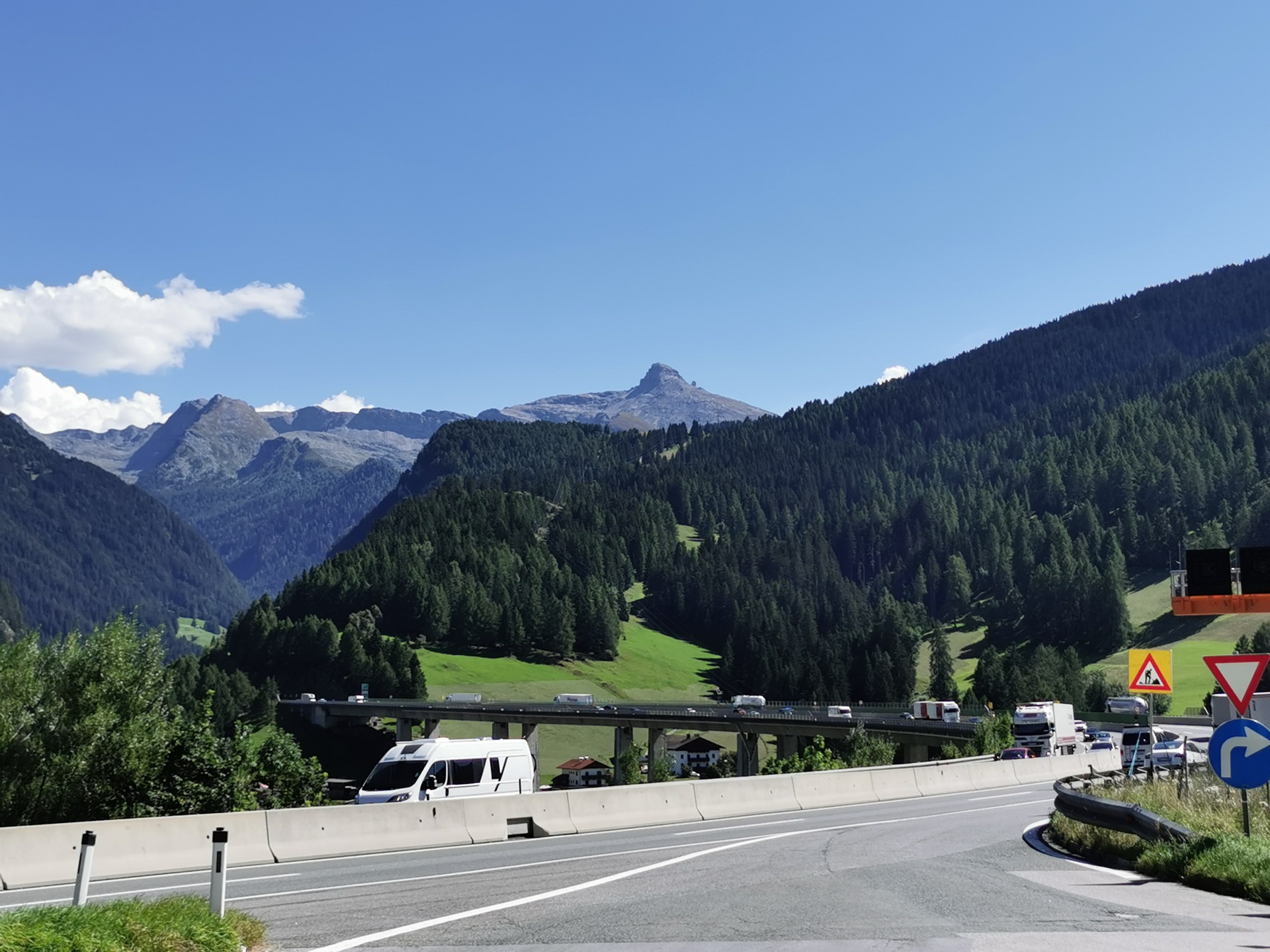
The A13 Brenner, A10 Tauern/Katschberg and S16 Arlberg routes are transit corridors, not sightseeing roads. Trucks, tunnel approaches and lane changes create a different rhythm from a lakeside road. The A10 includes the Tauern and Katschberg section-toll area; the A13 is tolled along its Brenner corridor; the Arlberg tunnel is a separate S16 section.
The Grossglockner High Alpine Road, Nockalm Road and other high passes are seasonal. The Grossglockner operator publishes opening information, tolls and weather; ASFINAG provides live motorway, tunnel and roadwork information through its traffic services. Check both shortly before departure. A sunny valley does not prove a high pass is open.
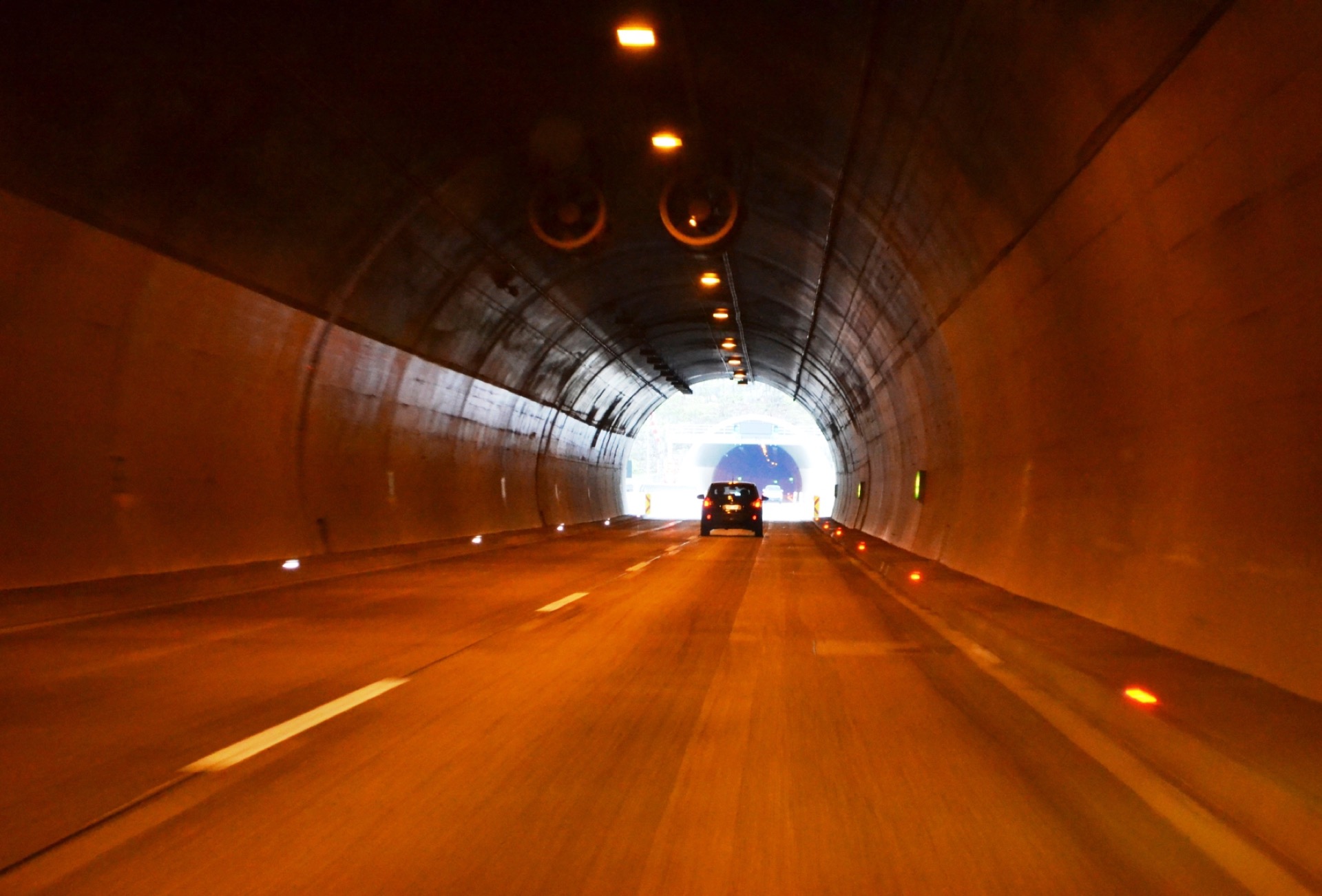
Long tunnels deserve their own plan: remove sunglasses before entering, keep a larger following distance, use dipped headlights, and do not stop except in an emergency. If traffic queues, form the rescue lane before an emergency vehicle appears.

Winter driving
The official winter-tyre rule is date-and-condition based for passenger cars and light vehicles up to 3.5 tonnes: between 1 November and 15 April, winter tyres must be fitted on all wheels when snow, slush or ice is on the road. Snow chains on at least two driven wheels are an alternative only when the road has a substantially continuous snow or ice cover. A blue chain sign can make chains compulsory on a particular climb.
Ask the rental company for the tyre marking, tread condition and chain location. Clear snow and ice from every window, lamp, number plate and the roof before moving; a small windscreen hole is not enough. Alpine weather can close a pass with little notice, so keep a lower route available and carry warm clothing, water and a charged phone.
Parking, city access and fuel
Short-term parking zones are set locally and marked by signs; blue paint may appear but is not required. The Austrian government parking guidance notes that fees and hours vary by province. In Vienna, Salzburg and Innsbruck, use a garage or Park-and-Ride facility for the centre and read the zone sign before leaving the car. Historic centres may also have pedestrian or access-restricted streets.
At the pump, confirm whether the nozzle says petrol, Super E10 or Diesel before filling. Card acceptance is common, but rural or unmanned stations may require pre-authorisation or a PIN. EV charging is easier along motorways and in larger towns than on a high pass; check the operator’s app and leave a range margin for cold weather and climbing.
Rental handover and cross-border plans
Photograph every existing mark, check the plate on the vignette, and ask whether the rental includes section-toll processing. Confirm winter tyres, chains, warning equipment and the countries covered by insurance. Some rental contracts prohibit particular mountain roads, ferries or cross-border drop-offs, even when the road itself is open.
If you plan a one-way trip to Germany, Italy, Switzerland, Slovenia or the Czech Republic, ask about written permission, border cover and equipment before collecting the car. The rental company’s policy controls the vehicle; an Austrian vignette does not grant permission to cross a border.
Emergencies and breakdowns
The Austrian emergency-number list gives:
| Service | Number |
|---|---|
| European emergency | 112 |
| Police | 133 |
| Fire service | 122 |
| Ambulance | 144 |
| Mountain rescue | 140 |
| ÖAMTC roadside assistance | 120 |
| ARBÖ roadside assistance | 123 |
On a motorway, switch on hazard lights and use an emergency telephone or the rental company’s assistance number. Leave the car only when it is safe, wearing high-visibility clothing. In a crash, call the appropriate service, give the road number and direction, and record the other driver’s insurance and registration details.
Sources and review date
Key checks for this page:
- Austria: foreign driving licences
- Austria: speed limits
- Austria: winter tyres
- Austria: mobile-phone rules
- Austria: child restraints
- Austria: emergency lane
- ASFINAG: vignette shop
- ASFINAG: section toll
- Austria: emergency numbers
Reviewed 17 August 2026. Toll products, road openings, weather restrictions and rental conditions can change; the linked official pages take priority.
Related destinations
Frequently Asked Questions
- Do I need an International Driving Permit to drive in Austria?
- There is no blanket IDP requirement for every visitor. EU and EEA licences are recognised; a foreign licence that is not in German must be accompanied by an international driving licence or a translation. A rental company can still require an IDP, so check the contract.
- Is the Austrian motorway vignette digital only?
- No. For vehicles up to 3.5 tonnes, Austria offers both a sticker vignette and a digital vignette for motorways and expressways. A 1-day vignette is digital only.
- How much is the 2026 Austrian vignette for a car?
- ASFINAG lists €9.60 for one day, €12.80 for 10 days, €32 for two months and €106.80 for an annual car vignette in 2026. Prices and validity should be checked in the official toll shop before departure.
- Can an online vignette start immediately?
- The digital 1-day and 10-day products can start immediately. When a private consumer buys a digital 2-month or annual vignette online, the statutory withdrawal period normally delays validity until the 18th day; buy at an authorised outlet or choose the correct start date if you need to leave today.
- Do Alpine tunnels need another toll?
- Yes. Several high-cost sections use a separate section toll, including the A13 Brenner, A10 Tauern/Katschberg and S16 Arlberg sections. A section-toll ticket does not replace the vignette for other tolled motorways.
- When are winter tyres required in Austria?
- For cars and light vehicles up to 3.5 tonnes, winter tyres are required from 1 November to 15 April when the road has winter conditions such as snow, slush or ice. Snow chains on at least two driven wheels are an alternative only when the road is covered by a continuous snow or ice layer.
- Is driving through Austria's mountain passes difficult?
- Main corridors are well engineered, but a seasonal pass can be narrow, steep and exposed to sudden weather changes. Check ASFINAG traffic information and the route operator's opening status, allow daylight, and do not treat a short map distance as a short driving time.
- What are Austria's normal speed limits?
- For a car up to 3.5 tonnes, the standard limits are 50 km/h in built-up areas, 100 km/h outside built-up areas, 100 km/h on dual carriageways and 130 km/h on motorways, unless signs or a lower vehicle limit apply.
- Can I use my phone for navigation while driving?
- Only when the phone is secured inside the vehicle as a navigation system. Calls require a hands-free kit, and entering an address, texting or browsing while moving is prohibited.
- Which emergency numbers should a driver save?
- Call 112 for the European emergency number, 133 for police, 122 for fire, 144 for ambulance and 140 for mountain rescue. ÖAMTC roadside assistance is 120 and ARBÖ is 123.
Information Sources & Disclaimer
This guide compiles information from the official transport authorities, road operators, government travel information, and automobile associations linked for Austria.
While we strive to keep this information as accurate and up-to-date as possible (last reviewed: August 2026), traffic laws and toll rates can change without notice. We recommend verifying critical information with the local authorities or your car rental agency upon arrival.
Learn more about our Editorial Process →Compare Your Origin and Destination
Use the comparison tool to check driving side, units, documents, and other destination data for your route.