Decide whether self-drive fits the route
Romania works well for a driver who is happy to alternate fast connections with slower local roads. Bucharest and the motorway network make useful entry points, while Transylvania, the Carpathian passes and the Black Sea coast require more time than a map line suggests. A sensible day has one main transfer, a confirmed parking place and enough daylight for a detour or a weather hold.
Romania drives on the right. The sign on the road controls the limit, and the legal maximum is only a ceiling. Trucks, village traffic, cyclists and roadworks can make a lower speed the sensible choice. Treat map arrival times as estimates, especially when leaving Bucharest or approaching a mountain pass.

Foreign licences, IDPs and the rental desk
Start with the original licence issued by your home country. EU and EEA licences are normally the simplest document for a short visit, but a rental company can still ask for a minimum age, a card in the main driver’s name or a particular translation. For licences from outside the EU, ask the Romanian rental branch to confirm recognition, vehicle class and the document combination before you pay. Do not rely on a phone scan at a police stop.
Romania’s MAI international-driving-permit service explains that an IDP is based on the 1968 Vienna Convention, complements the national licence and cannot outlive it. That page describes Romanian-issued IDPs, so it is not a blanket ruling on every foreign licence. If your licence is not in a Latin script, or the rental branch says it needs a translation, carry the IDP or an accepted official translation together with the original licence.
Keep the passport, entry record, rental agreement, registration document and insurance certificate accessible. At pickup, photograph the plate, VIN, odometer, fuel level, tyres, windscreen and each body panel. Ask who is responsible for the vignette and bridge toll, and record the answer in the rental paperwork. The legal minimum driving age is 18, but a fleet may set a higher age or a young-driver surcharge.
Rules, speeds and winter equipment
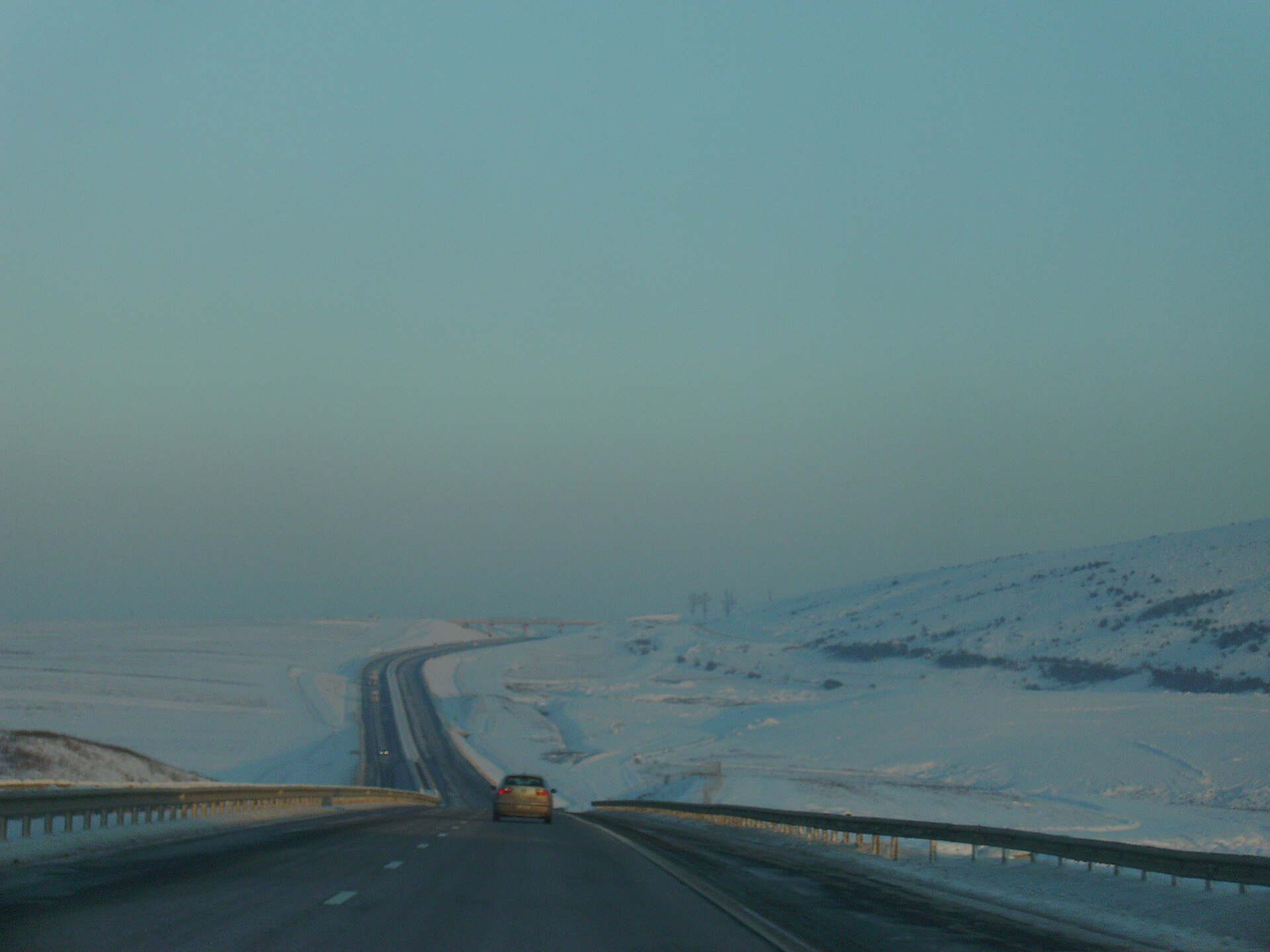
The Romanian traffic ordinance sets a 50 km/h urban maximum and, outside built-up areas for category A and B vehicles, 90 km/h on other roads, 100 km/h on European E roads, 120 km/h on express roads and 130 km/h on motorways. A new driver with less than one year of practice has a lower outside-built-up maximum. Posted signs, temporary works and weather can lower any of these figures.
The EU road-rules summary for Romania lists 0.0 mg/ml for standard, novice and professional drivers. Wear seat belts in every seat, use a child restraint that fits the child and keep the phone out of your hand while the car is moving. Use the lighting required by the current rules and signs rather than an old month-by-month driving tip.
Winter tyres are required when the road is covered with snow, ice or black ice. The trigger is the condition of the road, not simply the date on the calendar. Ask the rental desk what tyres are fitted, where chains are stored and whether a mountain route has temporary restrictions. A clear motorway at the start of a journey does not prove that a high pass will remain clear.
e-Rovinieta, bridge peaj and plate checks
The CNAIR e-Rovinieta portal sells and checks the electronic vignette. The official terms and conditions describe it as the tariff for using Romania’s national-road network. They also exclude national-road sections inside a municipality’s built-up area between the signed entry and exit points. In practice, a trip that leaves a city for a motorway or national road needs a valid vignette even if the first few urban kilometres do not.
Enter the rental plate, country code and vehicle category exactly as shown on the paperwork. Use the official verification page before leaving the branch and save the confirmation. A typo can attach the payment to another vehicle. The rental company may have bought a vignette already, but you still need proof that it covers the plate and dates in your contract.
The Fetești–Cernavodă crossing on the A2 uses a separate electronic bridge peaj. It is not a substitute for the national-road vignette. Ask whether the company has an account, an automatic charge or a process for customers to pay, then keep the receipt with the rental agreement.

Transfăgărășan, Transalpina and mountain timing
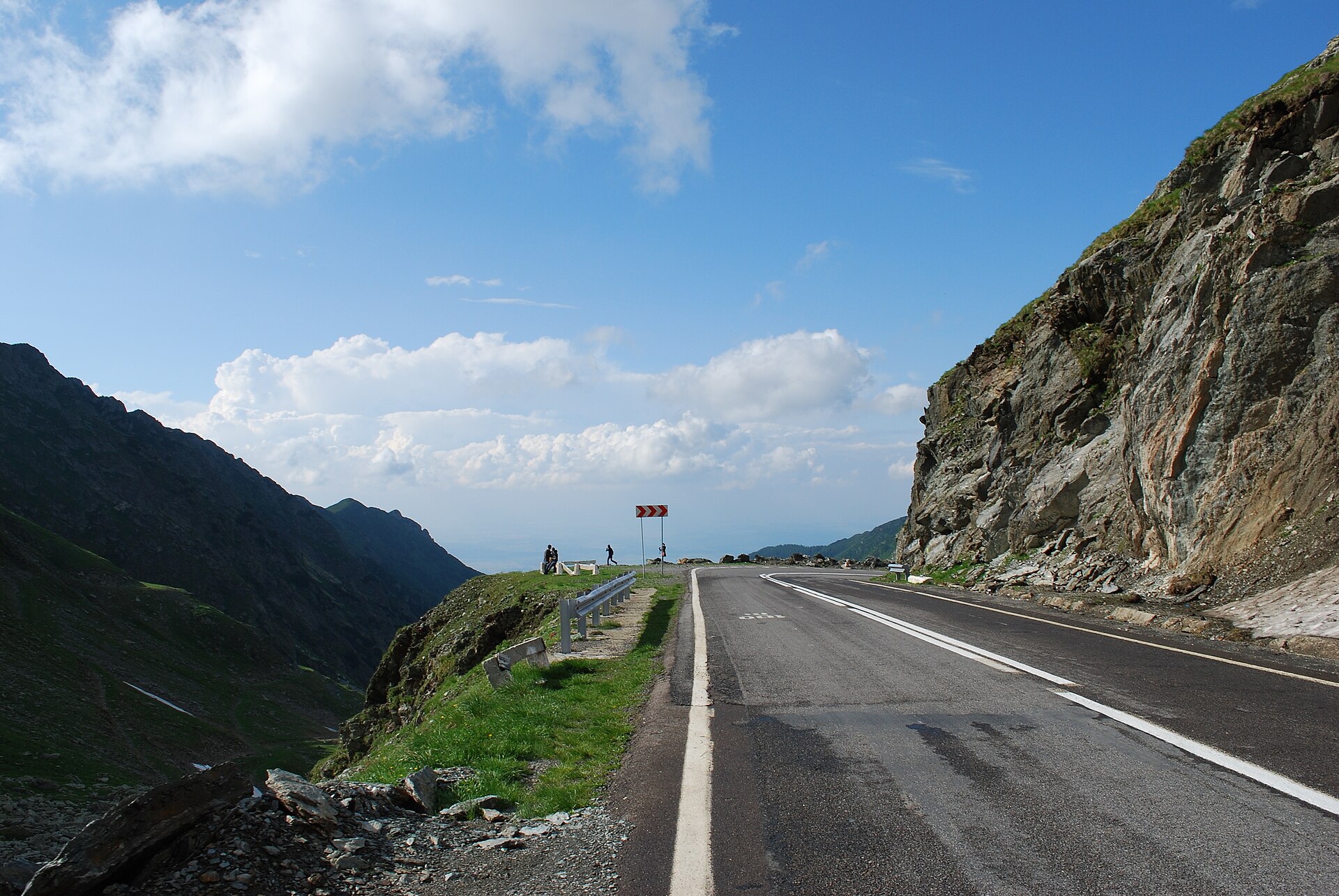
The Transfăgărășan is DN7C through the Făgăraș Mountains. Its high section has sharp bends, exposed edges, a tunnel and tourist stops with limited space. The Romanian Police INFOTRAFIC notice shows why a remembered opening month is not enough: snow, maintenance and local works can close a section at short notice. Check the status on the day, leave early enough to turn around and do not assume a navigation app knows about a new closure.
Transalpina (DN67C) and the roads around the Bucegi and Apuseni Mountains have the same planning issue. Fuel before the climb, download the route for weak-signal areas, and leave room for cyclists, motorcycles, livestock and vehicles stopping at viewpoints. A bend that looks wide in a photograph can have no safe place to pass when traffic meets.
The National Meteorological Administration publishes yellow, orange and red warnings for rain, wind, hail, snow, ice, fog and blizzard conditions. Read the warning for the counties on your route; a hotel-town forecast is too narrow for a mountain crossing. If fog, falling rock or a barrier appears, turn around at a safe place instead of trying to keep the itinerary.
Villages, regional roads and everyday hazards
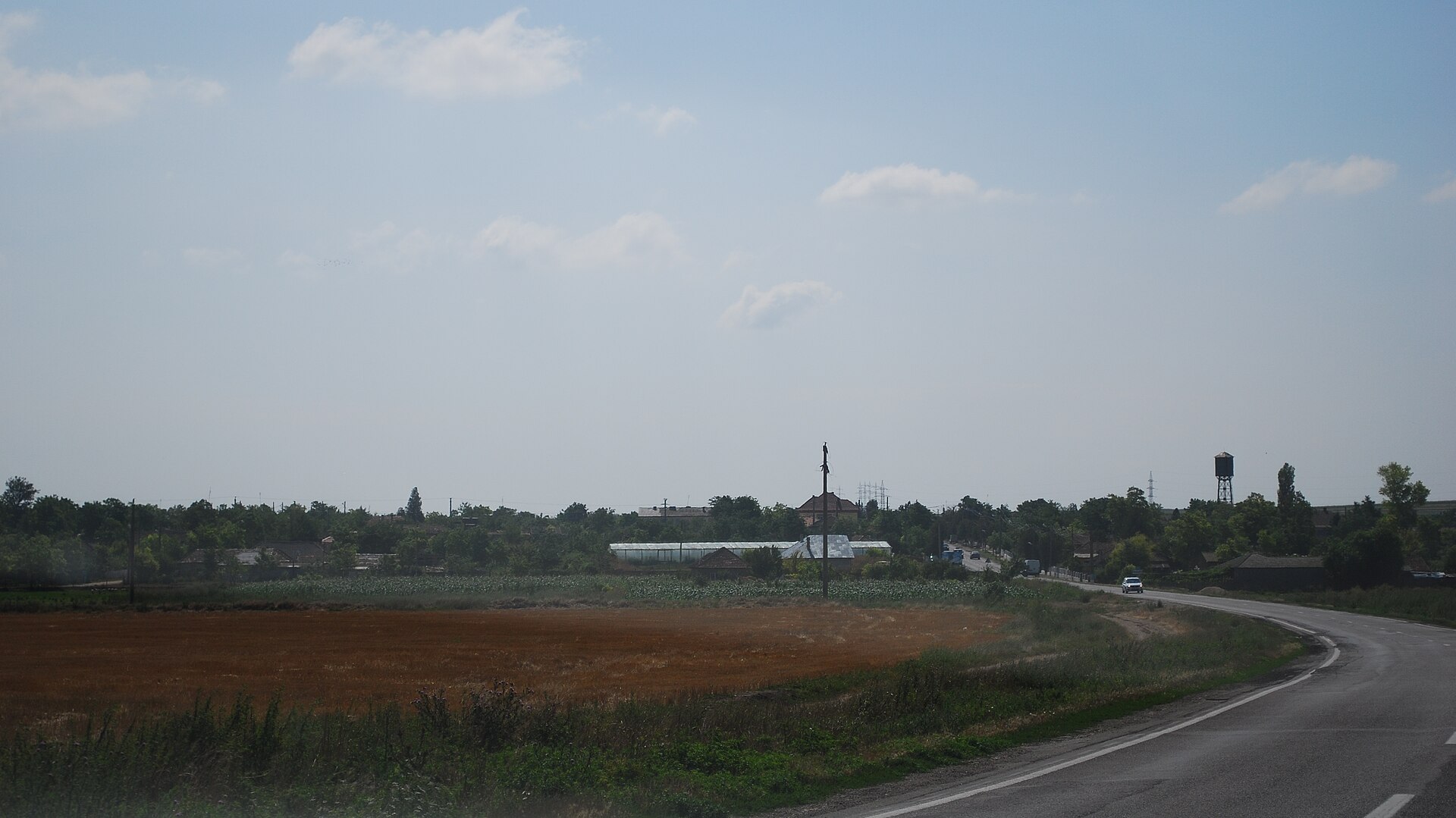

On regional roads, a horse cart, tractor or cyclist can appear after a crest. Slow before the settlement, keep a full view of the road and pass only when the oncoming lane and the shoulder are clear. Livestock may be near the carriageway, while pedestrians can walk along a road without a continuous footway. Avoid aggressive horn use and give a slow vehicle enough room to move predictably.
Older secondary roads can have patched asphalt, drainage edges and potholes. Keep both hands available, reduce speed before the rough section and avoid swerving into the oncoming lane. If your route includes a fortified church, village market or popular viewpoint, choose a marked parking area rather than stopping on a bend or blocking a farm entrance.
Fuel, charging, parking and the return record
Fuel is easy to find along motorways and in larger towns, but a rural station may have shorter hours or prefer cash. Confirm petrol or diesel at the pump and refuel before a mountain or rural stage. EV charging is expanding around cities and main routes; remote coverage is thinner, so check the charger status and have a backup stop before leaving the motorway.
City parking rules vary by municipality. Follow the sign beside the bay, use the marked app or machine and do not infer a national rule from a colour painted on the kerb. Hotels and paid garages are useful in Bucharest, Brașov, Sibiu and Cluj-Napoca. Remove luggage from view, keep gates and bus stops clear, and save the payment record for the rental file.
Emergencies and official checks
Romania’s single emergency number is 112 for police, ambulance and fire. The 112 service information page describes the national emergency-call system. Give the operator the road number, direction, nearest settlement, plate and map location. For a breakdown, call the rental company’s recovery number as well and follow the contract before arranging a tow.
Before a long stage, check the CNAIR or police road-status notices, the weather warnings and the rental car’s documents. At return, photograph the same panels, wheels, fuel level, odometer and keys recorded at pickup. Keep vignette and peaj confirmations, incident numbers and the final rental statement together.
Official sources and review date
This page was reviewed on August 17, 2026. Licence and IDP context uses the Romanian MAI service page. Speed, winter-equipment and road-rule details use the Romanian traffic ordinance and the EU road-rules page for Romania. Vignette coverage and verification use the CNAIR e-Rovinieta portal, its official terms and the plate check. Mountain closures use Romanian Police INFOTRAFIC, weather uses the National Meteorological Administration and emergencies use 112. Laws, tolls, weather, closures and rental conditions can change, so open the named authority again before departure.
Related destinations
Frequently Asked Questions
- Can I drive in Romania with my foreign licence?
- EU and EEA visitors should carry their valid original licence. For other issuing countries, recognition and any translation or IDP requirement depend on the licence format and the rental company, so confirm before payment and carry the original licence with your passport.
- Does an International Driving Permit replace my licence in Romania?
- No. Romania's MAI describes an IDP as a complementary document, not a replacement. If you use one, carry it together with the national licence it translates and check that the rental desk accepts the issuing convention.
- Where do I need an e-Rovinieta?
- The electronic vignette covers use of Romania's national-road network, including motorways, with an exception for national-road sections inside the built-up area of a municipality between the entry and exit signs. Check the official terms and register the rental plate correctly.
- Is the Fetești bridge toll included in the e-Rovinieta?
- No. The Fetești–Cernavodă Danube bridge uses a separate electronic peaj. Ask the rental company how it records or bills the crossing, and keep the plate and VIN details used for the payment.
- What are Romania's main speed limits?
- Unless a sign sets a lower limit, the legal maximum for a category A or B car is 50 km/h in built-up areas, 90 km/h on other roads outside them, 100 km/h on E roads, 120 km/h on express roads and 130 km/h on motorways. New drivers have a lower outside-built-up limit.
- What is the alcohol limit for drivers?
- The EU road-rules page lists 0.0 mg/ml for standard, novice and professional drivers in Romania. Treat that as a no-alcohol rule and do not drive after drinking.
- When is the Transfăgărășan open?
- The high DN7C section is seasonal and can also close for snow, works or an incident. Do not plan around a fixed June-to-October promise. Check Romanian Police INFOTRAFIC or the current road operator notice on the morning of the crossing.
- When are winter tyres required?
- Romanian law links the requirement to roads covered by snow, ice or black ice, not to a fixed calendar. Confirm the rental car's tyres before a winter trip and follow temporary restrictions or chain instructions.
- What should I expect on rural and mountain roads?
- Village approaches can include horse carts, farm machinery, pedestrians and livestock. Mountain roads add blind bends, cyclists, loose rock, fog and limited fuel or phone coverage. Slow before the hazard and pass only with a clear view and space.
- What number should I call in an emergency?
- Call 112 for police, ambulance or fire. Give the road number, direction, nearest settlement, vehicle plate and a map pin. Keep the rental company's roadside number separate because it handles the contract and recovery.
Information Sources & Disclaimer
This guide compiles information from the official transport authorities, road operators, government travel information, and automobile associations linked for Romania.
While we strive to keep this information as accurate and up-to-date as possible (last reviewed: August 2026), traffic laws and toll rates can change without notice. We recommend verifying critical information with the local authorities or your car rental agency upon arrival.
Learn more about our Editorial Process →Compare Your Origin and Destination
Use the comparison tool to check driving side, units, documents, and other destination data for your route.