A road trip needs three different plans
Jordan’s memorable drives are close together on a map but not interchangeable behind the wheel. Amman is a dense, hilly city with one-way streets and impatient merges. Route 15, the Desert Highway, is the efficient southbound spine. Route 35, the King’s Highway, trades speed for highland villages, Karak and Dana. At the end of the road, Wadi Rum is a protected desert where the sensible vehicle is a local 4x4, not the ordinary rental car.
Jordan drives on the right. Main roads between Amman, Petra, Wadi Rum and Aqaba are paved, but lighting, shoulders, animals and service intervals change outside towns. The official Jordan Tourism Board ground-transport guidance says a licence valid in the driver’s country of origin can be accepted when it has been held for at least one year. That is different from saying every rental counter accepts every foreign licence, so treat document checks as a booking task.

Licence, IDP and the rental desk
- Original licence first: Carry the physical licence issued by your home authority. An IDP is a translation and companion document, not a replacement.
- IDP is conditional: Visit Jordan’s general guidance is not a blanket “IDP always required” rule. Your national authority, border crossing and rental company can be stricter. The UK travel advice requires UK visitors to carry a 1949 IDP with the UK licence. The US country information describes a valid foreign licence with an IDP and has a separate note for US licences used with green-plated rental cars.
- Licence history: The tourism guidance says the licence should have been held for at least one year. Rental companies commonly add their own age, licence-tenure and deposit conditions; the contract controls the handover.
- Keep the vehicle papers together: Passport or entry record, licence, IDP if required, rental agreement, insurance certificate and registration should be easy to show at a checkpoint.
- Ask before paying: Confirm named drivers, one-way return to Aqaba, border travel, gravel or desert exclusions, spare-wheel policy, roadside recovery and the excess. Take timestamped photos of wheels, glass, bumpers, fuel level and existing marks.
Rules that change the day
Jordan’s DVLD traffic-law page and the current traffic-law text are the place to recheck legal details. In practice:
- Keep right and pass on the left. Follow lane arrows and the sign at the exact junction; do not assume a familiar roundabout rule when markings say otherwise.
- Follow posted speed limits. A road can have a lower limit for bends, gradients, visibility, town boundaries, schools or temporary works. Speed bumps appear near villages and service areas; brake before them, not on top of them.
- Wear seat belts in every occupied seat. Use a child restraint sized for the child even where local enforcement is uneven.
- Put the handheld phone away. Navigation should be set before moving, with an offline map for the desert and a paper address for the hotel or camp.
- Treat alcohol as incompatible with driving. Do not use a drink-count estimate to decide whether a long, hot road is safe.
- At a checkpoint, slow down, stop when signalled, keep hands visible and present the requested papers without photographing officers or military sites.
Choosing the southbound route
The official Visit Jordan route comparison puts Amman–Petra at roughly 235 km / three hours via Route 15, 274 km / four to four and a half hours via Route 35, or about 251 km / four to five hours via Route 65 along the Dead Sea. Those are planning figures, not arrival guarantees.
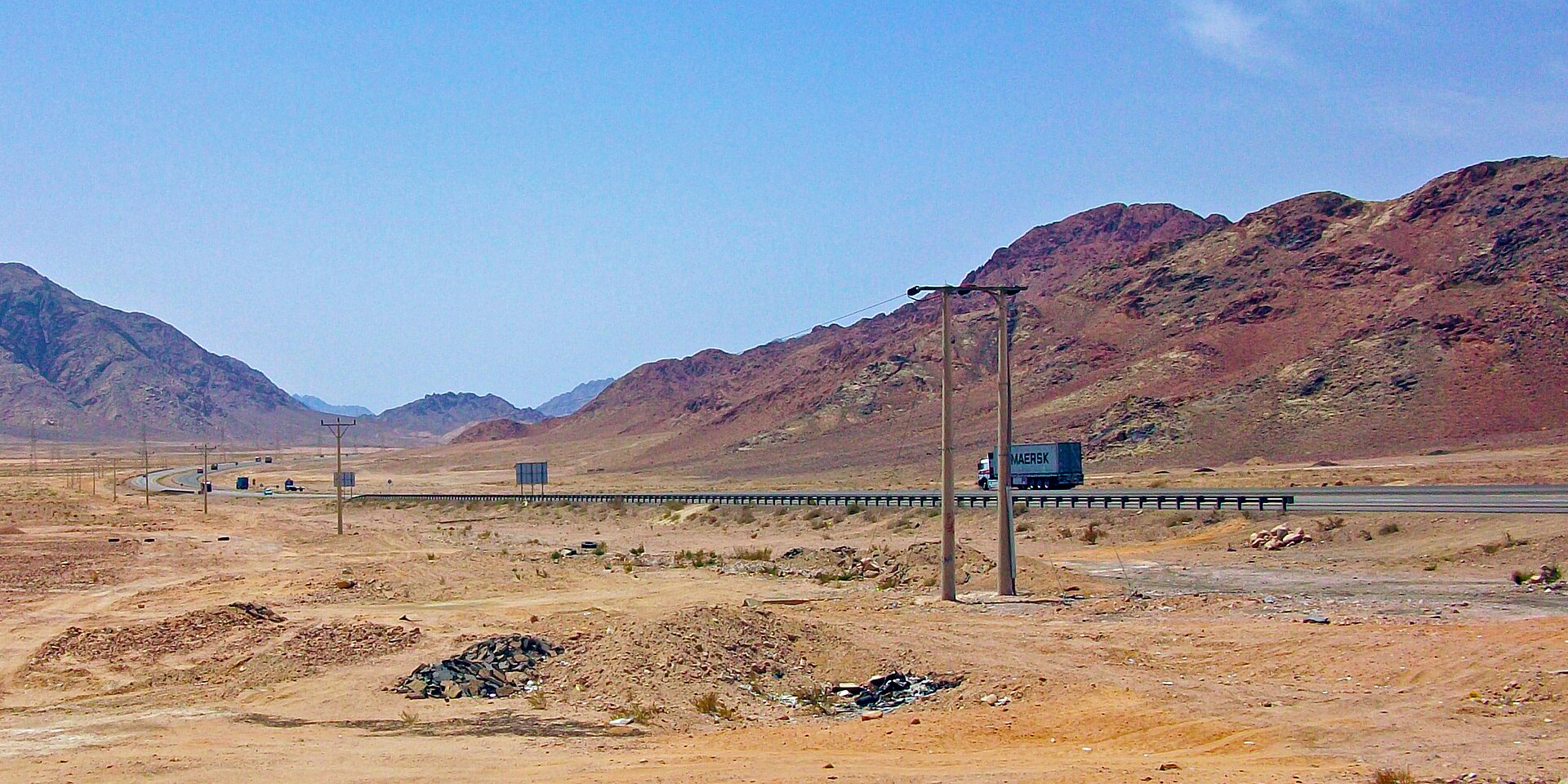
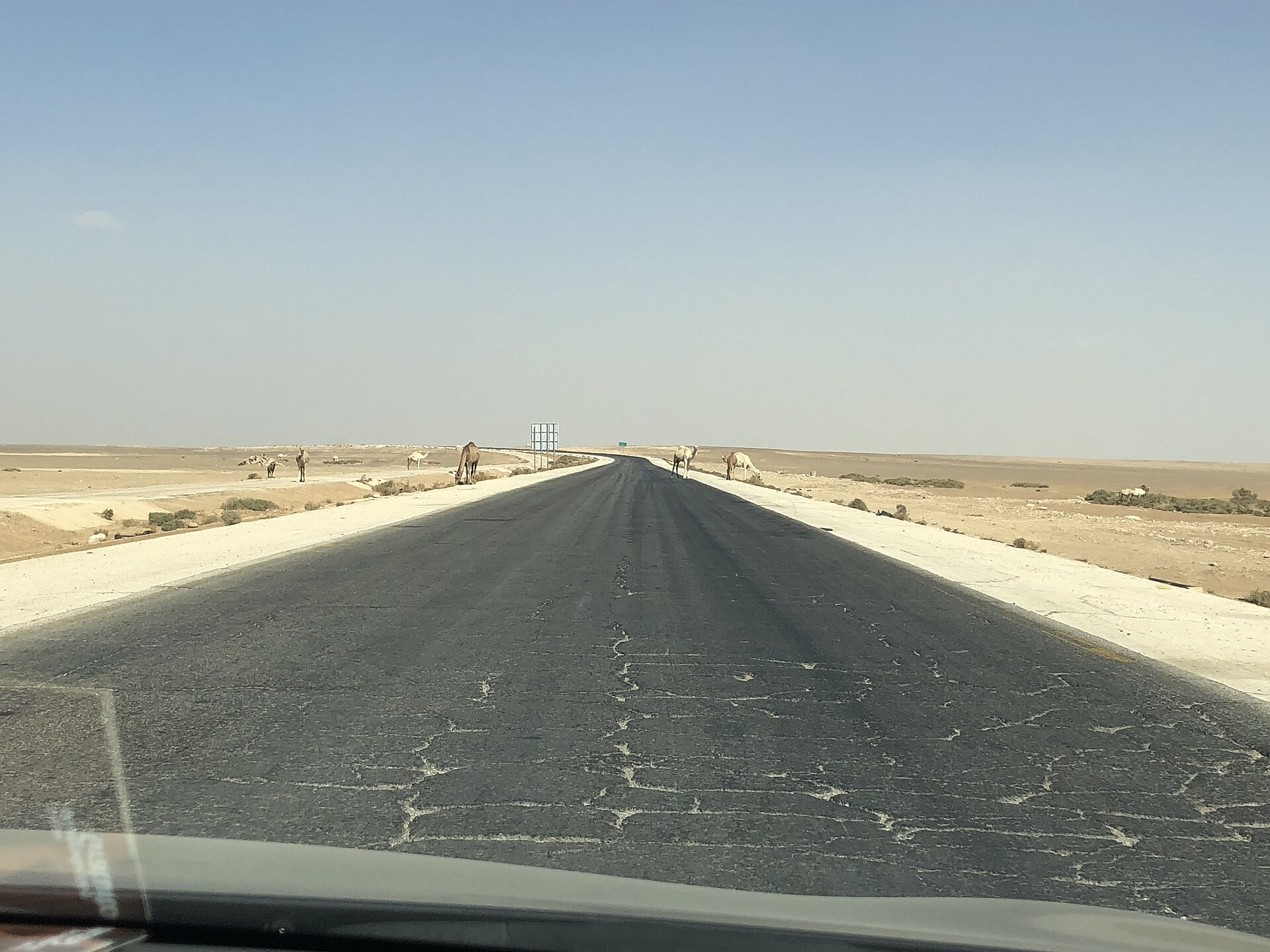
- Desert Highway (Route 15): The most direct line to Wadi Musa, Wadi Rum and Aqaba. Break the stage at a staffed town or service station, keep water in the cabin and do not let the fuel gauge become the route plan.
- King’s Highway (Route 35): A mountain day through Madaba, Karak, Tafilah and the Dana area. Curves, villages and viewpoints turn the nominal four-hour drive into a full itinerary. The route is most enjoyable when you start early and book a night near the middle rather than racing back after dark.
- Dead Sea Highway (Route 65): A useful combination route for a Dead Sea stop, Ma’in or Wadi Mujib before joining the southbound road. Check weather and access notices near wadis before committing to a low-lying detour.
- Amman: Use the city as a walk-and-park base when possible. A hotel garage or confirmed lot is usually less stressful than circling a steep, busy neighbourhood with luggage.

Petra and Wadi Rum: where the car stops
For Petra, park near the Visitor Centre in Wadi Musa and walk into the site. The official Petra transport guidance describes the Visitor Centre as the main arrival point and notes that the Desert Highway is the normal fast approach. Keep the car out of the archaeological area and plan time for the walk as well as the drive.
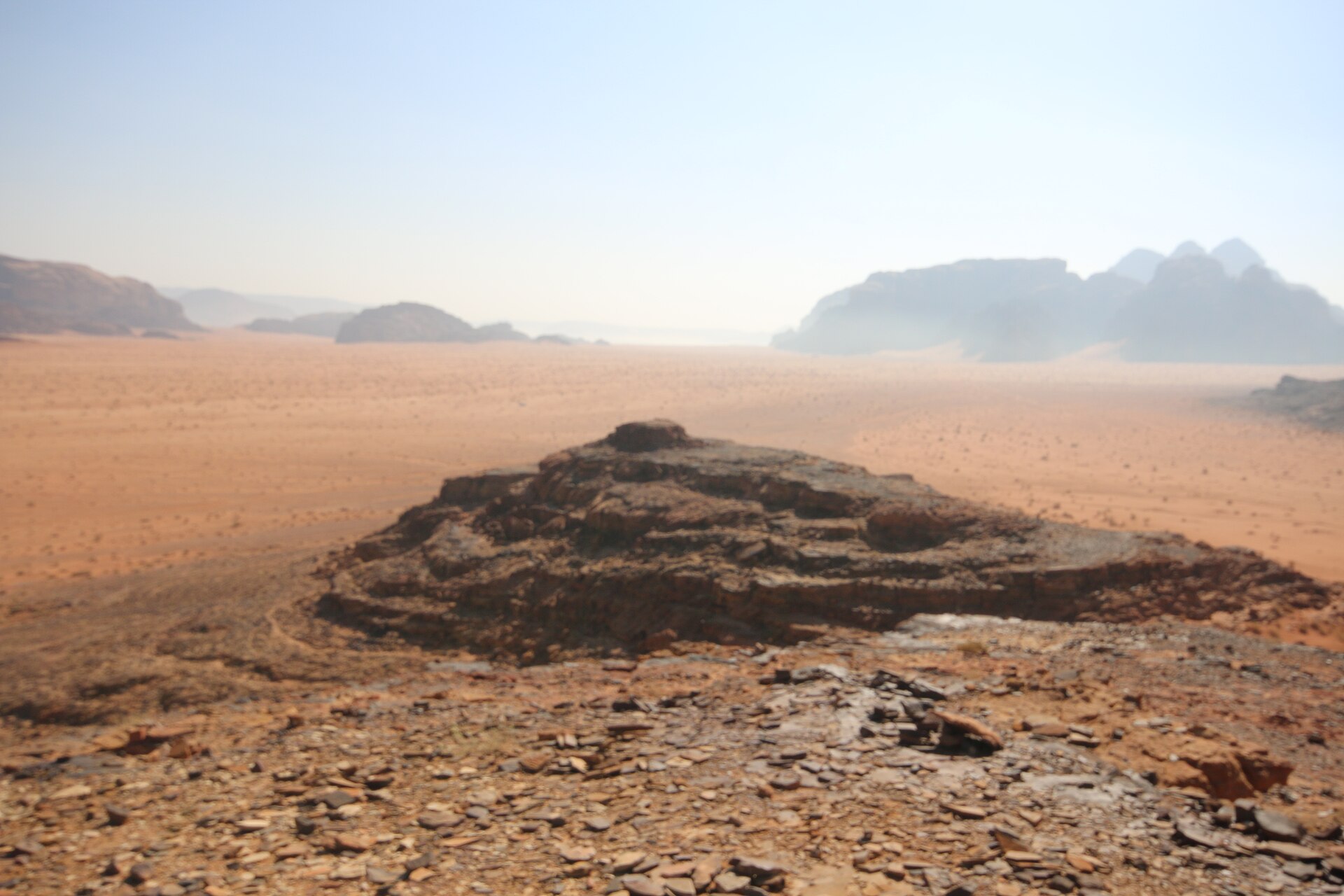
For Wadi Rum, drive to the Visitor Centre, not directly to a camp by whatever track a navigation app suggests. Visit Jordan’s Wadi Rum page and its Petra and Wadi Rum day-trip advice direct visitors to arrange a 4x4 and driver there or through a camp or operator. The protected area is a local driving environment: sand, rock, livestock, heat and no useful reason for a visitor to self-navigate deep tracks. An overnight in or near the reserve is safer and more enjoyable than a twelve-hour return to Amman.

Heat, rain, fuel and vehicle choice
Summer heat can turn a short walk from the car into the most demanding part of the day. Carry more water than the drive calculator suggests, keep a hat and sunscreen in the cabin, and never leave a child or animal in a parked car. The Jordan Meteorological Department publishes current warnings; its bulletins can flag heat, dust and reduced visibility on desert roads.
Rain needs the opposite kind of caution. Petra, the Dead Sea escarpment and other wadis can flood quickly even when the immediate road is dry. Jordan’s Ministry of Interior describes winter preparations for floods, landslides, low areas and wadi crossings. The tourism board’s adventure guidance says to avoid canyon floors during heavy rainfall. If water is moving across the carriageway, turn around; do not test its depth.
Fuel is easier to plan than charging. Fill in Amman, Aqaba or a major town before the long desert stage, ask whether the station accepts your card, and keep a cash fallback. Electric charging is not a dependable assumption for an itinerary that includes Wadi Rum or long stretches of Route 15; choose a vehicle with enough range and a real spare or recovery plan.
Fees and parking
There is no general national vignette described in the official visitor transport information, but “no motorway toll” does not mean “no road-trip fees”. Petra and Wadi Rum have entry arrangements; camps, local 4x4s, parking, border crossings and Jordan Pass eligibility are separate questions. Check the Jordan Pass and each attraction’s current terms before relying on an online price.
Use a hotel garage or signed lot in Amman and Aqaba, remove bags and electronics from sight, and photograph the location of the car. At Petra, follow Visitor Centre parking signs rather than stopping on the access road. At a desert pull-off, park completely clear of the carriageway and never use a live lane for a photograph.
Emergencies and roadside recovery
The Public Security Directorate rescue service lists 911 as the unified emergency number and 114 for sign-language users. Save the rental company’s recovery line separately; a puncture or warning light is a contract call, not a reason to improvise a desert repair.
| Service | Number or action |
|---|---|
| Unified police, ambulance and civil defence | 911 |
| Sign-language emergency access | 114 |
| Rental breakdown or tyre support | Number on the rental contract |
| Weather and road check | Jordan Meteorological Department and current Visit Jordan notices |
When calling, give the route number, direction, nearest town, landmark or kilometre marker, number of people and hazards. If the car is safe to move, get fully off the lane, switch on hazard lights and keep everyone visible. In a remote area, stay with the vehicle unless responders tell you to walk.
Sources and review date
This page was reviewed on 17 August 2026. Licence and rental assumptions were checked against Visit Jordan ground transportation, the Jordan DVLD FAQ, UK travel advice, US country information and the Jordan traffic law. Route and Wadi Rum planning were checked against Visit Jordan’s route comparison, Petra transport guidance, the Wadi Rum visitor page and Petra–Wadi Rum advice. Weather, flood and emergency guidance were checked against the Jordan Meteorological Department, Ministry of Interior winter-safety information, Public Security Directorate rescue service and Visit Jordan adventure guidance. Recheck entry rules, road conditions, weather, attraction access and rental terms for your travel dates.
Related Jordan guides
- Jordan rental cars, highways and desert safety
- Jordan King’s Highway: a seven-day road trip
- International Driving Permit guide
- Car rental insurance guide
Related destinations
Frequently Asked Questions
- Do I need an International Driving Permit to drive in Jordan?
- Not universally. Jordan's tourism guidance says a licence valid in the visitor's country of origin can be accepted when it has been held for at least one year, but rental desks and nationality-specific authorities can impose extra conditions. The UK, for example, tells visitors to carry a 1949 IDP with their UK licence, while US guidance distinguishes ordinary foreign licences from US licences used with green-plated rental cars. Check your own authority and the named rental company; carry the physical licence and an IDP when either requires it.
- Which road should I take from Amman to Petra?
- The Desert Highway (Route 15) is the direct option, about 235 km and roughly three hours in normal conditions. The King's Highway (Route 35) is around 274 km and usually takes four to four and a half hours before stops. The official Visit Jordan comparison explains why the scenic road needs a full day rather than a rushed transfer.
- Can I drive into Wadi Rum?
- Drive the paved approach to the Wadi Rum Visitor Centre, then arrange a local 4x4 and Bedouin driver for the protected area. Do not treat the sandy tracks as a normal rental-car shortcut. Visit Jordan directs visitors to the centre for a 4x4 and driver, and recommends planning an overnight rather than returning late to Amman.
- Are there toll roads in Jordan?
- The official visitor transport information does not describe a national motorway vignette or a general toll network. That does not make every entry free: Petra, Wadi Rum, borders, parking and camp or tour services have their own tickets and terms. Confirm the current charge with the attraction or operator before departure.
- What speed should I drive in Jordan?
- Use the signed limit on the exact road. Jordan's traffic law and DVLD guidance allow lower limits to be set for a road's visibility, bends, slopes, schools or town section, so a generic internet range is not a substitute for the sign in front of you. Slow down early at speed bumps, junctions and livestock crossings.
- Is night driving a good idea on the Desert Highway?
- It is possible, but it removes the daylight margin that helps with animals, pedestrians, dust, unlit shoulders and a tired driver. Start early, keep the tank comfortably above empty and stop in a town or staffed service area rather than planning a late arrival at a remote camp.
- What should I do if rain is forecast near Petra or a wadi?
- Postpone a wadi or canyon approach when heavy rain or a warning is active. Sudden water can travel far beyond the rain you can see. Jordan's Ministry of Interior and tourism safety material specifically prepare for floods in wadis, low areas and tunnels. Never drive through moving water; turn around before the dip.
- Is a normal car enough for a Jordan road trip?
- A standard car is suitable for the paved routes to Amman, the Dead Sea, Petra and Aqaba. It is not a substitute for a local 4x4 in Wadi Rum, and a rental contract may exclude gravel, desert tracks or border crossings. Ask about the surface, tyres, spare wheel and insurance exclusions before signing.
- What documents should I keep in the car?
- Keep the physical driving licence, passport or entry record, rental agreement, insurance certificate and vehicle registration together. At a checkpoint, stop when directed and show the requested documents calmly. Do not leave the originals in a parked car; carry them when you walk away from the vehicle.
- What is Jordan's emergency number?
- The Public Security Directorate lists 911 as the unified emergency number for rescue and civil-defence calls. Save the rental company's roadside line as well. Give the operator the road number, nearest town or landmark, travel direction and any kilometre marker; a dropped pin can be useful where coverage allows.
Information Sources & Disclaimer
This guide compiles information from the official transport authorities, road operators, government travel information, and automobile associations linked for Jordan.
While we strive to keep this information as accurate and up-to-date as possible (last reviewed: August 2026), traffic laws and toll rates can change without notice. We recommend verifying critical information with the local authorities or your car rental agency upon arrival.
Learn more about our Editorial Process →Compare Your Origin and Destination
Use the comparison tool to check driving side, units, documents, and other destination data for your route.