Decide what kind of Turkey trip you are building
Turkey rewards a split itinerary. A car is useful for an Aegean archaeology route, a Cappadocia base, the Mediterranean coast or long intercity stages. It is a liability in the dense parts of Istanbul, where a bridge crossing or a missed turn can cost more time than the attraction itself.
The practical choice is to collect after a city stay, then choose the road class for each transfer. Motorways and divided state roads make the long links predictable. Regional roads reach villages, coves and mountain viewpoints but require daylight, fuel margin and a slower estimate. The Aegean Coast seven-day route and the HGS, rental-car and city-parking guide add trip-level detail.

Licences, translations and the rental counter
Turkey’s National Directorate of Population and Citizenship Affairs (NVI) describes a six-month period for using a foreign driving licence from the date of entry. That is not a promise that every licence will be understood at a rental desk. Keep the original licence, passport and rental reservation together, and check the document format with the General Directorate of Security traffic guidance.
The frontmatter flag is therefore not a blanket IDP requirement. A 1968 IDP can provide a useful translation for many visitors, while a licence that already follows a recognised convention or has an accepted Turkish translation may be handled differently. The UK government’s Turkey driving advice illustrates the kind of country-specific detail that can apply: it asks UK drivers to carry a 1968 IDP or a Turkish translation. The IDP convention table explains why the issuing country matters.
Before paying for a rental, ask the branch to confirm:
- the original licence, IDP or translation it will accept;
- the minimum age and licence-holding period for the chosen vehicle;
- the named drivers, card deposit, excess and roadside exclusions;
- permission for ferries, unsealed roads, border areas and one-way returns;
- the plate number, HGS tag and post-rental billing process.
Photograph the wheels, glass, fuel level, warning lights and existing marks at pickup. A replacement vehicle means a new plate and a new HGS record, so repeat the toll check after any swap.
Speeds, junctions and everyday rules
The General Directorate of Highways (KGM) speed table lists the passenger-car framework below. Signs, vehicle category, weather and temporary controls can reduce it.
| Road setting | General passenger-car limit | Practical check |
|---|---|---|
| Built-up area | 50 km/h | A town entrance or camera zone may display a lower limit. |
| Two-way road outside a built-up area | 90 km/h | Curves, junctions and villages need a slower approach. |
| Divided road outside a built-up area | 110 km/h | Check the sign when lanes merge or the road enters a settlement. |
| KGM motorway | 130 km/h | Confirm the vehicle class and variable signs. |
| Some YİD motorways | 140 km/h | Use 140 only where the posted sign and vehicle class allow it. |
Drive on the right and overtake on the left. At a roundabout, read the yield and lane arrows rather than assuming a universal priority rule. Pedestrian crossings, lane changes and service-road merges deserve a deliberate speed reduction. The traffic police guidance on seat belts applies to every occupant, and the phone-use guidance treats holding a phone while driving as a violation.
The alcohol rule sets 0.50 promille for private drivers and zero for commercial or public-service drivers. Penalty amounts change, so use the Interior Ministry’s current traffic regulation notices rather than an old fine table.
Headlights are not a universal all-day motorway rule. The traffic FAQ says to use them at night, outside built-up areas in the situations required by the rule, and in fog, rain or other visibility-reducing conditions. Follow the sign and the actual visibility. For winter tyres, ask the rental company and check the province, vehicle type and current seasonal notice instead of assuming one national date.
Motorways, HGS and bridge charges
Turkey’s current toll workflow is HGS. KGM says a vehicle with a foreign plate must have HGS before using charged motorways or bridges and must keep sufficient credit. The KGM HGS page explains the electronic system, while the foreign-plate instructions warn that unpaid tolls and penalties can interfere with a vehicle’s departure through customs.
At the rental counter, ask whether the tag is already active, who loads the balance, and whether the company charges an administration fee. Keep the handover sheet and assigned plate. Do not copy an old Istanbul–Ankara price into the budget: KGM’s current toll query and tariff page is the right check for the route and date. A web page that still presents OGS as a parallel current system may be outdated; ask the operator for the vehicle’s present HGS process.
Motorway service areas are useful for a fuel, food and rest stop, but do not leave a long stage with a nearly empty tank. Choose the electronic lane indicated for the vehicle and keep moving at the posted speed; do not reverse or change lanes at a gantry.
Istanbul: park first, then explore
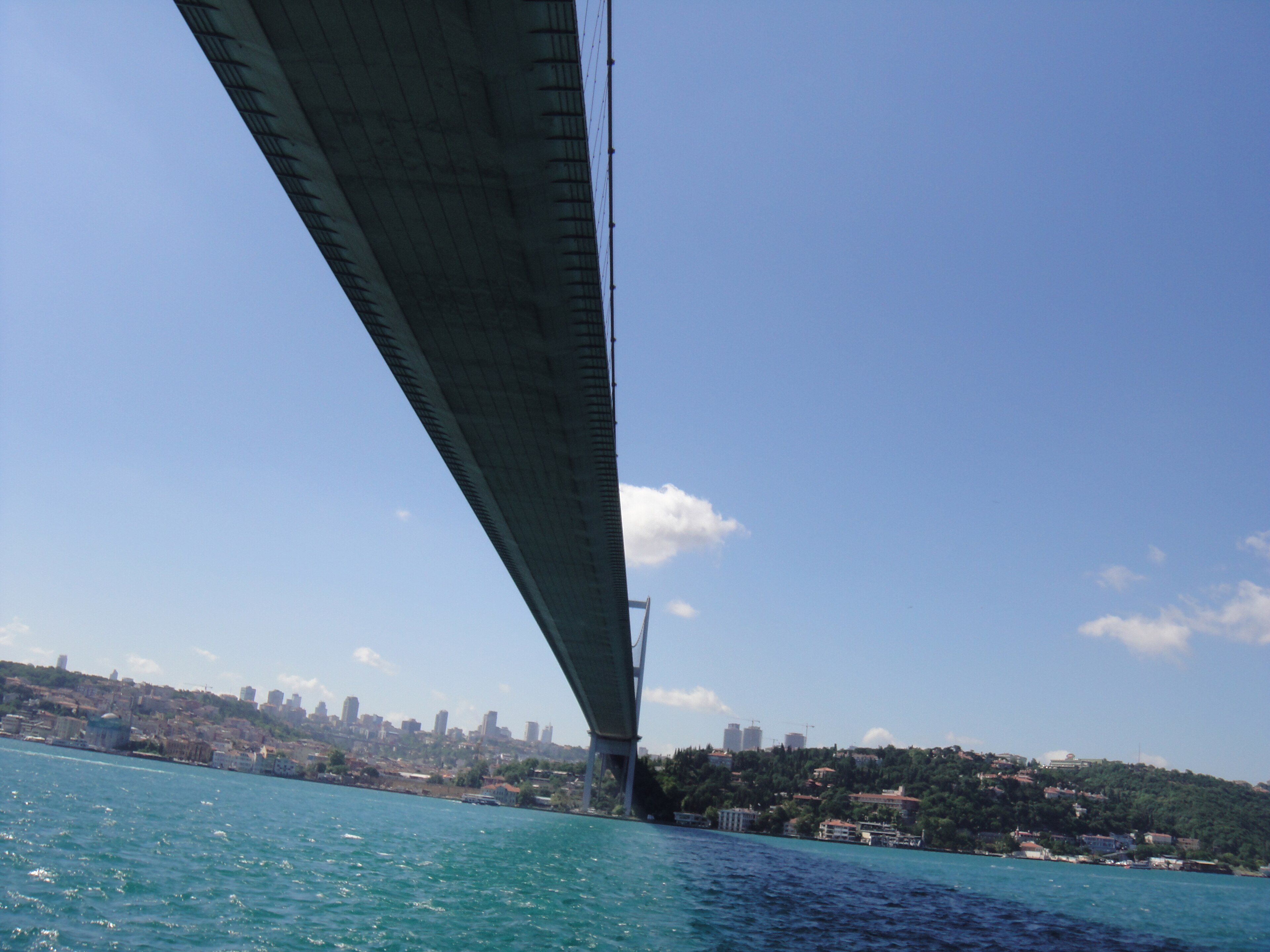
Istanbul is the place where the rental plan has the largest opportunity cost. The Bosphorus bridges, divided highways, ferry crossings and dense historic streets all connect the two sides, yet a short-looking itinerary can cross several bottlenecks. A hotel address is not proof that its garage accepts a rental vehicle; confirm the entrance height, payment method and overnight access.
İSPARK operates marked on-street, open and multi-storey facilities. Its official parking directory shows each facility’s location, opening hours, capacity and current tariff. Use the entry sign and receipt, and check the plate number before leaving. A garage near a metro, tram or ferry stop is often a better base than a central curb space.
Collect the car after the Istanbul portion when possible. If a day trip starts in the city, set the exact facility as the navigation destination and leave time for the exit road. A bridge toll, HGS account and city parking receipt belong in the same trip record.
Cappadocia and central Anatolia
The main links towards Nevşehir, Göreme and Kayseri are paved, but the last kilometre to a viewpoint, cave hotel or village can be much narrower. Read the accommodation’s arrival instructions before choosing the car: a map pin may end at a stone lane where a normal rental should not continue.
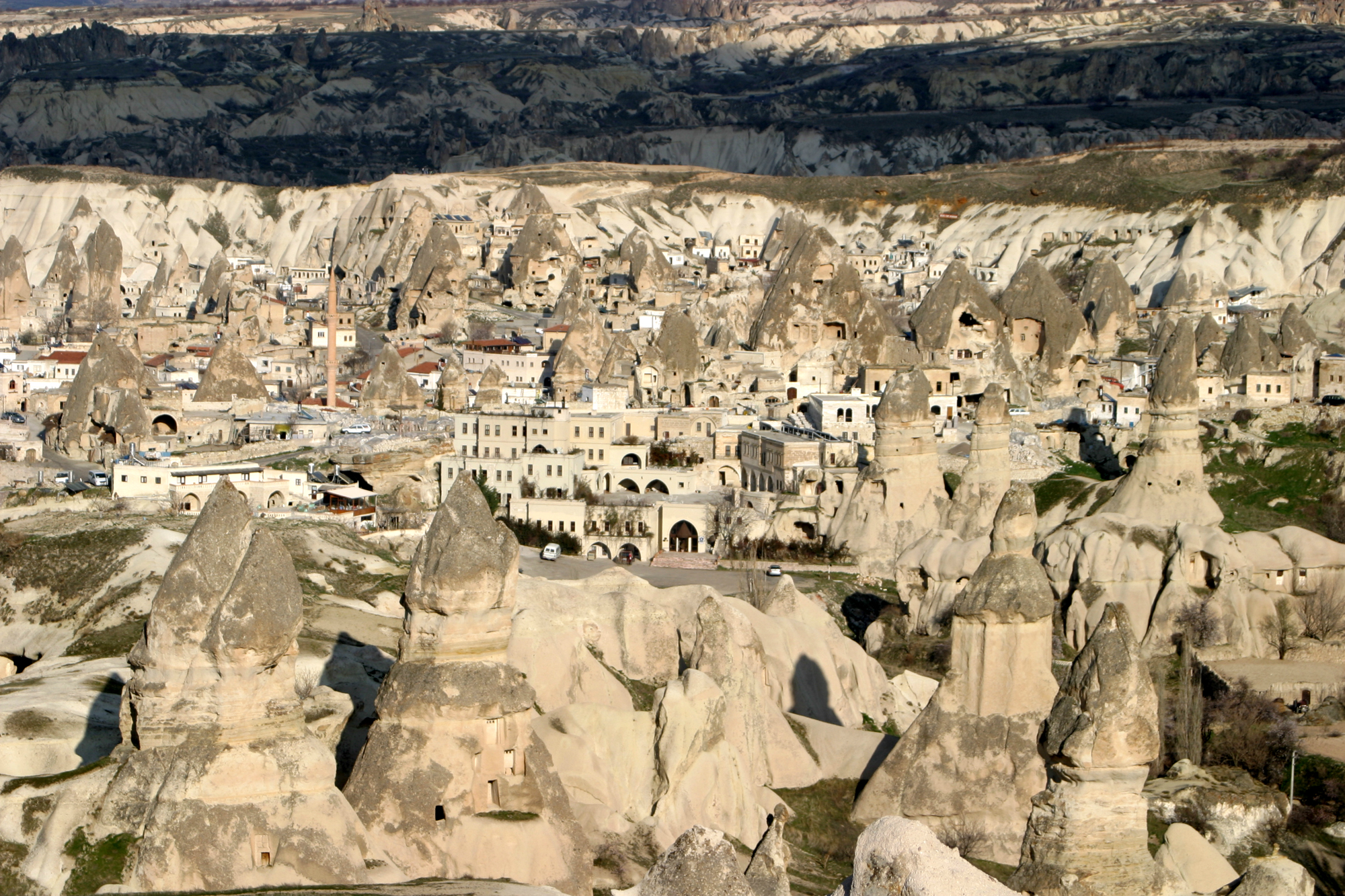

Use marked pull-offs for photographs and keep the carriageway clear. In winter, cold nights and snow on the plateau can change the grip even when the valley looks dry. Check the KGM closed-road list and the Meteorological General Directorate forecast for the provinces on the route.
Aegean, Mediterranean and mountain stages
The Aegean coast works well as a sequence of bases: İzmir or Bergama, Selçuk and Ephesus, then a southern town chosen around the return flight. Coastal roads pass through towns, so a route that looks short on the map can include market days, hotel lanes and ferry queues. Confirm parking before booking a waterfront stay.
The Mediterranean and eastern mountain roads require a different rhythm. A paved route can still have blind bends, rockfall, livestock or a long gap between services. The mountain-road image below is a reminder to treat an unsealed track as a separate surface, not as a faster shortcut. Check the rental contract before leaving a public road.

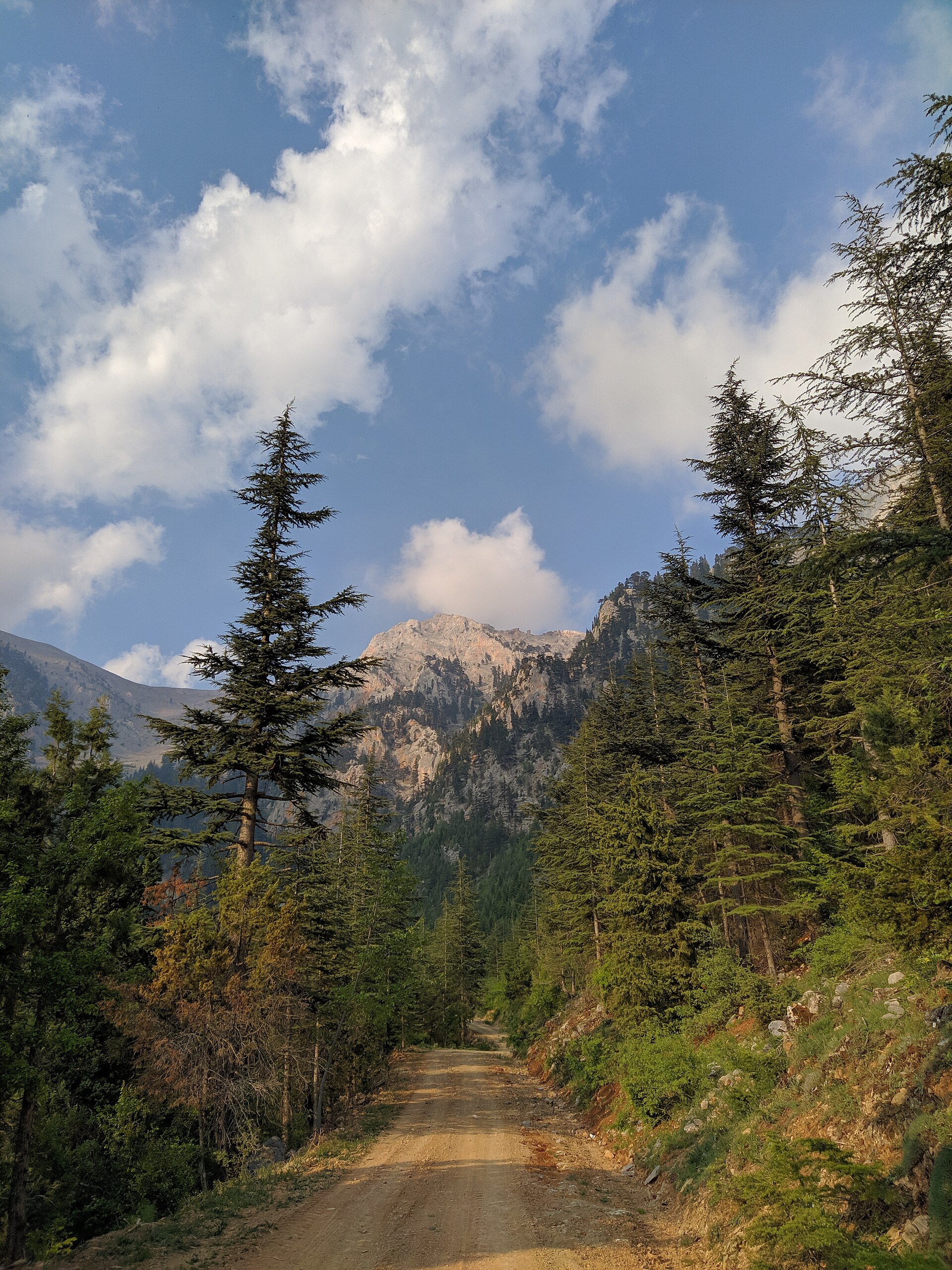
Plan to reach a viewpoint or mountain pass in daylight. Use a lower road as a fallback when the forecast shows heavy rain, snow, fog or strong wind. The MGM forecast service and KGM’s live closures are more useful immediately before departure than a seasonal promise in a guidebook.
Eastern routes and border checks
Eastern Turkey is not one road condition or one security category. Highways around major cities can be straightforward, while a remote pass may have fewer services and a short-notice closure. Carry water, fuel margin and an offline route, and avoid treating a long empty stretch as an invitation to speed.
Security advice is regional. The current UK Turkey travel advice warns against travel within 10 km of the Syria border and notes that roads in Hatay can close at short notice. It also describes extra permissions around Hakkari and Mount Ararat. Read the current notice for the exact province and route; do not apply a border warning to the whole country.
Fuel, charging and parking records
Fuel is sold as benzin, motorin and LPG. Station brands and card acceptance vary by location, and motorway service areas may cost more. Prices move with the market, so use the station’s current display rather than a fixed national figure. Fill before a remote stage and ask the rental branch which fuel or charging receipt it needs at return.
Public charging is expanding in major cities and along principal corridors, but availability and payment can differ by network. An EV route needs a live-status check, a second charging option and a reserve for elevation or heat. A manual car is common in the rental market; reserve an automatic early if that is essential.
In every city, read the sign beside the space. Markings, payment hours and resident restrictions are local. Keep the parking receipt, garage ticket and HGS record with the rental agreement until the final deposit is released.
After a collision or breakdown
| Need | Number or action |
|---|---|
| Police, fire or medical emergency | 112 |
| Rental roadside assistance | Use the number on the rental agreement |
| Road or motorway status | KGM road and closure notices |
The 112 emergency service is Turkey’s unified number. Stop, switch on hazard lights and move behind a barrier only when it is safe. Call 112 for injury, fire, danger or a blocked live lane. Photograph the vehicles, signs, plate numbers and road position, then call the rental company. Do not sign a document you cannot read; ask for translation and keep the incident number.
Sources and review date
This page was reviewed on 17 August 2026. Licence interpretation, toll tariffs, parking prices, road closures, weather warnings and rental policies can change. Recheck the named authority and the rental contract immediately before driving:
- KGM passenger-car speed limits
- KGM HGS guidance
- KGM foreign-plate instructions
- NVI foreign driving documents
- 112 unified emergency service
- Turkish traffic police alcohol guidance
- KGM closed-road notices
- Meteorological General Directorate forecasts
- İSPARK parking directory
- UK Turkey travel advice
Related guides and destinations
Frequently Asked Questions
- Can I drive in Turkey with my home-country licence?
- Turkey's NVI guidance allows a foreign licence to be used for up to six months from entry, subject to the document and the driver's status. Carry the original licence. An official translation or an IDP may be needed for your licence format, and a rental company can set a stricter document rule.
- Is an International Driving Permit required in Turkey?
- There is no single answer for every issuing country. Many visitors use a 1968 IDP with the original licence because it helps with translation and rental-desk checks. Confirm the convention, translation and rental policy for your licence before collecting the car; an IDP never replaces the original licence.
- What are Turkey's motorway speed limits?
- For passenger cars, KGM lists 130 km/h on its motorways and 140 km/h on some build-operate-transfer motorways. The general framework is 50 km/h in built-up areas, 90 km/h on two-way roads outside them and 110 km/h on divided roads. A posted sign, vehicle class or temporary restriction takes precedence.
- How does HGS work in a Turkish rental car?
- HGS is the current electronic toll system. A foreign-plate vehicle needs an HGS account with enough credit before using a charged motorway or bridge. Ask the rental branch how the tag is funded and how tolls and administration fees will appear after return.
- Can I pay Turkish motorway tolls in cash?
- Do not assume a cash lane is available. KGM directs foreign-plate vehicles to HGS, and an unpaid passage can become a fine that complicates departure from Turkey. Check the current KGM tariff and violation pages before the trip.
- Should I keep a car in central Istanbul?
- Usually not for sightseeing days. Bridges, one-way streets, delivery controls and limited parking make a central base easier by metro, tram, ferry or walking. Park in a confirmed garage or an İSPARK facility and collect the car when leaving the city.
- Are Cappadocia roads suitable for a small rental car?
- The main paved links are manageable in a normal car, but village lanes, viewpoints and unsealed tracks vary. Keep the rental contract's surface restrictions in mind, use daylight for unfamiliar approaches and never stop on a narrow road for a photograph.
- What is the alcohol limit for driving in Turkey?
- The Turkish traffic police state a 0.50 promille blood limit for private drivers and an absolute prohibition for commercial or public-service drivers. The safest plan is a driver who does not drink.
- What should I check before a mountain or coastal stage?
- Check KGM's closed-road notices and the Meteorological General Directorate forecast for the provinces on your route. Wind, rain, snow, landslides, ferry changes and a late arrival can turn a short map distance into a different driving day.
- What number do I call after a crash in Turkey?
- Call 112 for a general emergency, including police, fire or medical help. Move out of live traffic only when safe, photograph the scene and contact the rental company. Keep the local-language address and plate number ready.
Information Sources & Disclaimer
This guide compiles information from the official transport authorities, road operators, government travel information, and automobile associations linked for Turkey.
While we strive to keep this information as accurate and up-to-date as possible (last reviewed: August 2026), traffic laws and toll rates can change without notice. We recommend verifying critical information with the local authorities or your car rental agency upon arrival.
Learn more about our Editorial Process →Compare Your Origin and Destination
Use the comparison tool to check driving side, units, documents, and other destination data for your route.