Decide whether self-drive fits the route
Kenya is two different driving trips joined together. Nairobi and the main highways require patient lane choices, careful merging and a tolerance for slow traffic. A safari route adds gravel, corrugations, gates, wildlife and long stretches without a reliable shoulder. A visitor who is new to left-side driving may be happier with a local driver for the first city transfer or for a full park itinerary. Self-drive is workable when each day has one main transfer, a daylight arrival and enough time for a puncture, a queue or a weather delay.
Kenya drives on the left and uses kilometres per hour. The posted sign controls the speed, especially around villages, roadworks and school areas. Do not treat a map’s estimated arrival time as a promise: Nairobi congestion, security checks, livestock and a slow truck can change the stage before the next fuel stop.
.jpg)
Foreign licences, IDPs and the rental desk
Kenya’s Traffic Rules say a valid domestic driving permit issued outside Kenya to a person resident outside Kenya is valid for up to 90 days from the date of entry. A valid convention driving permit is also recognised. That means an IDP is a useful and sometimes requested document, but it is not the only legal route for every non-resident.
The 2020 driving-licence rules require a translation when a foreign domestic permit is not in English or does not conform to Annex 6 of the 1968 Convention and is not accompanied by an IDP. Send the rental branch a scan of the licence, the issuing country, the vehicle class and the dates of the trip before paying. Ask whether its insurer or fleet policy asks for an IDP even when the law accepts the original permit.
Carry the original licence, passport, entry record and any IDP or translation. Keep the rental agreement, vehicle registration and insurance documents in the car. Kenya’s legal minimum driving age is 18, while a rental company may set a higher age, charge a young-driver fee or restrict a four-wheel-drive vehicle to older drivers. Record the plate, odometer, fuel level, tyres, windscreen and every body panel at pickup. A phone photo does not replace the originals during a roadside check.
City traffic and everyday road rules
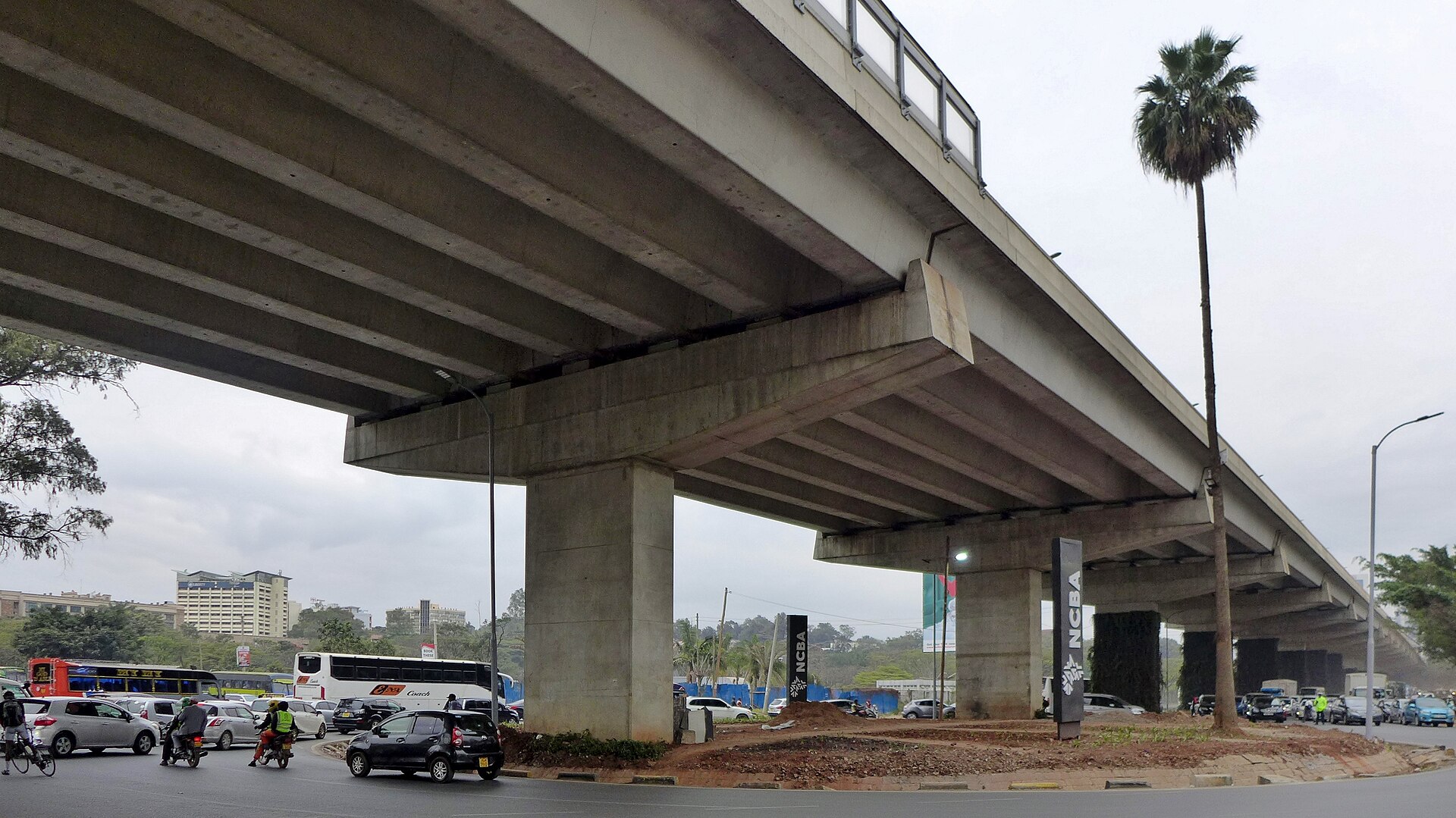
Roundabouts, matatus, motorcycles, pedestrians and delivery vehicles share Nairobi’s roads. A matatu may stop at short notice, and a bus or truck can hide a person crossing behind it. Leave a visible escape space, avoid sitting beside a large vehicle through a junction and expect a lane to narrow near a market or construction site. Keep the phone out of your hand while moving; set the route before departure or stop in a legal, safe place.
Use the posted limit and reduce it for rain, dust, animals, potholes or an unlit shoulder. Seat-belt violations and exceeding a maximum speed are listed by the National Transport and Safety Authority as minor traffic offences, but a minor classification does not make the risk minor. Check that all occupants are belted and that the rental car’s lights, horn, wipers, spare wheel and jack work before leaving Nairobi.
At a police stop, pull over where it is safe, keep documents ready and ask for a written receipt for any official payment. Do not hand over a passport as security for an informal roadside demand. If a situation feels unclear, call the rental company or the National Police Service rather than arguing in live traffic.
Nairobi Expressway and longer highway stages
The Nairobi Expressway operator describes a 27.1-kilometre controlled-access road between Mlolongo and James Gichuru Road. ETC uses an on-board unit. MTC lanes accept a pre-loaded card, cash or mobile money, with the charge based on the vehicle class and the entry and exit stations. Toll rates are published in the Kenya Gazette and can change, so use the operator’s current schedule instead of an old blog or a remembered price.
Two- and three-wheeled motor vehicles are not allowed on the expressway. Parking, reversing and U-turns are prohibited except for an emergency. If the rental company has no ETC unit, confirm that the vehicle can use an MTC lane and keep enough accepted payment for the planned exit. The operator lists +254 111 039 777 for service questions and +254 111 039 888 for rescue; these are separate from the national emergency numbers.
On the A8 and other intercity roads, plan fuel around towns rather than assuming the next station will be open or accept a card. Mombasa Road can be slow near Nairobi and the coast. The Likoni ferry is a scheduling and queue issue, not a shortcut that can be guaranteed at a particular minute. Add a buffer before a flight, ferry, park gate or lodge check-in.
Safari roads and wildlife rules
Kenya Wildlife Service (KWS) publishes park guidance on its Nairobi National Park page and in its protected-area rules. The practical rules are simple but strict: maximum 40 km/h, stay on established roads, keep at least 20 metres from wildlife, remain in the vehicle except at designated places, and do not go off-road. Gates are generally open from 6:00 to 18:00 unless an overnight arrangement says otherwise. Hooting, feeding animals, alcohol and blocking an animal’s route are poor choices and may breach park rules.
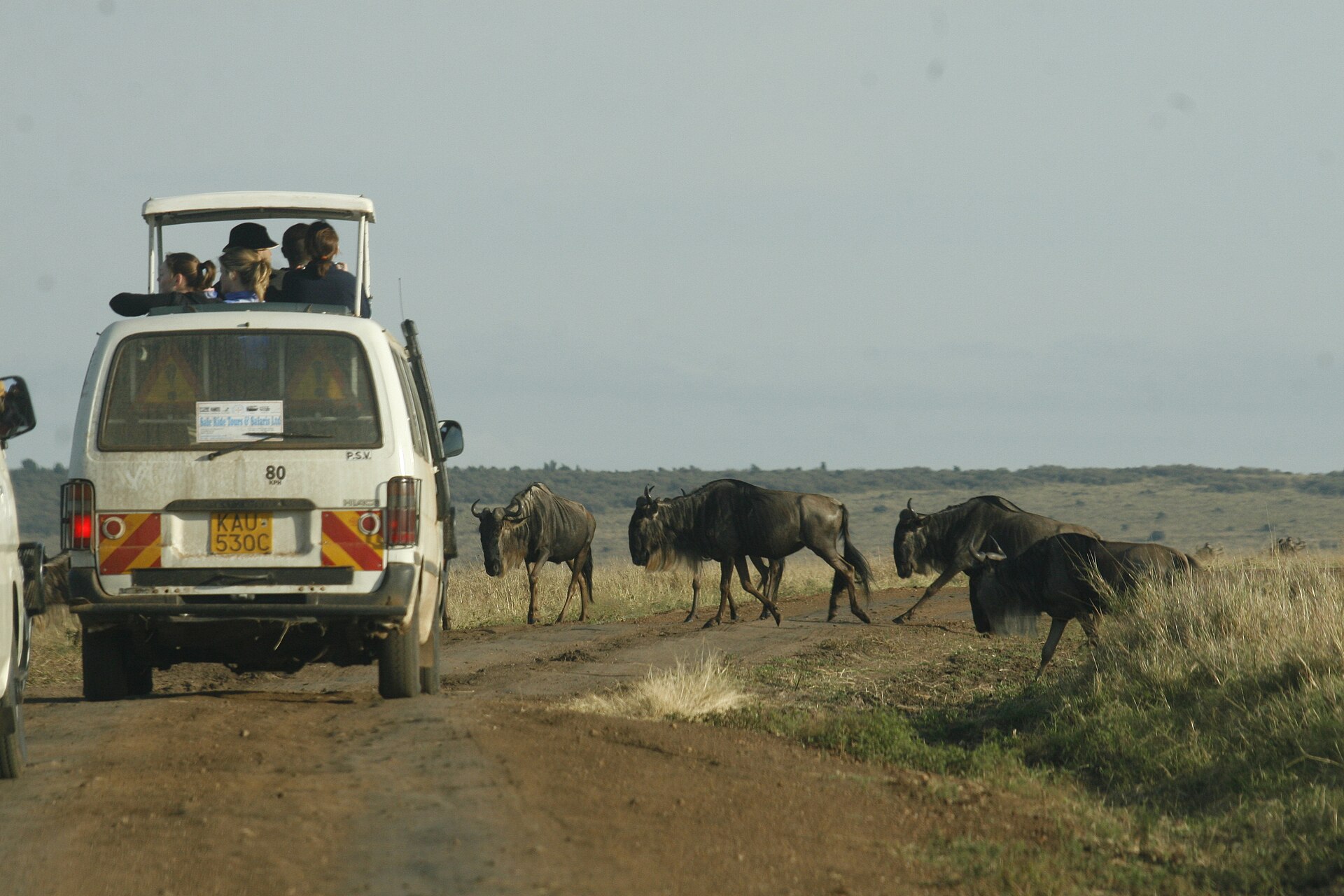

Treat a park road as a wildlife corridor rather than a scenic shortcut. Stop well back when an elephant, buffalo, giraffe or herd reaches the track. Leave the engine quiet, keep people inside and wait for the animal to choose its path. Never chase a sighting, squeeze between animals or drive across open ground for a better photograph. Confirm the gate, access fee, payment method and road condition with KWS or the reserve before the morning departure; park charges and systems are subject to change.
Rift Valley, rain and daylight margins
The road towards the Maasai Mara and through the Great Rift Valley can look easy in a photograph while still requiring a full day. A paved section can end at a rough approach, and a short rain shower can turn a dirt track into a slippery surface. A four-wheel-drive vehicle gives more clearance and traction, but it cannot make a flooded crossing safe. Ask the lodge about the final kilometres, a spare tyre, recovery support and a reliable meeting point before leaving a main road.
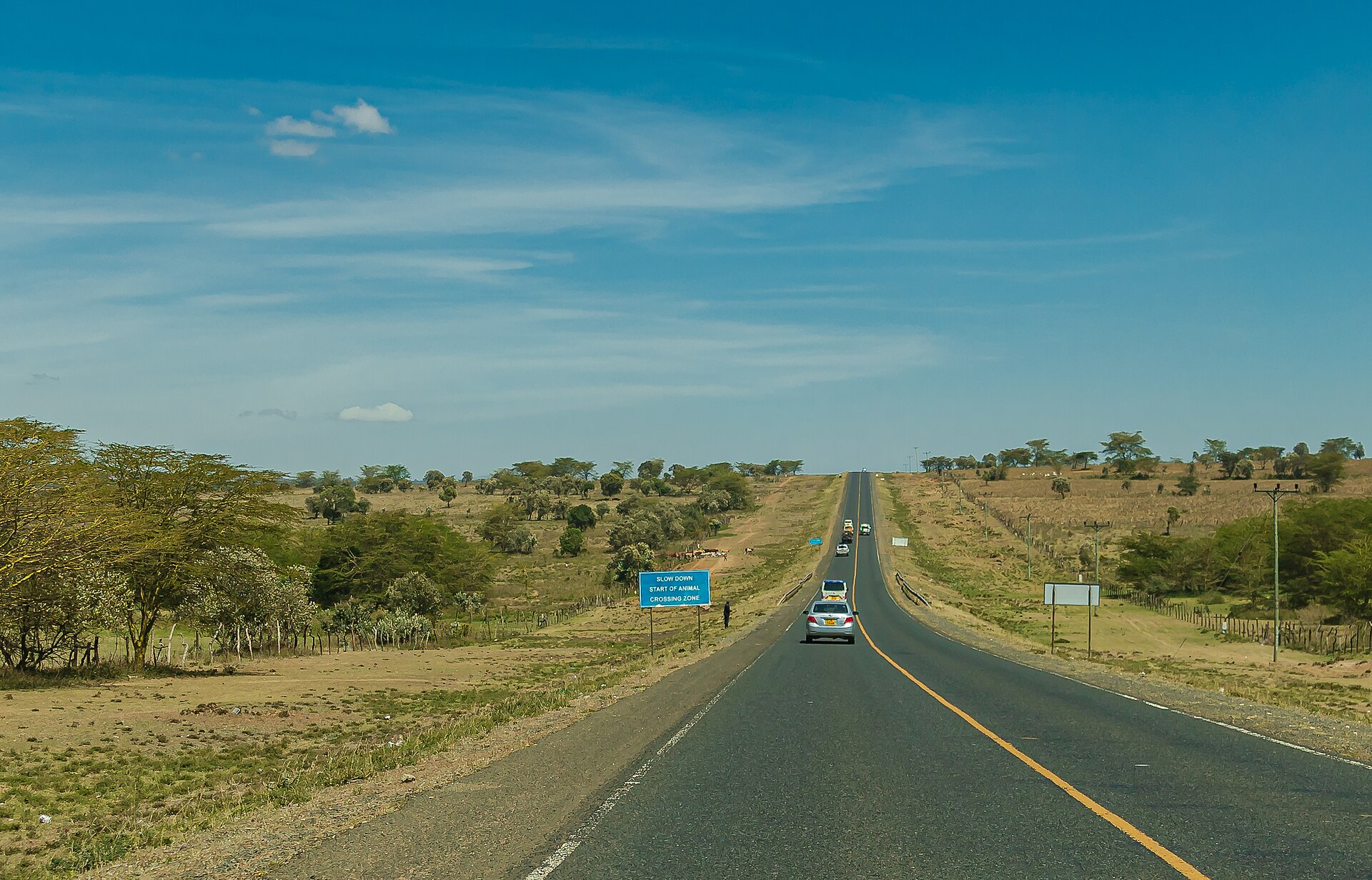

The Kenya Meteorological Department publishes warnings for heavy rain, flooding, poor visibility and strong winds. Check the warning page before a highland, escarpment or low-lying coastal stage. Do not cross moving water or a road whose edge has disappeared under runoff. Landslide-prone slopes deserve a conservative plan after heavy rain. Aim to reach rural accommodation and park gates in daylight, with enough fuel and phone battery to turn around before the road becomes a night drive.
Fuel, parking and vehicle checks
Refuel in a larger town before a remote stage and confirm whether the rental car takes petrol or diesel. Carry a little local cash for small stations, but do not assume a station is open late. A spare wheel, jack, tyre-pressure gauge, tow point, working lights and a charged phone matter more on a park road than a large engine. For a long route, ask whether the insurer covers recovery outside tarmac and whether the vehicle has a second spare.
In Nairobi and Mombasa, use hotel, mall or marked off-street parking and remove bags from view. Ask staff which lot is authorised rather than accepting an unsolicited guide. Do not block a gate, matatu stop, ferry queue or passing place. At a lodge, park where staff direct you and do not walk around after dark without following its wildlife guidance.
Emergencies and the handover record
Save these numbers before driving:
| Service | Number |
|---|---|
| National emergency response | 999 / 112 / 911 |
| Nairobi Expressway service | +254 111 039 777 |
| Nairobi Expressway rescue | +254 111 039 888 |
| Rental-company roadside help | On the contract and key tag |
The National Police Service service standards list 999, 112 and 911 for emergencies. Give the operator the road number, direction, nearest town, vehicle plate and a map pin. After a collision, move out of a live lane only if it is safe, call the police and rental company, photograph the scene from a safe position and follow the contract’s reporting procedure. Do not promise cash or accept an unrecorded settlement at the roadside.
At return, photograph the same panels, tyres, fuel level, odometer and keys recorded at pickup. Keep toll receipts, an incident number and the final rental statement together. This record is useful when a toll or damage note is processed after the vehicle has left the branch.
Official sources and review date
This page was reviewed on 17 August 2026. Licence validity and translation use the Kenya Traffic Rules and driving-licence rules. Expressway payment, restrictions and rescue contacts use the Nairobi Expressway operator. Park speed, distance, vehicle and gate guidance use Kenya Wildlife Service. Weather warnings use the Kenya Meteorological Department, traffic-offence context uses NTSA, and emergency numbers use the National Police Service. Laws, toll rates, park fees, road conditions and rental terms can change, so open the named authority again before departure.
Related destinations
Frequently Asked Questions
- Can I drive in Kenya with my home-country licence?
- Kenya Traffic Rules recognise a valid domestic driving permit issued outside Kenya to a non-resident for up to 90 days from entry. Carry the original licence and passport, and check the rental company's document policy before booking.
- Do I need an International Driving Permit in Kenya?
- An IDP or convention driving permit is recognised, but the law does not make an IDP the only route for every non-resident. If the licence is not in English or does not follow the 1968 Convention format, the rules require a translation when it is not accompanied by an IDP.
- Which side of the road does Kenya use?
- Kenya drives on the left. Practise the first turns, roundabouts and mirror checks near the rental branch before joining Nairobi traffic or a busy intercity road.
- How does the Nairobi Expressway toll work?
- The operator offers ETC with an on-board unit and MTC at the toll stations. MTC users can use a pre-loaded card, cash or mobile money. Rates depend on the vehicle class and entry and exit points, so check the operator's current schedule.
- Can motorcycles or three-wheelers use the Nairobi Expressway?
- No. The Nairobi Expressway FAQ says two- and three-wheeled motor vehicles are not allowed. Confirm access rules and the rental vehicle's class before choosing the route.
- What speed applies inside a Kenyan national park?
- KWS park guidance sets a maximum of 40 km/h. Stay on established roads, keep at least 20 metres from wildlife, and slow further when the surface, visibility or animal behaviour requires it.
- Can I get out of the car on a safari drive?
- Remain in the vehicle except at a designated stopping place or another area authorised by park staff. Do not feed animals, hoot, drive off-road or use a vehicle to block an animal's path.
- Is it safe to drive at night in Kenya?
- Night driving outside the main towns adds pedestrians, cyclists, unlit vehicles, animals and potholes to a route that may already be unfamiliar. Set a daylight arrival time for a park gate, rural lodge or coastal transfer.
- What should I do when heavy rain reaches the road?
- Check Kenya Meteorological Department warnings before a long stage. Slow down for poor visibility, never drive into moving floodwater, and postpone a mountain or low-lying crossing if the local road authority or lodge reports flooding.
- Which emergency numbers should visitors save?
- The National Police Service lists 999, 112 and 911 for emergencies. Save the rental company's roadside number and the Nairobi Expressway rescue line (+254 111 039 888) separately, because an operator can locate a disabled vehicle more quickly.
Information Sources & Disclaimer
This guide compiles information from the official transport authorities, road operators, government travel information, and automobile associations linked for Kenya.
While we strive to keep this information as accurate and up-to-date as possible (last reviewed: August 2026), traffic laws and toll rates can change without notice. We recommend verifying critical information with the local authorities or your car rental agency upon arrival.
Learn more about our Editorial Process →Compare Your Origin and Destination
Use the comparison tool to check driving side, units, documents, and other destination data for your route.