Choose the driving day before choosing the route
South Africa is easier to drive when a day has one clear purpose. A city transfer, a Garden Route stage and a Kruger game drive involve different risks, distances and stopping rules. Put long intercity transfers on their own day, leave daylight for the final approach, and confirm the last fuel stop before leaving a major town.
The official Department of Tourism road-safety tips are a useful baseline. They cover roadblocks, faulty traffic lights, seat belts, vehicle security and wildlife. Local conditions still matter, so ask the accommodation or rental desk about the exact suburb, pass or park entrance you will use.
Licences, IDPs and the rental counter
South Africa’s Department of International Relations and Cooperation says a full licence from your country of residence is accepted when it is in English. If it is in another language, carry an International Driving Permit or a sworn English translation; the IDP supplements the original licence and does not replace it.
Treat the schema field idpRequired as a blanket-rule indicator, not as a substitute for the rental contract. The rental counter may still require an IDP, a translation, a passport, a credit card in the main driver’s name, or a minimum licence-holding period. Email the branch before arrival, especially when the licence uses a non-Latin script. Keep the original documents in the car during the trip and store scans securely for an emergency.
Before leaving the depot, photograph every existing mark, check the spare wheel and warning triangle, test the lights and tyres, and confirm how tolls, traffic fines, windscreen damage and roadside assistance are billed.
Rules that matter at the next junction
Traffic keeps left and overtaking is normally on the right. At a roundabout, follow the lane arrows, move clockwise and give way according to the signs and markings. At a traffic light failure, South African road guidance calls for a four-way stop: the first vehicle to stop proceeds first, and vehicles arriving together proceed from the right. Slow down rather than trying to guess what a queue will do.
Seat belts are required for every occupant. Do not hold a handheld phone while driving. A child under three needs an appropriate restraint. Pedestrians, cyclists, livestock and minibus taxis can appear with little warning, particularly near settlements and on the shoulder of an N-road. Leave room for a taxi to stop, and never pass a vehicle that has stopped for people crossing until you can see the road.
The RTMC road-safety report records a blood-alcohol limit below 0.05 g/100 ml for ordinary drivers and below 0.02 g/100 ml for professional drivers. The practical choice for a self-drive day is zero alcohol. A marked roadblock is not an invitation to pay cash: keep your documents ready, follow the officer’s instructions, and use official channels for any fine.
Speed limits, surfaces and the long corridors
The national defaults are useful for planning, not permission to ignore a sign:
| Road context | Default limit |
|---|---|
| Urban area | 60 km/h |
| Outside an urban area, non-freeway | 100 km/h |
| Freeway | 120 km/h |
The RTMC report lists these defaults. Town entries, school zones, road works, mountain passes and wet-weather restrictions can be lower. N-roads are the main national corridors, while R-roads range from smooth regional links to narrow gravel sections. After rain, watch for potholes, standing water, washboard gravel and a bridge that has become impassable. Do not plan to cover a long distance at the maximum limit when the route includes towns or mountain passes.
The N1, N2, N3 and N4 connect the largest cities, but a map line is not a realistic timetable. Add stops for fuel, food, driver changes and a daylight arrival. Download maps before entering the Karoo, Northern Cape or remote Eastern Cape, where mobile coverage and opening hours can be uneven.
The Garden Route and mountain passes
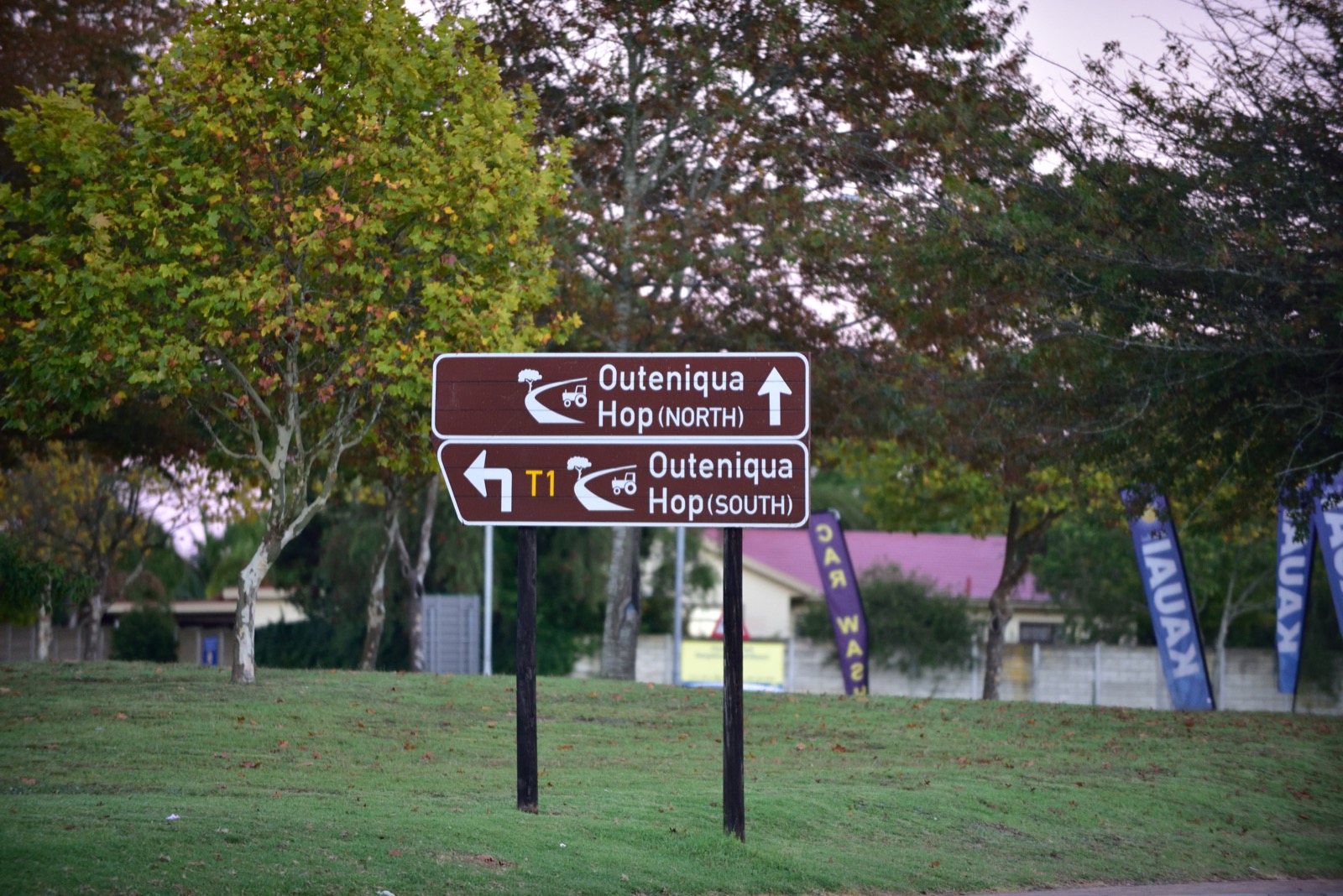
The official South African Tourism Garden Route guide describes the N2 corridor from Heidelberg in the Southern Cape to Storms River Village at the Eastern Cape border. It is a route between towns, forests, lagoons and coast, not one continuous roadside attraction. Choose two or three bases, then check the final road and parking conditions with each host.
.jpg)
Mountain weather can change faster than a coastal forecast suggests. Check South African Weather Service warnings before a pass crossing, and allow time for fog, wind, cyclists and slow trucks. The existing Garden Route seven-day route guide gives a day-by-day structure; the rental, toll and safety guide covers the practical booking questions.
Toll plazas and the Gauteng change
The Gauteng Freeway Improvement Project gantry charges were switched off in April 2024. The South African Government announcement confirms that change, but it does not make every South African road toll-free. Conventional plazas remain on routes operated by SANRAL and other concessionaires.
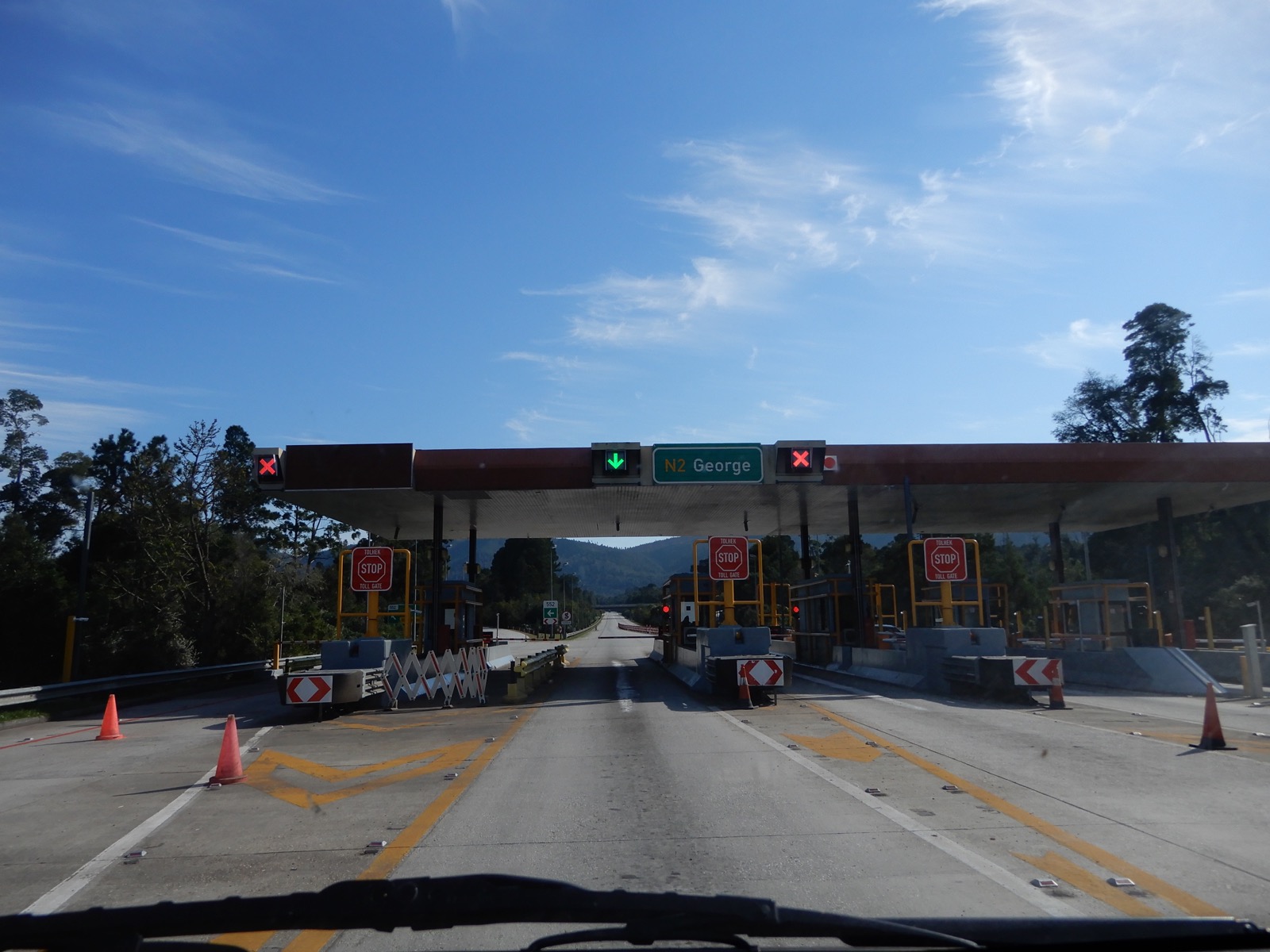

Check the route and operator in the SANRAL Mobility Account, then ask the rental company whether its vehicle has a tag and whether the charge appears later on your card. Conventional lanes, tag lanes and payment methods differ by plaza. For current amounts, use SANRAL’s published 2026 to 2027 toll tariff. The rental, toll and safety guide is a useful checklist before collection.
City driving, parking and personal security
Security advice should be specific to the street and time, not a country-wide label. In an unfamiliar city, drive in daylight, keep doors locked and windows up at long traffic lights, place bags in the boot before leaving, and use a marked, guarded or gated car park. The Department of Tourism and South African Police Service tourist tips both advise against isolated areas and visible valuables.
Ask the accommodation which fuel station, parking entrance and route to use. If a roadblock or stranger asks you to stop and the situation feels wrong, continue to a staffed petrol station or police station when it is lawful and safe to do so. Do not pick up hitchhikers. At viewpoints, a car guard may offer to watch the car; use your judgement, agree the amount first and do not leave luggage visible.
Minibus taxis are part of normal city traffic. Their stopping pattern is hard to predict, so keep a gap, avoid the blind spot and look for passengers stepping into the road. Pedestrians and cyclists can be more important to the next ten seconds of a city drive than the lane line.
Fuel, charging and vehicle checks
Refuel before a remote stretch rather than waiting for the tank warning. Major stations usually accept cards, while a little cash helps when a small station has a network outage. Full-service attendants pump the fuel, so check the fuel type and keep the receipt if the rental agreement asks for it.
EV charging is easier around large cities and main corridors than in the Karoo or far-north routes. Put every planned charger into the route, check opening hours, and keep a fallback fuel or charging stop. A spare tyre, jack, warning triangle, water, offline map and rental roadside number are sensible additions for any long stage.
Wildlife and national-park driving
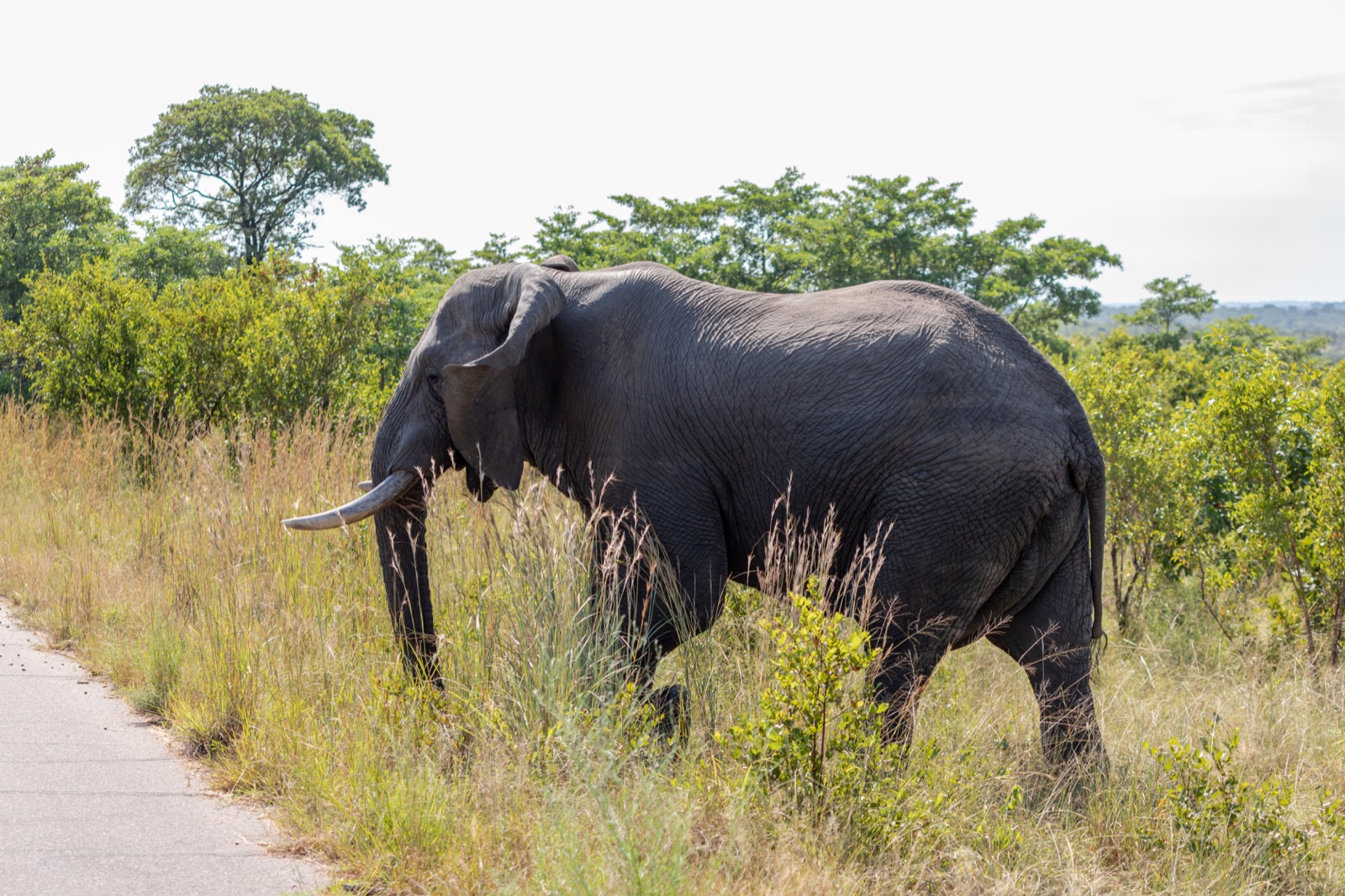
Outside reserves, slow down when you see wildlife or livestock warning signs and avoid swerving into oncoming traffic. Dawn and dusk need extra attention. In a park, an animal has priority even when the road appears empty.
,_Elefant_--_2024_--_0103.jpg)
The SANParks Kruger vital information page is the authority for a park day: stay in the vehicle except at designated areas, keep doors closed, use no more than 50 km/h on tar and 40 km/h on gravel, and obey the gate time printed on the permit. No off-road driving or feeding is allowed. Kruger is a malaria area, so obtain current health advice before travel. Park roadside assistance is listed as 0800 030 666; save it with the gate and camp contacts.
Weather, breakdowns and emergencies
Use the South African Weather Service for warnings before a long stage. Summer storms can flood low bridges and reduce visibility; winter fog, frost or snow can affect higher passes; strong coastal wind can move a vehicle on exposed roads. Never drive through moving water just because another car has crossed.
For a breakdown, move off the carriageway if possible, turn on hazard lights and remain away from traffic. Call the rental roadside service first, then emergency services when anyone is injured or the road is blocked. Police are 10111, ambulance and fire are 10177, and 112 may connect from a mobile. In Kruger, follow the ranger or park-control procedure.
Sources and review date
This page was reviewed on 17 August 2026. Core checks used the DIRCO licence guidance, Department of Tourism safety guidance, RTMC road-safety report, Government e-toll announcement, SANRAL toll account and tariff pages, South African Tourism Garden Route guide and SANParks Kruger rules.
Related destinations
Frequently Asked Questions
- Do I need an International Driving Permit in South Africa?
- A full licence issued in English is generally valid. If your licence is in another language, carry an IDP or a competent English translation as well as the original. A rental company can set a stricter document policy, so check before collection.
- Which side of the road does South Africa drive on?
- Traffic keeps left. Roundabouts run clockwise; follow the lane arrows and give way as the signs or markings require, usually to traffic approaching from your right.
- What speed limits should I expect?
- The national defaults are 60 km/h in urban areas, 100 km/h outside urban areas on non-freeways, and 120 km/h on freeways. A posted lower limit always takes priority.
- Do I still pay Gauteng e-tolls?
- The Gauteng Freeway Improvement Project gantry charges ended in April 2024. Conventional toll plazas on routes such as the N2, N3 and N4 still operate, with payment and rental-tag arrangements varying by operator.
- Is self-driving in South Africa safe?
- Conditions vary by city, suburb and route. Drive in daylight on unfamiliar roads, keep doors locked, hide luggage, use marked or guarded parking, and ask your accommodation or rental company for current local advice.
- What should I do around minibus taxis?
- Leave a large following gap, expect sudden stops or lane changes, and avoid sitting beside a taxi when it is looking for passengers. Keep scanning for pedestrians and do not assume another driver will yield.
- Can I drive my own car in Kruger National Park?
- Yes on permitted roads. Stay in the vehicle except at designated areas, keep doors closed, obey the 50 km/h tar-road and 40 km/h gravel-road limits, and follow the gate time printed on your permit.
- What is the Garden Route?
- The official Garden Route follows the N2 from Heidelberg in the Southern Cape to Storms River Village at the Eastern Cape border. Garden Route National Park links the coastal ecosystems around Wilderness and Tsitsikamma.
- Which documents should stay in the car?
- Carry your original driving licence, any IDP or translation, passport or accepted identity document, rental agreement and insurance or roadside-assistance details. Keep digital copies in secure storage, not as a substitute for originals.
- What are the emergency numbers?
- Police use 10111, ambulance and fire use 10177, and 112 can connect from a mobile phone. In a national park, follow the park's own emergency and ranger instructions as well.
Information Sources & Disclaimer
This guide compiles information from the official transport authorities, road operators, government travel information, and automobile associations linked for South Africa.
While we strive to keep this information as accurate and up-to-date as possible (last reviewed: August 2026), traffic laws and toll rates can change without notice. We recommend verifying critical information with the local authorities or your car rental agency upon arrival.
Learn more about our Editorial Process →Compare Your Origin and Destination
Use the comparison tool to check driving side, units, documents, and other destination data for your route.