Decide whether the car earns its space
Macau is a compact special administrative region on the western side of the Pearl River Delta. The tourism office gives its current area as 33.4 km², made up of the Macau Peninsula, Taipa, Coloane, Cotai and newer reclaimed zones. Distances are short, but a car still takes planning because the peninsula has narrow one-way streets, bus lanes, motorcycles and limited parking.
The useful split is between the peninsula, where a parked car is often a burden, and a Taipa–Cotai–Coloane day, where a vehicle can help with a few stops outside the busiest hotel corridors. The LRT, public buses, taxis and hotel or casino shuttles cover much of the same ground. Treat driving as a tool for a specific route rather than the default way to see Macau.
Licence, IDP and the 14-day rule
Macau’s official visitor guidance does not support a single IDP answer for every nationality. The government registration service covers holders of a mainland Chinese driving licence, a convention IDP that Macau can use, or an equivalent foreign driving licence. A visitor who drives for the first 14 days does not need that registration; someone who remains in Macau and continues driving after day 14 must register with the Public Security Police Force traffic department and carry the resulting slip.
Before reserving a car, check three things with the Macao Transport Bureau (DSAT) and the rental desk:
- whether the exact licence jurisdiction is accepted;
- whether an IDP, certified translation or another equivalent document must accompany it; and
- whether the rental policy imposes a stricter document or age rule than the public road law.
Carry the original licence, passport, entry document and rental agreement. The minimum driving age for the Macau registration service is 18, while rental companies can set a higher pickup age or surcharge. A digital photograph of a licence is not a substitute for the original document.
Rules that change the rhythm of a short drive
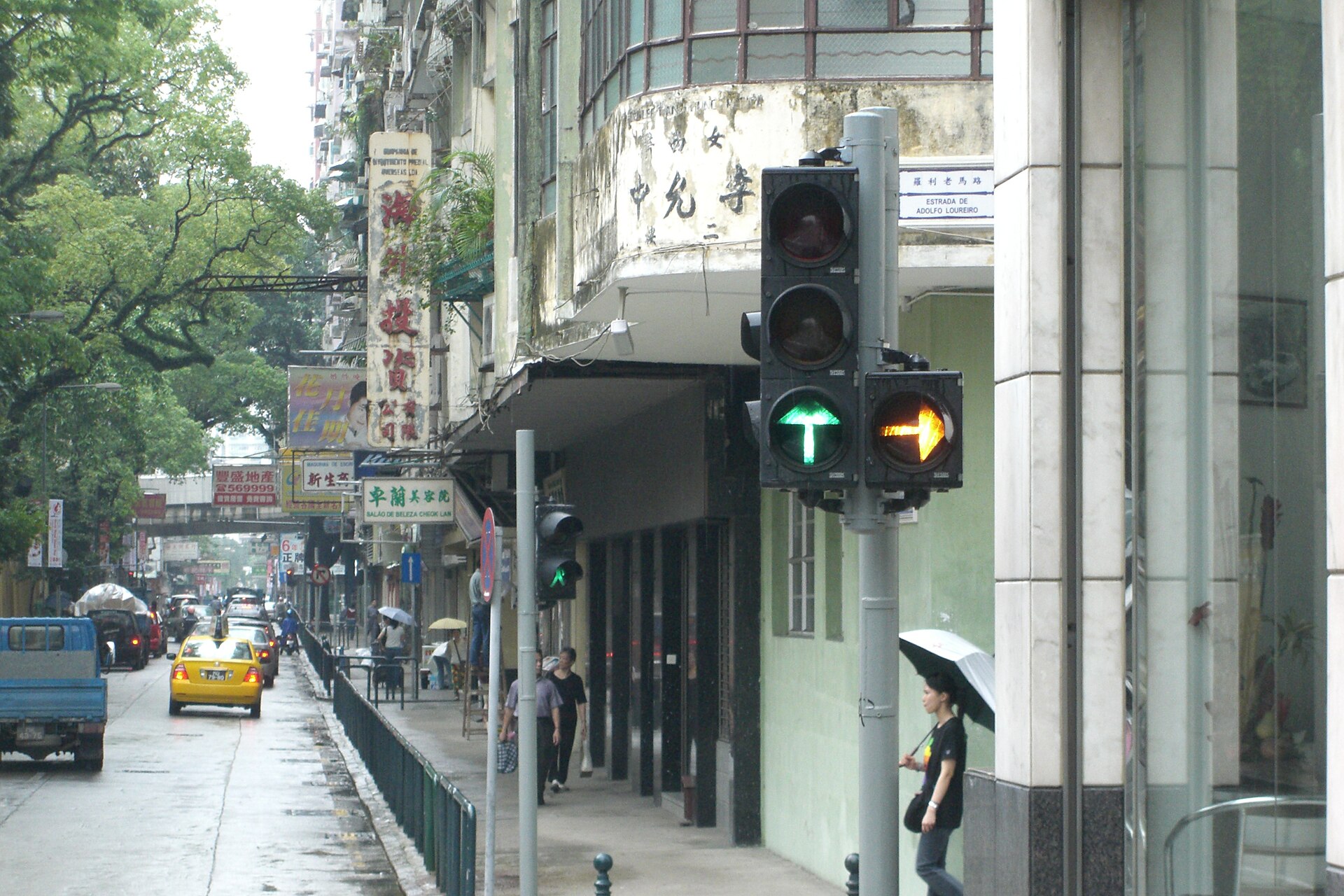
Macau keeps left-hand traffic. Chinese and Portuguese appear together on street signs, and the road environment changes quickly from a broad Cotai boulevard to a narrow peninsula lane. Keep the following habits:
- read the lane arrows and bus-lane markings before a junction, not after it;
- treat a one-way sign as a route constraint even when a navigation app suggests a shorter turn;
- leave space for motorcycles and buses, which can be harder to see in a mirror than a car;
- wear seat belts, do not handle a phone while driving, and plan zero alcohol before driving; and
- give pedestrians time at marked crossings and around the Historic Centre, where walking is often the practical way to continue.

Speed limits and bridge crossings
Use the posted sign as the legal limit. DSAT’s visitor guide gives 60 km/h as the general maximum for light cars on ordinary roads, while tunnels, ramps and bridge approaches can be lower. The current road environment includes limits of 20, 40, 50, 60 and 80 km/h depending on the vehicle, structure and section.
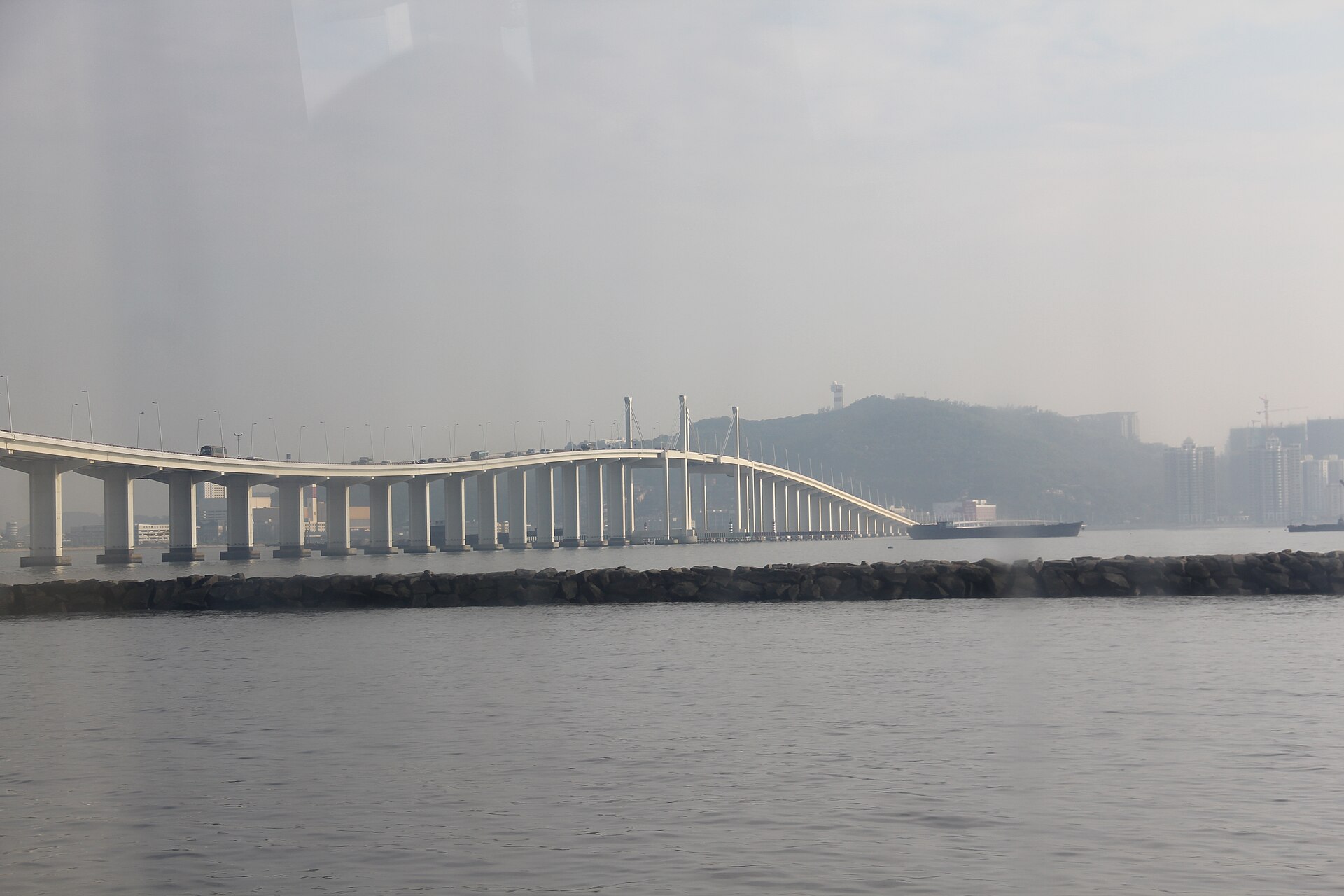
Macau Bridge is a useful example of why a single “city limit” is misleading. DSAT and the police describe separate 80, 60 and 40 km/h sections, including 40 km/h limits on some ramps and the motorcycle-only tunnel section. Speed cameras and section-control systems are in use. Slow down before the sign, not when the camera becomes visible.
The older Friendship Bridge and Sai Van Bridge are exposed links between the peninsula and the islands. Allow time for a queue to form at a bridge approach, especially during a weekday commute or event traffic. Check DSAT’s current road and traffic restrictions before a route that depends on one crossing.

Rain, typhoons and temporary closures
Macau’s bridges are the part of the road network most affected by severe weather. The Macao Meteorological and Geophysical Bureau warns that bridges can close at any time under a signal 8 tropical-cyclone warning. The lower deck of Sai Van Bridge can be opened for light passenger cars under an official emergency arrangement, but that is a managed exception with its own signs and a 40 km/h limit. It is not a route to plan in advance.
When a signal or heavy-rain warning is active, keep the car on the sheltered side of the itinerary, avoid waterfront stopping places, and check whether public transport has suspended service. The DSAT road notice page is also useful for ordinary construction closures, event traffic and temporary lane changes.
Parking, fuel and charging
Parking is the decision that makes or breaks a Macau driving day. The historic peninsula has a high concentration of narrow streets and pedestrian activity, while Cotai and Taipa have larger hotel and public garages. Choose a garage before departure and walk from there rather than circling the same block.
DSAT’s live public-car-park price table changes by facility and vehicle type. Many listed garages use daytime and night rates, often quoted per half-hour, and support some combination of Macau Pass, MPay, MPark, bank cards or other electronic payment. Read the sign at the entrance because the rate, grace period and payment method are not identical everywhere. Street bays, loading areas, bus stops and yellow curb markings are not a casual parking option; illegal parking can result in a fine or removal.
Fuel stations exist on the peninsula, Taipa and Coloane, but the network is small enough that an unfamiliar rental should start with a known fuel level. EV charging is expanding through public and private car parks, yet connector, payment and access rules vary. Confirm the fuel type or charging arrangement at pickup, and save the rental provider’s roadside number offline.
Tolls and cross-border driving
There is no routine toll for ordinary driving inside Macau. The exception is a cross-boundary trip. The Hong Kong-Zhuhai-Macao Bridge driver guide lists a main-bridge toll of RMB 150 per light passenger vehicle per trip and separate payment rules. That charge is only one part of the journey: a private car also needs the correct quota or permit, border documents and legally valid insurance in the jurisdictions it enters.
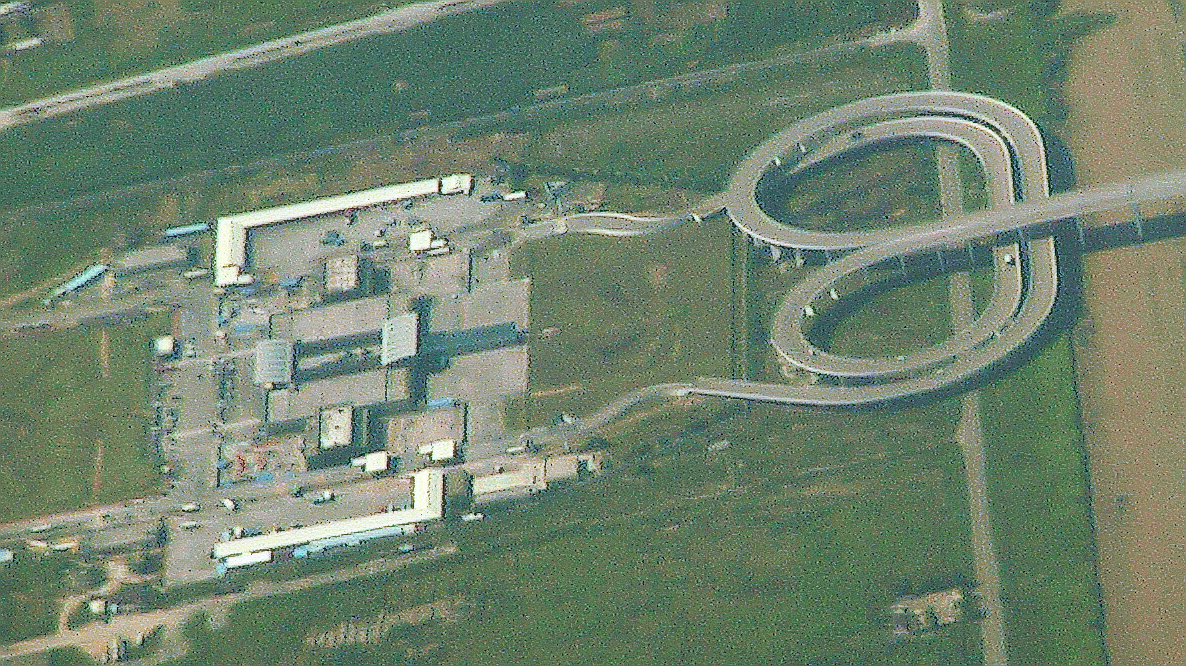
The Lotus Bridge image below makes the lane change visible. Macau drives on the left; mainland China drives on the right. A normal Macau rental contract does not grant permission to cross either border. For most visitors, the HZMB shuttle bus and cross-boundary coach services are simpler than arranging a permitted vehicle.

A rental checklist for a small territory
At pickup, photograph the wheels, bumpers, mirrors, windscreen and fuel or battery level. Confirm the permitted driving area, cross-border exclusion, insurance excess, roadside procedure, parking height limit and after-hours return instructions. A compact car is easier to place in an older garage, but check luggage space before choosing the smallest class.
Plan one parking stop for the peninsula and a separate route for Taipa and Coloane. Coloane Village, Hac Sa and the southern coastal roads are better suited to a slow, daylight loop than a rushed list of casino entrances. If the itinerary is mostly Senado Square, the Ruins of St. Paul’s and nearby museums, leave the car at the edge of the walking area.
Accidents and emergency numbers
Call 999 for an urgent police, fire or medical emergency. Macau’s government also states that calls to 110 and 112 are transferred to the same emergency line. Emergency SMS 6330 9999 is intended for people who cannot make a voice call; it is not a general text-chat service. For a non-emergency police enquiry, the Public Security Police Force lists +853 2857 3333.
After a collision, stop, switch on hazard lights and move away from traffic only if it is safe. Call 999, photograph the lane position and damage, exchange the other driver’s details, and call the rental company before agreeing to a repair or leaving the scene. Give the operator the road name, direction, nearby bridge or junction and the vehicle registration number.
Official sources and review date
This page was reviewed on 17 August 2026. The licence and 14-day registration guidance uses the Macao government registration service for mainland and foreign licences and its Chinese service page. Speed and visitor-driving guidance uses the DSAT visitor guide and the Macau Bridge speed-camera notice. Parking uses DSAT’s public car-park table. Weather and bridge-closure advice uses the Macao Meteorological and Geophysical Bureau and its tropical-cyclone safety guidance. Cross-border details use the HZMB driver guide and public transport page. Emergency numbers use the Macao government emergency service. Recheck signs, road closures, weather, licence acceptance, insurance and rental exclusions for the actual travel date.
Related destinations
Frequently Asked Questions
- Do I need an International Driving Permit to drive in Macau?
- Not every visitor needs the same document. Macau accepts certain foreign licences and International Driving Permits recognised under the Road Traffic Convention. Carry the original licence, passport and any required IDP or certified equivalent, then confirm the exact document with DSAT and the rental company before booking.
- Do I need to register a foreign licence in Macau?
- The Macao government says holders of a qualifying mainland Chinese licence, convention IDP or equivalent foreign licence do not need registration for the first 14 days. If you will stay longer and keep driving, register with the Public Security Police Force traffic department and carry the registration slip.
- Is it worth renting a car in Macau?
- Usually not for a peninsula sightseeing day. Buses, taxis, the LRT and hotel or casino shuttles cover the main visitor areas. A small rental can make sense for a planned Taipa and Coloane day, provided you reserve parking before leaving the peninsula.
- What side of the road does Macau use?
- Macau drives on the left. The peninsula also has many one-way streets, bus lanes and bilingual Chinese-Portuguese signs, so choose the lane early and do not rely on a last-second GPS instruction.
- What are the speed limits in Macau?
- The general maximum for light cars on ordinary roads is 60 km/h, but tunnels, ramps and bridge sections can be 20, 40, 50, 60 or 80 km/h. The signs on the road take priority. Macau Bridge uses different 80, 60 and 40 km/h sections with speed detection.
- Are there toll roads in Macau?
- Ordinary roads and local bridges do not use a routine visitor toll. The Hong Kong-Zhuhai-Macao Bridge main bridge has a separate cross-boundary toll, and driving a private car across the border also requires permits and the correct insurance.
- How does parking work in Macau?
- Use a public car park, a hotel garage or a casino garage rather than circling the historic centre. DSAT's official table lists different daytime and night rates by facility, commonly charged per half-hour, with electronic payment options such as MPay, Macau Pass or MPark at many sites.
- Can I drive into mainland China or Hong Kong in a Macau rental car?
- A normal rental agreement does not give cross-border permission. The Lotus Bridge and the Hong Kong-Zhuhai-Macao Bridge have separate border controls, vehicle permits and insurance requirements. Most visitors leave the rental car in Macau and use a shuttle bus or cross-boundary coach.
- What happens when a typhoon signal 8 is hoisted?
- Bridges may close at short notice when a signal 8 is in force. Follow the Macao Meteorological and Geophysical Bureau and DSAT notices, avoid an exposed bridge crossing, and never assume the Sai Van Bridge lower deck is open unless authorities announce the temporary arrangement.
- What is Macau's emergency number?
- Call 999 for urgent police, fire or medical assistance. Calls to 110 and 112 are transferred to the same emergency line. The government also lists emergency SMS 6330 9999 for people who cannot make a voice call.
Information Sources & Disclaimer
This guide compiles information from the official transport authorities, road operators, government travel information, and automobile associations linked for Macau, China.
While we strive to keep this information as accurate and up-to-date as possible (last reviewed: August 2026), traffic laws and toll rates can change without notice. We recommend verifying critical information with the local authorities or your car rental agency upon arrival.
Learn more about our Editorial Process →Compare Your Origin and Destination
Use the comparison tool to check driving side, units, documents, and other destination data for your route.