Decide whether the day needs a car
Singapore is compact, yet a rental car is not automatically the fastest way around. The MRT, buses, taxis and ride-hailing cover the central districts well. A car earns its place on a day with several stops at the island’s edges, heavy luggage, equipment, an industrial estate or a nature area with limited public-transport connections. For the CBD, Orchard and Marina Bay, add parking and ERP to the travel time before deciding.
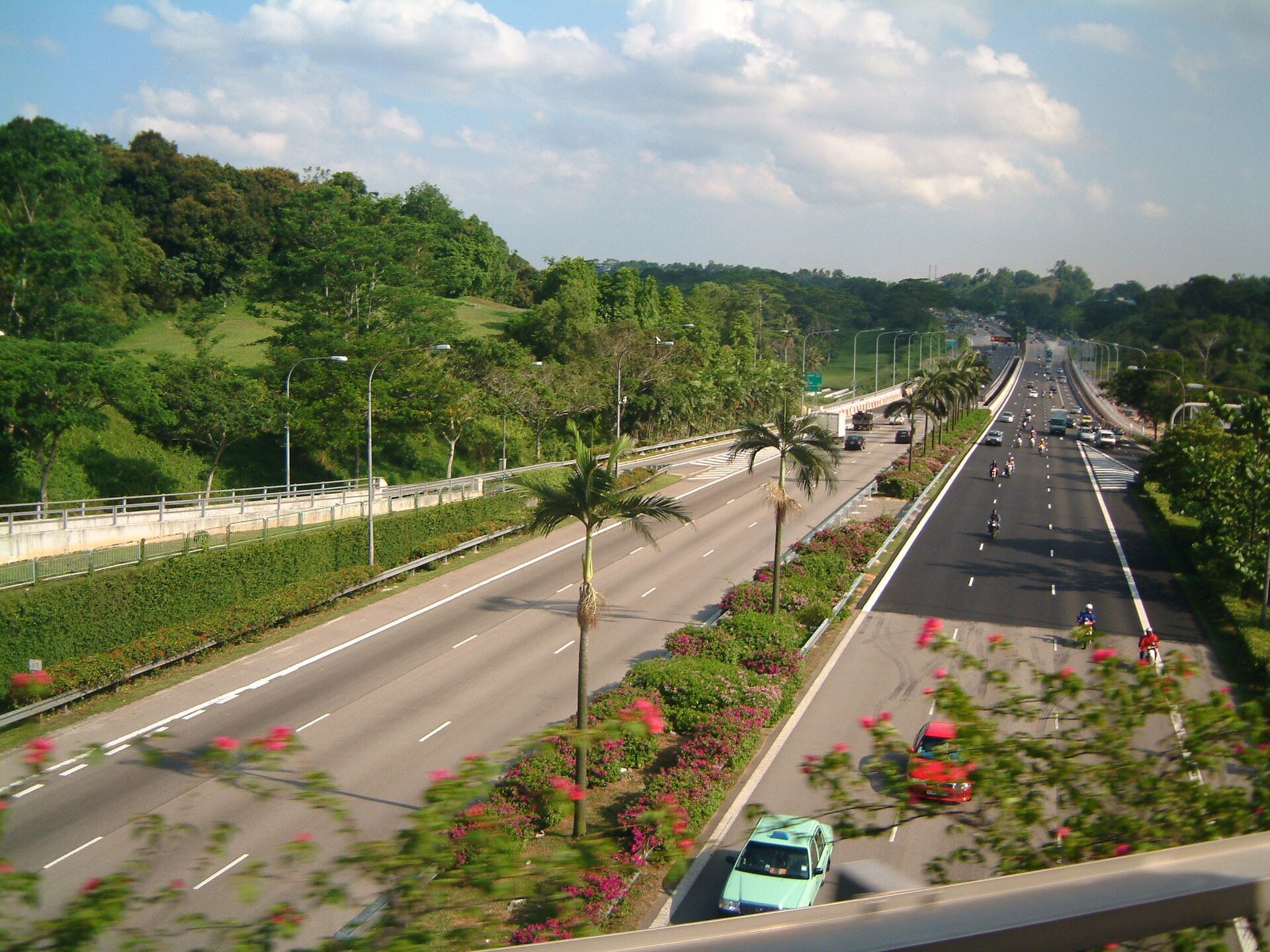
Singapore drives on the left. The road surface and signs are generally clear, but junctions can place a turning lane, bus lane and ERP charge in the same short stretch. Set the route before moving, keep left on an expressway unless overtaking, and leave room for motorcycles and buses when changing lanes.

Foreign licences, IDPs and rental documents
The Singapore Police Force guidance on foreign licences is more precise than a blanket “IDP required” label. A foreigner residing in Singapore for less than 12 months generally needs a valid foreign licence and either an IDP issued by an authorised body in the country of origin or an official English translation. A foreign licence issued by an ASEAN member state does not need an IDP under that guidance. Foreigners residing for more than 12 months, and certain Work Permit or S Pass holders, must convert to a Singapore licence.
Bring the physical licence, passport, rental confirmation and the original IDP or translation. The IDP must accompany the home licence; it does not replace it. A rental company can ask for a passport, a second identity document, a credit card for the deposit or a longer licence-holding period than the law. The legal minimum driving age is 18, while many rental desks set 21 or 25 and apply a young-driver fee.
Check the licence class and the vehicle category before paying. Photograph the bodywork, wheels, fuel gauge, mileage and the IU/OBU or card supplied with the car. Keep the vehicle registration and insurance documents in the glovebox.
Rules that matter on a short trip
The LTA driving-rules page is the best pre-trip checklist. Singapore’s traffic penalties include fines and demerit points, so a visitor should treat the signs as instructions rather than suggestions.
- At a junction, follow the lane arrow and signal early. At a roundabout, give way to traffic already circulating and keep the left-side pattern in mind.
- Stop for pedestrians at a zebra crossing and watch for cyclists, motorcycles and buses beside the kerb.
- Every fitted seat belt must be used. Reserve a compliant child restraint with the rental company and confirm how it is installed.
- The prescribed limit is 80 mg of alcohol per 100 ml of blood or 35 micrograms per 100 ml of breath. The Traffic Police basic-theory material also warns that a driver can be charged below the limit if alcohol has impaired control. The simple rule is: if you drink, do not drive.
- Handheld phone use, texting and browsing while driving are prohibited. Set navigation while parked and use a mounted hands-free setup.
- Do not stop in a bus lane, at a fire hydrant, near a junction or across a yellow zig-zag line. Read the plate and time restrictions before leaving the car.
Speed limits and special zones
Unless a sign says otherwise, the default speed limit on Singapore roads is 50 km/h. The LTA rule page provides a live sign-check tool rather than a single national table. Expressways have their own posted limits, and ordinary roads can show 30, 40, 50, 60 or 70 km/h.
School Zones have lower limits and additional markings. From 1 January 2026, lower limits in some Enhanced School Zones apply throughout the day. Silver Zones use 30 or 40 km/h signs with traffic-calming features. A lower sign overrides the default, even when the road looks empty.
ERP 2.0 and other vehicle charges
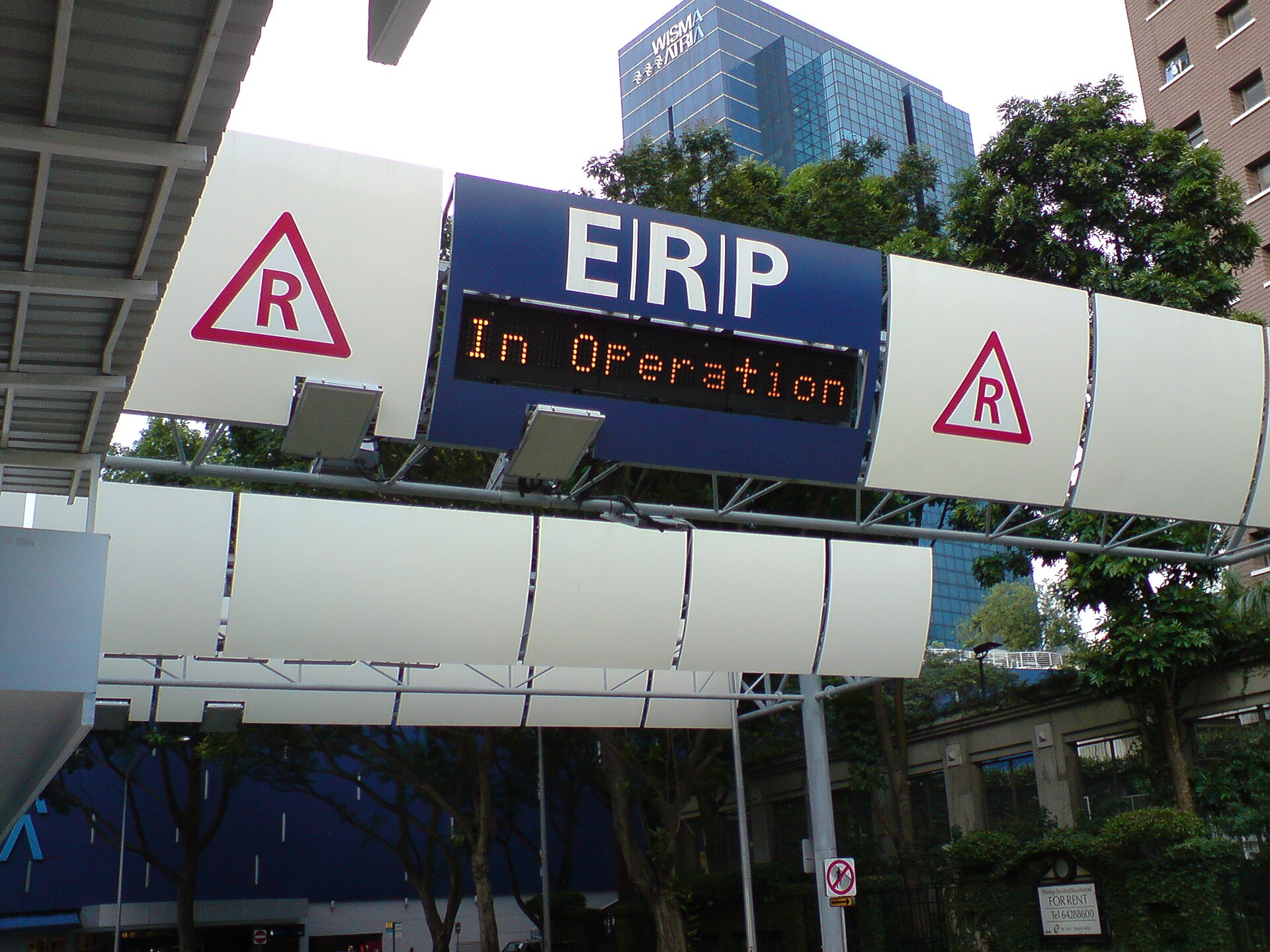
ERP is a time-and-location congestion charge. The system is in transition: LTA’s ERP 2.0 page describes a GNSS-based OBU that will replace the older IU arrangement, while the ERP payment page says IU use is being phased out by the end of 2026. During the transition, vehicles on the road can have different equipment.
At the rental desk ask:
- Is the vehicle using an IU, an OBU or a backend payment service?
- Which card or account pays ERP and private-car-park charges?
- What administration fee is added to each missed payment or transaction?
From 1 January 2027, LTA says a foreign-registered vehicle entering without an OBU will pay a flat ERP fee for each operational day it travels in Singapore: S$3 for a motorcycle and S$10 for other vehicles. That future rule matters for a Malaysia-registered car; it is not a reason to assume that every Singapore rental car has the same equipment today.

Parking: read the sign at the entrance
The LTA parking page lists three common payment routes: Parking.sg at coupon car parks, a displayed coupon where the app is not used, and stored-value cards at gantry car parks. HDB and URA sites, shopping malls and private garages can have different rates and operating hours. A “free” period in a mall is usually tied to the operator’s own conditions.
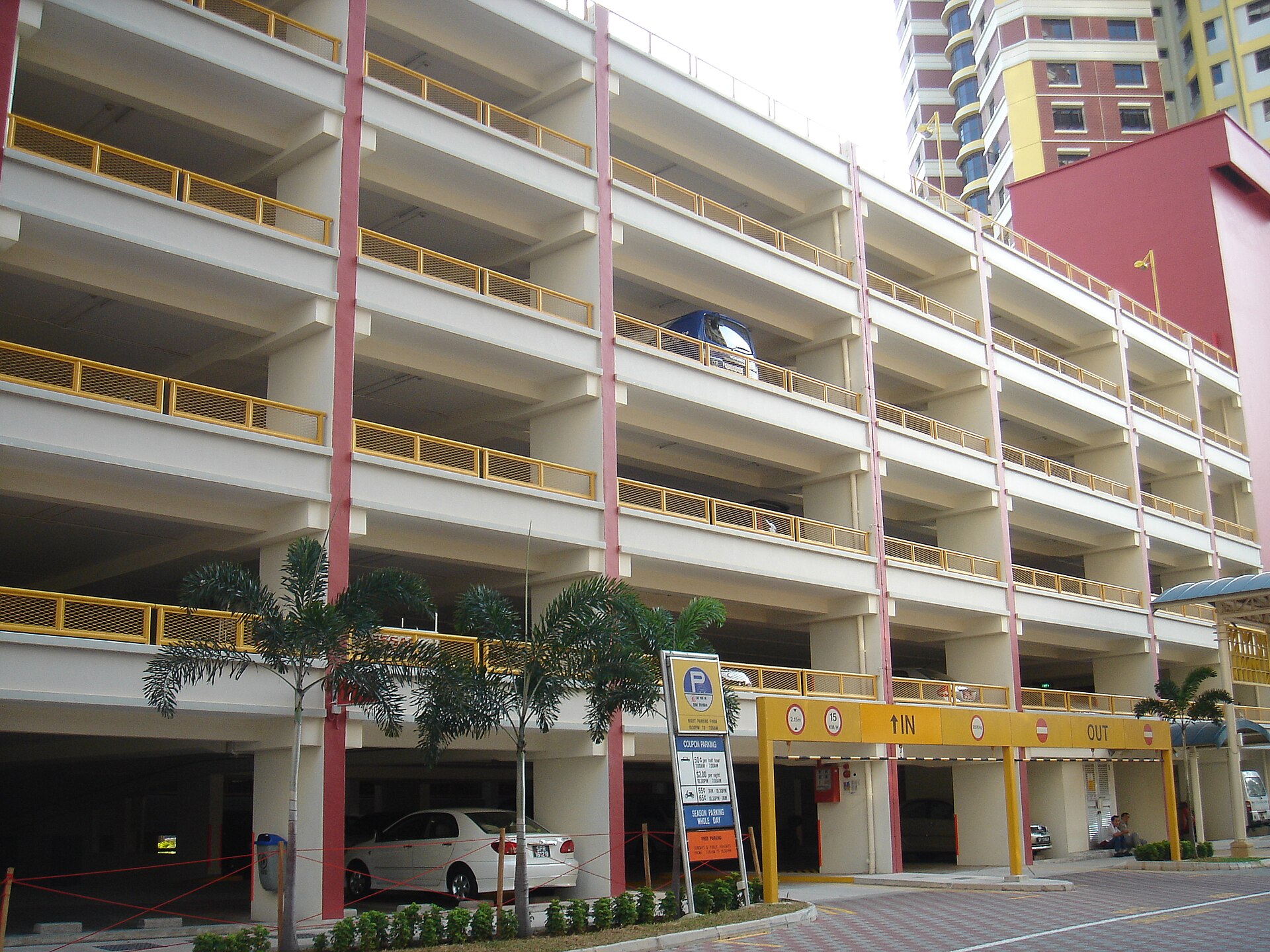

Before walking away, check whether the lot is for season parking, loading, taxis, motorcycles or accessible use. Do not park within the restricted distances shown on the LTA page, even for a quick stop. Keep the rental registration number handy when entering it in Parking.sg or a car-park machine. If a private car park does not support your normal backend payment, keep the accepted CEPAS or stored-value card available.
Expressways, checkpoints and useful driving days
The main expressways include the CTE, PIE, ECP, AYE, KPE, SLE and BKE. They are easy to follow once the exit is chosen, but a late lane change can be difficult. Use OneMotoring traffic information for incidents, roadworks, cameras, ERP locations and the Parking Guidance System. The map can also show flash-flood and heavy-traffic alerts.
Driving can make sense for a northern checkpoint run, Changi and the east coast, several industrial estates, or a day combining Mandai with other outlying stops. It is less useful for a CBD itinerary. If going to Pulau Ubin, remember that the vehicle cannot go onto the island; leave it at Changi Village and use the boat.
Malaysia and foreign-registered vehicles
For a Singapore rental car, cross-border travel requires written permission, insurance confirmation and the correct vehicle papers. The LTA VEP/Autopass application is for Malaysia- or Thailand-registered cars and motorcycles. Such a vehicle needs LTA approval, a valid Autopass card, road tax and insurance. The card records entry and exit and pays applicable fees, tolls and ERP charges.
The ICA three-quarter-tank rule applies to Singapore-registered vehicles leaving through Woodlands or Tuas. It is easy to misread this as a rule for every rental vehicle, so check the registration country and the rental contract before crossing.
Weather, fuel and electric charging
Heavy rain can arrive quickly. The Meteorological Service heavy-rain warning and PUB flood-response information are more useful than a generic “monsoon” note. Reduce speed, increase following distance and never drive through water whose depth or road edge cannot be seen. OneMotoring may mark a flash-flood or road-closure alert.
Petrol stations are common, but prices and discounts vary. Confirm whether the vehicle takes petrol or diesel and whether the fuel policy is full-to-full. EV charging is available at some car parks and commercial sites; check the connector, app and payment method before relying on a single charger. A low battery is inconvenient when the next stop is across the island during a storm.
If something goes wrong
Call 995 for fire, rescue or an emergency ambulance. Call 999 for immediate police assistance; the Singapore Police Force contact page also lists SMS 70999 when it is unsafe to speak. Give the operator the road name, direction, nearest exit or landmark and the number of injured people.
For a non-dangerous breakdown, use the rental company’s roadside-assistance number. Switch on hazard lights, stay behind a barrier only when it is safe, and do not stand in a live lane to photograph the car. After a collision, exchange names, registration and insurer details, photograph the scene and submit any required report through the rental company’s procedure. The Traffic Police accident-reporting page explains when a report is required.
Official resources and review date
- Singapore Police Force: foreign licences
- LTA: driving rules and speed limits
- LTA: ERP 2.0 and ERP payments
- LTA: parking
- LTA: VEP and Autopass and ICA: three-quarter-tank rule
- OneMotoring traffic information
- Weather warnings and PUB flood response
- International Driving Permit guide, rental insurance guide and left-side driving guide
Review date: 17 August 2026. Licence recognition, ERP equipment and payment, parking systems, VEP fees, roadworks and rental conditions can change; confirm the official links immediately before driving.
Related destinations
Frequently Asked Questions
- Do I need an International Driving Permit to drive in Singapore?
- There is no single rule for every foreign licence. A short-term foreign driver normally needs a valid home licence plus an IDP issued in the country of origin, or an official English translation if an IDP is unavailable. ASEAN licence holders do not need an IDP under Singapore Police guidance.
- How long can a visitor drive on a foreign licence?
- A foreigner residing in Singapore for less than 12 months can generally drive with a valid foreign licence and the required IDP or translation. Longer-term residents and certain work-pass holders must convert to a Singapore licence. Confirm your status with Traffic Police before the 12-month point.
- What is changing with ERP 2.0?
- Singapore is moving from the older in-vehicle unit and gantries to a GNSS-based On-Board Unit (OBU). Rental vehicles may be in different stages of the transition. Ask how ERP and missed-payment charges are handled; from 1 January 2027, a foreign-registered vehicle entering without an OBU will pay a flat ERP fee per operational day.
- What is the default speed limit in Singapore?
- Unless a sign says otherwise, the default for roads is 50 km/h. School Zones, Silver Zones, residential streets and expressways have posted limits that can be lower or higher. From 1 January 2026, some Enhanced School Zone limits apply all day.
- Is a rental car useful in Singapore?
- Usually only for a day with several stops outside the central area, bulky equipment or places with limited public-transport access. MRT, buses, taxis and ride-hailing are often easier for the CBD, Orchard and Marina Bay because parking and ERP add cost and planning.
- How do I pay for parking in Singapore?
- Use Parking.sg at coupon car parks, display a valid coupon if you do not use the app, or use the stored-value card accepted by a gantry car park. Read the sign at the entrance: HDB, URA, mall and private car parks can use different systems and rates.
- How are ERP charges billed to a rental car?
- Check whether the car has an IU or OBU, which payment card or backend service it uses, and what administration fee the rental company adds. Keep the final toll statement. Do not assume that a car with an old IU is on the same arrangement as an ERP 2.0 vehicle.
- Can I take a Singapore rental car to Malaysia?
- Only if the rental company gives written cross-border permission and the insurance and vehicle documents cover the trip. A Malaysia- or Thailand-registered vehicle entering Singapore needs LTA VEP approval, an Autopass card, valid road tax and insurance. The three-quarter-tank rule applies to Singapore-registered vehicles leaving by land checkpoint.
- What should I do in heavy rain?
- Slow down, increase the gap and avoid water covering the road. Check OneMotoring traffic alerts and the Meteorological Service's heavy-rain warning before driving to Changi, the northern checkpoints or low-lying roads. Turn around when visibility or the road surface becomes uncertain.
- Which emergency numbers should I use?
- Call 995 for fire, rescue or an emergency ambulance and 999 for immediate police assistance. For a non-dangerous breakdown, move to a safe place if possible and call the rental company's roadside-assistance number.
Information Sources & Disclaimer
This guide compiles information from the official transport authorities, road operators, government travel information, and automobile associations linked for Singapore.
While we strive to keep this information as accurate and up-to-date as possible (last reviewed: August 2026), traffic laws and toll rates can change without notice. We recommend verifying critical information with the local authorities or your car rental agency upon arrival.
Learn more about our Editorial Process →Compare Your Origin and Destination
Use the comparison tool to check driving side, units, documents, and other destination data for your route.