Start with the permit and the route
China is not a single self-drive rulebook for visitors. The first decision is whether the planned route and rental branch can support a foreign visitor at all. Mainland China does not accept an International Driving Permit on its own. Arrange the local temporary permit first, then check the cities, roads and vehicle contract that the permit actually covers.
The country drives on the right and uses kilometres per hour. A city loop around Beijing or Shanghai is a different driving job from a Yunnan mountain section or a long expressway transfer. The page below separates national rules from local examples so that a city notice is not mistaken for a nationwide rule.
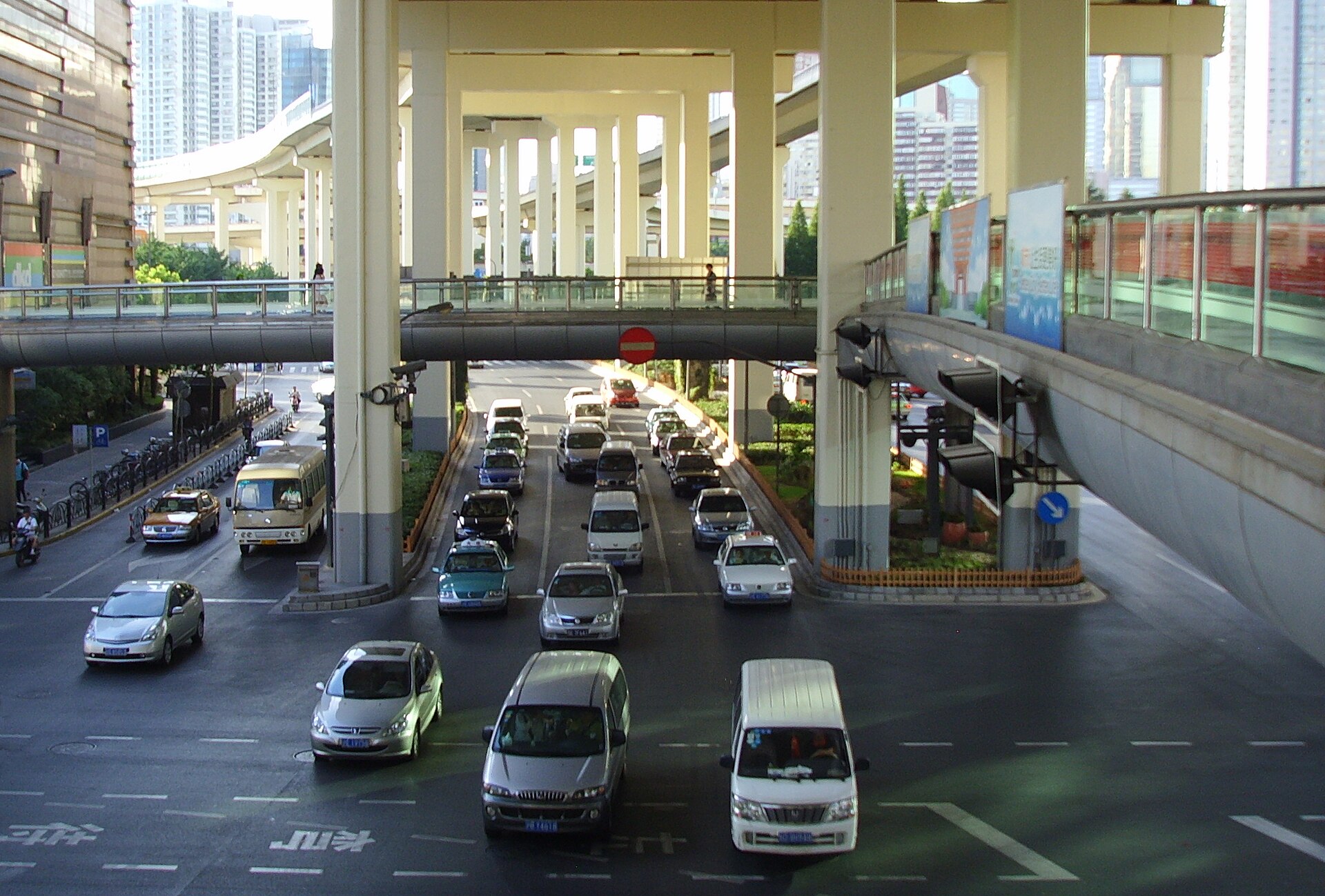

Foreign licences, temporary permits and the rental counter
The Beijing 12345 foreign-licence FAQ is a useful official example of the process. It says a temporary-entry driver applies at the traffic-management authority where the rental company is located. A foreign licence that is not in Chinese needs a qualified Chinese translation or a notarised translation, and a learner, provisional or temporary home-country licence is not accepted.
Beijing’s current inbound-tourism checklist lists a passport or entry document, valid licence, qualifying translation and two recent white-background photos. It also shows that service locations and visa or visa-free evidence matter. Another city may use a different office, booking path or document list, so send scans to the rental branch before paying a deposit.
The Beijing road-trip guidance explains that a visitor may drive a rented or own vehicle after obtaining the temporary permit and completing the required road-safety study. It is a local operational example, not permission to collect a car anywhere in China with an IDP. Carry the physical foreign licence, translation, passport and permit together.
At pickup, photograph the permit, registration, plate, fuel or battery level and every existing mark. Confirm the authorised drivers, deposit, insurance excess, roadside number, ETC billing, one-way return fee and whether the contract allows the provinces or autonomous regions on your itinerary. A rental company’s policy can be narrower than the legal permit period.
Driving position, enforcement and posted speeds
China drives on the right. Read lane arrows early, leave space for buses and electric two-wheelers, and do not treat a green light as permission to enter a blocked junction. Seat belts, hands-free navigation and a sober driver are basic planning assumptions; do not use a phone in the hand or rely on a remembered alcohol percentage. The Road Traffic Safety Law prohibits drink and drunk driving and provides for serious penalties.
The sign on the road controls. Under Article 78 of the Road Traffic Safety Regulations, an expressway has a 120 km/h maximum and a 60 km/h minimum, with different minimums by lane and a lower maximum for some vehicle classes. Urban streets, national and provincial roads, ramps and construction zones use their own signs. Fog, rain, queues and a temporary restriction make a lower speed the correct speed.
Traffic cameras and plate records are common. If a rental company later forwards a notice, ask for the date, road and violation record rather than assuming every charge is valid. Stop completely at red lights and at marked stop lines, yield to people crossing, and keep the emergency lane clear.
Expressways, ETC and service areas
Expressways can make a long itinerary workable, but tolls and service-area spacing still shape the day. Before leaving a city, check the vehicle class, route entrance, next fuel or charging stop, rest area and weather. A map’s driving time does not include a busy interchange, a payment issue or a queue at a city boundary.
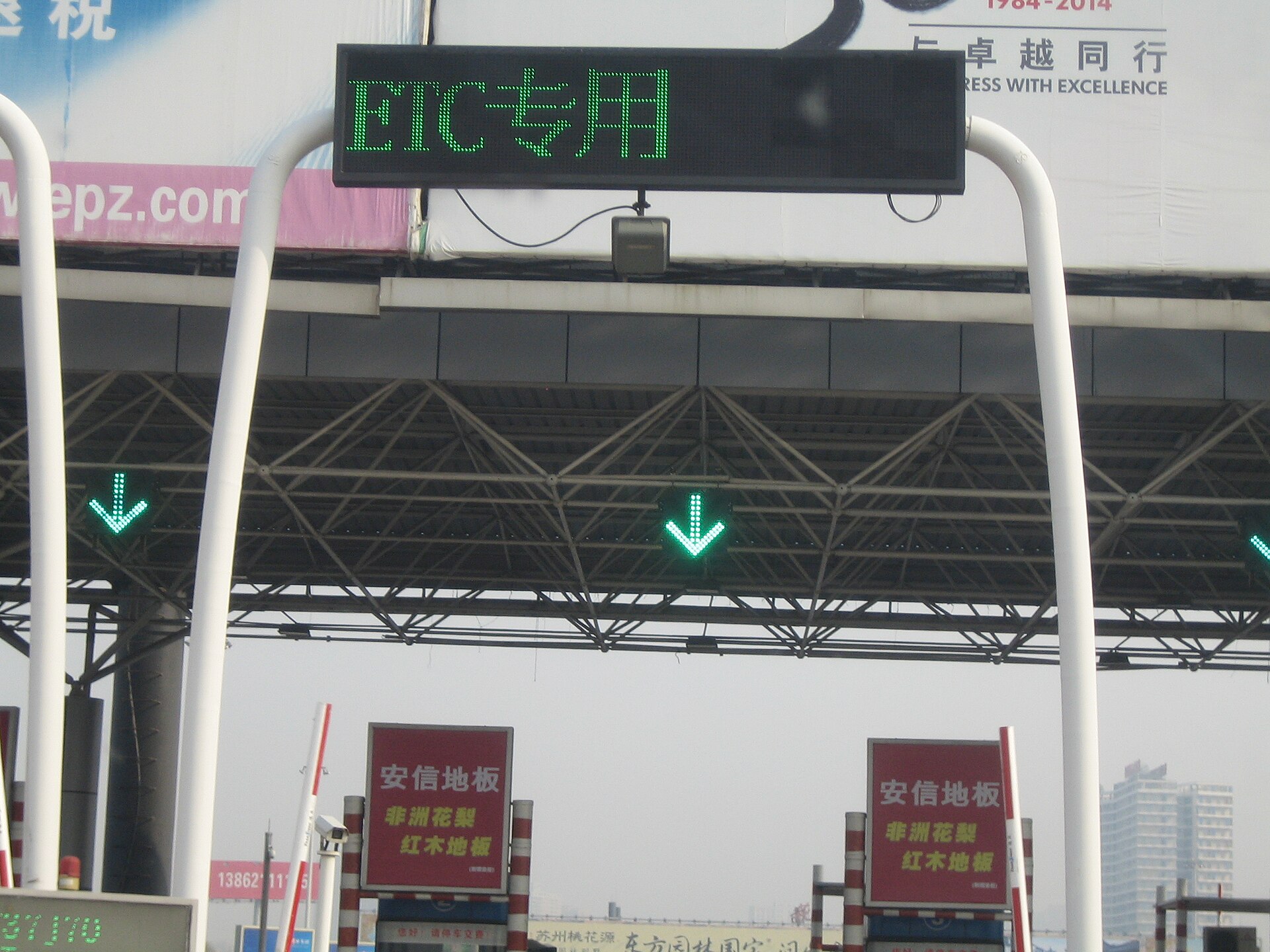

The Shanghai highway ETC regulation describes electronic toll collection through a vehicle unit and settlement card. That does not tell you how a particular rental branch will settle your bill. Ask whether the unit is active, whether cash lanes are allowed, how a missed or disputed passage is handled and how to request an invoice. Keep some yuan and do not assume that WeChat Pay or Alipay appears at every lane.
China’s Ministry of Transport annual bulletin reports 19.94万 km of expressways at the end of 2025. The number explains the scale, not the quality of a particular route. Service areas, charging points, lighting and signage can change across provinces; plan the next stop before the tank or battery becomes the constraint.
City restrictions: use local examples carefully
Beijing
The Beijing entry-permit portal says non-local plate vehicles entering Beijing administrative roads need the relevant permit. It lists all-day restrictions on the Second Ring and selected roads, weekday 07:00–09:00 and 17:00–20:00 restrictions in parts of the city, and a 09:00–17:00 tail-number rule. The permitted area, quota and current tail-number schedule can change. Check the portal immediately before pickup and consider leaving the car outside the central area.
Guangzhou and Shanghai
Guangzhou’s official 12345 answer gives the “four driving days, four rest days” pattern for many non-local small and medium passenger cars in a controlled area. It is not a national odd/even rule. Shanghai also uses route, time and plate controls, but the exact road list is a local question; check the municipal traffic notice and the rental branch’s route advice rather than copying Beijing’s schedule.
For a city-heavy itinerary, collect the car after the dense centre, save the hotel address in Chinese, and reserve a legal garage. A plate restriction can apply even when the navigation app offers the route. Ask whether a rental plate is local, whether an entry permit is already arranged and who pays a camera or parking notice.
Navigation, parking and language
Use Amap or Baidu Maps with Chinese names for hotels, service areas and attractions, and keep an offline screenshot of the day’s route. The Amap interface and address search can behave differently from an English map; copy the Chinese address from the hotel or rental branch. A translation app is useful, but a map pin, road number and kilometre marker are more helpful when calling for assistance.
Parking is often paid through a city or property system. Read the sign at the entrance, record the plate exactly, keep the entry ticket and ask the garage attendant how an overseas card or wallet is handled. Do not follow an unofficial QR code stuck over a payment sign. If the rental company offers a local wallet or ETC account, ask what data and fees remain after return.
Mountain roads, borders and changing weather
Provincial and county roads can narrow quickly outside the expressway network. Rain can trigger rockfall or landslides, and a route that is open in the valley can be closed above a pass. Leave in daylight, keep a turnaround point, and do not commit a rental car to an unpaved or restricted track because a map labels it as a road.


Border-management areas have another layer of administration. The National Immigration Administration’s 2026 electronic-permit notice says foreigners and several other categories apply in person at a county-level exit-entry office or designated station. That does not mean that every Tibet or Xinjiang road has one identical permit. Confirm the exact county, road, season, vehicle and guide requirement with the local authority before booking.
Fuel, charging and the handover checklist
Fuel grades, payment screens and receipt procedures vary by operator. Ask the rental branch which fuel the vehicle takes, whether the station requires prepayment, how a foreign card is handled and what the return fuel or battery level must be. Do not use an old national fuel-price estimate in a trip budget; check the current station or operator instead.
China’s EV charging network is extensive on major corridors, but a charger can be occupied, offline or tied to a local payment flow. For an electric rental, confirm connector, account, cable, idle fee, roadside support and a second charger before leaving a city. For either fuel or electric travel, keep a margin before a mountain or border section.
Emergencies and the final pre-departure check
The National Emergency Broadcasting Centre and the National Immigration Administration’s visitor information list 110 police, 119 fire, 120 medical and 122 traffic-accident services. Give the Chinese road name, direction of travel, nearest exit or kilometre marker and the plate number. If nobody is hurt, move to a safe position only when it is safe to do so, photograph the scene and call the rental company.
Before the first drive:
- send the original licence, translation and passport details to the rental branch for a written document check;
- confirm where and when the temporary permit is issued, and whether the counter is open on your arrival day;
- save the current city restriction, weather and road-status pages for every province on the route;
- photograph the vehicle, permit, registration, plate, fuel or battery level and ETC device;
- record the next service area, fuel or charging stop before entering a sparse mountain section;
- keep yuan or a verified backup payment method for tolls and parking;
- save 110, 119, 120, 122 and the rental roadside number offline.
Official resources and review date
This page was reviewed on 17 August 2026. Temporary-permit documents, city entry rules, posted speeds, toll settlement, border access, weather and rental terms can change. Reopen the relevant authority before driving:
- Beijing 12345 foreign-licence FAQ
- Beijing inbound-tourism licence checklist
- Beijing entry-permit portal
- Road Traffic Safety Regulations, Article 78 PDF
- Guangzhou 12345 restriction answer
- Shanghai ETC regulation
- National Immigration Administration border-permit notice
- National emergency numbers
Related guides and destinations
Frequently Asked Questions
- Can I drive in mainland China with an International Driving Permit?
- Not by itself. Mainland China does not treat an IDP as a standalone visitor licence. A foreign visitor normally needs a temporary PRC motor-vehicle driving permit from the relevant local traffic authority, plus the original foreign licence and the documents that authority accepts.
- What documents are needed for a temporary driving permit?
- The Beijing procedure lists a passport or entry document, a valid foreign licence that is not learner or provisional, a qualified Chinese translation or notarised translation, and recent white-background photos. Visa or visa-free evidence and local accommodation registration may also matter. Check the city and rental branch before travelling.
- How long is a temporary PRC driving permit valid?
- Beijing's official guidance gives a three-month permit for a short stay and allows a period matching an approved stay, up to one year, for longer stays. This is a Beijing example rather than a promise that every city uses the same counter, documents or validity period.
- Can I rent a car after obtaining the temporary permit?
- Only after the rental branch confirms that it accepts the permit, the translation and your payment method. Beijing says a temporary-entry driver applies through the traffic authority where the rental company is located. Ask about insurance, deposit, ETC settlement, additional drivers and cross-city or cross-border permission.
- What are the speed limits in China?
- Follow the sign on the road. The national expressway regulation sets a 120 km/h maximum and a 60 km/h minimum, with lane- and vehicle-class rules; other roads use different posted limits. Rain, fog, construction and a lower temporary sign override a remembered country-wide range.
- Can a foreign-plate rental car enter Beijing?
- A non-local plate generally needs a Beijing entry permit for the relevant trip. Beijing restricts non-local plates on the Second Ring and selected roads, and has weekday time windows and tail-number rules in other areas. Check the current permit and plate schedule before choosing an airport pickup.
- What is Guangzhou's plate restriction?
- Guangzhou's official answer describes a controlled-area 'four driving days, four rest days' pattern for many non-local small and medium passenger cars. The boundary and implementation can change, so treat it as a Guangzhou example and open the current city notice before driving.
- How do tolls work on Chinese expressways?
- ETC is common, but the lane and settlement method depend on the operator and vehicle. Confirm whether the rental has an ETC unit, how each toll is recorded, when the deposit is released and how an invoice is supplied. Keep yuan or a confirmed backup payment method for a staffed lane.
- Can I use my usual navigation and mobile-payment apps?
- Prepare a Chinese address and use a local map such as Amap or Baidu Maps alongside an offline backup. Parking, fuel and toll payment may require a local QR flow, an international card linked to a supported wallet or cash; do not assume one app or every toll plaza will work.
- Can I drive to Tibet, Xinjiang or a border area?
- Road access, weather, vehicle contracts and permits are route-specific. Border-management areas can require a separate permit; the National Immigration Administration says foreign travellers and several other categories apply in person at a county-level exit-entry office or designated station. Confirm the exact route with the local authority and a licensed operator.
- Which emergency numbers should I save?
- Save 110 for police, 119 for fire, 120 for medical help and 122 for traffic accidents. Give the Chinese road name, kilometre marker or map pin, and the rental plate. Call the rental company's roadside number as soon as the scene is safe.
Information Sources & Disclaimer
This guide compiles information from the official transport authorities, road operators, government travel information, and automobile associations linked for China.
While we strive to keep this information as accurate and up-to-date as possible (last reviewed: August 2026), traffic laws and toll rates can change without notice. We recommend verifying critical information with the local authorities or your car rental agency upon arrival.
Learn more about our Editorial Process →Compare Your Origin and Destination
Use the comparison tool to check driving side, units, documents, and other destination data for your route.