Overview
Saudi Arabia is a country of different driving jobs rather than one uniform road experience. Riyadh and Jeddah require early lane decisions around large interchanges; long intercity stages demand fuel, water and a daylight plan; AlUla and mountain areas add booked-site access, bends and changing weather. The country drives on the right.
The National Platform transport overview describes the road network, regulatory signs and the Saher camera system. Read the sign in front of the car, not a generic speed shown by a route app. A route can move from a controlled urban road to a fast intercity section without the map announcing the change.
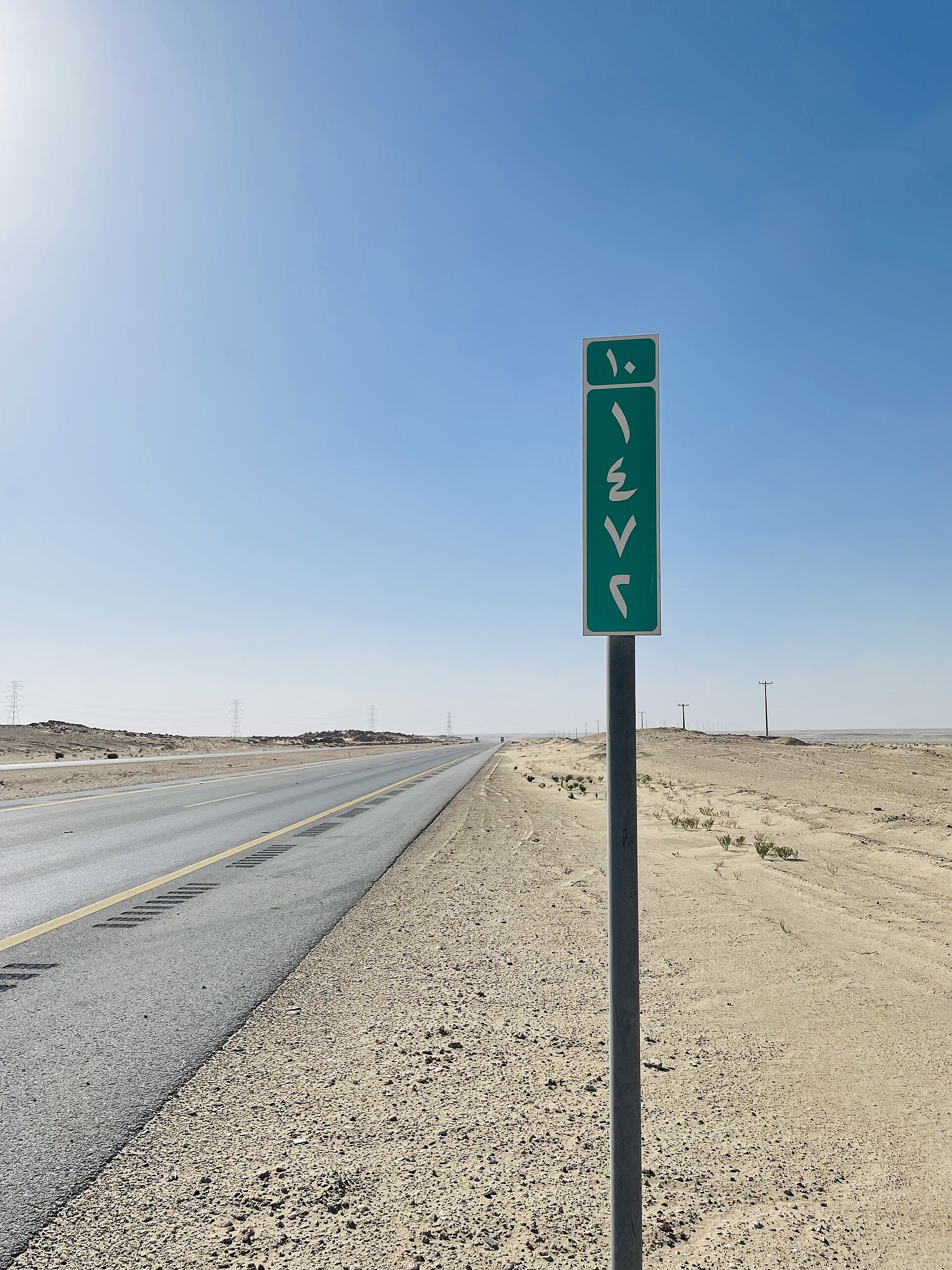

Foreign licences, visitor authorisation and documents
Do not treat “IDP required” as a one-line answer for every passport. Article 42 of the Saudi Traffic Law says an international or foreign driving licence is valid for one year from entry into the Kingdom, or until the licence expires, whichever is earlier. That is a legal validity rule, not a promise that every rental counter or insurer will accept every licence format.
Before collecting a car:
- carry the original domestic licence, passport and visa or border record;
- ask the operator whether your licence needs an IDP, an Arabic translation or a particular convention format;
- make sure every intended driver is named in the contract and meets the insurer’s age and licence-holding conditions;
- confirm that the rental company has completed any visitor driving authorisation required for its vehicle. The Ministry of Interior visitor service describes an electronic process for rental companies to authorise visitors using a border number;
- keep the rental registration, insurance details and assistance number where passengers can reach them.
If you become a resident, change vehicle class or stay beyond the visitor period, stop relying on a tourist rental assumption and check the licensing authority again.
Rules that matter on the first kilometre
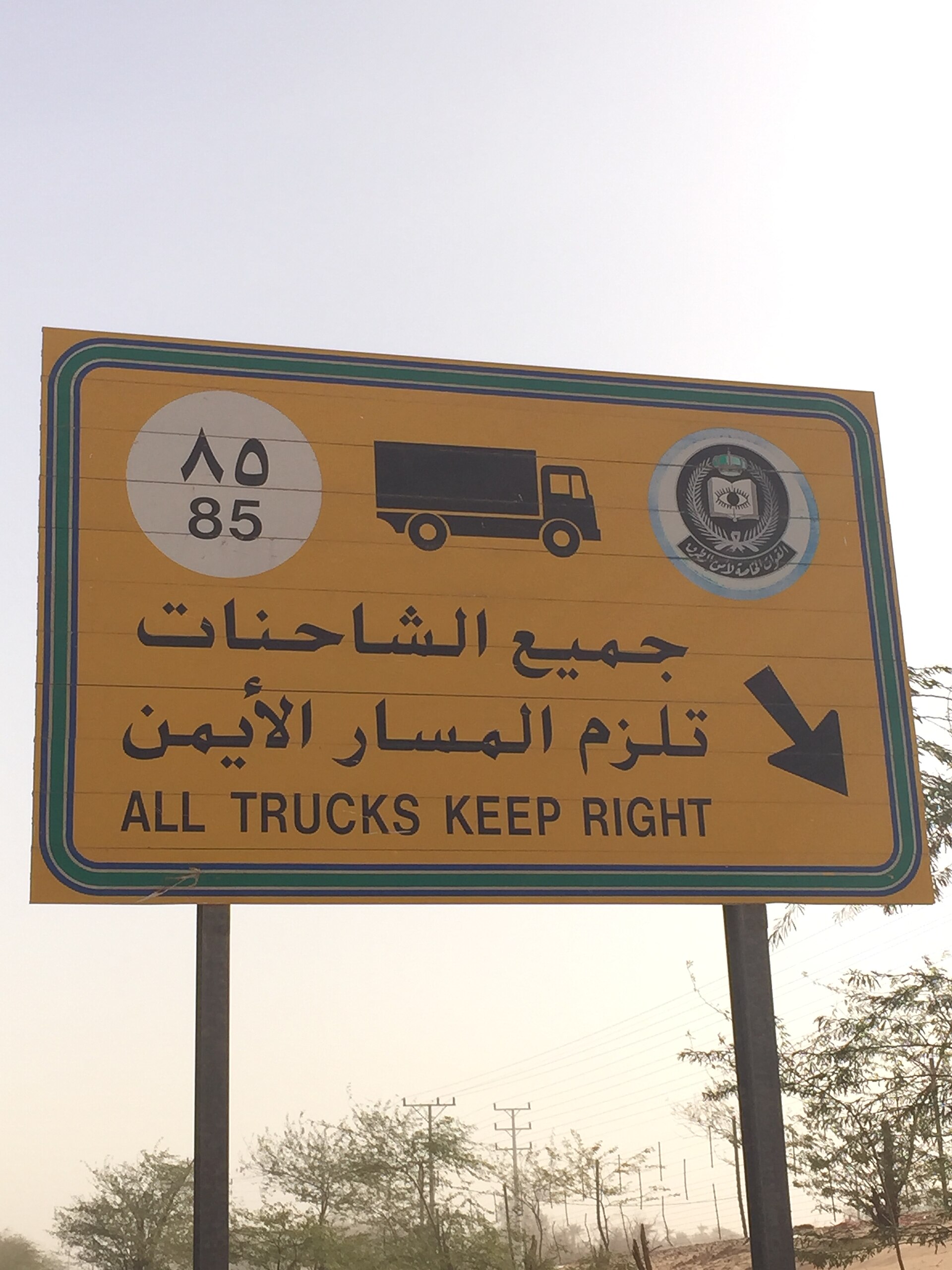
Saudi Arabia uses right-hand traffic. Keep right except when the lane marking, direction sign or an overtake requires another position. Roundabouts and priority markings deserve special attention: the traffic-violation guidance lists failing to give priority to vehicles already inside a roundabout as an offence. Slow before entering, read the arrows, and leave space for a vehicle changing lanes.
The official violation tables also list these behaviours:
- obey the posted speed and camera signs; do not turn the 140 km/h category into a country-wide default;
- fasten seat belts and use the required child restraint;
- do not hold or use a mobile phone while driving;
- never drive after alcohol, drugs or a medicine that warns against driving;
- use the required lights when visibility is poor and inside tunnels;
- stop fully at a stop sign and follow an officer’s hand signal over a conflicting light.
The Ministry of Interior traffic guidance publishes the offence categories and current tables; it is safer than copying a fine from a travel forum.
.jpg)
City driving: Riyadh, Jeddah and the holy-city calendar
Riyadh
Ring roads and multilane interchanges can make a destination appear close while the correct lane is already moving away. Choose the exit before the interchange, keep the route audio on, and avoid last-second crossings. Construction phases and event traffic can change a familiar journey; allow a buffer for airport transfers and central districts.
Jeddah
Coastal roads, airport approaches and the older street grid have different rhythms. Stay out of a blind spot beside buses and trucks, leave room for merging traffic, and do not assume a quiet service road is legal parking. After heavy rain, check the current weather and road notices before committing to low-lying routes.
Makkah and seasonal controls
Makkah is not simply another waypoint. Visa and pilgrimage rules can restrict entry or movement during Hajj and other controlled periods. Check the current Saudi visa terms and the National Platform Hajj and Umrah information before booking a car or promising a route. A rental company’s permission to use its vehicle does not replace a city or pilgrimage permit.
AlUla and mountain destinations
AlUla is easier when the driving stage is separated from the booked heritage visit. Confirm the access instructions and parking point for each site; the AlUla getting-to-and-around guidance is more useful than assuming every pin is a public roadside stop. On routes around Taif, Abha or Asir, slow before a bend and check the forecast for rain, fog and active winds.
Intercity highways and desert routes
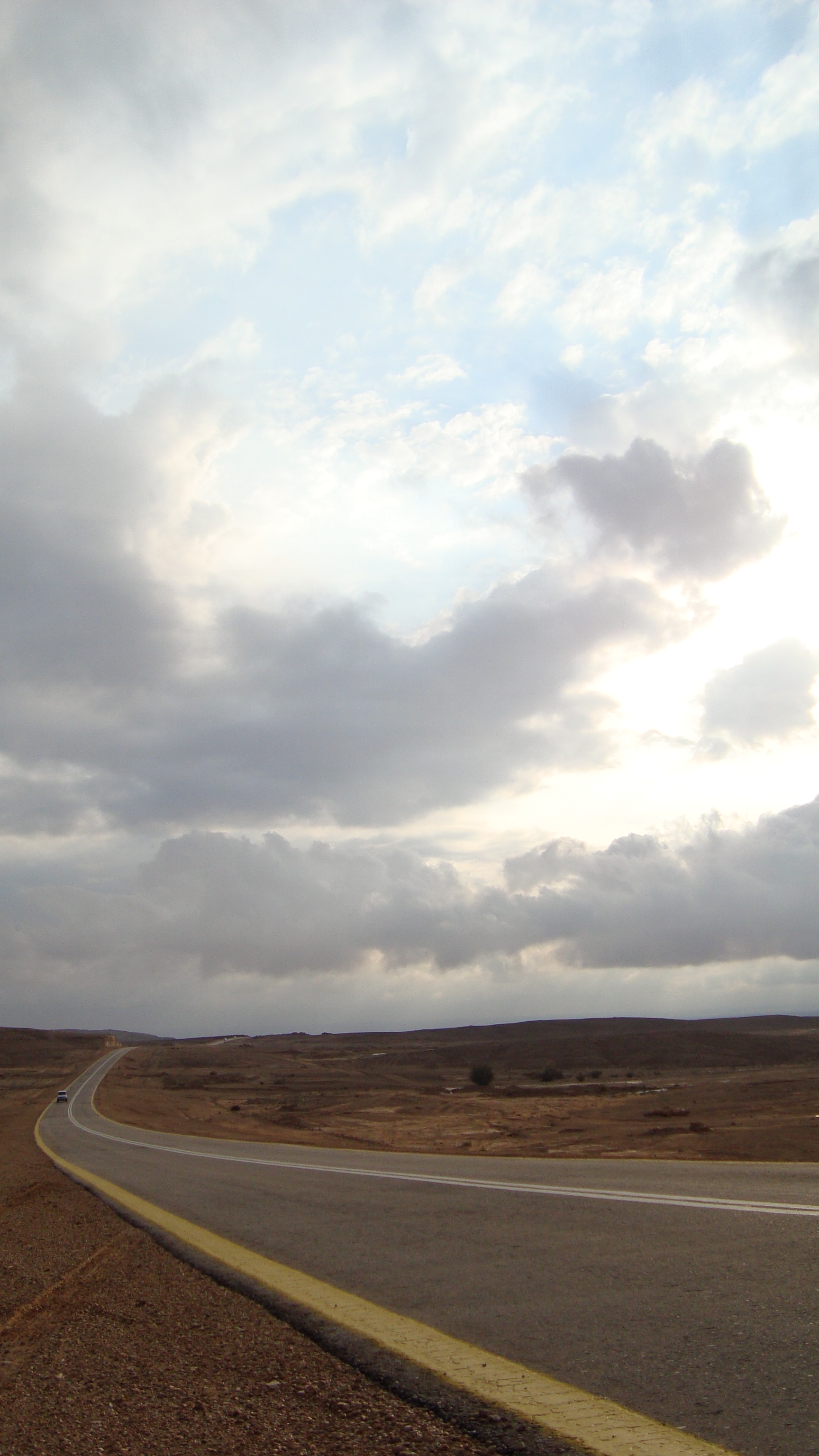
Major roads are often wide and well marked, but distance changes the risk calculation. A full tank does not guarantee that the next open station is close, and a phone signal is not a recovery plan. Before leaving a city:
- save the next fuel stop, lodging and planned break as offline coordinates;
- keep drinking water in the passenger compartment; a hot boot is a poor substitute;
- inspect tyre pressure, tread, spare wheel, jack, warning triangle and lights;
- set a daylight arrival time and tell the lodging if the plan changes;
- keep the rental assistance number and registration beside the route notes.
Do not leave the paved route because a sandy track looks short. Soft shoulders can bury a two-wheel-drive car, cross private or protected land, and fall outside insurance cover even when the vehicle is marketed as a 4WD. If the car becomes disabled, stop where it clears live traffic, use hazard lights and call assistance rather than walking into the heat.

Heat, dust, rain and visibility
Check the National Center for Meteorology early-warning system for the region you will enter, with the capital’s forecast treated as a separate check. Its alerts describe raised dust, strong winds, reduced horizontal visibility, heat waves and heavy rain. The Civil Defense awareness page explains that sandstorms can make visibility near zero and increase crash risk.
If dust crosses the route, reduce speed smoothly, increase the gap and use lights as conditions require. Do not stop in a live lane or at the crest of a dune. If visibility is deteriorating, leave the exposed stage for later and use a staffed service area. In the southwest, rain and runoff can be as important as desert heat; a dry-looking crossing can become unsafe after a storm.
Fuel, charging, parking and charges
Petrol and diesel are widely used, but price and payment options change. Use the grade named by the rental company, keep the receipt and refuel before the gauge becomes urgent. EV charging is developing unevenly; check connector, access hours, payment method and a second charger before committing to a long stage.
Treat charges as route- and operator-specific rather than assuming one national process. Ask the rental company about border crossings, the King Fahd Causeway, one-way returns, mileage limits, parking charges, traffic fines and administration fees. Enter the registration exactly as shown on the rental document when a city parking or payment system asks for it.
Use a marked car park where possible. In Riyadh, Jeddah and tourist districts, a quiet kerb can still be a signed restriction or a private space. Remove bags and documents from view, and photograph the car, wheels, glass, fuel level and dashboard warnings at pickup and return.
Rental-car contract and vehicle choice
The Transport General Authority rental regulation requires a regulated electronic contract and makes the driver’s identity, valid licence and insurance conditions part of the handover. Read the contract fields rather than accepting a verbal promise:
- every driver and the permitted vehicle class;
- excess, insurance exclusions and what happens after a collision;
- mileage, fuel grade, return time, one-way travel and cross-border permission;
- roadside assistance, tyre or glass damage, sand or off-road exclusions;
- the condition and location of the spare wheel, jack, warning triangle and first-aid kit.
A compact car is easier in city car parks. A higher-clearance vehicle can be useful for a booked gravel approach, but it does not make soft sand, private tracks or protected areas automatically legal or insured. Reserve an automatic transmission early if needed, and take photographs before leaving the counter.
Emergency and incident checklist
| Service | Number |
|---|---|
| Unified emergency | 911 |
| Police | 999 |
| Ambulance | 997 |
| Civil Defense / fire | 998 |
| Traffic accidents | 993 |
| Road security | 996 |
The numbers above come from the National Platform emergency contact list. After a collision, move only if it is safe, warn approaching traffic, call the appropriate service and the rental company, and record the location, vehicle plates and visible damage. In a remote area, send coordinates and the expected route to another person; a city response time should not be assumed in the desert.
Before setting off
- save the official licence result, original licence, passport and rental authorisation;
- set navigation and phone audio while parked;
- read the current speed sign and weather warning for the next region;
- confirm fuel, water, tyres, spare wheel, assistance and daylight arrival;
- check Makkah, Hajj or Umrah access notices if the route includes the holy cities;
- record the rental registration and the payment arrangement for parking or charges.
Official resources and review date
This page was reviewed on 17 August 2026. Licence recognition, rental contracts, enforcement systems, weather warnings and pilgrimage access can change. Recheck the relevant authority immediately before driving:
- Saudi Traffic Law
- Ministry of Interior visitor driving authorisation
- National Platform transport and Saher overview
- Transport General Authority car-rental regulation
- National Platform emergency contacts
- National Center for Meteorology early warnings
- Saudi visa terms
The practical Saudi Arabia rental-car and desert-road-safety guide adds a handover checklist. For document context, see the international driving permit guide and car-rental insurance guide.
Related destinations
Frequently Asked Questions
- Do I need an International Driving Permit to drive in Saudi Arabia?
- Not as a universal rule stated on this page. Saudi Traffic Law recognises a valid foreign or international driving licence for up to one year from entry, or until it expires. A rental company may still require an IDP, an Arabic translation or a particular permit for your licence country, so confirm the contract before paying.
- How long can a foreign licence be used in Saudi Arabia?
- Article 42 of the Traffic Law says an international or foreign driving licence is valid for one year from the holder's entry into the Kingdom, or until the licence expires, whichever comes first. Residency, visa status, vehicle class and the rental insurer can change what you may actually use.
- What are the speed limits in Saudi Arabia?
- Use the limit shown on the road. Saudi sources describe 140 km/h as a specific signed category, not a nationwide motorway default; urban and rural limits vary by road. Saher cameras and other enforcement systems make an empty road a poor reason to guess.
- Which emergency numbers should a driver save?
- Call 911 for the unified emergency number. The national portal also lists 999 for police, 997 for ambulance, 998 for Civil Defense, 993 for traffic accidents and 996 for road security. Save the rental company's roadside-assistance number as well.
- How should I plan a desert road trip?
- Leave with a full tank or a documented fuel plan, carry drinking water in the cabin, check tyres and the spare wheel, save coordinates offline and tell someone the route. Do not drive onto soft sand merely because the vehicle is a 4WD, and postpone a stage when the National Center for Meteorology issues a dust or visibility warning.
- Is driving in Riyadh or Jeddah difficult for visitors?
- The road network is extensive, but interchanges, lane changes and peak-hour traffic can make a short city trip slow. Set navigation while parked, keep extra following distance, and allow time for airport, ring-road and construction detours rather than copying a map estimate.
- Can I drive to Makkah during every visit?
- No route should assume unrestricted access. Hajj and Umrah controls, permits and visa conditions can change by season, and the official visa terms warn that access rules apply. Check the current Ministry of Hajj and Umrah or Saudi visa notice before routing through Makkah.
Information Sources & Disclaimer
This guide compiles information from the official transport authorities, road operators, government travel information, and automobile associations linked for Saudi Arabia.
While we strive to keep this information as accurate and up-to-date as possible (last reviewed: August 2026), traffic laws and toll rates can change without notice. We recommend verifying critical information with the local authorities or your car rental agency upon arrival.
Learn more about our Editorial Process →Compare Your Origin and Destination
Use the comparison tool to check driving side, units, documents, and other destination data for your route.