Decide whether a self-drive trip fits
Sri Lanka is compact on a map and demanding behind the wheel. Colombo traffic, buses that stop without much warning, tuk-tuks, pedestrians and animals all share limited road space. A driver who is new to left-side traffic may prefer a car with a local driver for the first days or for the hill country. Self-drive works best when each day has one main transfer, a daylight arrival and a second plan for rain.
Sri Lanka drives on the left and uses kilometres per hour. The sign on the road takes priority over a planner or a rental leaflet. City and village limits, road works and expressway ramps can change the pace quickly.

Foreign-driver permits and the rental desk
An IDP is one recognised route, not the only possible document. The Sri Lanka Police foreign-driver notice lists three routes: a valid International Driving Permit for the relevant class, a Sri Lankan driving permit issued to a foreign resident, or an official translation certificate for the home-country licence issued through the Department of Motor Traffic. The Motor Traffic Act recognises eligible IDPs issued by a contracting state to the 1968 Vienna Convention when the permit is valid and carried while driving.
Send the rental branch the issuing country, licence class, permit type and travel dates before payment. Ask whether the branch will inspect an IDP, a DMT translation certificate or a temporary Sri Lankan permit. The DMT’s foreign-licence circular explains the temporary-permit process; fees and validity depend on the current procedure and the visitor’s visa, so use a DMT or designated airport counter.
Carry the original home licence, permit, passport and rental agreement. Keep the vehicle registration, insurance, emission or fitness documents that the rental company gives you. Photograph the plate, every body panel, windscreen, wheels, fuel or charge level and odometer before leaving the yard.
Rules that change the workload
- Left-side traffic: keep left, overtake on the right, and check the right mirror carefully before pulling out around a bus or tuk-tuk.
- Seat belts: front occupants must wear belts on ordinary roads. On expressways, the police require every occupant to be belted from 19 June 2026; the rule includes rear seats.
- Phone use: the expressway user guide says not to use a mobile phone while driving. Set navigation before moving, ask a passenger to change it, or stop safely.
- Lights and horn: check the vehicle’s lights before departure. A short horn note is common on a blind bend, but it does not give the right to enter the opposing lane.
- Speed: use the posted limit and the surface condition. The expressway maximum is 100 km/h, with 60 km/h on entry and exit ramps. Towns and rural roads need slower speeds when people, animals or parked vehicles narrow the usable lane.
- Overtaking: wait for a long, clear view. A bus or tuk-tuk may be overtaking in the other direction at the same time.
Expressways, tickets and toll payments
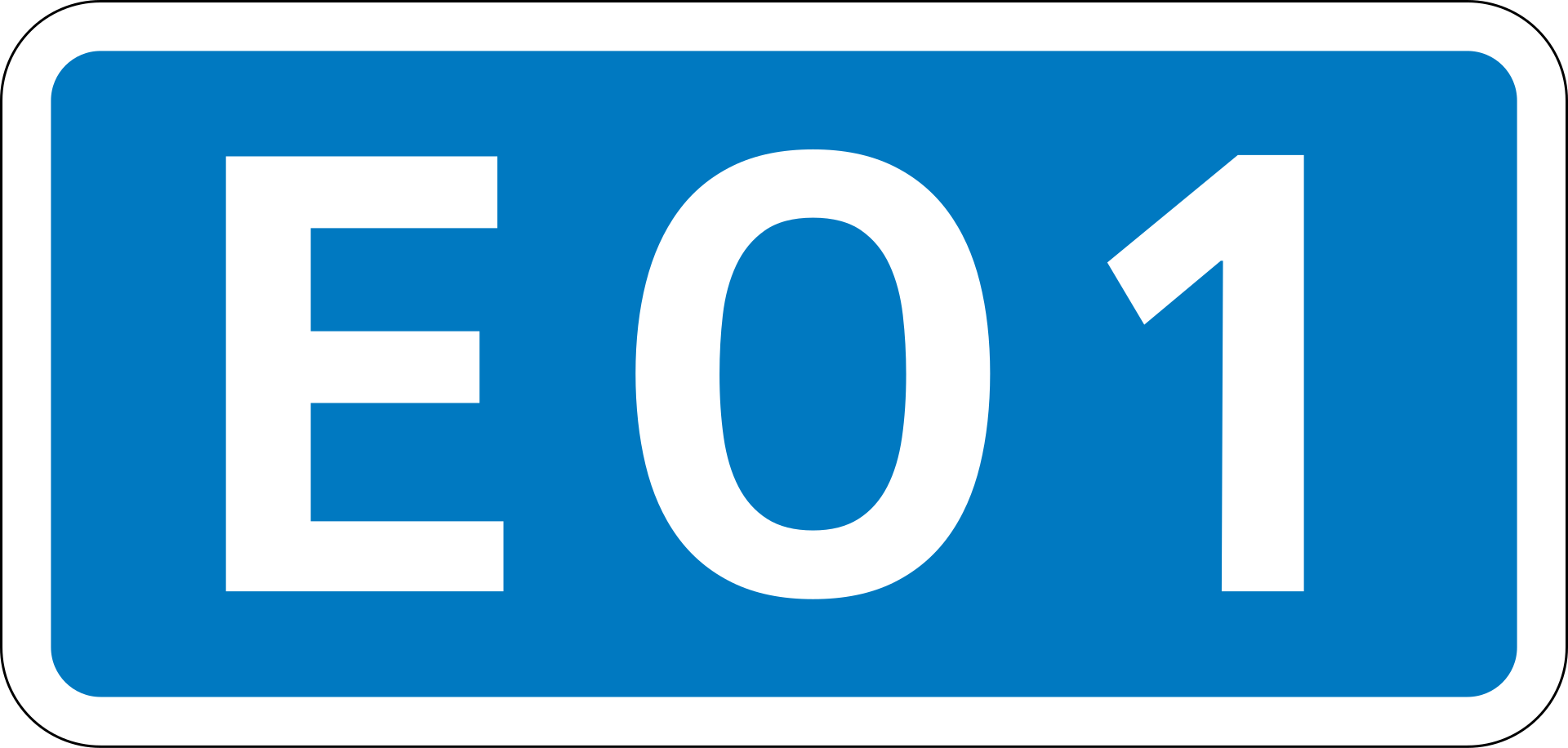
The Road Development Authority’s expressway user guide sets a 100 km/h maximum, 60 km/h on ramps, an outer lane for normal travel and an inner lane for overtaking. It lists motorcycles, bicycles, tractors and three-wheelers among vehicles that cannot use the expressway. Check that the rental car has working lights, brakes, wipers, mirrors, tyres, a jack and a spare before entering.
The RDA expressway portal lists manual toll collection by cash, card options and LankaQR. Electronic Toll Collection is available on the Colombo-Katunayake Expressway and the Kerawalapitiya interchange of the Outer Circular Highway. A ticket may be issued at some entrances; keep it until the exit and never reverse if the wrong ramp is chosen. Continue to the next interchange and correct the route safely.
The expressway emergency hotline is 1969. If a crash blocks the lane, follow the operator’s instructions and use hazard lights. Do not stop in a live lane to inspect a minor problem.
Hill roads, coast and the Cultural Triangle
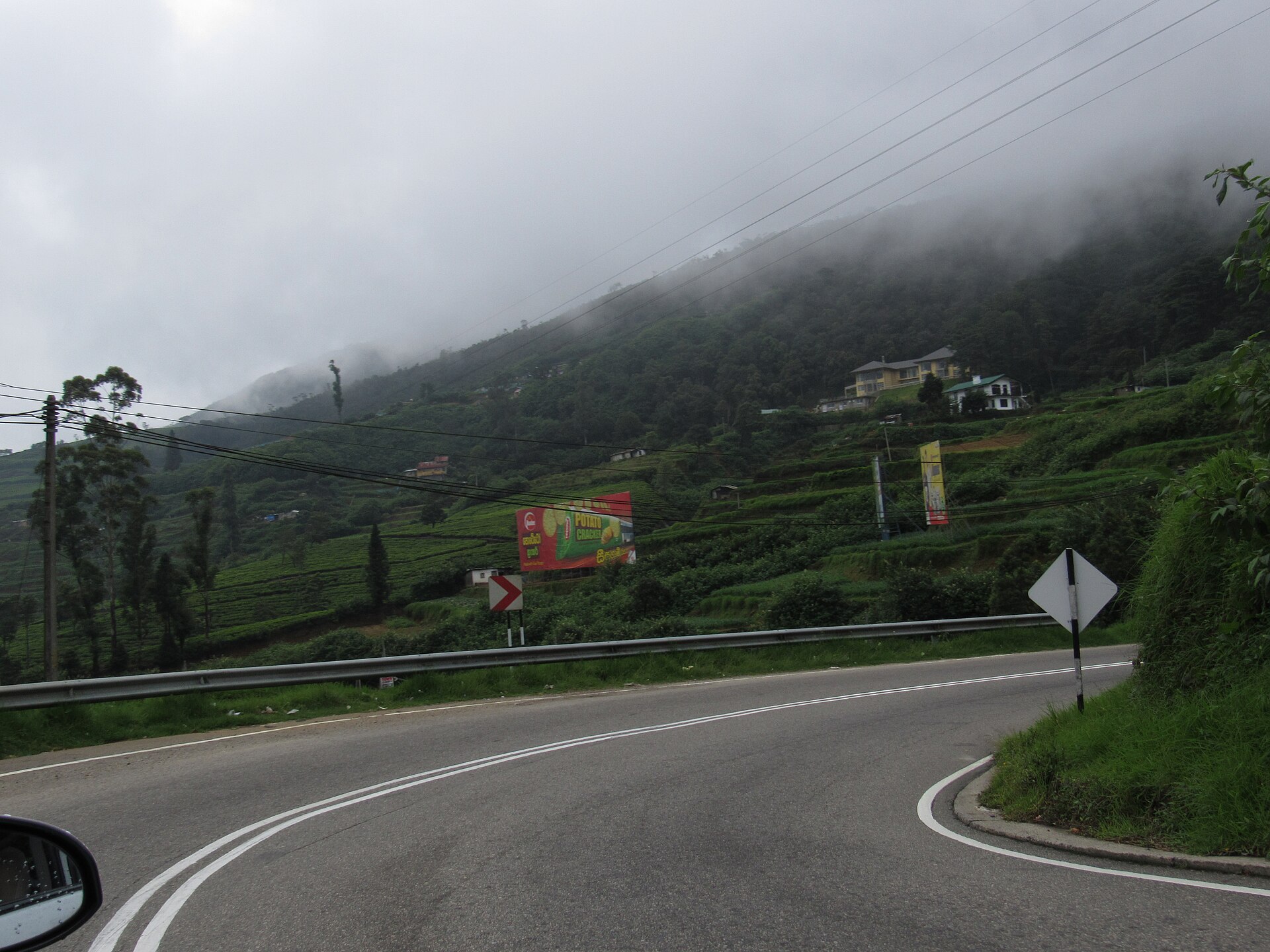
The route from Kandy through tea country towards Nuwara Eliya or Ella can be more tiring than its kilometre count suggests. Expect buses, tuk-tuks, blind curves, steep descents, narrow shoulders, pedestrians and mist. Use a lower gear on a long descent, stop at a legal pull-off, and do not commit to a bend when the road surface disappears into fog.

Southern and western coastal routes are easier to link into a route, yet villages, buses and beach traffic keep average speeds low. The Cultural Triangle around Habarana, Sigiriya, Dambulla and Polonnaruwa has longer open sections, but wildlife can enter the road. Use one major site per day rather than building a schedule around the straight-line distance.
The Sri Lanka tourist map helps with the broad road and park layout. It is not a live closure service, so check the rental company, police notices and weather warnings before a remote stage.
Elephants and other wildlife
Sri Lanka Tourism describes elephants, leopards, sloth bears, deer, wild boar and monkeys across its parks and reserves. A road can remain a wildlife corridor outside a gate. Habarana and the Minneriya area are well-known places to plan for elephant movement, but a warning sign is not a guarantee that the next kilometre is empty.
.jpg)
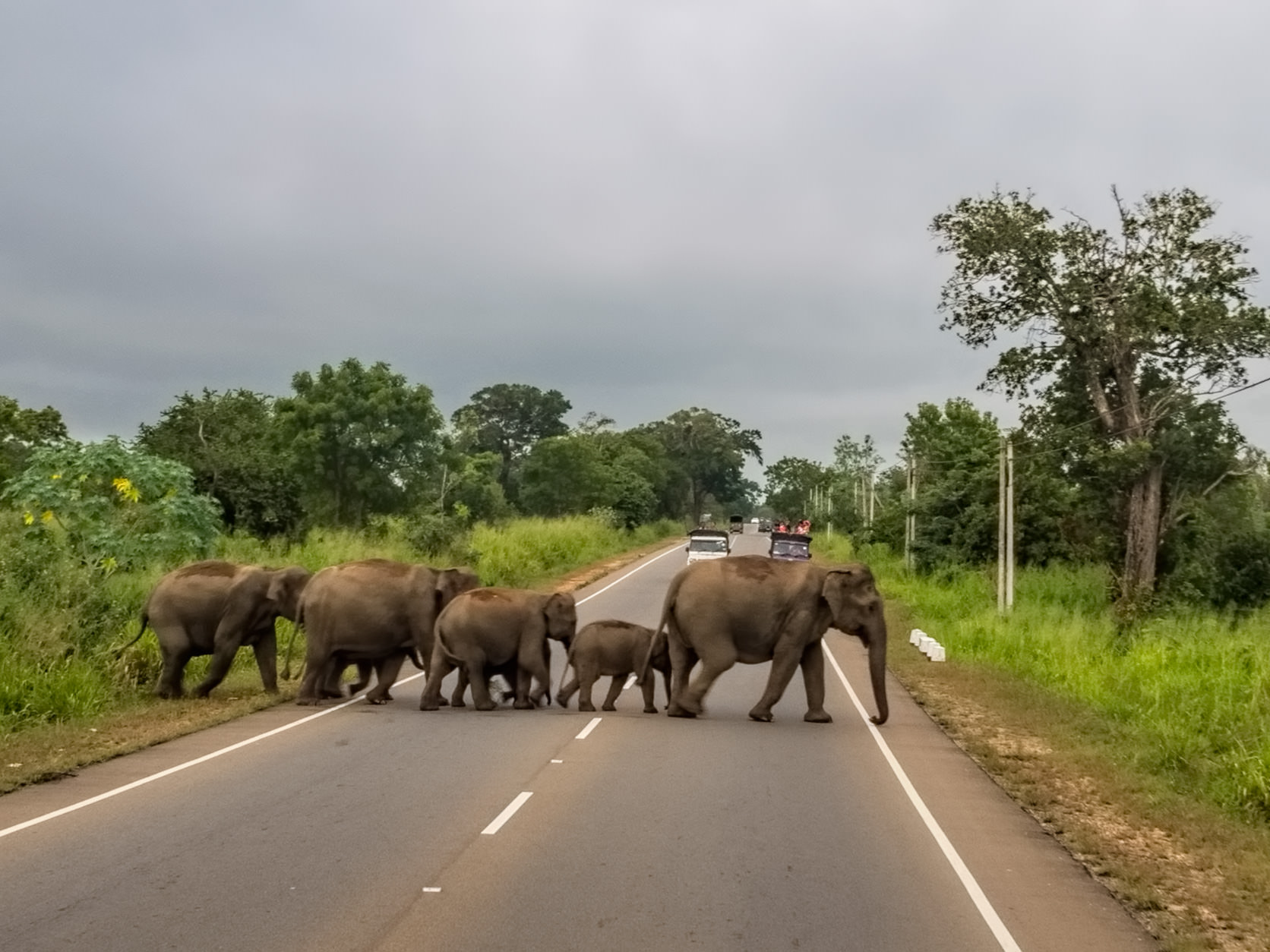
If an elephant is on or beside the carriageway, stop well back and wait. Leave the engine quiet, keep people inside the vehicle and do not use the horn, flash lights or try to pass between animals. If the road is blocked, call the park or local authority through the rental company rather than turning a wildlife encounter into a confrontation.
Rain, landslides and daylight
Sri Lanka has several rainfall seasons, and the wet side of the island can differ from the route you left that morning. The Department of Meteorology publishes forecasts, severe advisories and city information. Check it before a hill or long coastal stage, then shorten the day when rain removes the view of a bend.
Cut slopes can shed mud and rock after heavy rain. Do not drive through a flooded dip just because a larger vehicle has crossed it. If a road is closed or a bridge is under water, wait for a current local instruction rather than following a map pin. Schedule the last mountain or wildlife transfer to finish in daylight; this also leaves time for a vehicle check or a delayed ferry and avoids the worst mix of dark roads, pedestrians and animals.
Fuel, charging and parking
Refuel before leaving a large town. Unattended or small rural stations may prefer cash, while cards and contactless payments are more likely at larger sites. Confirm the fuel grade with the rental company and keep the roadside number with the vehicle papers. EV charging exists at selected expressway services, but it is not a substitute for route-by-route confirmation; ask for the connector, opening hours and payment method before choosing an electric car.
In Colombo, Kandy, Galle and around major temples, use hotel or marked off-street parking. Do not leave bags visible. A person offering to watch the car is not proof that the place is authorised; ask the hotel or attraction staff for the official lot and fee. On a narrow village road, never block a gate, bus stop or passing place.
Emergency numbers and the handover record
Save these numbers before moving:
| Service | Number |
|---|---|
| Police emergency | 119 |
| Ambulance and fire | 110 |
| Sri Lanka Tourism | 1912 |
| Expressway emergency | 1969 |
| Disaster Management Centre | 117 |
The Sri Lanka Police emergency page confirms 119 for police and 110 for ambulance or fire. Sri Lanka Tourism lists 1912 and the RDA expressway portal lists 1969. Give an operator the road number, direction, nearest town, vehicle plate and a map pin. After a collision, notify police and the rental company as required by the contract, photograph the scene from a safe position and do not admit liability at the roadside.
At return, photograph the same panels, tyre condition, fuel or charge level, odometer and keys. Keep the toll receipt, incident number and final rental statement together. This is especially useful when a paper toll ticket or a damage note is processed after the car has left the island.
Official sources and review date
This page was reviewed on 17 August 2026. Foreign-driver permit routes use the Sri Lanka Police 2026 notice, the Motor Traffic Act and the DMT foreign-licence circular. Expressway speed, vehicle exclusions, toll payment and 1969 use the RDA user guide and RDA portal. The 2026 all-occupant expressway seat-belt rule comes from Sri Lanka Police. Weather warnings use the Department of Meteorology, wildlife context uses Sri Lanka Tourism, and emergency numbers use the Police emergency directory. Regulations, fees, road closures, weather and rental conditions can change, so open the named authority again before departure.
Related destinations
Frequently Asked Questions
- Do I need an International Driving Permit to drive in Sri Lanka?
- A foreign driver needs one recognised driving-authority route, not an informal translation: a valid IDP for the vehicle class, a Sri Lankan permit for a foreign resident, or an official translation certificate from the Department of Motor Traffic. Confirm which document the rental branch accepts before paying.
- Can I use my home licence with an IDP?
- Carry the original home licence with the IDP. Sri Lankan police guidance says the permit must cover the relevant vehicle class and foreign drivers must carry valid authority while driving. A phone image is not a substitute for the originals.
- What side of the road does Sri Lanka use?
- Sri Lanka drives on the left and normally overtakes on the right. After collecting a car, practise the mirrors, indicators and gear position on a quiet local road before joining a busy route.
- What are the Sri Lankan expressway rules?
- The Road Development Authority lists a 100 km/h expressway maximum and 60 km/h entry and exit ramps. Keep to the outer lane for normal driving, use the inner lane for overtaking, and keep the entry ticket until the exit when the route issues one.
- How are expressway tolls paid?
- Manual toll collection accepts cash, and the official user guide lists card and LankaQR options. Electronic Toll Collection is currently available on the Colombo-Katunayake Expressway and the Kerawalapitiya interchange of the Outer Circular Highway, so ask the rental company whether its vehicle is enrolled.
- Are seat belts required in Sri Lanka?
- Front-seat belts are already mandatory on ordinary roads. From 19 June 2026, the police say every driver and passenger on an expressway must wear a seat belt, including rear-seat passengers.
- Is it safe to drive at night in Sri Lanka?
- Night driving adds unlit pedestrians, bicycles, animals, buses and vehicles with uneven lighting to a road that may already be crowded. Set a daylight arrival target, especially for hill-country or wildlife stages.
- What should I do if an elephant is on the road?
- Stop well back, leave space for the animal and wait. Do not sound the horn, flash lights, approach, or try to squeeze past. Wildlife corridors can continue outside a park boundary, including around Habarana and Minneriya.
- How should I plan a hill-country drive?
- Treat a short map distance as a full driving stage. Allow for buses, tuk-tuks, blind bends, steep descents, mist and rain. Check the Department of Meteorology warnings and postpone a mountain leg when visibility or slope conditions deteriorate.
- Which emergency numbers should visitors save?
- Call 119 for police, 110 for ambulance and fire, 1912 for Sri Lanka Tourism, 1969 for an expressway emergency, and 117 for disaster-management assistance. Keep the rental company's roadside number beside them.
Information Sources & Disclaimer
This guide compiles information from the official transport authorities, road operators, government travel information, and automobile associations linked for Sri Lanka.
While we strive to keep this information as accurate and up-to-date as possible (last reviewed: August 2026), traffic laws and toll rates can change without notice. We recommend verifying critical information with the local authorities or your car rental agency upon arrival.
Learn more about our Editorial Process →Compare Your Origin and Destination
Use the comparison tool to check driving side, units, documents, and other destination data for your route.