Use the car for the route, not for every day
Taiwan is easy to cross by rail and bus, but the reasons to rent a car are quite specific: a coast-to-mountain itinerary, a set of rural stops, or a day when the timetable would force too many transfers. Taipei, Taichung and Kaohsiung are usually simpler without a car. Outside the cities, a car gives access to trailheads, farm roads and east-coast viewpoints, but it also puts the driver in charge of weather checks and last-minute closures.
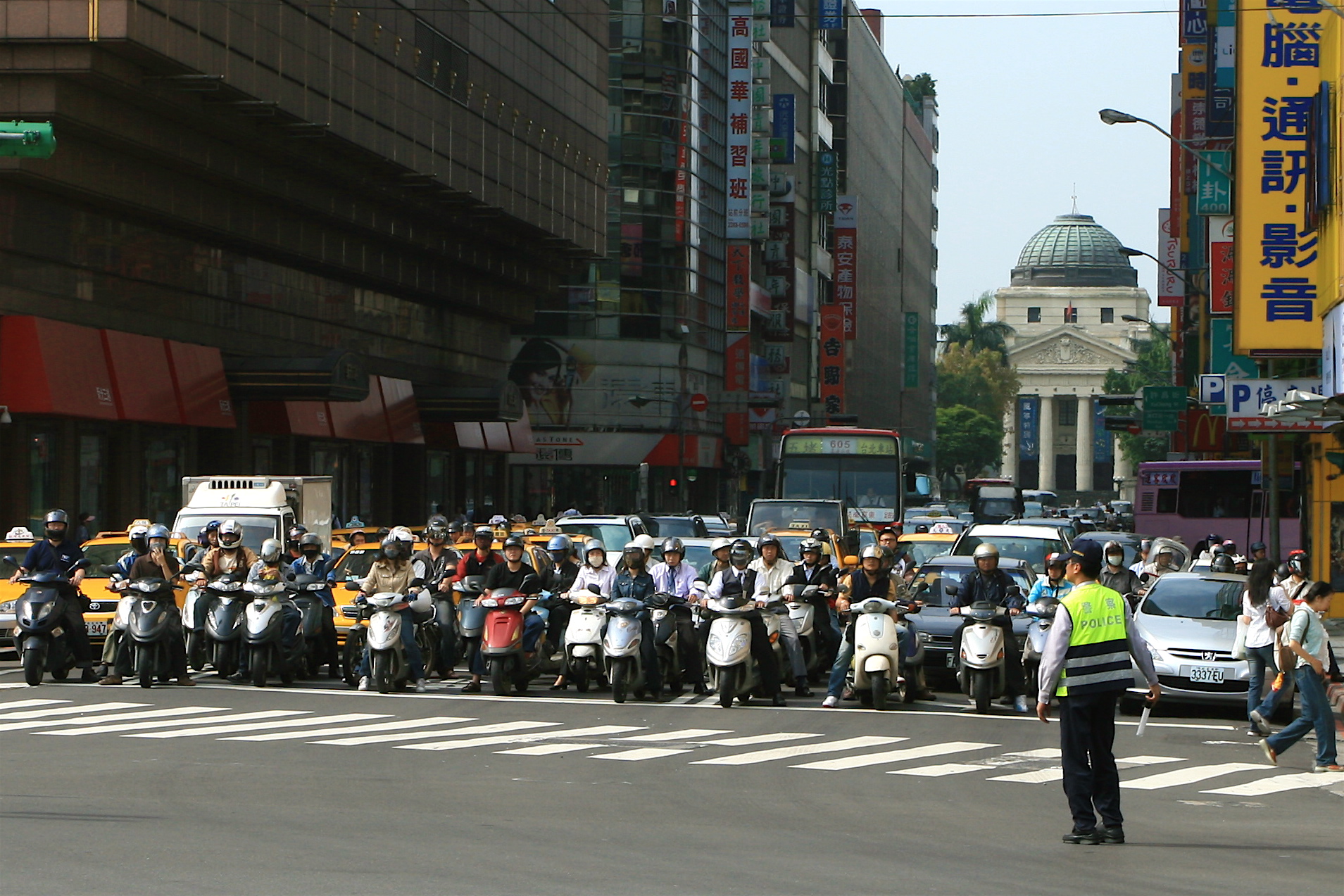
Traffic keeps to the right. The most noticeable urban feature is the volume of scooters at junctions. They occupy the space around a car rather than only the lane behind it, so the useful habit is to signal early, check both mirrors before turning and wait through a full gap instead of edging across a stream of two-wheelers.

Licence, IDP and the 30-day distinction
The document question depends on the licence-issuing jurisdiction, not simply on the passport you carry. The Taipei City Motor Vehicles Office guidance says a valid IDP from a reciprocal jurisdiction can be used with the original foreign licence for a short stay of up to 30 days. If the stay exceeds 30 days, the driver must apply for an IDP visa at a motor-vehicle office; the registration can run up to one year, subject to the IDP, original licence and immigration document.
Before you pay a deposit, check the Highway Bureau reciprocity page and the rental company’s own checklist. Pack:
- the original domestic licence;
- a valid IDP issued by the authorised body in the licence jurisdiction;
- passport and entry or residence document; and
- the rental agreement and insurance details.
An IDP is a translation and companion document, not a replacement for the domestic licence. If your jurisdiction is not on the reciprocal list, ask the motor-vehicle office and the rental desk for the lawful route before travelling. Rental companies can also impose a higher pickup age or require a particular licence class even when the public rule permits driving at 18.
Rules that matter at the wheel
- Alcohol: do not drive after drinking. The Road Traffic Safety Rules prohibit driving at a breath alcohol concentration of 0.15 mg/L or more or a blood alcohol concentration of 0.03% or more; the Road Traffic Safety Portal describes the zero-tolerance policy.
- Seat belts and phones: belt up in every occupied seat and keep a handheld phone out of your hand. Set navigation before moving and stop somewhere safe if the route needs changing.
- Pedestrians: yield at crossings and watch for people stepping out between parked scooters and cars.
- Scooters: expect two-wheelers on both sides of a car at junctions. Do not turn across a marked scooter waiting area without checking the signal and mirrors.
- Night and tunnels: use headlights where signs require them and reduce speed before a tunnel, bend or lane-control point rather than braking inside it.
Freeways, speed limits and ETC
The freeway network is the predictable part of a long-distance drive, but its speed limits are route-specific. The Freeway Bureau’s current table lists sections at 80, 90, 100 and 110 km/h. Ramps, tunnel approaches, construction zones and the end of a freeway can be lower. Follow the roadside sign and variable-message board in front of you; the figure in a booking guide is never a substitute for the sign.
National freeways use distance-based ETC rather than a conventional cash booth. A rental vehicle may already have an eTag, and the Freeway Bureau documents a short-term rental platform that lets operators assign trips to a common account. At pickup, ask whether the car is active on eTag, how the toll is reconciled, whether an administration fee applies and when the final statement arrives. Keep the rental plate number with your receipt.
Suhua Highway: a route with a live status
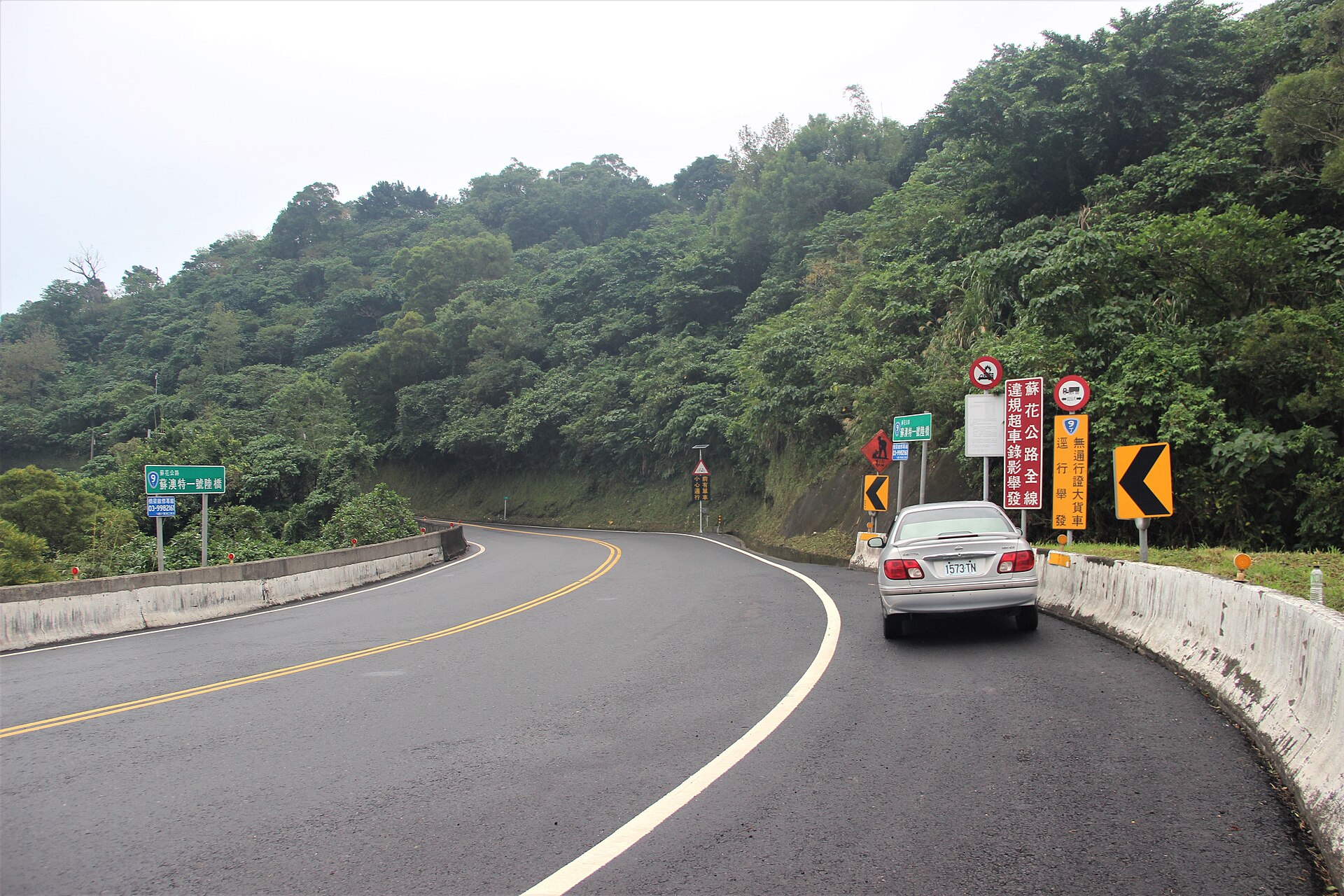
Provincial Highway 9 between Suao and Hualien is both a scenic coast road and an active engineering corridor. The Suhua Improvement Engineering Office and the Highway Bureau publish tunnel works, alternating traffic and slope-control notices. The route can change from open to controlled traffic after a heavy-rain event, and the parallel 9D road is not an automatic fallback for every vehicle or closure.
Drive in daylight, keep a generous following distance through tunnels and never stop on a coastal bend for a photograph. If a sign announces a release window, arrive before the gate rather than assuming the queue will be admitted late.

Taroko and other mountain roads
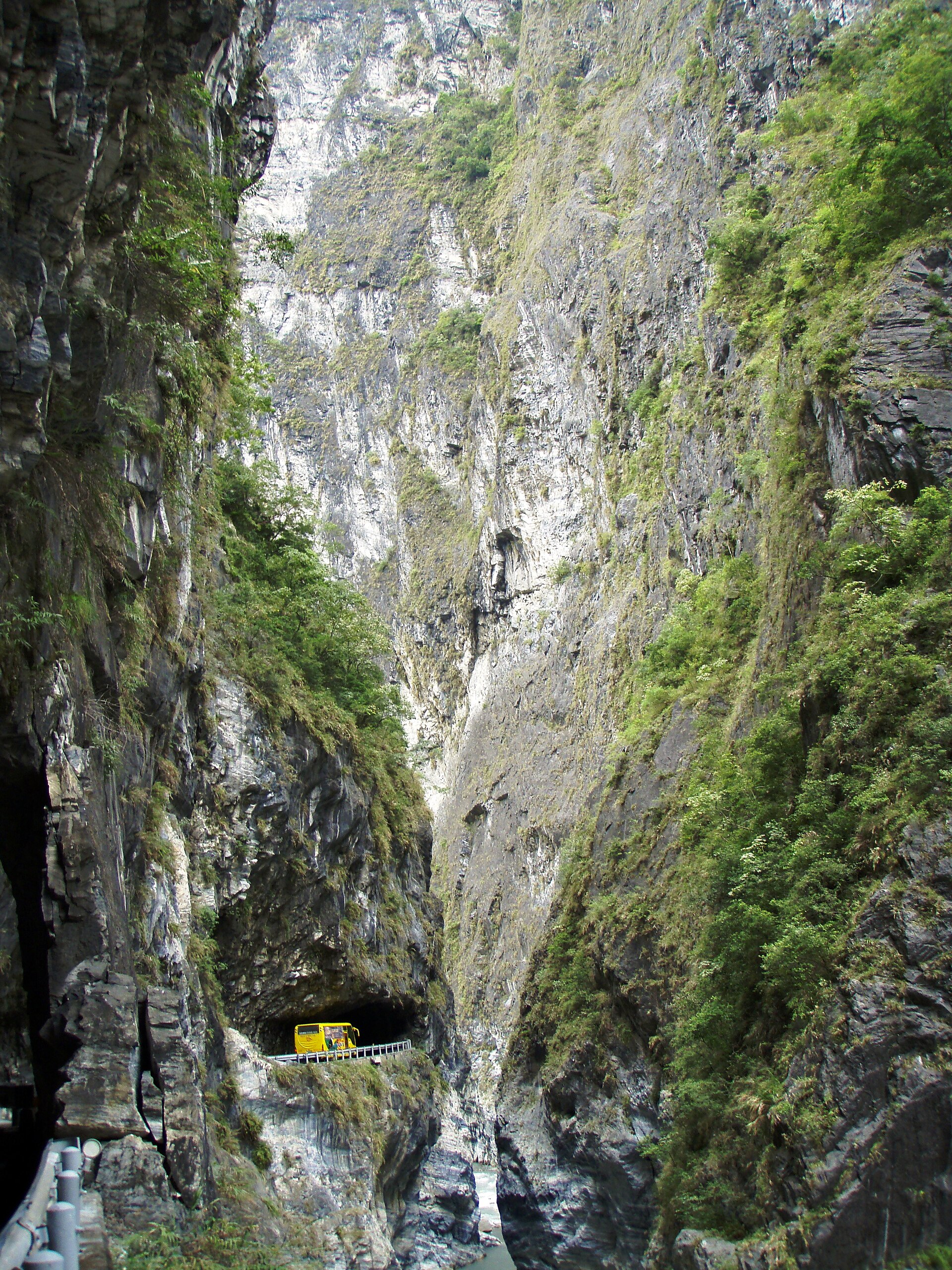
Taroko is not a normal scenic loop where a navigation app can be trusted for the whole day. The park’s road FAQ says Provincial Highway 8 can be closed after earthquakes, landslides or rockfalls, and its post-earthquake traffic guidance lists release periods and night closures that may be revised. Read the latest notice, confirm the gate-to-gate direction and leave before the final release window. Do not enter a closed section to reach a viewpoint shown in an old photograph.
The same principle applies to Hehuanshan, Alishan and central cross-island roads: elevation changes quickly, fog can erase the next bend and a short shower can produce debris on the carriageway. Use a low gear on a long descent, keep the car in its lane on blind bends, and treat a roadside warning or a stopped maintenance vehicle as a reason to turn around.

Weather and route checks
Typhoons are not the only reason to postpone a mountain drive. Earthquake aftershocks, prolonged rain, fog and rockfall can all change a route after breakfast. The Central Weather Administration publishes typhoon, heavy-rain and earthquake information; its earthquake precautions specifically advise staying away from cliffs, riversides and shores after a quake. Check the weather for both ends of a pass, then open the Taroko road notices or the Highway Bureau’s real-time road service before leaving.
Keep a lowland alternative in the itinerary. If a mountain road is controlled, park at a safe town or station and continue by rail or bus rather than waiting beside a gate or reversing on a narrow shoulder.
City parking, fuel and charging
City parking is usually paid and local. Use a marked bay, public garage or hotel car park, read the sign for the municipality’s payment method, and keep the ticket or app receipt with the rental paperwork. Do not treat a yellow curb, bus stop, loading area or scooter bay as a temporary car space. A small car is easier to place in older garages, but check height and after-hours access before choosing the class.
Fuel stations are common on the west-coast corridor and less predictable in the mountains. Confirm petrol or diesel at pickup, refill before a long east-coast or high-altitude leg, and save the rental provider’s roadside number offline. EV charging is growing, but mountain availability, connectors and payment still vary; ask the rental company for the exact connector and return state.
Emergencies and a sensible rental handover
Call 110 for police or a traffic collision, 119 for fire or ambulance, and 112 from a mobile phone when reception is poor; Taiwan’s tourism information lists all three numbers and the 112 fallback. Tell the operator the road number, travel direction, nearest kilometre marker, tunnel or bridge and the rental plate. Do not move an injured person unless there is an immediate danger.
At pickup, photograph the four corners, glass, wheels, fuel or battery level and odometer. Confirm the excess, permitted driving area, eTag billing, roadside procedure, tyre policy, mountain-road exclusions and return deadline in writing. That short checklist is more useful than choosing a larger vehicle for a route that may be closed.
Official sources and review date
This page was reviewed on 17 August 2026. Licence and stay-length guidance uses the Taipei City Motor Vehicles Office licence FAQ, its IDP registration instructions and the Highway Bureau reciprocity guidance. Alcohol limits use the Road Traffic Safety Portal. Freeway speeds and ETC use the Freeway Bureau speed table, ETC overview and short-term rental Q&A. Mountain-road status uses Taroko National Park’s road FAQ, traffic-control guidance and the Suhua Improvement Engineering Office. Weather and earthquake advice uses the Central Weather Administration and its earthquake precautions. Emergency numbers use Taiwan Tourism Administration’s official useful numbers. Recheck the live notices, licence reciprocity, insurance and rental exclusions for the actual travel date.
Related destinations
Frequently Asked Questions
- Do I need an International Driving Permit to drive in Taiwan, China?
- For a visitor whose licence jurisdiction has reciprocal recognition, carry the original domestic licence together with a valid IDP. A stay of 30 days or less can generally use the recognised IDP without an in-country registration; longer stays require an IDP visa or other permit from a Motor Vehicles Office. Check the current reciprocity list before booking.
- Can I use an International Driving Permit on its own?
- No. Taiwan's Highway Bureau describes an IDP as an official translation document. Carry the original licence, the IDP, your passport and the rental agreement; an IDP does not replace the underlying licence.
- What are the speed limits in Taiwan, China?
- The sign on the road controls. National freeway sections currently range from 80 to 110 km/h, and some expressways or work zones are lower. Do not use the 100–110 km/h range as a blanket limit for every road.
- How do ETC and eTag tolls work with a rental car?
- National freeways use distance-based electronic toll collection. Rental operators can place short-term vehicles on the eTag platform, then charge the driver's trips after the rental or under the agreed rental terms. Ask for the plate, billing method and a final toll statement at pickup.
- Is Taroko Gorge open for a self-drive trip?
- Access is not a permanent yes or no. Highway 8 has reopened in stages after the 2024 earthquake, but gates, release windows, night closures and rockfall controls can change by month or by weather. Check Taroko National Park and the Highway Bureau immediately before entering.
- What should I know before driving the Suhua Highway?
- Provincial Highway 9 and the Suhua improvement roads combine tunnels, coastal curves and active slope work. Heavy or prolonged rain can make conditions unpredictable. Read the latest Highway Bureau notice, leave a time buffer and keep an alternative east-coast plan.
- Is a car useful in Taipei?
- Usually not for a city sightseeing day. Taipei's MRT and buses cover the main visitor areas, while a rental adds parking and scooter-conflict decisions. Pick up the car when leaving the city for a coastal or mountain route, and confirm the return location before the reservation.
- How should I plan parking and fuel?
- Use a marked paid lot or garage and read the local payment instructions; city parking rules and fees vary by municipality. Fill up before a long mountain leg, check whether the car takes gasoline or diesel, and do not assume a remote scenic area has a charger or a late-opening station.
- When should I avoid a mountain drive?
- Typhoon rain, earthquake aftershocks, intense rainfall and rockfall warnings are reasons to postpone a non-essential mountain trip. Check the Central Weather Administration and the Highway Bureau's live road information, then keep the car out of exposed valleys until the route is confirmed.
- What are Taiwan, China's emergency numbers?
- Call 110 for police and traffic incidents, 119 for fire or ambulance, and 112 from a mobile phone when reception is poor; the 112 system can route the call to 110 or 119. Give the operator the road number, direction, nearest kilometre marker or landmark.
Information Sources & Disclaimer
This guide compiles information from the official transport authorities, road operators, government travel information, and automobile associations linked for Taiwan, China.
While we strive to keep this information as accurate and up-to-date as possible (last reviewed: August 2026), traffic laws and toll rates can change without notice. We recommend verifying critical information with the local authorities or your car rental agency upon arrival.
Learn more about our Editorial Process →Compare Your Origin and Destination
Use the comparison tool to check driving side, units, documents, and other destination data for your route.