Start with the region, not the rental counter
Japan is easy to reach by train and often easier to explore without a car in the centre of Tokyo, Osaka, Kyoto or Nagoya. A rental starts to make sense when the itinerary links rural towns, trailheads, hot-spring areas or islands with infrequent buses. Hokkaido, Okinawa, rural Kyushu, Shikoku and parts of the Tohoku region are common examples.
The decision changes again in winter. A car that is convenient on a coastal road may be a poor choice for a mountain pass after snowfall. Build the route around the places that need a car, then use rail for the dense city section. The Japan car-rental guide covers the booking and return decisions in detail.
Licence and document checks
Japan accepts one of three legal routes for a visitor: a Japanese licence; a valid paper International Driving Permit issued under the 1949 Geneva Convention; or a licence from one of six listed jurisdictions accompanied by a qualifying Japanese translation. The National Police Agency’s current foreign-licence notice is the document to check before paying a rental deposit.
The IDP must be the right document
- Obtain the permit from the authorised issuing body in the country that issued your domestic licence, before travelling.
- Carry the original domestic licence, the paper IDP and your passport. A digital file, a card-shaped product or a permit issued under the 1968 Vienna Convention does not replace the required paper document in Japan.
- The driving period is up to one year from the date of arrival, or the permit’s own expiry date if that comes first. The IDP itself is generally valid for one year from issue.
- If you use an automated airport immigration gate, consider obtaining an entry stamp. JNTO notes that the stamp may be needed to prove the arrival date when the one-year period is checked.
The National Police Agency foreign-licence notice and JAF’s driving guidance explain the document categories and exceptions.
The six translation exceptions
As of the current NPA notice, licences issued in Switzerland, Germany, France, Belgium, Monaco and Taiwan, China can be used with a Japanese translation prepared by an authorised body. The driver must carry the original licence and the translation together. The list is jurisdiction-specific and may differ from a rental company’s informal checklist.
Travellers with a licence from another jurisdiction should not assume that a normal translation is enough. For example, a mainland China licence is not one of the six translation exceptions in the NPA notice. Check the exact licence, IDP convention and issuing authority with the NPA, JAF or the relevant consulate before reserving a car.
Rules that change the driving routine
Japan drives on the left and keeps overtaking traffic to the right. The unfamiliar parts are often small actions at junctions rather than the direction of travel:
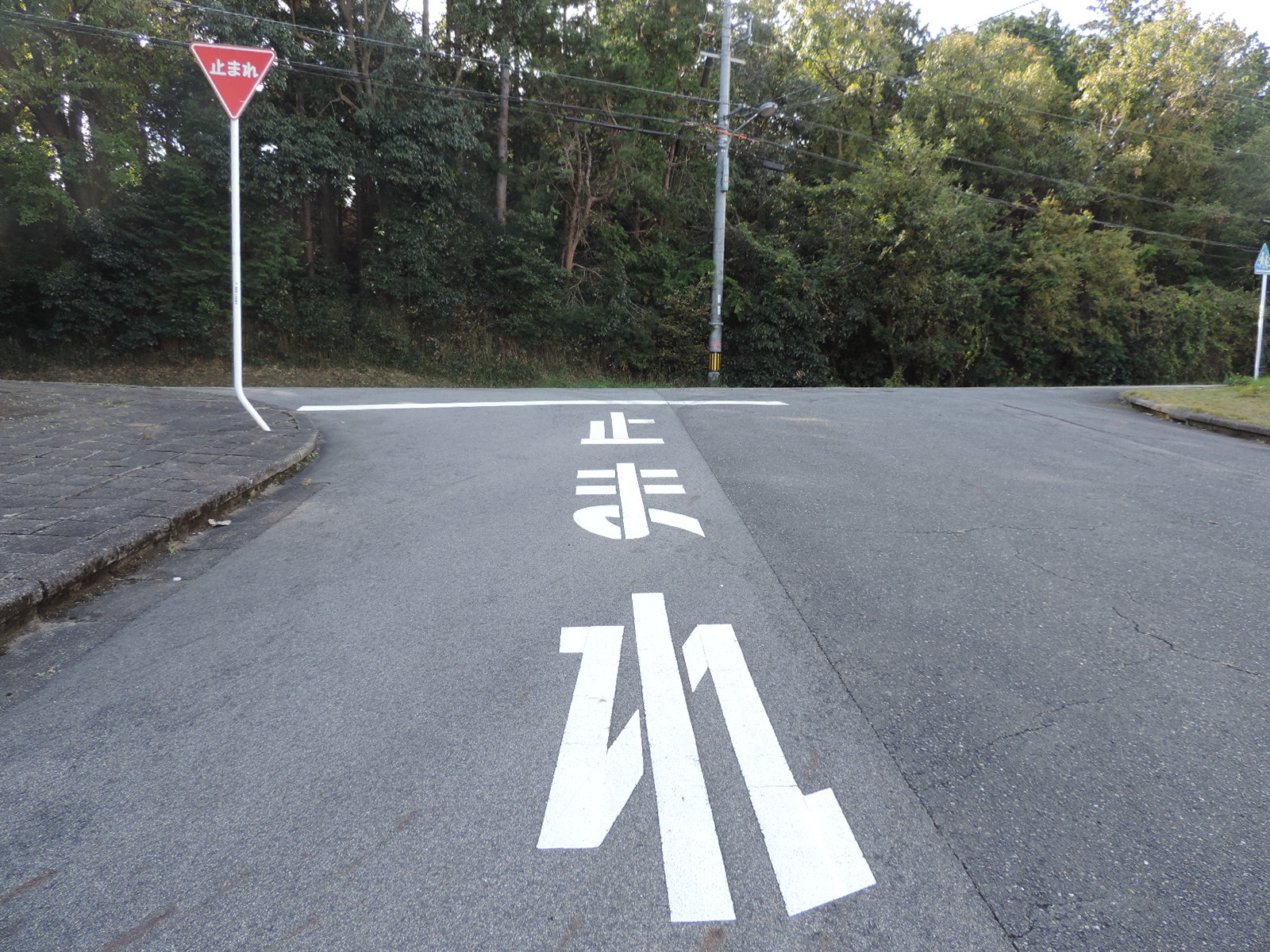
- At a red triangular 止まれ sign, make a full stop at the line and check both directions. A slow roll is not the same as stopping.
- Stop before a railway crossing and check both ways. Do not follow the vehicle in front through the crossing without making your own check.
- At a marked pedestrian crossing, stop when a person is crossing or about to cross. At an intersection, a right-turning vehicle yields to traffic going straight or turning left.
- Seat belts are required for every passenger. A child under six must use a child restraint; arrange the correct size with the rental company before pickup.
- Do not drive after drinking, and do not use a handheld phone while driving. The police also warn against driving while hungover.
- Follow the posted speed sign. From 1 September 2026, the default legal speed on certain narrow residential roads without a centre line is scheduled to fall from 60 km/h to 30 km/h; marked limits still govern, and roads with a centre line or vehicle lanes remain under their applicable rules. Check the NPA notice on the change when planning a trip after that date.
The NPA safe-driving leaflet and signs and markings guide are useful to save on your phone before departure.

City streets, rural roads and roadside stations
Tokyo and Osaka have dense junctions, one-way streets, buses, bicycles and paid parking. A hotel car park or an out-of-centre rental branch can be more useful than driving to a central attraction. Kyoto’s older streets and tourist areas need the same approach: park once in a permitted facility and walk or use local transport for the central sights.
Outside the large cities, the main problem is road width rather than traffic volume. Mountain roads can be narrow, and a route that looks short on a map can take much longer after a slow vehicle, a blind bend or a weather restriction. Keep the navigation screen secondary to road signs, and do not stop in a passing place or in front of a local entrance.
Look for Michi-no-Eki roadside stations on longer stages. JNTO describes them as government-designated rest areas with free parking, toilets and local information. They make better break points than an improvised shoulder stop and can help a driver divide a rural day into manageable sections.
Expressways, ETC and regional passes
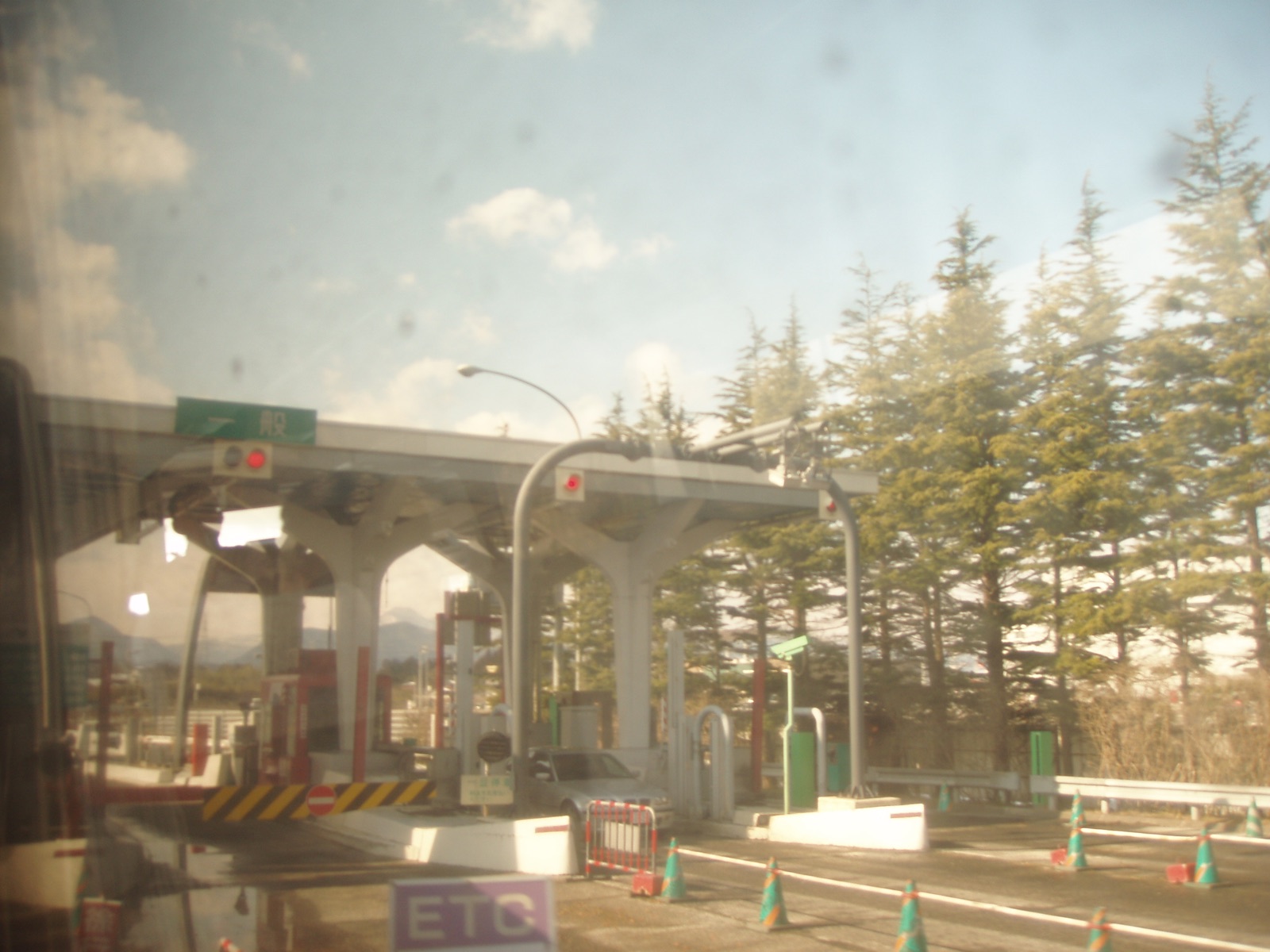
Most expressways charge by route and distance. At a toll plaza, green lanes are for manual payment and purple lanes are for ETC. Rental companies commonly rent the ETC card with the car; ask how the card is inserted, how charges are recorded, and when the final amount is settled at return. Keep the rental agreement and the receipt until the invoice is clear.
Regional expressway passes for foreign visitors change by area, operator and booking period. The nationwide Japan Expressway Pass is no longer sold according to the current JNTO guidance. Check the NEXCO Drive Plaza or the current JNTO car guide for the region and travel dates instead of relying on an old pass name.
Service Areas and Parking Areas usually provide toilets, food and fuel. Use them for planned breaks, especially on a long Hokkaido or mountain stage. On an expressway, do not walk along the carriageway after a breakdown; move behind a guardrail if it is safe and follow the rental company’s emergency procedure.

Parking, fuel and charging
Japan’s city parking is usually paid and time-limited. Coin-operated car parks may have different daytime, night and maximum-rate panels, so read the Japanese sign before leaving the vehicle. Never use a residents’ space, loading area, bus stop or roadside shoulder as a quick substitute. Attractions and accommodation may require a reservation or have a height limit for a mechanical car park; check the vehicle dimensions when booking.
Fuel stations offer regular petrol, high-octane petrol and diesel. Full-service stations have staff who can refuel the car, while self-service stations may require a few Japanese menu choices. Confirm the fuel type on the rental agreement before filling. EV charging is expanding, but connector types, payment apps and availability vary by network. A long rural EV route needs a confirmed charging plan rather than a general assumption that every service area has a fast charger.
Rental checks that prevent an expensive return
At pickup, photograph every existing scratch, wheel mark and windscreen chip. Confirm the vehicle class, passenger and luggage capacity, winter-tyre status, permitted roads, fuel policy, ETC card process and one-way return fee. Read the excess, collision waiver and non-operation charge separately; coverage differs by company and an off-road or tyre exclusion may still apply.
Ask for navigation in a language you can use, but keep the Japanese address or telephone number for the destination. Postal addresses can be difficult for a map search, and a telephone-number search may be more reliable. Save the rental company’s emergency number offline before leaving the branch.
Winter, rain and route timing
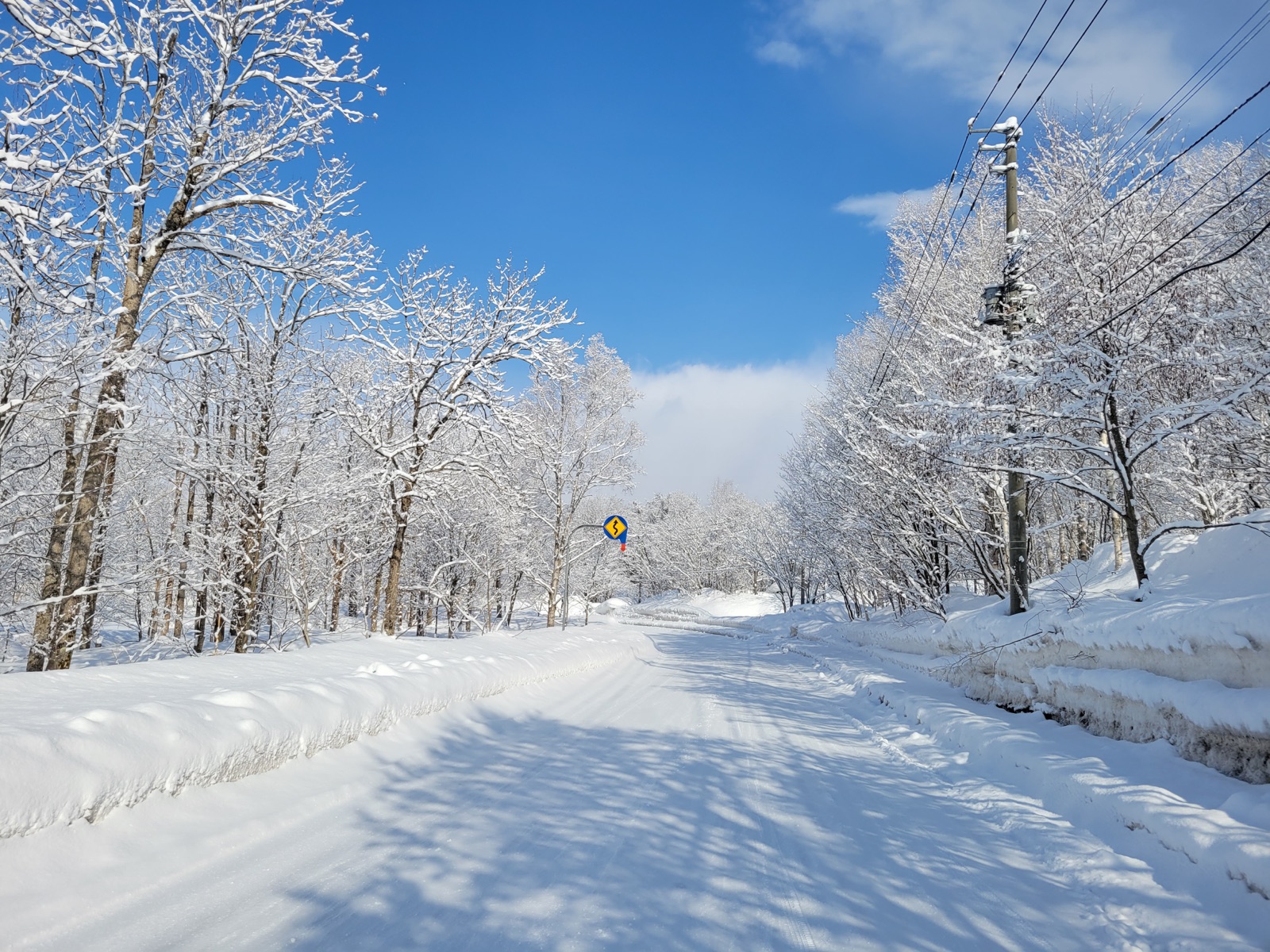
Snow regions need studless winter tyres and sometimes chains or a route-specific restriction. Confirm the actual equipment fitted to the car rather than accepting a generic “winter package.” Reduce the day’s distance when snow, freezing rain or a mountain closure is forecast, and leave a spare night near the return airport if the final road crosses a pass.
Heavy rain, typhoons, rockfall and earthquake-related closures can interrupt a route in any season. Check local road operator notices and the weather forecast on the morning of departure. A navigation app may still display a route after a closure, so follow the sign at the road entrance and turn around before a restricted section.
.jpg)
Accidents, breakdowns and road hazards
| Service | Number | Use it for |
|---|---|---|
| Police | 110 | Every traffic accident and police assistance |
| Ambulance / fire | 119 | Injuries, fire or a medical emergency |
| JAF road service | #8139 or 0570-00-8139 | Vehicle breakdown; interpretation is available for several languages |
| Road emergency line | #9910 | Potholes, fallen objects and other road defects; not a substitute for 110 |
After a collision, stop, switch off the engine and move to a safe place if the road position is dangerous. Give first aid within your ability, call 119 for an injured person and report the accident to 110 even if the damage looks minor. Do not leave before the police and rental company have the information they need. On an expressway, get behind a guardrail when it is safe; JAF specifically warns drivers not to remain in a broken-down vehicle on the carriageway.
A short departure checklist
- Original licence, correct paper IDP or authorised translation, passport and entry record.
- Rental contract, insurance/excess terms, emergency number and vehicle inspection photos.
- ETC card arrangement, fuel type, parking plan and accommodation address in Japanese.
- Weather, road closures, winter equipment and a realistic return-day buffer.
- 110 and 119 saved in the phone; #8139 saved for a breakdown.
Official sources and review date
This page was reviewed on 16 August 2026. The rules below are linked to the authority that supports them:
- National Police Agency: foreign driver’s licences and valid documents
- National Police Agency: safe driving rules for visitors
- National Police Agency: road signs and markings
- JNTO: things to know when renting a car
- NEXCO East: Drive Plaza expressway information
- JAF: multilingual roadside assistance
- MLIT: road emergency line #9910
Related Destinations
Frequently Asked Questions
- Do I need an International Driving Permit to drive in Japan?
- Most visitors need a paper IDP issued under the 1949 Geneva Convention, together with their original domestic licence. A card or smartphone version is not accepted. The permit is usable for up to one year from arrival, or until it expires, whichever comes first.
- What side of the road do they drive on in Japan?
- Japan drives on the left side of the road. Overtaking is done on the right.
- Can I drive in Japan with a US, Canadian or UK licence?
- A valid paper 1949 Geneva Convention IDP is normally required alongside the domestic licence. Apply through the issuing country's authorised organisation before departure and carry both documents.
- Which foreign licences can use a Japanese translation instead of an IDP?
- Japan's current National Police Agency guidance lists licences from Switzerland, Germany, France, Belgium, Monaco and Taiwan, China with a qualifying Japanese translation. The original licence and translation must be carried together.
- Is a car useful in Tokyo or Osaka?
- Usually not for the central districts. Rail and metro services are extensive, while traffic, one-way streets and paid parking make a rental car slow and expensive. A car becomes more useful in Hokkaido, Okinawa and rural areas.
- What should I do after a traffic accident in Japan?
- Move to a safe place if possible, help injured people, call 119 for an ambulance and report every accident to the police on 110, even when nobody appears injured. Then contact the rental company.
- Do I need winter tyres for a Japan road trip?
- For snow regions and mountain routes, confirm studless winter tyres, chains, route restrictions and weather closures with the rental company and local road operator. A clear city road does not guarantee a safe mountain route.
Information Sources & Disclaimer
This guide compiles information from the official transport authorities, road operators, government travel information, and automobile associations linked for Japan.
While we strive to keep this information as accurate and up-to-date as possible (last reviewed: August 2026), traffic laws and toll rates can change without notice. We recommend verifying critical information with the local authorities or your car rental agency upon arrival.
Learn more about our Editorial Process →Compare Your Origin and Destination
Use the comparison tool to check driving side, units, documents, and other destination data for your route.