Decide whether self-drive fits the route
Cambodia is easier to plan when the trip is split into three settings. Phnom Penh is a dense city transfer with motorcycles, tuk-tuks, pedestrians and frequent stopping. Siem Reap and the Angkor Archaeological Park add temple traffic, bicycles and managed parking. Provincial roads range from divided or newly resurfaced national routes to unsealed access roads that change quickly after rain. A local driver is a sensible option for a first airport transfer or a schedule that includes several long stages.
Cambodia drives on the right and uses kilometres per hour. Treat a posted sign, a traffic officer’s signal and the condition of the road as more useful than a remembered national speed table. Plan one main transfer per day, aim to reach rural accommodation before dark, and leave time for a slow truck, a market queue or a weather-related detour.

Licences, IDPs and the rental desk
The Ministry of Public Works and Transport (MPWT) licence page says every driver in Cambodia must hold a valid licence. It describes a Cambodian test route and an exchange route for eligible foreigners through the MPWT portal or service centres. The exchange checklist includes a passport, a valid visa, a Cambodian residence certificate, photographs, a medical certificate and a valid national licence. The page also says a licence not in English or French needs an embassy translation into English or Khmer.
That is not the same as a universal “IDP required” rule. MPWT has separately warned visitors not to confuse translation booklets or social-media “international driving licences” with a permit recognised by the ministry. Carry the original domestic licence and passport, and ask the exact rental branch and its insurer, in writing, which documents they accept for the vehicle class and dates. Keep the rental agreement, registration and insurance documents in the car.
The legal minimum age is 18, while a rental company can set a higher age, require a longer licence history or refuse an unsealed-road route. Photograph the plate, odometer, fuel level, tyres, windscreen and body panels at pickup. Confirm who pays for a puncture, recovery, flood damage and a police report before leaving the branch.
Rules that matter on the road
- Right-side traffic: keep right and overtake on the left unless a sign or officer directs otherwise.
- School zones: Cambodia Traffic Police publishes a 30 km/h limit within 100 metres of an education facility. Slow before the zone, not when a child is already in the carriageway.
- Seat belts and helmets: belt every available seat. If travelling by motorcycle, use a properly fastened helmet for every rider and passenger.
- Phone and alcohol: put the phone away while moving and do not drink before driving. The Traffic Police site lists phone use and BAC above 0.40 mg/L as serious enforcement matters.
- Lights and visibility: check headlights, brake lights and the horn at pickup. Unlit vehicles and pedestrians are harder to see outside town.
- Police stops: pull over safely, keep documents ready and request a written receipt for any official payment. Do not invent a cash settlement at the roadside.
The 2017 Road Traffic Law PDF is an unofficial English translation and states that the Khmer version prevails. Use it as a reference, then verify current enforcement on the Cambodia Traffic Police site before a long trip.
Phnom Penh and the main corridors
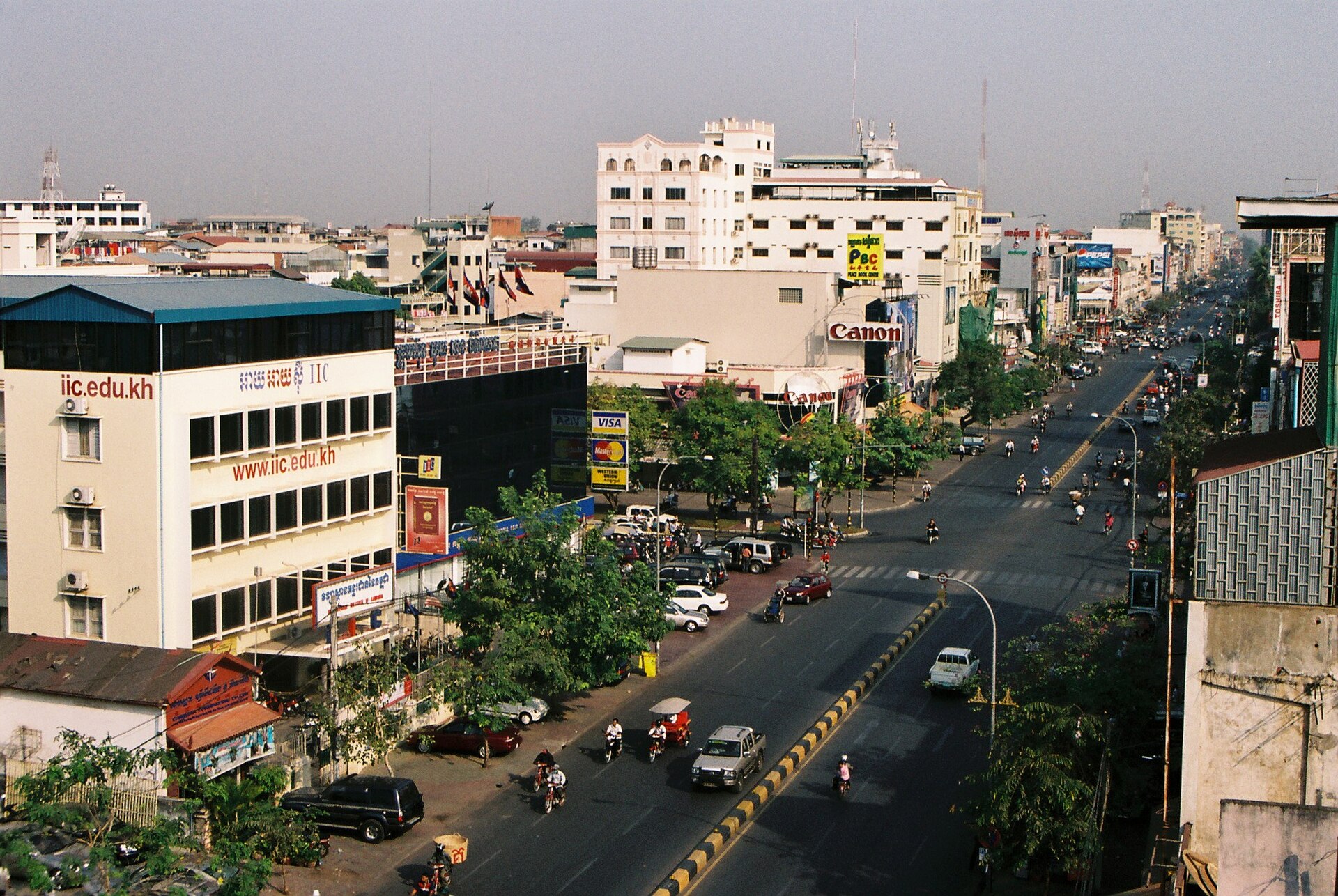
Phnom Penh’s broad boulevards can look simple from a map while requiring several decisions at each junction. Motorcycles may filter through gaps, tuk-tuks stop for passengers and a parked vehicle can narrow a lane without warning. Leave an escape space, avoid sitting beside a truck through a junction and check mirrors before moving from a kerb. The Traffic Police policy page highlights Phnom Penh and National Roads 1, 4 and 5 as high-risk areas, which is a useful reminder to slow down rather than a reason to label every road as unsafe.
National Roads 1, 5 and 6 connect the capital with Vietnam, Battambang and Siem Reap. Surfaces and lane layouts vary by section, with heavy trucks, villages, construction and roadside businesses sharing the route. Fill up in a larger town, keep a real daylight margin and do not use a map’s arrival time as a promise.
The Phnom Penh to Sihanoukville Expressway is a separate controlled-access option. MPWT’s notice describes distance-based tolling that began in November 2022. The launch prices are not a current fare table, so check the operator’s notice and the rental company’s payment arrangement before departure. Keep the vehicle registration, insurance and rental contact accessible at the entry and exit.
Siem Reap, Angkor and temple roads
Driving in Siem Reap is less dense than in Phnom Penh, but the road user mix changes near the temples. Tour buses, bicycles, tuk-tuks and pedestrians use the same approach roads, and visitors may cross while looking at a map. The APSARA Authority tourism information provides a visitor map and visitor code in several languages. Open it before the first temple day and follow the current signs at each gate.
Use marked or officially indicated parking instead of leaving a car beside a causeway. APSARA’s tourism planning material identifies official parking areas near several temple sites, while its visitor-safety notices ask drivers to follow traffic staff and take extra care around pedestrians. During heavy rain and strong wind, APSARA has warned visitors not to park beneath large trees because branches can fall or trees can be uprooted. Keep the car clear of tree lines during a storm and wait for staff instructions.

Provincial roads, rain and daylight margins
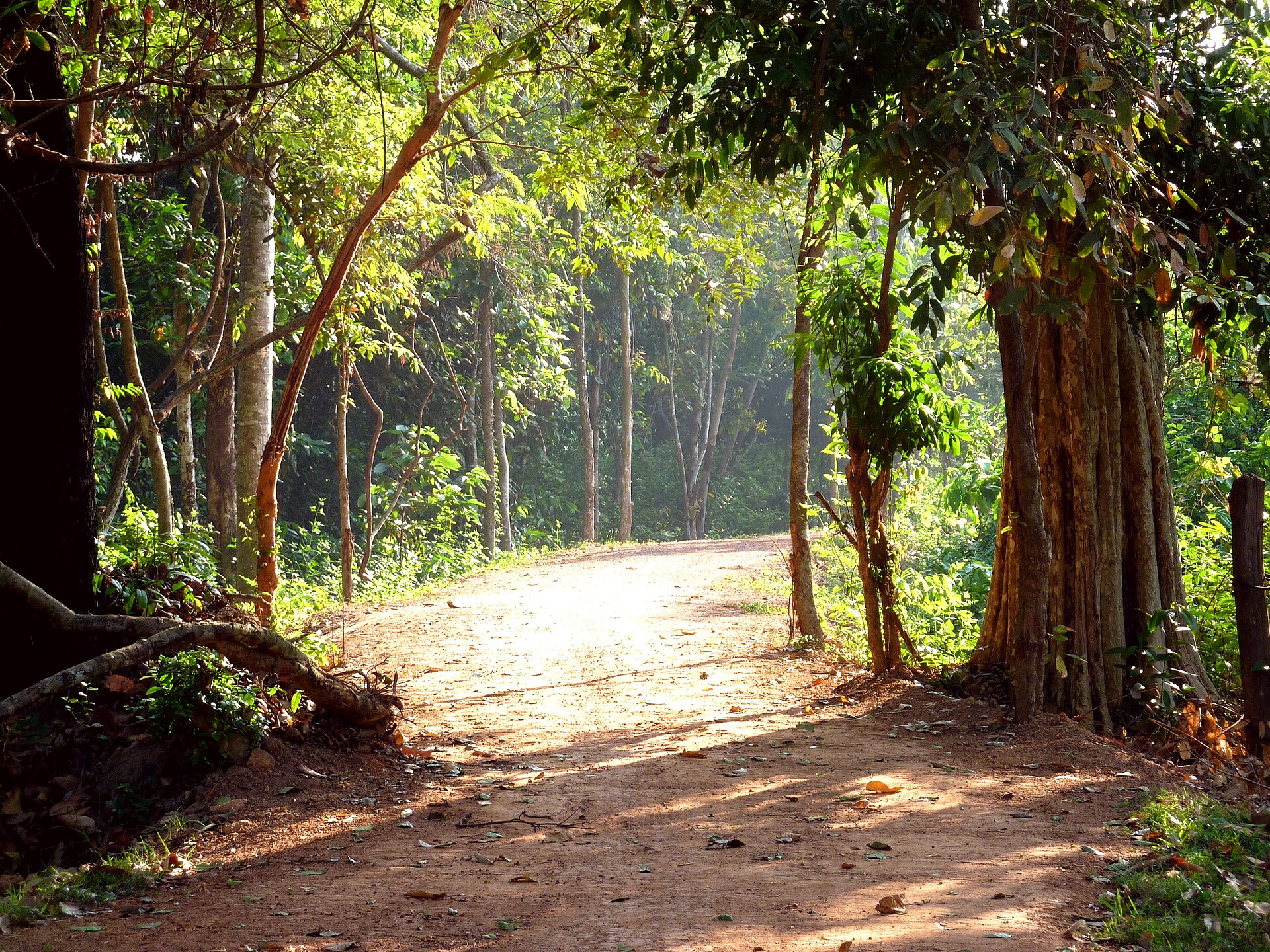
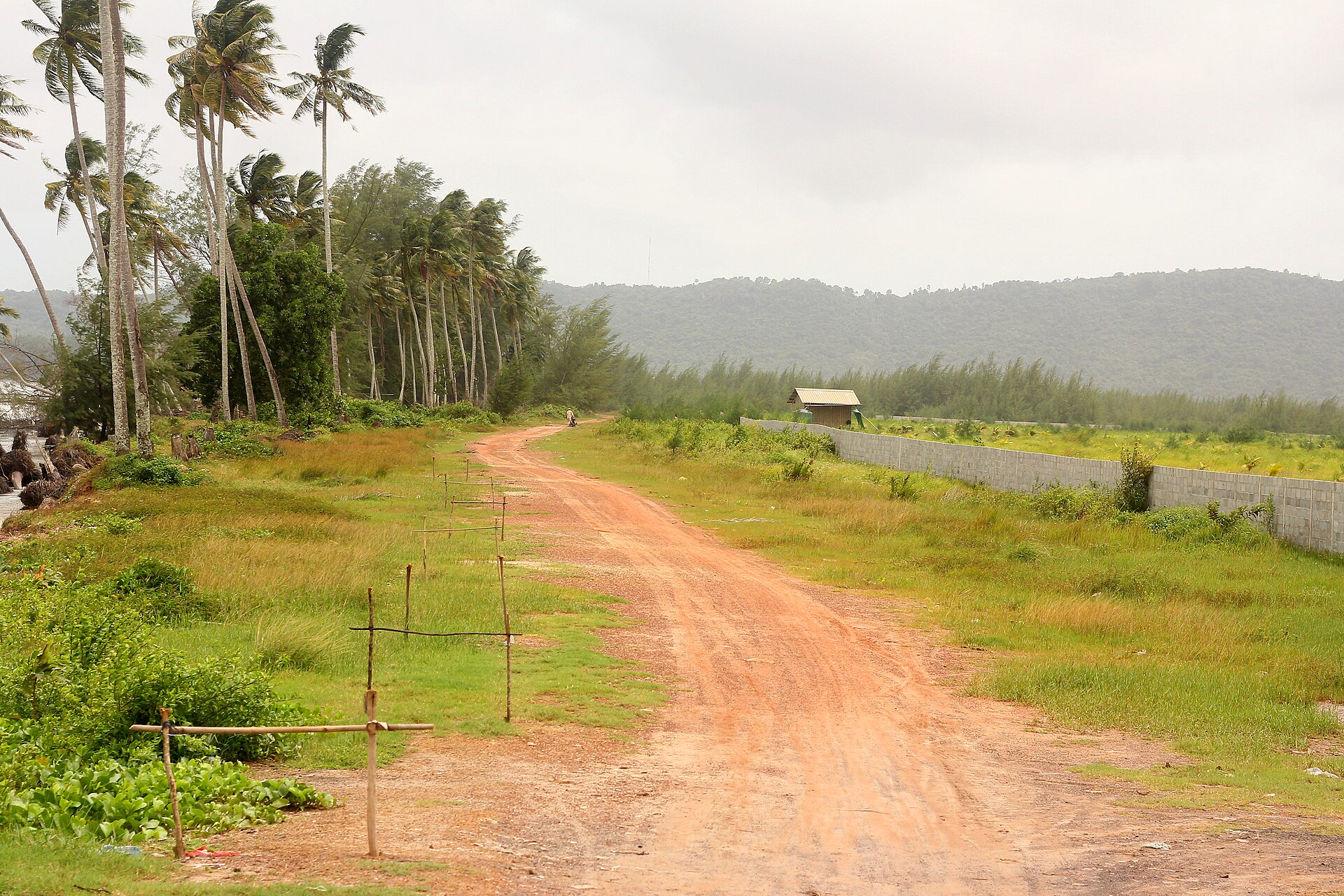
Outside the main corridors, a paved road can become a gravel shoulder, a construction diversion or a red-dust track within a short distance. Livestock, pedestrians, bicycles and vehicles without lights are easier to meet than to anticipate. Reduce speed before a blind bend, use the headlights when dust or rain lowers contrast and leave room for an oncoming vehicle that has crossed the centre line.
The wet season is broadly May to October, but the road decision is local. The Ministry of Water Resources and Meteorology publishes weather and flood-related updates, and the APSARA rainy-season notice describes slippery surfaces, strong winds and falling-tree risks around Angkor. Check a current warning, ask the hotel or rental desk about the last kilometres, and never enter moving or unknown water. A four-wheel-drive vehicle gives clearance, not permission to cross a flood.

Fuel, charging, parking and vehicle checks
Fuel is easiest to plan around Phnom Penh, Siem Reap and other larger towns. On remote stages, opening hours, card acceptance and the next station are less predictable. Confirm petrol or diesel at pickup, refuel before a long provincial leg and carry a small cash reserve. EV charging is expanding around cities but should not be assumed on a temple or border itinerary; verify the current network and the rental vehicle’s support plan.
At hotels, malls and temples, use marked or staff-directed parking. Do not block a gate, causeway, pedestrian route or main road. Remove bags from view and record the parking location before walking away. The rental handover should include a spare wheel, jack, warning triangle, working lights, contact number and clear instructions for a puncture or water-related delay.
Emergencies and useful contacts
| Service | Number |
|---|---|
| Police | 117 |
| Fire | 118 |
| Ambulance | 119 |
| Rental-company roadside help | On the contract and key tag |
The Cambodia Traffic Police publishes 117 for police, 118 for fire and 119 for ambulance. Give the operator the road number, direction, nearest town, vehicle plate and a map pin. After a collision, move out of a live lane only if safe, call the police and rental company, photograph the scene from a safe position and keep every receipt. National emergency numbers do not replace vehicle recovery or insurance reporting.
Official sources and review date
This page was reviewed on 17 August 2026. Licence and exchange information use the MPWT driver-licence service and its warning about unrecognised international licence booklets. Road-rule context uses the 2017 Road Traffic Law and Cambodia Traffic Police. Expressway tolling uses MPWT’s Phnom Penh to Sihanoukville notice. Angkor parking and visitor conduct use APSARA Authority tourism information and its rainy-season safety notice. Weather updates use the Ministry of Water Resources and Meteorology. Laws, fares, roadworks, park operations and rental terms can change, so open the named authority again before departure.
Related destinations
Frequently Asked Questions
- Can a foreign visitor drive in Cambodia with a home-country licence?
- Cambodia's Ministry of Public Works and Transport says every driver needs a valid licence and publishes a Cambodian licence test and exchange process for eligible foreigners. Ask MPWT, the rental branch and the insurer to confirm the exact document combination for your visa and vehicle before payment.
- Is an International Driving Permit enough on its own?
- Do not assume that an IDP alone is enough. MPWT warns that online translation booklets and unrecognised 'international driving licences' are not the same as a permit accepted by Cambodia. Carry the original licence and obtain written confirmation from the rental and insurer.
- What speed should I use in Cambodia?
- Follow the posted limit and slow further for school zones, villages, rain, dust, pedestrians and poor visibility. Cambodia's traffic police site identifies a 30 km/h limit within 100 metres of an education facility; do not turn the quick-facts ranges into a substitute for a sign.
- Does the Phnom Penh to Sihanoukville Expressway have tolls?
- Yes. MPWT describes distance-based charging on the Phnom Penh to Sihanoukville Expressway. Rates and payment arrangements can change, so check the current operator or MPWT notice and the rental contract before entering.
- Is driving in Phnom Penh suitable for a first-time visitor?
- It can be stressful because motorcycles, cars, tuk-tuks and pedestrians share limited space. A local driver is often the calmer choice for the airport or first city transfer. If you self-drive, practise the route in daylight and leave a margin at every junction.
- Can I drive to Angkor Wat and other temples?
- You can reach the Angkor area by road, but parking and visitor movement are managed around the temples. Use the APSARA Authority visitor map and visitor code, follow staff directions, use marked parking and expect pedestrians, bicycles and tour vehicles.
- What changes during the wet season?
- Rain between roughly May and October can reduce visibility, soften unsealed surfaces and flood low sections. Check local warnings before a provincial stage, never enter moving or unknown water, and allow a daylight turnaround rather than relying on a four-wheel-drive vehicle to make a crossing safe.
- Are rural roads in Cambodia easy to drive?
- Main national roads are different from farm and access roads. Dust, livestock, unlit vehicles, construction and sudden surface changes are common outside major corridors. Use daylight, reduce speed and ask the rental company about recovery cover for unsealed roads.
- Where can I find fuel or EV charging?
- Fuel is easiest to plan around Phnom Penh, Siem Reap and other larger towns. Stations and card acceptance become less predictable on remote routes. Charging is expanding near cities but is not a dependable assumption for a long provincial itinerary, so verify the current network before choosing an EV.
- Which emergency numbers should I save?
- Cambodia Traffic Police publishes 117 for police, 118 for fire and 119 for ambulance. Save the rental company's roadside number and your insurer's assistance line as well, because the national numbers do not replace vehicle recovery.
Information Sources & Disclaimer
This guide compiles information from the official transport authorities, road operators, government travel information, and automobile associations linked for Cambodia.
While we strive to keep this information as accurate and up-to-date as possible (last reviewed: August 2026), traffic laws and toll rates can change without notice. We recommend verifying critical information with the local authorities or your car rental agency upon arrival.
Learn more about our Editorial Process →Compare Your Origin and Destination
Use the comparison tool to check driving side, units, documents, and other destination data for your route.