Plan the road day before choosing the vehicle
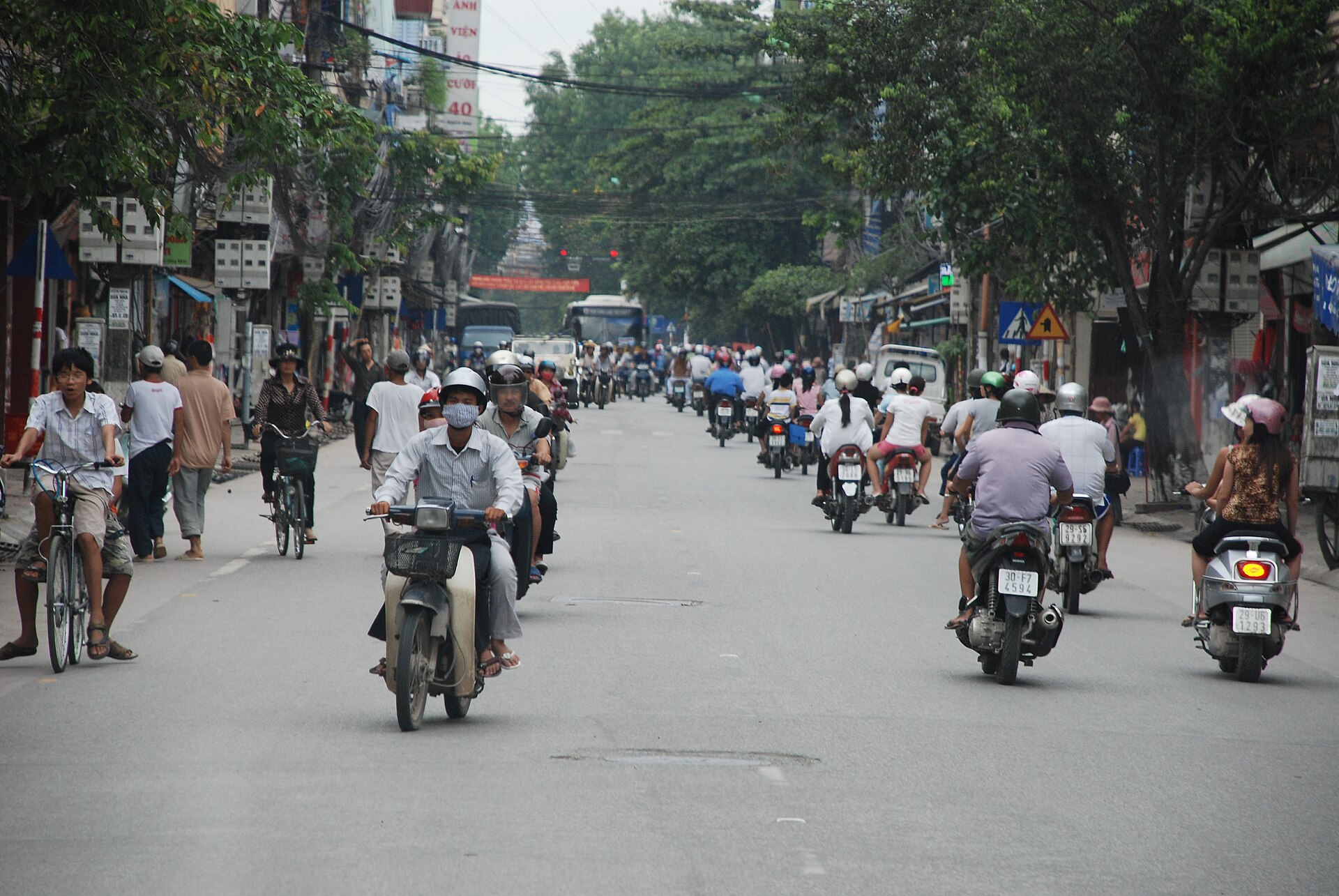
Vietnam is easier to understand as several different driving environments. Hanoi and Ho Chi Minh City have dense two-wheel traffic and frequent curbside activity. National Highway 1A carries trucks, coaches, motorbikes and local traffic through settlements. Expressways provide a more controlled long-distance route, but their toll accounts and access rules need checking. Hà Giang and the central coastal passes add bends, gradients and weather exposure.
Decide which of those environments belongs in the itinerary. A car can be useful between regional bases, while a local driver, taxi or ride-hailing service may make a city day simpler. Confirm the licence, rental contract, payment account and roadside number before paying a deposit.

Licences, the 1968 Vienna route and rental conditions
Vietnam’s current official driving-permit guidance describes the Vietnamese IDP as a 1968 Vienna Convention document. For a visitor bringing a foreign licence, the practical question is not simply “do I have an IDP?” Check that the issuing country is a party to the relevant convention, that the IDP is valid for Vietnam, and that its vehicle category matches the domestic licence. Carry both documents and the passport.
The Government Portal’s foreign-vehicle conditions covers a different situation: foreign vehicles temporarily entering Vietnam under a transport or tour arrangement. It should not be read as an automatic rental-car permission for every short-term visitor. A rental company can impose stricter requirements, refuse self-drive, or ask for a Vietnamese translation. Ask for the answer in writing and confirm that the insurer will cover a driver using the proposed documents.
The minimum legal driving age is 18, but rental age, licence-holding period, deposit card and named-driver rules are commercial conditions. At pickup, photograph the plate, tyres, glass, fuel or charge level, warning lights and existing damage. Record how tolls, parking, fines and roadside recovery are billed after return.
Speed, alcohol and daily road rules
The English text of Circular 38/2024/TT-BGTVT is the useful current reference for ordinary vehicle limits:
| Setting | Working reference | What controls the trip |
|---|---|---|
| Populated area | 50 km/h on a two-way road or one-way road with one motor lane; 60 km/h on a divided road or one-way road with at least two motor lanes | The sign, lane layout and temporary control |
| Outside populated areas | Ordinary passenger cars up to 28 seats and light trucks generally 80 or 90 km/h, depending on road layout | Vehicle class and the posted limit |
| Motorbikes | 40 km/h on roads outside expressways | The sign and the vehicle category |
| Expressway | Route-specific | The electronic or roadside sign and vehicle class |
Drive on the right, follow lane arrows and give way at marked junctions. Seat belts and helmets are not optional. Do not hold a phone while driving. Horns are common as a presence signal, but they do not cancel a red light, a stop line or a pedestrian’s priority. Vietnam’s traffic law is Law 36/2024/QH15, effective from 1 January 2025.
Alcohol needs a simple rule: do not drive after drinking. The Government Portal’s traffic-fine guidance and its 2026 enforcement update describe sanctions for detectable alcohol. An old percentage copied from a travel blog is not a safe planning tool.
City traffic: Hanoi and Ho Chi Minh City
City driving is a flow-management problem rather than a high-speed problem. Motorbikes may merge beside the car, pedestrians may cross between gaps, and a delivery stop can appear at the edge of a lane. Set navigation before moving, choose the exit lane early and leave space for a rider who is already alongside you. Keep junctions clear even when another vehicle is pressing from behind.
For a city-centre stay, compare the cost and stress of a car with a taxi or Grab. If the car is necessary, reserve a hotel or marked garage before arrival. Hanoi is rolling out electronic and cashless parking in 2026; the city government’s parking update shows why the payment method can differ from one location to the next. In Ho Chi Minh City, check the official traffic portal and read the sign beside the exact bay. Keep the receipt or payment screen.
Expressways, ETC accounts and national highways
Vietnam’s expressways have expanded quickly, but toll practice has moved toward account-based payment. The Ministry of Construction explains that from 1 October 2025 cars using ETC stations need a traffic account linked to a cashless payment method. The Vietnam Road Administration notice names VETC and ePass conversion and support channels.
Before joining an expressway, ask the rental branch whether the vehicle has a VETC or ePass tag, which account is linked to the plate, and whether a balance or post-rental invoice is required. Use the VEC route-toll and traffic portal for the current route rather than a fixed price from an old itinerary. Motorbikes are prohibited on many expressways; check access signs before planning a two-wheel route.
QL1A and other national roads pass through towns with mixed traffic. A truck may slow before a market, a coach may stop near a junction and a motorbike may turn across the flow. Hold a steady line, avoid blind overtakes and schedule more time than the map suggests. Break a long north-south journey into daylight stages.
Hà Giang and other mountain roads
The Hà Giang Loop has steep grades, narrow lanes and blind bends. Rain can bring loose rock, standing water or a temporary closure. The road is shared with local motorbikes, minibuses and trucks, so a rental car does not automatically have priority. A local driver is a sensible choice for anyone without recent mountain experience.
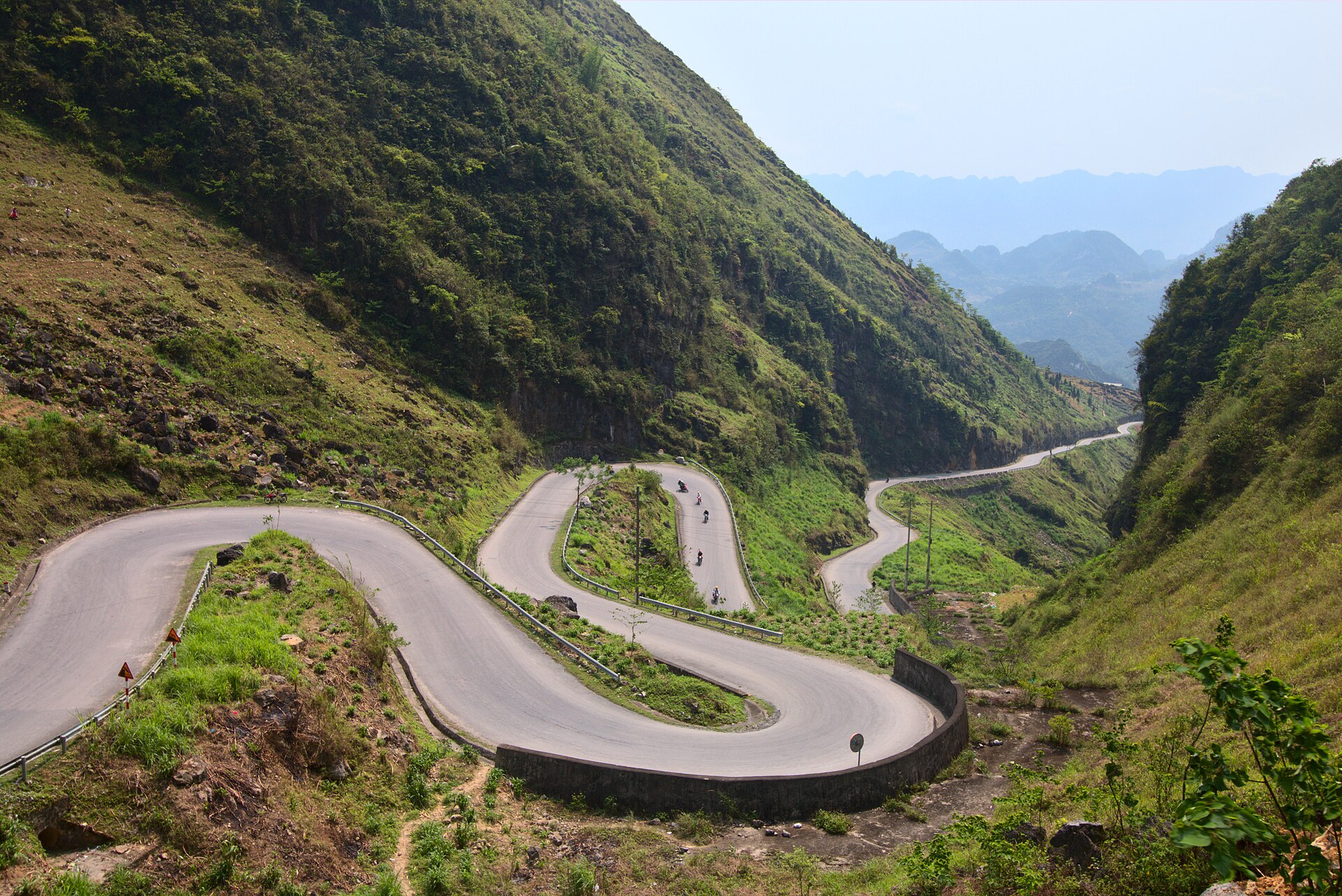

The National Center for Hydro-Meteorological Forecasting publishes forecasts, while its flash-flood and landslide map helps with route decisions. Check both on the morning of a mountain stage and again before a late return. Do not ride or drive through water whose depth or surface you cannot see.
Hải Vân Pass and the central coast
The Hải Vân Pass links the Huế and Đà Nẵng area with a steep, exposed crossing. The pass road is a scenic option for a confident driver in daylight; the tunnel is the more controlled choice when rain, fog, heavy traffic or a tight schedule changes the margin. Stop only in a marked viewpoint, never on a live lane.


Fuel, charging, parking and night driving
Petrolimex and PVOIL stations are common on major corridors, but remote stages still need a fuel margin. Prices change with the official adjustment cycle, so use the pump display and keep the receipt required by the rental company. For an electric vehicle, confirm live charger availability and connector compatibility before leaving a major city; a map pin alone is not a working charger.
Avoid a night mountain stage when the route is unfamiliar. Unlit vehicles, rain, pedestrians and roadside loading make hazards harder to read. In low urban areas, intense rain can flood a street within a short time. The forecast and landslide map are more useful than a fixed “rainy season” promise.
Emergency and collision procedure
| Need | Number or action |
|---|---|
| National emergency and disaster assistance | 112 |
| Police | 113 |
| Fire and rescue | 114 |
| Ambulance | 115 |
| Rental roadside assistance | The number on the contract |
The Ministry of Agriculture and Environment describes 112 as the nationwide emergency channel introduced for incidents and disaster assistance. The Vietnamese emergency-number list distinguishes 113, 114 and 115. Calls may be handled in Vietnamese only. Give the province, road number, direction, nearest landmark and vehicle plate; ask hotel staff, the rental company or a local passenger to translate.
After a collision, stop safely, switch on hazard lights and check for injuries. Do not move an injured person unless there is immediate danger. Photograph the road position, signs, damage and plate numbers, then contact police and the rental insurer. Do not sign a statement you cannot read; ask for translation and keep copies of the police report.
Sources and review date
This page was reviewed on 17 August 2026. Licence recognition, toll accounts, parking systems, road works, weather warnings and rental terms can change. Recheck the named authority and your contract immediately before departure:
- Vietnam Government Portal: foreign-vehicle conditions
- Vietnam Government Portal: Vietnamese international driving permit
- Circular 38/2024 speed limits, English text
- Law 36/2024/QH15
- Government Portal: traffic fines and alcohol enforcement
- Ministry of Construction: traffic-account conversion
- VEC route toll and traffic portal
- National Center for Hydro-Meteorological Forecasting
- Vietnam emergency hotline guidance
Related guides and destinations
Frequently Asked Questions
- Can a visitor drive in Vietnam with a foreign licence?
- There is no single licence rule for every passport. The recognised treaty route is a valid 1968 Vienna Convention IDP carried with the matching domestic licence and vehicle category. Check that your issuing country participates, then obtain written confirmation from the rental branch and insurer before booking.
- Does Vietnam accept every International Driving Permit?
- No. Vietnam's current official guidance centres on the 1968 Vienna Convention form. A permit must match the domestic licence and the vehicle category; an IDP alone is not a licence. Residents and some visitors have separate Vietnamese conversion or licence procedures.
- Is a car or a hired driver better for a Vietnam itinerary?
- A self-drive car makes most sense for a pre-planned regional route where the rental company accepts your documents. Hanoi, Ho Chi Minh City and narrow mountain loops often require more attention than the distance suggests. A licensed local driver, taxi or ride-hailing service can be the safer choice for those sections.
- What are the speed limits in Vietnam?
- Circular 38/2024 sets 50 or 60 km/h limits in populated areas according to road layout. Outside populated areas, ordinary passenger cars are generally limited to 80 or 90 km/h according to the road. Motorbikes have a 40 km/h limit on roads outside expressways, while expressways use posted limits and vehicle classes.
- Can I pay every Vietnamese expressway toll in cash?
- Do not plan on cash alone. Under the current traffic-account transition, cars using electronic toll lanes need a traffic account linked to a cashless payment method. Ask the rental company which VETC or ePass account and tag are active, who tops up the balance, and how the final charge is billed.
- Is the Hà Giang Loop suitable for a first mountain drive?
- It is a demanding route with blind bends, steep grades, mixed motorbike and truck traffic, and rain-related landslide risk. Use a local driver unless you already have the correct category of licence and recent mountain experience. Check the weather and the national landslide map before leaving each stage.
- What is the alcohol rule for driving in Vietnam?
- Vietnam enforces a zero-alcohol rule for drivers. Do not calculate a personal BAC allowance after drinking. The 2025 and 2026 enforcement notices describe sanctions for any detectable alcohol, so use a taxi or a sober driver after consuming alcohol.
- Which emergency numbers should I call after a crash?
- Call 112 for national emergency and disaster assistance, 113 for police, 114 for fire, and 115 for an ambulance. English service is not guaranteed. Give a road name, direction, kilometre marker or nearby landmark, and ask hotel or rental staff to translate while you stay with the injured person.
- Where should I check flooding and road weather?
- Use the National Center for Hydro-Meteorological Forecasting forecast and flash-flood or landslide map before mountain and coastal stages. Heavy rain can flood low urban streets and close a pass after you have set out, so keep a tunnel or lower-route alternative.
Information Sources & Disclaimer
This guide compiles information from the official transport authorities, road operators, government travel information, and automobile associations linked for Vietnam.
While we strive to keep this information as accurate and up-to-date as possible (last reviewed: August 2026), traffic laws and toll rates can change without notice. We recommend verifying critical information with the local authorities or your car rental agency upon arrival.
Learn more about our Editorial Process →Compare Your Origin and Destination
Use the comparison tool to check driving side, units, documents, and other destination data for your route.