Choose the road environment before choosing the car
Malaysia drives on the left and uses kilometres per hour, but a self-drive itinerary can move through very different conditions in one day. Kuala Lumpur and George Town involve buses, motorcycles, junctions and parking decisions. The Peninsular expressway network is faster and cashless at PLUS toll plazas. Cameron Highlands adds gradients, bends and weather. Sabah and Sarawak add longer distances, work zones and fewer services between towns.
The useful question is not whether Malaysia is “easy” or “hard”. It is whether the vehicle, documents, payment method and daylight window match the route. Keep the first city transfer short, make mountain arrivals before dark, and leave a fuel and time margin for Borneo construction.
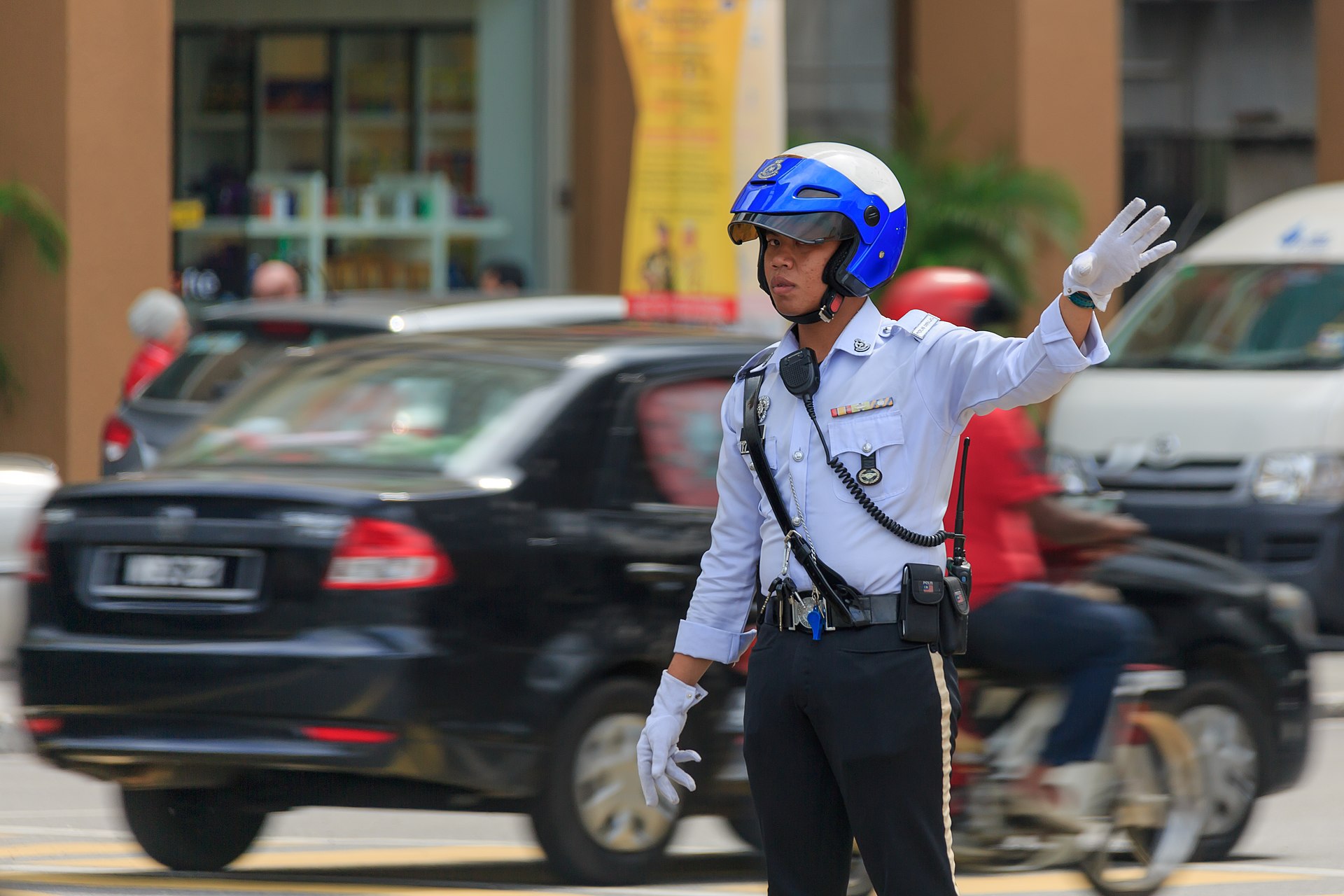

Foreign licences, IDPs and the rental desk
Malaysia’s Ministry of Transport driving-licence page links visitors and licence holders to JPJ services, but the document route for a foreign visitor depends on the agreement that covers the issuing country. The ministry’s 2025 parliamentary transport-answer archive describes three useful distinctions: the 1949 Geneva Convention route generally uses a valid domestic licence together with an IDP; the 1985 ASEAN agreement can allow an ASEAN visitor to drive with a valid home licence when the information is understandable; and separate mutual-recognition arrangements may cover other countries.
That is why the old “IDP always required” sentence is too broad. Send the rental branch a scan of the licence, issuing country, vehicle class, translation or language details, and planned stay. Ask for a written answer that names every document the branch and its insurer will accept. Carry the original licence, passport and the rental agreement. An IDP may make a licence easier for a clerk or officer to read, but it is not a substitute for the domestic licence.
If you bring your own foreign-registered vehicle into Peninsular Malaysia, the JPJ Vehicle Entry Permit (VEP) portal and the 2025 enforcement notice apply. This is a cross-border vehicle requirement, not a reason to tell an ordinary rental-car customer that every rental needs VEP.
The legal driving age is 17, while a rental counter may require 21 or 23 and add a young-driver charge. Check the branch’s age, licence-held-for period, deposit and vehicle-class rules before booking. At pickup, photograph every panel, wheel, windscreen, fuel gauge and odometer. Ask whether gravel, mountain access, tyres, underbody damage and recovery outside the paved network are excluded.
Rules that affect a visitor’s drive
- Left traffic: keep left and overtake on the right. Signal early; motorcycles can be alongside the car before a mirror check is complete.
- Speed: the Ministry of Transport road-safety page gives examples rather than one universal national number: urban roads 50–80 km/h and rural roads 70–110 km/h. Use the posted sign, work-zone board or local limit. Expressways may be posted up to 110 km/h.
- Seat belts and helmets: all private-vehicle occupants must wear seat belts; motorcycle riders and passengers must wear helmets. Do not treat a short ride to a hotel as an exception.
- Child restraints: CRS guidance applies to private vehicles for a child under 36 kg, under 136 cm or under 12 years, with UN R44/R129-compliant equipment. Confirm the rental company’s actual seat and fitting before arrival.
- Phone and alcohol: set navigation before moving, keep the phone out of your hand and choose zero alcohol before driving. A government direction toward a 0.05 g/dl BAC standard is not a safe drinking allowance for a visitor.
- Automated enforcement: JPJ’s AwAS FAQ describes detection of speeding, red lights, emergency-lane use, tailgating and certain overtaking offences. A rental-company notice can arrive after the trip, so keep the contract and plate details.
Motorcycles deserve a separate mirror rhythm. Check the blind spot immediately before moving, leave room beside the lane line, and do not close a gap because a rider is filtering through it. At a junction, a green light is not permission to turn across a hidden motorcycle or pedestrian.
Kuala Lumpur, George Town and parking
Kuala Lumpur is a poor place to learn the car’s dimensions while carrying luggage. If the branch is at the airport, leave the metropolitan area in daylight or use a driver for the first transfer. Program the route before moving, choose the lane for the next turn early and use a hotel, mall or staffed garage rather than circling the centre.
George Town’s central attractions have limited parking, as Tourism Malaysia’s city guidance notes. Park at the edge of the heritage core and walk, take a bus or use e-hailing for the short city segment. Check a local sign or council app before paying for street parking; a generic claim that every city meter takes Touch ‘n Go is not reliable.
Melaka is a better overnight stop for a peninsula loop. Tourism Malaysia places it about 125 km from Kuala Lumpur, but the practical arrival time depends on traffic and the expressway payment queue. Reserve a hotel with a confirmed parking space and do not leave passports or electronics in the car.
Expressways, tolls and live traffic
The PLUS Plan Your Journey page describes a network of roughly 1,130.5 km and confirms that cash is no longer accepted on PLUS expressways. Touch ‘n Go is accepted at all PLUS toll plazas; SmartTAG and MyRFID depend on the equipment and lane. Open-payment pilots are limited to named plazas, so do not assume that a foreign bank card will work at every booth.
Before joining a closed-toll section, confirm that the rental car’s Touch ‘n Go card or RFID account is registered to the correct vehicle, has enough balance and can be topped up. Use the same card and payment method at entry and exit. Do not tailgate an RFID vehicle, and keep the plate readable. Other concessionaires can use different equipment or billing, so ask about each named road rather than treating “Malaysia tolls” as one system.
For live traffic, use the LLM traffic service or call 1800-88-7752. On PLUS, PLUSLine 1-800-88-0000 handles the operator’s traffic and assistance channel. Save both numbers before leaving the airport; a screenshot of yesterday’s traffic is not a current road check.
Cameron Highlands: two approaches, one daylight rule
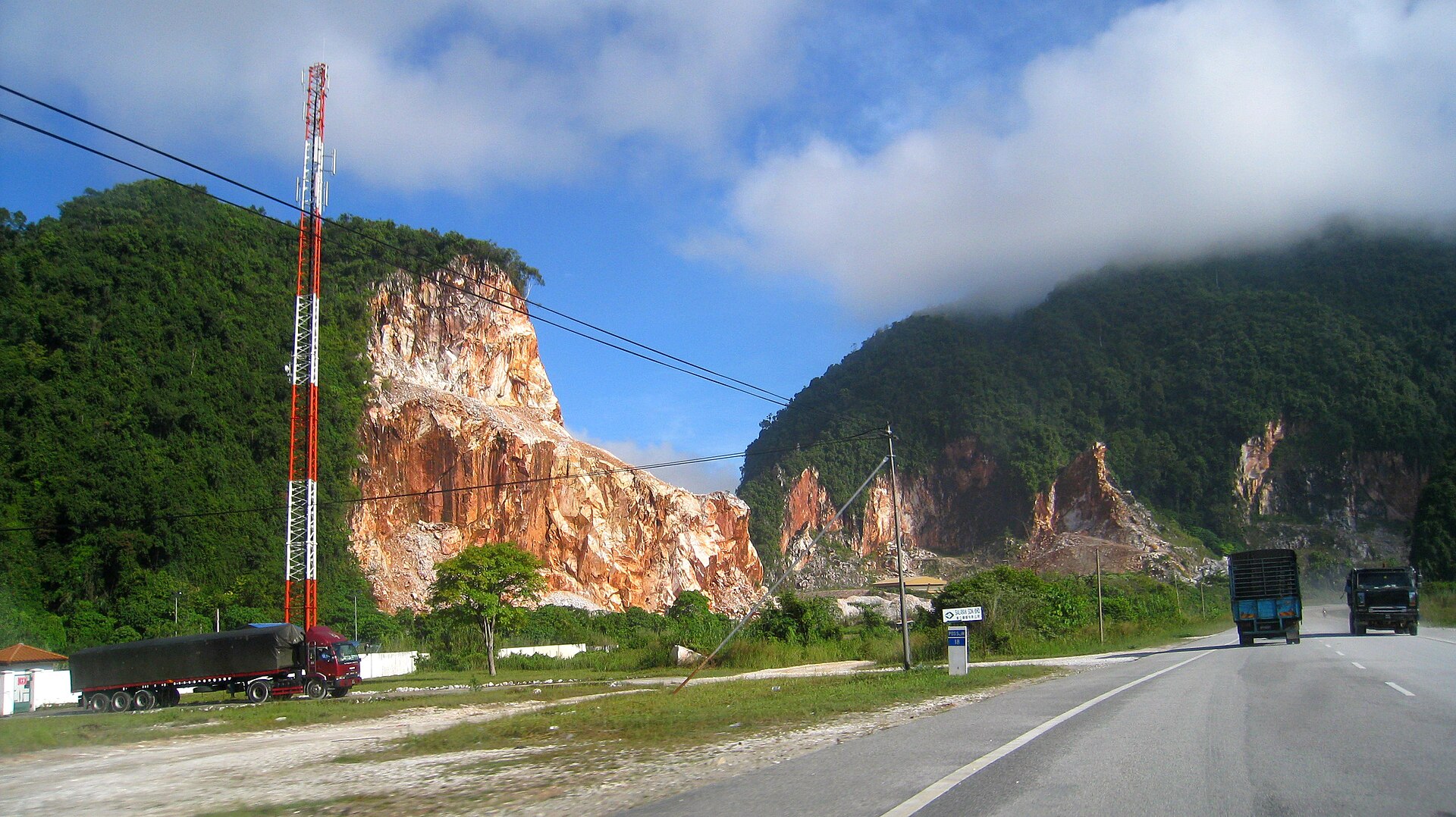
Tourism Malaysia’s Cameron Highlands guidance describes the newer Simpang Pulai approach as the smoother option and the original Tapah road as narrower with sharp bends. The official cool-highlands brochure places both approaches on the route map and recommends starting early and checking local advice in poor weather.
The photograph below shows why a map distance does not tell the whole story. Hold a lower gear on a descent, leave room for buses and lorries, do not stop on a blind bend, and arrive before mist or darkness settles. If heavy rain, a landslide warning or a local closure changes the plan, keep the car on the main route and postpone the viewpoint rather than forcing a narrow branch road.
.jpg)
Sabah, Sarawak and the Pan-Borneo road
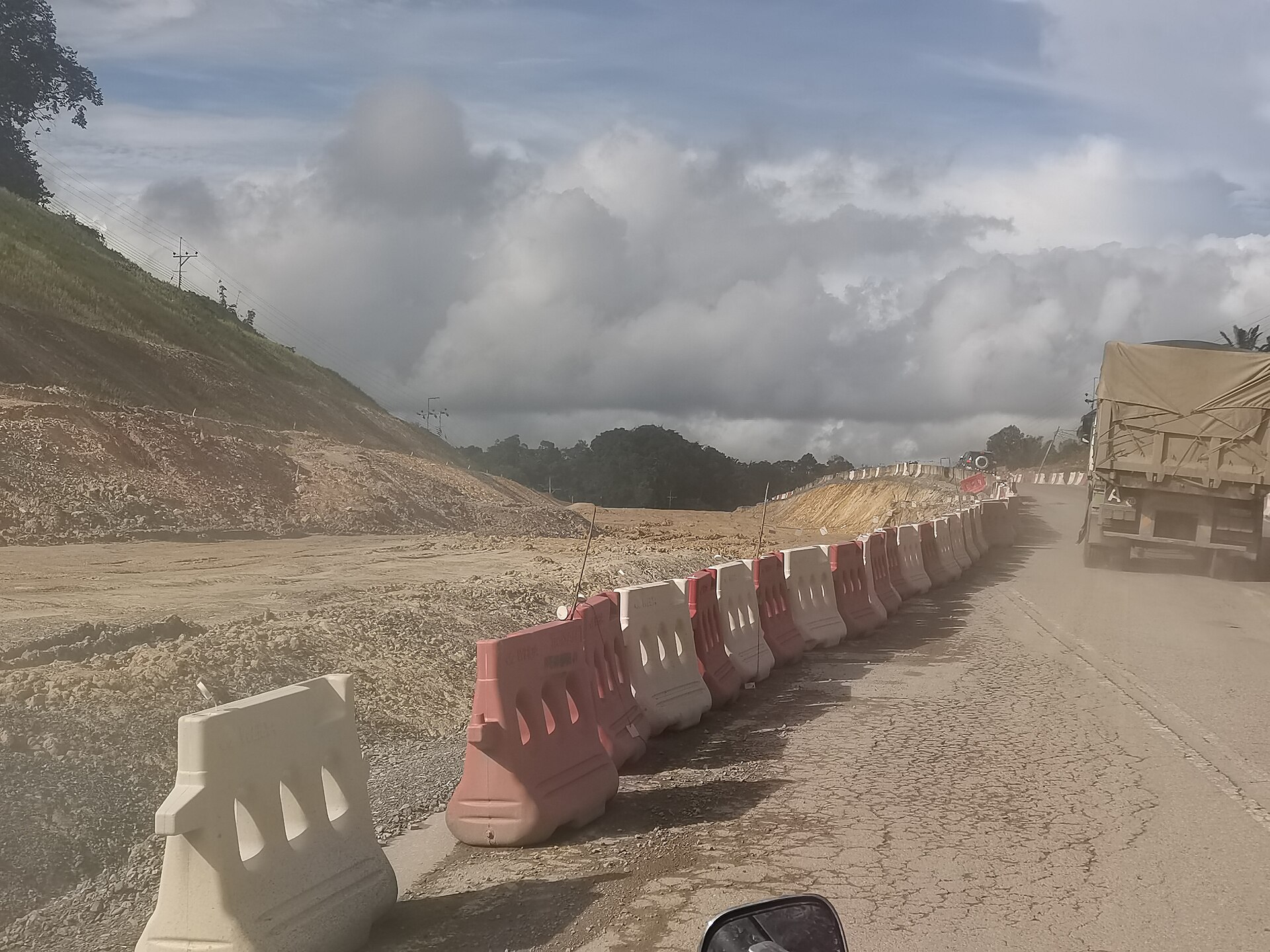
The Pan-Borneo route is not one uniform motorway. KKR’s current Sabah updates and its January 2026 construction notice show staged packages with work continuing into 2026. Lane widths, temporary barriers, junction access and completion dates can change. Allow more time than a navigation estimate and check the latest operator or government notice for the exact section.
Outside the main towns, the useful margin is fuel, water, phone power and daylight. A fuel station shown on a map may have limited hours. Logging trucks, pedestrians, animals and roadworks can occupy the usable lane. Keep the rental company’s recovery boundary in writing; an ordinary compact car is not automatically authorised for a plantation track or a damaged detour.

Monsoon rain, floods and road alerts
The Malaysian Meteorological Department describes the Southwest Monsoon from late May to September and the Northeast Monsoon from November to March. The northeast season brings heavier rain to the east coast of Peninsular Malaysia, western Sarawak and eastern Sabah. Inter-monsoon afternoons can bring thunderstorms on the west coast.
Use myCuaca and the relevant road operator before a long stage. Do not enter floodwater, even if a vehicle ahead has crossed. Turn around when the water level is rising, a bridge or shoulder is unstable, or visibility hides the road edge. Move to higher ground and follow local authority instructions; thunderstorms can trigger flash floods, landslides and strong crosswinds on exposed roads.
Fuel, charging and the handover record
Fuel is easy to find on the peninsula’s main corridors, but a Sabah or Sarawak stage needs a larger reserve. Ask which fuel grade the rental car takes, whether the tank is full at pickup and how the return reading will be assessed. Confirm the location and opening hours of the next staffed station before leaving a town.
EV charging is expanding in Kuala Lumpur, Penang and along major highways, but coverage is less predictable in East Malaysia. Treat a charging app’s pin as a lead, not a guarantee: check connector, access hours, payment method and whether the rental company permits the route. Photograph the charge or fuel reading, toll card, vehicle condition and odometer at both ends of the rental.
Emergencies and collision procedure
Malaysia’s MERS 999 service integrates police, fire and rescue, health, maritime and civil-defence responses. Save:
| Service | Number or action |
|---|---|
| Police, fire, ambulance and integrated response | 999 |
| PLUS expressway assistance | 1-800-88-0000 |
| National expressway traffic information | 1800-88-7752 |
| Rental roadside help | The contract and key tag |
| Road accident report | Nearest police station within 24 hours |
On a PLUS expressway, switch on hazards, move behind the guardrail only when safe, keep passengers away from traffic and give the operator the direction, kilometre marker and incident type. After a collision, call 999 if anyone is injured, photograph the scene from a safe position, exchange details and notify the rental company. Royal Malaysia Police guidance says a road accident must be reported at the nearest police station within 24 hours.
Official sources and review date
This page was reviewed on 17 August 2026. Foreign-licence routes use the Ministry of Transport licence page, the ministry’s 2025 parliamentary transport-answer archive and JPJ’s IDP service information. Speed, belts, child restraints and road-safety context use MOT road-safety regulation, MOT CRS guidance and the JPJ AwAS FAQ. Toll and operator guidance uses PLUS Plan Your Journey, PLUS contact information and LLM traffic services. Weather uses METMalaysia phenomena guidance and myCuaca. Emergency procedure uses MERS 999 and Royal Malaysia Police accident guidance. Laws, roadworks, toll devices, weather and rental terms can change, so reopen the named authority before departure.
Related guides and destinations
Frequently Asked Questions
- Can I use my home-country licence to drive in Malaysia?
- It depends on the recognition route. ASEAN visitors may use a valid home licence when its information is understandable; visitors covered by the 1949 Geneva Convention generally carry the domestic licence and an IDP; other cases need written confirmation from the rental branch and JPJ or the relevant authority.
- Is an International Driving Permit always required in Malaysia?
- No single answer covers every nationality. Malaysia's transport ministry describes different treaty and agreement routes. Do not rely on a generic 'IDP required' label: send the issuing country, licence class and language to the rental company before payment and keep its written reply.
- What is the minimum driving age in Malaysia?
- The legal driving age is 17 for a Malaysian licence, but rental companies commonly set a higher minimum, often 21 or 23, with a young-driver fee. The branch's contract and vehicle class control the rental.
- What speed limits should I expect?
- The Ministry of Transport gives examples of 50–80 km/h in urban areas and 70–110 km/h on rural roads. Expressways can be posted up to 110 km/h. Signs, work zones and local authority limits always override a general range.
- How do PLUS tolls work with a rental car?
- PLUS expressways no longer accept cash. Touch 'n Go is accepted at all PLUS toll plazas, while RFID and SmartTAG lanes depend on the vehicle and lane. Ask the branch for the card or tag, confirm its balance, and use the same payment method and card for a closed-toll entry and exit.
- Where can I check live Malaysian road conditions?
- Use the LLM Traffic portal, app or hotline 1800-88-7752 for national expressway information. On PLUS roads, call PLUSLine at 1-800-88-0000. Weather warnings come from METMalaysia and its myCuaca app.
- Is Kuala Lumpur suitable for a first day of self-driving?
- A short airport-to-outskirts transfer in daylight is easier than a hotel-to-hotel city loop with luggage. Junctions, motorcycles, buses and one-way streets require early lane choices. Use a hotel or mall garage and consider rail or e-hailing for the city centre.
- Which road is easier to Cameron Highlands?
- Tourism Malaysia describes the older Tapah approach as narrow with sharp bends, while the newer Simpang Pulai route is smoother and less precarious. Arrive in daylight, use a lower gear on descents, and check weather and local access before leaving.
- Is the Pan-Borneo Highway a continuous motorway?
- No. Sabah and Sarawak sections are being built or upgraded in stages, so lane layouts, barriers and travel times change. Treat each work zone as a live road condition, carry fuel and water, and check current notices rather than assuming a four-lane standard.
- What should I do in a Malaysian road emergency?
- Call 999 for the integrated police, fire, medical and civil-defence response. On a PLUS expressway, move behind the guardrail only when safe, mark the vehicle, call PLUSLine, and report a road accident to the nearest police station within 24 hours.
Information Sources & Disclaimer
This guide compiles information from the official transport authorities, road operators, government travel information, and automobile associations linked for Malaysia.
While we strive to keep this information as accurate and up-to-date as possible (last reviewed: August 2026), traffic laws and toll rates can change without notice. We recommend verifying critical information with the local authorities or your car rental agency upon arrival.
Learn more about our Editorial Process →Compare Your Origin and Destination
Use the comparison tool to check driving side, units, documents, and other destination data for your route.