Overview
Denmark is compact enough that a road trip can join Copenhagen, the islands and Jutland without long days behind the wheel. The driving itself is usually straightforward: roads are signed consistently, the main motorways are well maintained, and traffic outside the largest cities is light. The parts that need preparation are more specific: cyclists at every Copenhagen junction, paid parking by registration plate, two major bridge crossings and environmental rules for older diesel cars.
Plan the city portion separately from the intercity portion. A car is useful for coastal villages, smaller islands and rural museums, but it is often a liability in central Copenhagen. A simple itinerary is to use public transport in the capital, collect the car afterwards, and return it before a city-centre hotel stay.
Licence, documents and insurance
- A valid EU/EEA driving licence is accepted for driving in Denmark. The Danish Road Traffic Authority’s licence guidance explains exchange and validity rules.
- For a licence issued outside the EU/EEA, do not rely on a generic “IDP not required” statement. Check the recognition rules for the issuing country, whether a translation or IDP is needed, and the rental desk’s policy. Bring the physical licence; a phone image is insufficient.
- Keep your passport or national ID, rental agreement, insurance details and vehicle registration documents in the car. If you cross to Sweden or Germany, confirm the rental company’s cross-border permission and insurance first.
- The minimum legal driving age is 18, while rental companies commonly set a higher age and may add a young-driver fee.
Rules that affect a visitor
Denmark drives on the right. Posted signs always take precedence over a planning range: built-up roads are often 50 km/h, many urban streets are signed 30 or 40 km/h, rural roads are commonly 80 km/h, and motorways use 110 or 130 km/h sections. Copenhagen’s city speed programme uses signed 30 and 40 km/h zones, so do not assume the national urban figure applies on every block.
The standard blood-alcohol limit is 0.5 mg/ml. Seat belts and appropriate child restraints are required, and handheld phone use is prohibited; use a properly mounted hands-free system. Danish lighting rules are conditional rather than a simple “headlights always on” slogan: use the required lights in darkness and poor visibility, and follow the vehicle and road signs for daytime running lights. The EU road-rules overview for Denmark is a useful pre-trip check.
Copenhagen: cyclists and junctions
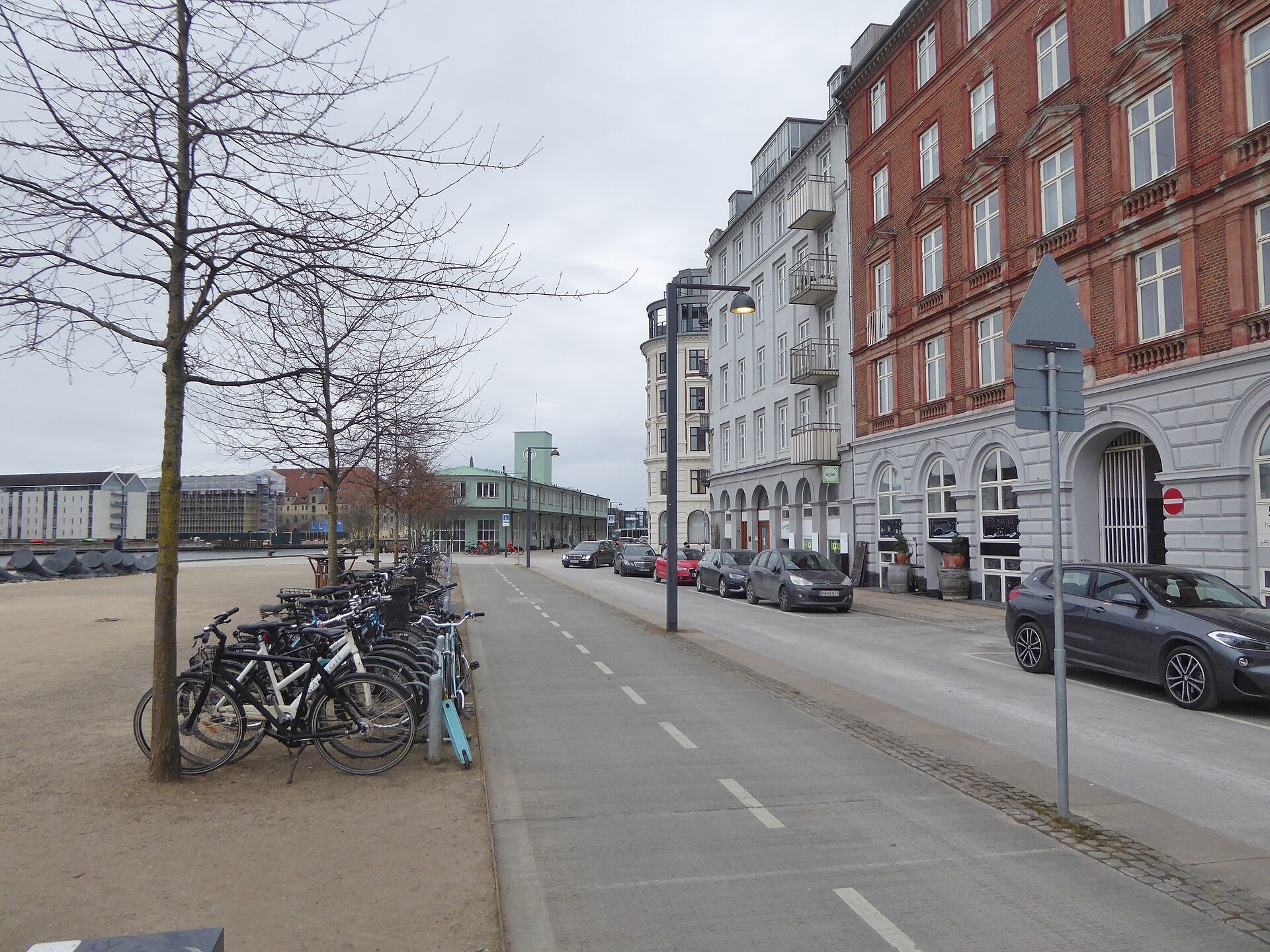
Cycle tracks are part of the road layout, not an optional shoulder. Before turning right, check the mirror and blind spot, signal early, and cross the cycle track only when it is clear. At a red light, wait behind the stop line; do not stop on the cycle track. Open the driver’s door with a shoulder check, especially on a narrow residential street. A cyclist may be travelling faster than the car appears to be moving, and a green signal for the car does not remove the need to check the track.

Motorways, bridges and rural roads
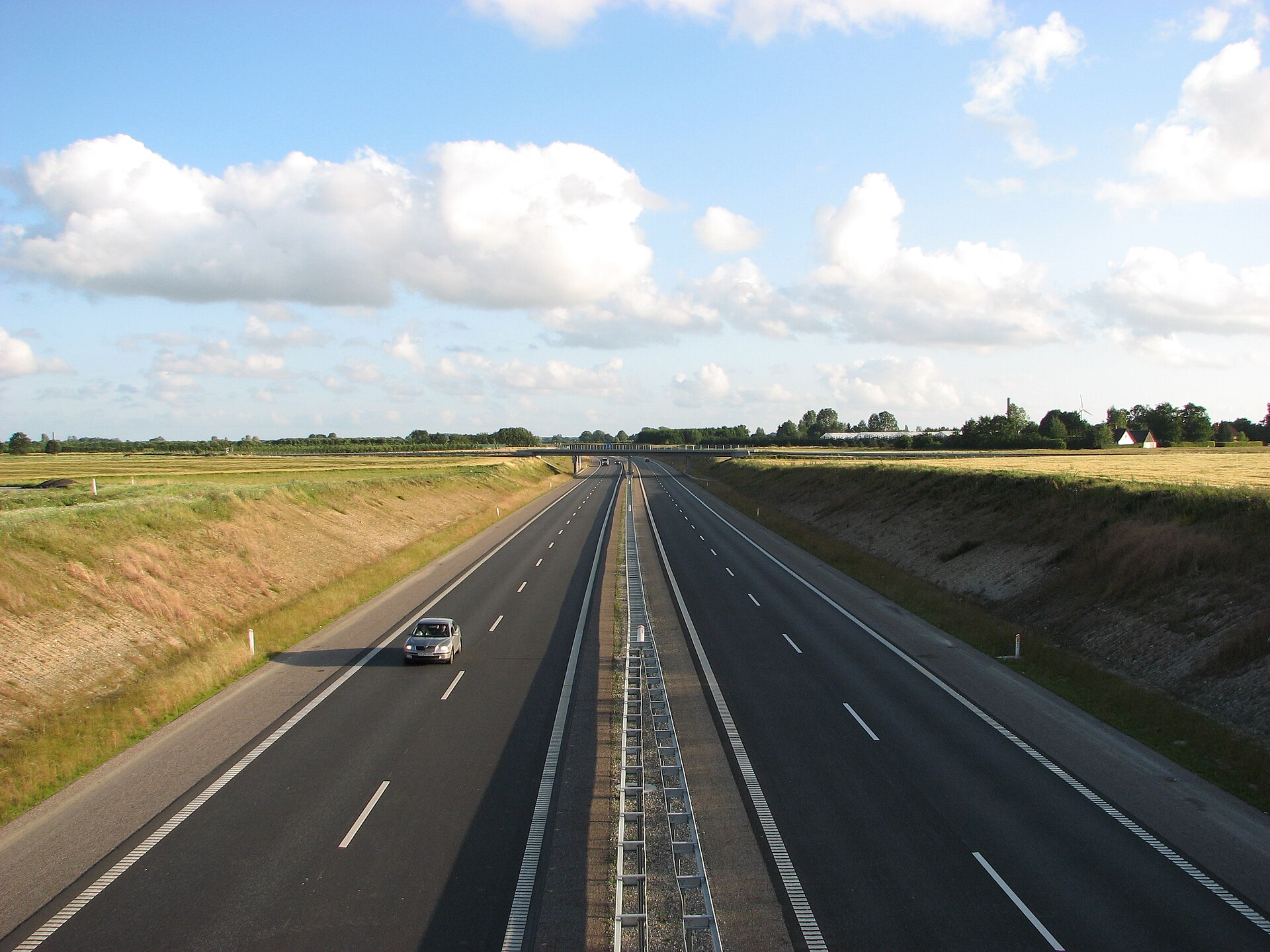
The E20 crosses Zealand and the Great Belt to Funen; the E45 is the main north–south motorway in Jutland. Keep a larger gap in heavy rain and strong crosswinds, and expect agricultural machinery on the approaches to smaller towns. On two-lane roads, follow the signed speed rather than matching a local driver’s pace.
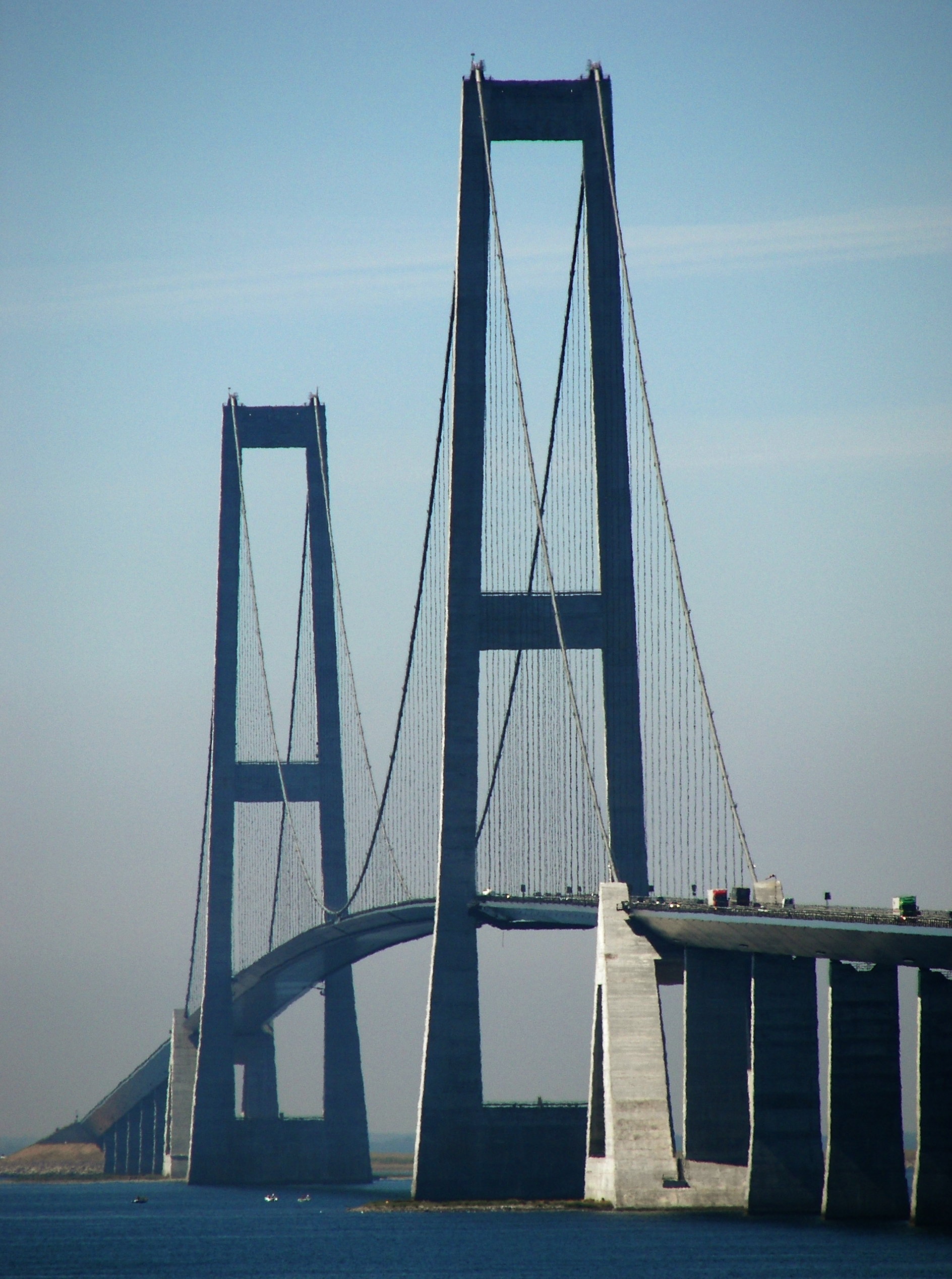

Storebælt and Øresund are tolled crossings. The Storebælt tariff and payment page and the Øresund price page publish current prices, which vary by vehicle and agreement. At Storebælt, number-plate or Bizz arrangements can change the lane and price; card and cash lanes are also available. If the barrier is raised, continue only as instructed; Storebælt can issue an invoice later. For Øresund, check border documents and the rental company’s permission before setting out.

Parking and environmental zones
Copenhagen’s public parking is organised into tariff and time zones. The municipality’s English parking guide explains the current zones, payment machines and approved apps. Enter the registration plate carefully, read the sign at the exact bay, and remember that Frederiksberg has its own rules inside Copenhagen. Outside the paid zone, a time limit or resident restriction may still apply.
Denmark’s environmental zones cover Copenhagen, Frederiksberg, Aalborg, Odense and Aarhus. The official environmental-zone site says that older foreign diesel cars may need advance registration and the required particulate filter or Euro standard. Ask the rental company whether its diesel fleet is already compliant, and check the vehicle before entering a zone; do not assume a petrol, hybrid or newer car follows the same registration process.
Fuel, charging and weather
Fuel stations accept payment cards, although an unmanned pump may require a PIN or a card that supports pre-authorisation. Check current prices in the operator’s app rather than budgeting from an old national average. For an EV, save the operator’s app and a second roaming option before leaving the motorway; charging availability changes by site and connector.
There is no winter-tyre date in Danish law. The Danish Road Traffic Authority tyre guidance and the road-safety authority explain that tyres must not be obviously unsuitable for the actual snow, ice or slush conditions; the legal minimum tread depth is 1.6 mm. If a winter storm is forecast, ask for suitable tyres (M+S or 3PMSF where appropriate), reduce speed and postpone a rural crossing if visibility is poor. Keep a warning triangle in the car and know where the rental company’s safety equipment is stored.
Emergencies and a practical checklist
Call 112 for a crash with injuries, fire or immediate danger; Danish police confirms that the number works for visitors. Stop safely, turn on hazard lights, use the warning triangle if appropriate, and exchange details only when it is safe. For a mechanical fault, use the rental contract’s assistance number and follow its instructions about towing and repairs.
Before leaving the depot:
- photograph the car, wheels, windscreen and fuel or battery level;
- save the rental contract, assistance number, toll policy and cross-border permission offline;
- confirm the registration plate in parking and environmental-zone apps;
- check the day’s bridge tariff, weather and roadworks;
- keep your licence, ID and payment card accessible without leaving the car unattended.
For driving over the Øresund, compare our Sweden guide with the current bridge rules. Norway and Germany are useful comparisons for neighbouring road trips.
Official resources
Frequently Asked Questions
- Can I drive in Denmark with my foreign licence?
- A valid EU or EEA licence can be used legally. For licences issued elsewhere, recognition, an IDP or a translation can depend on the issuing country and the rental company; carry the original licence and confirm before collecting the car.
- Do I need a car in Copenhagen?
- Usually not for the historic centre. Parking is divided into tariff zones, payment is linked to the registration plate, and cycling and public transport are practical. Pick up the car after the city stay or use a signed park-and-ride site.
- How much is the Storebælt Bridge toll?
- The price changes with vehicle length, height, payment method and current agreements. Check Storebælt's current tariff before departure; an open barrier does not necessarily mean a free crossing.
- Can a rental car cross the Øresund Bridge to Sweden?
- Often yes, but the rental contract may require advance permission or a cross-border fee. Carry the required passport or national ID, check the current Øresund tariff, and confirm that the car is insured for Sweden.
- Which Danish cities have low-emission zones?
- Copenhagen, Frederiksberg, Aalborg, Odense and Aarhus have environmental zones. Older foreign diesel vehicles may need registration and the required particulate-filter or emissions standard before entering.
- Are winter tyres mandatory in Denmark?
- There is no calendar-based winter-tyre mandate. Tyres must not be obviously unsuitable for snow, ice or slush, so ask the rental company what is fitted when winter weather is possible.
- What number do I call after a serious crash?
- Call 112 for an accident with injuries, fire or immediate danger. For a breakdown, use the roadside-assistance number in the rental contract rather than assuming a national provider number.
Information Sources & Disclaimer
This guide compiles information from the official transport authorities, road operators, government travel information, and automobile associations linked for Denmark.
While we strive to keep this information as accurate and up-to-date as possible (last reviewed: August 2026), traffic laws and toll rates can change without notice. We recommend verifying critical information with the local authorities or your car rental agency upon arrival.
Learn more about our Editorial Process →Compare Your Origin and Destination
Use the comparison tool to check driving side, units, documents, and other destination data for your route.