Choose the car days carefully
Sweden is easy to navigate when the route matches the season. A short city visit rarely needs a car: Stockholm, Gothenburg and Malmö have public transport and paid parking systems that can make a rental inconvenient. A car becomes useful for the High Coast, inland lakes, Lapland and the long E4 corridor, where the next stop may be far beyond the last town.
Traffic keeps to the right. Swedish signs use kilometres per hour and the speed sign on the road has priority over a route planner. The legal speed system includes every step from 30 to 120 km/h. Municipal streets often change limit near schools, crossings and built-up edges, while the national road authority sets many of the 80-120 km/h limits on state roads.
.svg)
Licence, IDP and the documents at the desk
An EEA driving licence is valid in Sweden while it remains valid in the country that issued it. A non-EEA licence must be valid, must not have been exchanged for a Swedish licence, and must meet the design rules in the Geneva or Vienna road-traffic conventions. If it does not meet those formats and is not written in English, German or French, Sweden requires a certified translation into English, German, French, Swedish, Danish or Norwegian. An IDP can provide that translation, but it does not replace the original licence.
The Swedish Transport Agency’s foreign-licence guidance is the right place to check a licence issued outside the EEA. The one-year rule is tied to being a registered resident, so a short holiday and a move to Sweden are different cases. Rental desks can still set a higher age or document requirement.
Take the original licence, passport or national ID, rental agreement, insurance details and the vehicle registration document. Before leaving the branch, photograph the plate, fuel or battery level, odometer and existing damage. Ask whether the contract allows Norway, Finland or Denmark if a cross-border day is part of the plan.
Rules that change the driving feel
- Lights: Swedish vehicles must show the required forward lighting in daylight. In darkness, twilight or bad weather, check that the dipped beam and rear lamps are lit; some daytime-running-light settings do not switch the rear lamps on.
- Alcohol: the drunk-driving threshold is 0.10 mg of alcohol per litre of exhaled air, equivalent to 0.2 per mille in blood. The Swedish Police lists a lower 0.15 mg/L threshold for licence confiscation. Do not plan a drink around either number.
- Phone: you may not hold a mobile phone or other communication device while driving. Set the route before moving and pull into a legal place before changing it.
- Seat belts and children: every occupied seat needs a belt. Children shorter than 135 cm need an appropriate child restraint; check the rental’s seat model and fitting before departure.
- Roundabouts: traffic already in the roundabout has priority. Drive anticlockwise, follow lane arrows, indicate right when leaving and signal whenever you change lane.
- Cameras: speed cameras record vehicles exceeding the posted limit. A rental company may need to identify the driver after a notice arrives.
The Swedish Transport Agency’s roundabout brochure is useful if roundabout lane markings feel unfamiliar.
Roads, speed and live information
Use the sign, not the road name, to set the speed. Sweden’s speed-limit guidance explains that all ten steps from 30 to 120 km/h remain in use. A motorway can be signed at 80, 90, 100, 110 or 120 km/h; a two-lane road can change after a village, junction or resurfacing project.
The Trafikverket road map shows incidents, roadworks, restrictions, cameras, road weather, surface conditions, rest areas and road ferries. Check it before an inland or northern stage and again after a long stop. A saved navigation route can remain open after a closure.
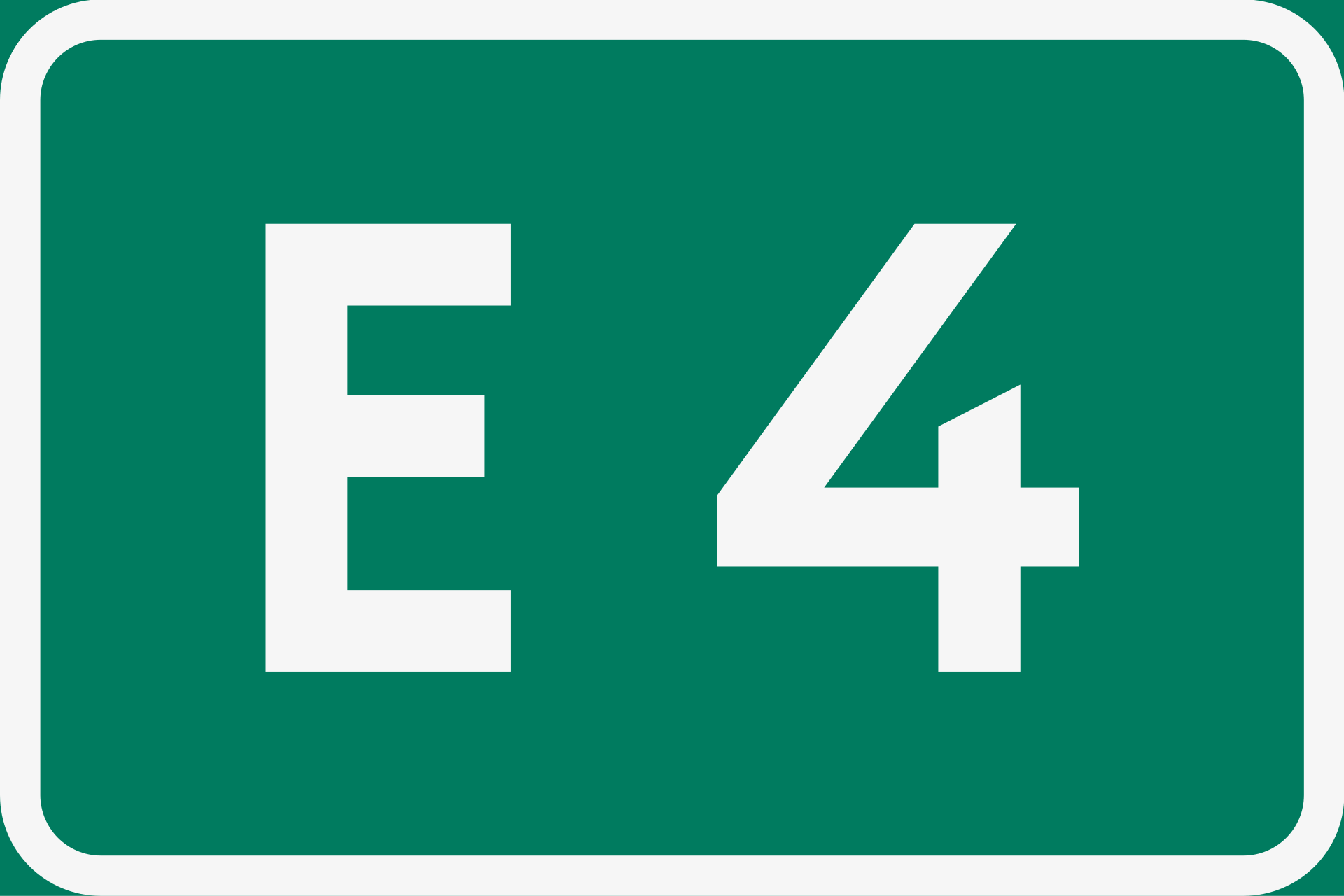
E4 is the main north-south spine, but it is not one uniform road. Divided motorway sections, two-plus-one roads, urban bypasses and exposed bridges require different following distances. Leave more time for ferry crossings, construction and a legal break rather than trying to recover minutes with speed.
Winter tyres, weather and darkness
For cars and other light vehicles, winter tyres or equivalent equipment are required from December 1 to March 31 when winter conditions exist. The Swedish Transport Agency defines winter conditions as snow, ice, slush or frost on any part of the road, and the rule applies to vehicles registered abroad. Tyres need the Alpine mountain-and-snowflake mark or studs; the tread-depth requirement for light vehicles is at least 3 mm in winter conditions. Studded tyres are normally allowed from October 1 to April 15, and outside those dates when winter conditions are expected.
That is a road-condition rule, not a promise that every rental car has the right equipment. Confirm the tyre type, tread and spare or repair kit at pickup. If the forecast changes, return to the branch or postpone the mountain leg. Trafikverket’s winter organisation works from October to April, but local snow and ice can arrive outside that window and heavily trafficked roads receive priority.
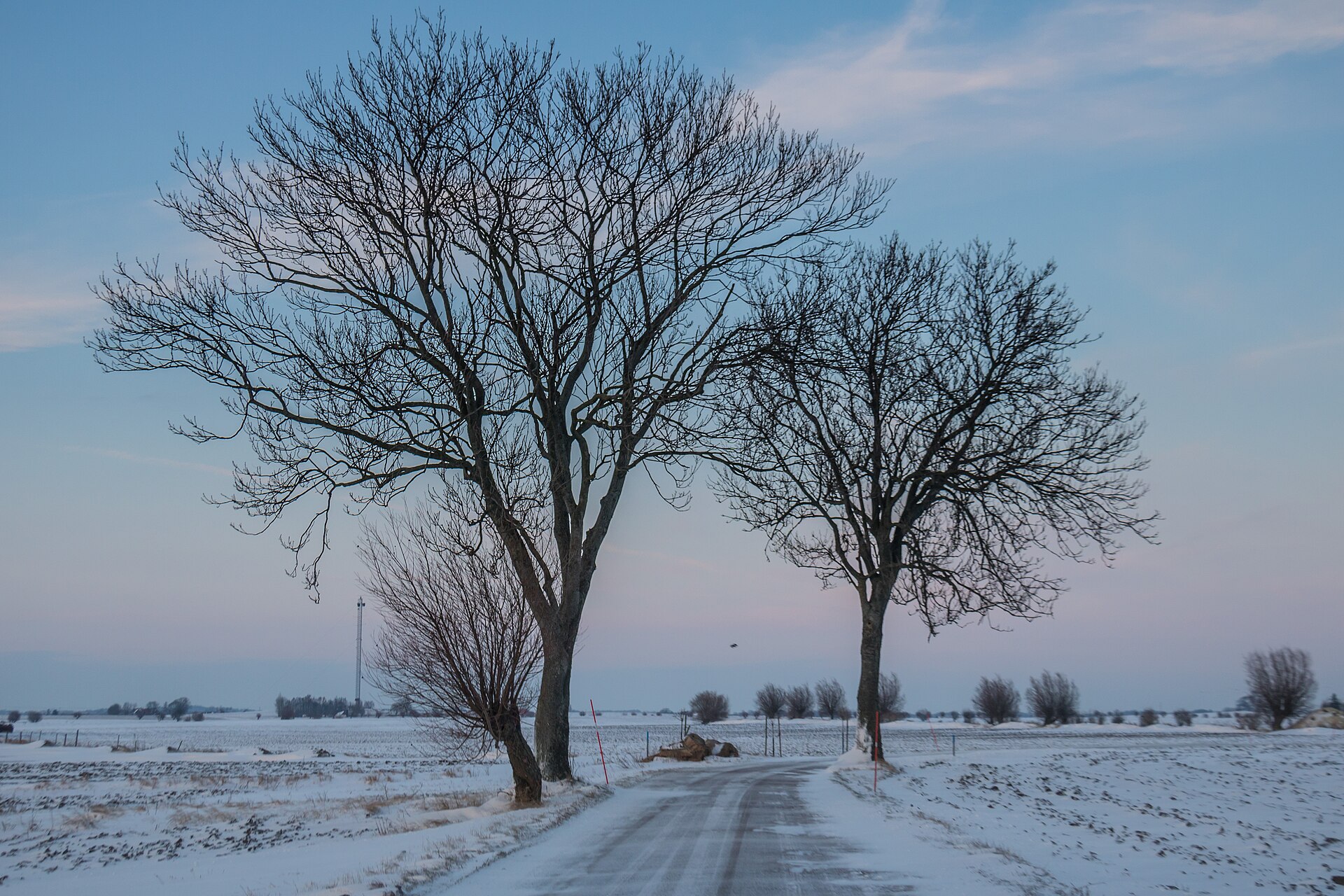

Use SMHI warnings and forecasts with the Trafikverket map. In the north, darkness compresses the useful driving day in winter. Plan fuel, food and a charged phone before leaving a larger town, and avoid treating a clear departure road as proof that the return road will stay clear.
City charges and parking
Stockholm and Gothenburg use automatic congestion-tax points. The tax covers Swedish and foreign-registered vehicles. Cameras read the plate, so there is no booth to stop at. For a foreign-registered vehicle, the Swedish Transport Agency uses EPASS24 to identify the owner, send the invoice and receive payment. A rental company may settle the tax and add an administration fee under its contract.
Sweden also has automatic infrastructure charges at Motala, Sundsvall and Skurubron. They are bridge charges rather than city congestion taxes, and the same foreign-vehicle billing route can apply. The Transport Agency road-tolls overview lists the current systems. Ask the rental desk how delayed invoices appear and keep the final invoice until the account is closed.
Read the whole parking sign before leaving the car. In Stockholm, the city lists authorised payment services including EasyPark, Epark, Mobill and Parkster, as well as digital pay-and-display machines. The Stockholm parking page explains that the tariff comes from the sign and can vary by zone and time. Gothenburg publishes its own fees and accepts the Parkering Göteborg app and SMS payment. Enter the plate correctly and save the receipt.
Forest roads and wildlife
Wildlife signs deserve a speed reduction even when the road looks empty. Moose can cross from a forest edge, and a second animal may follow the first. Dawn, dusk, rain and long straight sections deserve extra attention. Do not swerve into oncoming traffic to avoid an animal; brake firmly while keeping the car stable.
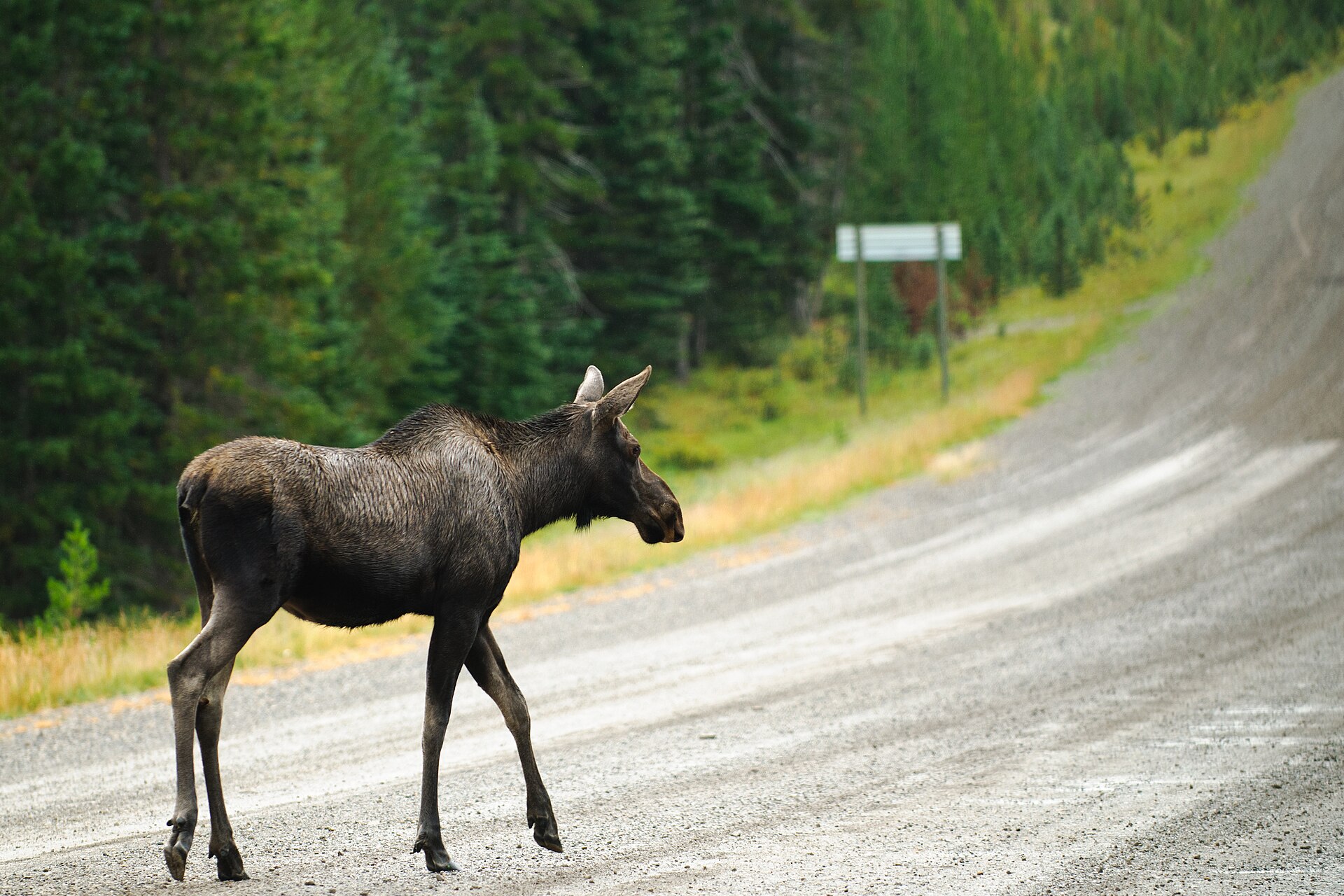

After a collision with a moose, deer, wild boar, reindeer or another listed species, stop and mark the location. Call 112 immediately, even if the animal has disappeared. Give the road number, direction, nearest landmark or GPS position. Do not approach or track an injured animal. The Swedish Police wildlife guidance explains the reporting duty and the marker used to help a hunter find the animal.
Fuel, charging and the rental handover
Card payment is common, including at unmanned fuel stations, but a card that works at a city shop may still fail at an unattended pump. Confirm the fuel grade or charging connector before leaving the branch. Northern and inland stages can have longer gaps between open services, so refill before the tank becomes the route’s limiting factor.
At the counter, record the plate, tyre type, roadside-assistance number, congestion-tax process, bridge-charge process, permitted countries, excess and return hours. Take the same photographs at return. This gives you evidence if a late road charge or damage note appears after the trip.
Emergency numbers and roadside decisions
Call 112 for an immediate danger to life, property or the environment. It connects to police, fire and ambulance, and operators speak Swedish and English. For a non-urgent police report or information, call 114 14. The Swedish Police contact page explains the distinction.
At a crash, park as safely as possible, use hazard lights, warn approaching traffic and follow the instructions from emergency staff. On a remote road, tell the operator the route number, travel direction, nearest bridge or kilometre marker and the rental plate. Do not walk along a live carriageway to look for help.
Official sources and review date
This page was reviewed on 17 August 2026. Licence recognition and translation rules come from the Swedish Transport Agency foreign-licence guidance. Speed bands and road authority roles use Trafikverket’s speed-limit page. Winter conditions, tyre marks and dates use Transportstyrelsen’s winter-tyre rules. Congestion and bridge billing use the road-tolls overview and Stockholm/Gothenburg congestion-tax page. Live road information uses Trafikverket’s road map, and weather warnings use SMHI. Wildlife reporting and emergency numbers use the Swedish Police wildlife guidance and 112/114 14 contact page. Parking examples use Stockholm and Gothenburg. Rules, charges, road works and rental terms can change, so reopen the named authority before driving.
Related destinations
Frequently Asked Questions
- Do I need an International Driving Permit to drive in Sweden?
- EEA licences remain valid while valid in the issuing country. A non-EEA licence must meet Sweden's format and language rules; a certified translation or IDP may be required. Carry the original licence and check the Swedish Transport Agency before booking.
- Are winter tyres always mandatory in Sweden?
- For light vehicles, winter tyres or equivalent equipment are required from December 1 to March 31 when snow, ice, slush or frost is present on any part of the road. The rule also covers vehicles registered abroad.
- What speed limits should visitors expect in Sweden?
- Sweden uses posted limits from 30 to 120 km/h. Town streets, rural roads, motorways, ramps and roadworks can each carry a different sign, so use the current roadside limit rather than a generic national number.
- Do Swedish cities have congestion charges?
- Stockholm and Gothenburg use automatic congestion-tax control points. Swedish and foreign-registered vehicles are covered, and foreign vehicles are invoiced through EPASS24. A rental company may add a handling fee.
- Are there bridge tolls outside Stockholm and Gothenburg?
- Yes. Infrastructure charges apply at bridges in Motala, Sundsvall and Skurubron. Cameras record the plate without a booth or sticker, and foreign-registered vehicles are billed through EPASS24.
- What should I do after hitting a moose?
- Stop safely, warn approaching traffic, mark the location and call 112. Swedish police require wildlife collisions involving moose and several other species to be reported even when the animal is not visible. Do not follow an injured animal.
- Do I need to use headlights during the day?
- The vehicle must show the prescribed forward lights in daylight. In darkness, dawn, dusk or poor weather, make sure the dipped beam and rear lights are on; some daytime-light settings leave the rear lights off.
- How do I pay for parking in Stockholm?
- Read the street sign first. Stockholm public parking can be paid through the city's authorised services or digital machines, while Gothenburg also offers the Parkering Göteborg app and SMS payment. Keep the receipt with the rental record.
- What number should I call in an emergency?
- Call 112 for immediate danger, police, fire or ambulance. For non-urgent police matters in Sweden call 114 14. Give the operator the road number, direction and a nearby landmark.
- Is northern Sweden difficult to drive in winter?
- The main issue is the combination of darkness, changing road surfaces and long distances between services. Check SMHI warnings and Trafikverket's road map, shorten the stage when visibility falls and keep fuel and phone power in reserve.
Information Sources & Disclaimer
This guide compiles information from the official transport authorities, road operators, government travel information, and automobile associations linked for Sweden.
While we strive to keep this information as accurate and up-to-date as possible (last reviewed: August 2026), traffic laws and toll rates can change without notice. We recommend verifying critical information with the local authorities or your car rental agency upon arrival.
Learn more about our Editorial Process →Compare Your Origin and Destination
Use the comparison tool to check driving side, units, documents, and other destination data for your route.