Plan the region and season before booking the car
Finland is not one driving environment. Helsinki, Turku and Tampere have frequent public transport and paid parking; the Lakeland roads are quieter but still have settlements, cyclists and forest junctions; Lapland adds long stretches with few services, sudden wildlife and weather that can change the surface within an hour. Choose the route first, then choose the vehicle and pickup point.
For a city-and-country itinerary, keep the car for the days outside Helsinki. For a Lapland loop, calculate the return leg before adding a remote cabin or a late ferry. A short-looking line on the map can be a full day once fuel, roadworks, photo stops and a slower winter speed are included.
Licence, age and documents
- Drive on the right. A valid EU or EEA licence remains valid for a visitor while it is in force.
- Other licences: Traficom’s foreign-licence guidance covers licences from Convention and other recognised states. If the licence does not clearly show its categories and validity, carry an IDP or an official translation into Finnish, Swedish or English as advised for police checks. An IDP supplements the original licence; it never replaces it.
- Minimum legal driving age: 18 for a car, but the rental desk may set a higher age, a young-driver fee or a category restriction.
- Carry: the original licence, passport or national ID, rental agreement, insurance information and the vehicle documents supplied with the car.
- Rental check: ask in writing whether the car may cross into Sweden or Norway, whether a ferry is permitted, and what winter equipment is fitted.
The rental company’s policy can be stricter than the legal minimum. A phone photo of a licence is not a substitute for the original at a counter or a roadside check.
Rules that change how the road feels
- Speed: the sign always wins. Common passenger-car limits are 30–50 km/h in built-up areas, 80–100 km/h on other roads and 100 or 120 km/h on motorways, with seasonal or weather-related reductions. Read the EU road-rules summary for Finland and follow the current sign rather than relying on a navigation default.
- Alcohol: the EU summary lists a 0.5 mg/ml limit for standard, novice and professional drivers. The safest travel rule is zero alcohol before driving.
- Lights: daytime running lights are required even in daylight. Use dipped beams when visibility or the road situation calls for them.
- Seat belts and children: every occupied seat must be belted, and a suitable child restraint is required for a child who needs one.
- Phone use: use hands-free only. Stop somewhere legal before changing a complicated route or handling the phone.
- Junctions: an unsigned junction generally gives priority to traffic from the right, but signs, traffic lights, trams and marked crossings override that default.
Main routes, road weather and service gaps
The E18 links Helsinki with Turku and the west, the E75 runs north through Oulu toward Lapland, and the E63/E5 corridors serve eastern Finland. Those names are useful for orientation, not a promise that every section is motorway. Local roads may be narrow, gravelled or shared with logging traffic; allow space for a truck to turn or for a cyclist to appear after a bend.
Before a long stage, open Fintraffic Traffic Situation and Road Weather. Their cameras, warnings, maintenance information and disruptions are more useful than a generic weather icon. In Lapland, mark the next fuel stop and a backup before leaving the main road. Mobile coverage and opening hours are not guaranteed at every remote stop.

Lapland, reindeer and animal collisions
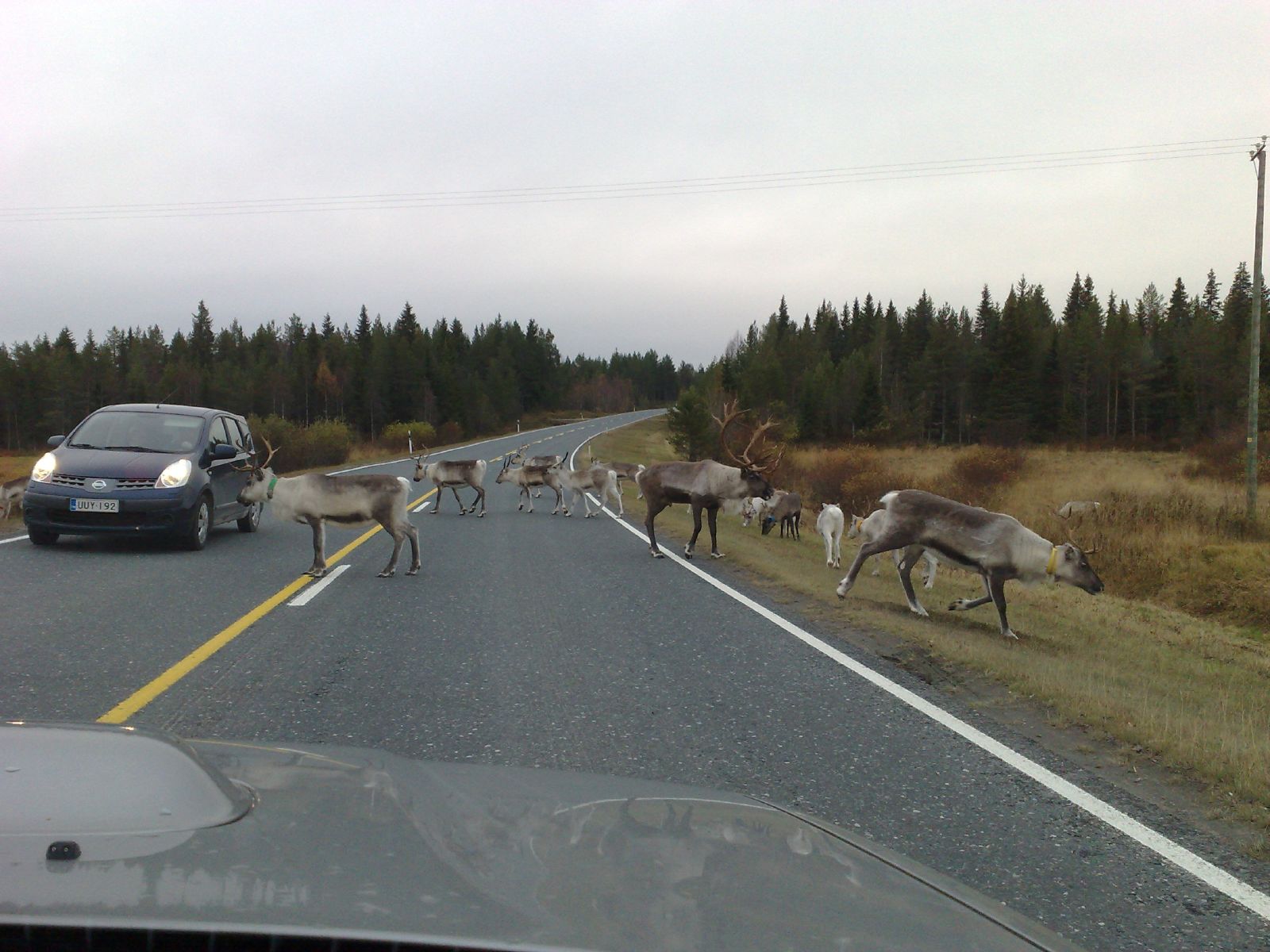
Reindeer are not confined to a fenced reserve. They can stand on or beside the carriageway, turn back after crossing, or be hidden by the next bend. Moose are another serious risk, particularly around dawn and dusk. Slow down when an animal warning sign appears, scan the verges, and leave enough room to stop without swerving into oncoming traffic.
If an animal is hit, follow the Finnish police guidance for animal collisions: stop, use hazard lights, move to safety if possible, call 112 and give a precise location. Do not walk towards an injured moose, reindeer or other large animal. Mark the place where it disappeared so responders can find it.

Winter tyres and cold-weather preparation
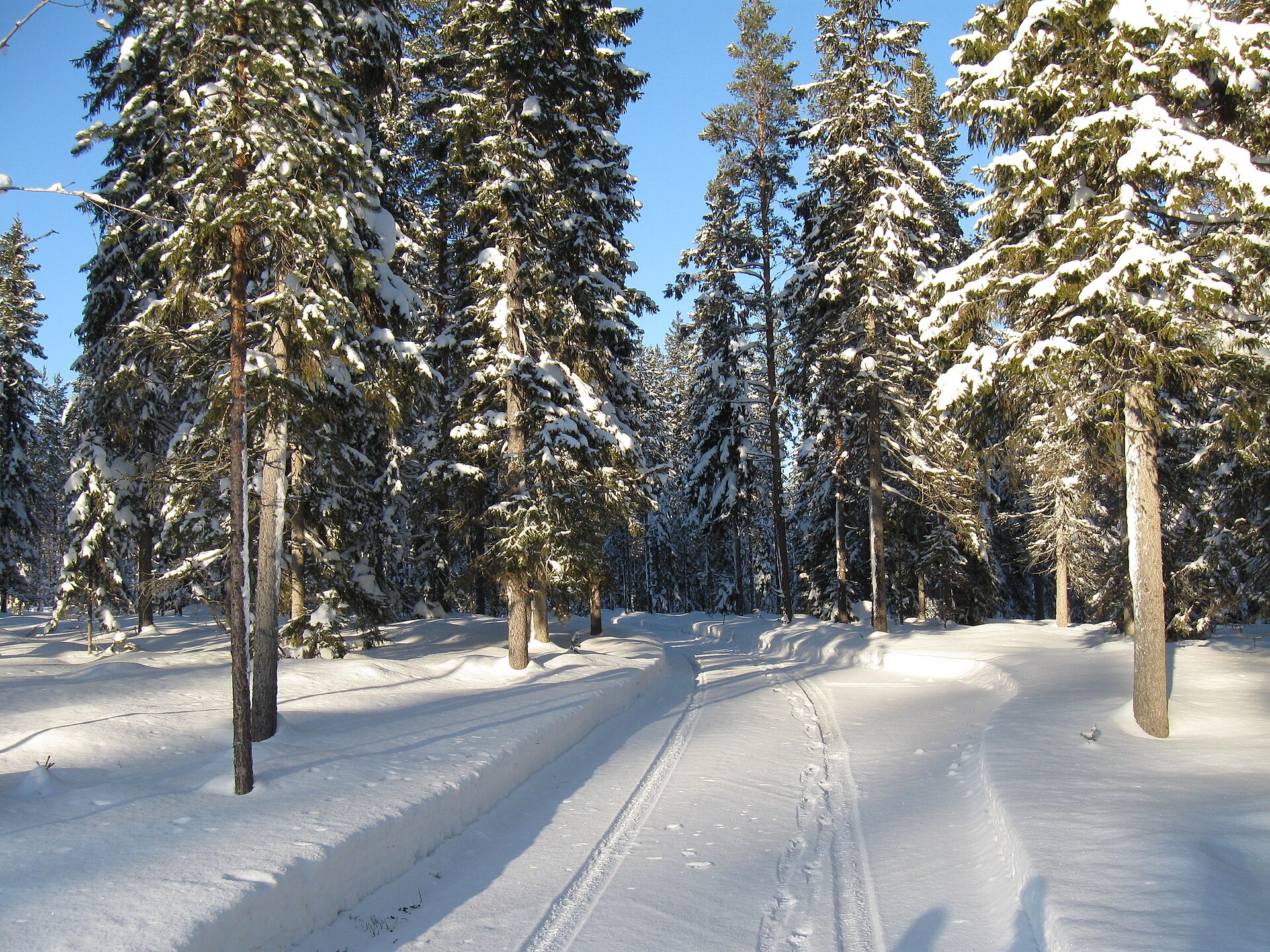
Finnish law uses conditions as well as the calendar. Traficom says winter tyres must be used in November–March when weather or road conditions require them. Passenger-car winter tyres have a 3.0 mm principal-groove minimum. From the beginning of December, non-studded winter tyres used in winter conditions need the three-peak mountain snowflake symbol; studded tyres are allowed from November to March and outside that period when conditions require them.
At pickup, inspect the tyre symbol and tread rather than accepting “winter package” as a description. Ask where the scraper, reflective vest and warning triangle are stored. Leave more space on packed snow, brake early before a junction and do not try to make up a weather delay by driving at the summer limit.
Helsinki parking, P+R and charging
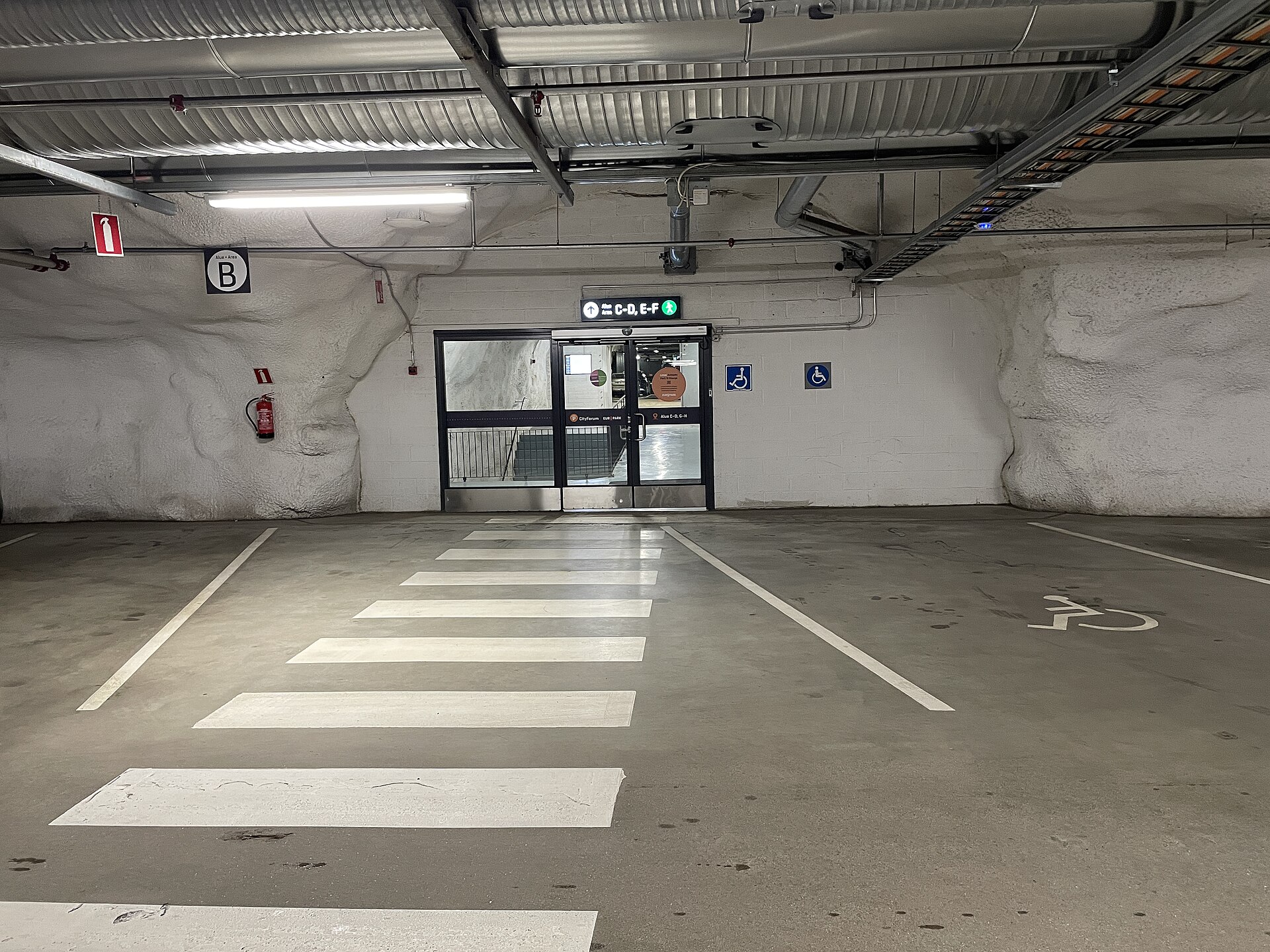
Helsinki’s official parking hub links to zones, prices, payment methods, enforcement and P+R information. Read the sign at the exact space: a nearby street can have a different zone, payment period or maximum stay. Mobile parking apps may add a service fee, and resident-permit rules do not turn a visitor’s rental car into a resident vehicle.
For a central museum or restaurant, park once in a garage and continue on foot or by tram. For a day trip, use a P+R site where the sign and the transport connection suit the itinerary. In winter, never leave the car where it can block snow clearing or emergency access.

For EV trips, use the Fintraffic app or another current map to check chargers and a backup location. In northern Finland, do not assume the next fast charger is open or on the same route after a weather diversion. Petrol stations can also be widely spaced outside the main towns; refuel before the tank becomes the itinerary’s limiting factor.
Tolls, ferries and rental-contract details
Ordinary passenger cars do not need a national motorway vignette in Finland. That does not mean every road-related cost is zero: city parking, private garages, ferries, charging and an optional cross-border service can all be billed separately. Check a ferry operator’s timetable and vehicle rules before making it the only connection in the day’s plan.
At pickup, photograph the wheels, windscreen, bumpers, fuel or charge level and any existing marks. Confirm the fuel type, excess, roadside-assistance number, permitted countries, child-seat fit and one-way fee. If the route enters Sweden or Norway, get written permission and check insurance and the other country’s rules before leaving Finland.
What to do after a crash or breakdown
The Suomi.fi emergency guide confirms that 112 is Finland’s free, 24-hour emergency number. At an accident, turn on hazard lights, put on a reflective vest if available, use the warning triangle at a safe distance and call 112 for injury, fire or danger. The accident-scene instructions say not to leave before authorities permit it.
| Service | Number | Use it for |
|---|---|---|
| Police, fire or ambulance | 112 | Injury, collision, fire, animal collision or immediate danger |
| Rental roadside assistance | On the contract | Breakdown, puncture, key or vehicle-specific help |
Give the road number, direction of travel and nearest town or kilometre marker. After everyone is safe, photograph the scene and contact the rental company using the procedure in the contract. Do not approach an injured large animal or accept a private payment in place of the required report.
Departure checklist
- Original licence, passport or ID, and an IDP or official translation when Traficom or the rental desk requires one.
- Seasonal tyre symbol and tread checked; scraper, vest and warning triangle located.
- Fintraffic road-weather check completed before each long stage.
- Fuel or charging stops, a backup stop and likely opening hours marked for Lapland.
- Helsinki parking zone or garage selected; winter snow-clearing restrictions checked.
- Cross-border permission, ferry rules, insurance and 112 saved offline.
Official sources and review date
This page was reviewed on 16 August 2026. Rules, parking prices, app coverage and rental terms change; use the source pages immediately before a trip:
- Traficom: driving in Finland with a foreign driving licence
- Traficom: winter tyres and the three-peak mountain snowflake symbol
- EU Your Europe: road rules and safety in Finland
- Fintraffic: Traffic Situation and Road Weather
- Helsinki: parking zones, prices and payment
- Finnish police: collisions with large animals
- Suomi.fi: emergency number 112
Related destinations
Frequently Asked Questions
- Can I drive in Finland with my home-country licence?
- A valid EU or EEA licence is accepted while it is valid. Other recognised licences may also be accepted, but Traficom says police may require an International Driving Permit or an official Finnish, Swedish or English translation unless the licence clearly shows its categories and validity. Check the rental company's document policy as well.
- When do I need winter tyres in Finland?
- Winter tyres must be used from November through March when weather or road conditions require them. Non-studded tyres used in winter conditions need the three-peak mountain snowflake symbol from December; studded tyres are normally allowed from November to March and can be used outside that period when conditions require it.
- Are there road tolls or a vignette in Finland?
- Finland does not use a national motorway vignette for ordinary passenger cars. Parking, ferries and some private facilities still charge, so check the operator before you commit to a route.
- What should I do if I hit a reindeer or moose?
- Stop safely, switch on the hazard lights, warn approaching traffic and call 112. Report the location even if the animal has run away, and do not approach an injured large animal.
- Is a car useful in Helsinki?
- Usually after the city stay rather than during it. Helsinki publishes parking zones, prices and payment methods; a P+R site or an underground garage can be easier than searching for a legal street space in the centre.
- How can I check Finnish winter road conditions?
- Use Fintraffic's Traffic Situation and Road Weather services for warnings, cameras, maintenance information, disruptions and some service locations. Recheck before each long stage because a clear forecast does not guarantee a clear road.
- What is Finland's emergency number?
- 112 is the free, 24-hour number for police, fire and ambulance. Give the road number, direction of travel and the nearest place name if you are outside a town.
Information Sources & Disclaimer
This guide compiles information from the official transport authorities, road operators, government travel information, and automobile associations linked for Finland.
While we strive to keep this information as accurate and up-to-date as possible (last reviewed: August 2026), traffic laws and toll rates can change without notice. We recommend verifying critical information with the local authorities or your car rental agency upon arrival.
Learn more about our Editorial Process →Compare Your Origin and Destination
Use the comparison tool to check driving side, units, documents, and other destination data for your route.