Decide where a rental car helps
The Philippines is a group of separate islands, not one continuous road trip. A car is useful for a defined corridor: Baguio and the Cordillera, the Ilocos coast, Southern Luzon, Cebu outside the urban core or parts of Palawan. It is often a burden in central Manila. A realistic itinerary names the island, the ferry or flight between islands and a fallback for weather or a missed sailing.
Traffic keeps right. Jeepneys, tricycles, motorcycles, buses, pedestrians and roadside loading all share the same road space. On a provincial highway, the distance between towns may be short on the map and slow in practice. Start mountain and coastal stages early, keep a full tank before a remote section and treat a navigation shortcut as a suggestion until you have seen the road surface and the rental contract.
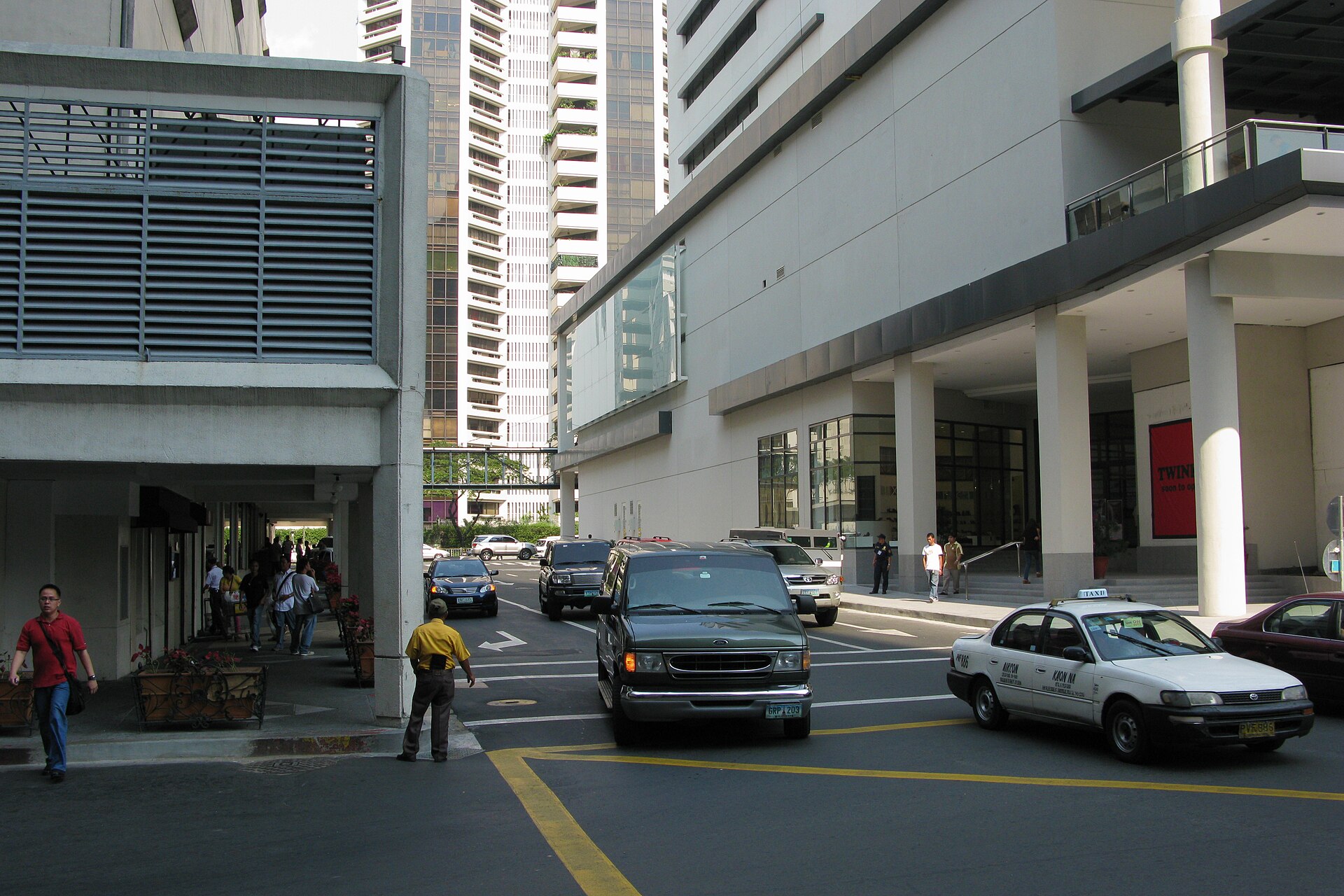

Licence, translation and rental documents
The Philippine Embassy FAQ on driving and LTO material state that a bona fide tourist may use a valid foreign driving licence for no more than 90 days from arrival. Keep the original licence and passport together so the date of entry is easy to show. A longer stay calls for the Philippine licensing route rather than an informal extension.
If the licence is not written in English, bring an official English translation or an International Driving Permit issued in the licensing country. The LTO conversion checklist specifically asks for an original official English translation for a foreign licence that is not in English. An IDP is a translation document carried with the original licence; it is not a Philippine licence and does not add days to the 90-day period.
At the rental desk, check the named drivers, age threshold, deposit card, insurance excess, tyre and glass cover, ferry permission, one-way return permission, unsealed-road exclusion and after-hours contact. Rental policies can be stricter than the legal minimum. Photograph the vehicle, wheels, windscreen, fuel gauge and RFID tag before leaving the depot.
Road rules, speed and defensive driving
The LTO driver’s manual reproduces the RA 4136 speed table. Where there is no lower posted limit, the reference values for a passenger car or motorcycle are 80 km/h on an open highway, 40 km/h on a designated through street, 30 km/h on an ordinary city or municipal street and 20 km/h through crowded streets, blind corners, school zones or other immediate hazards. The same manual notes that a posted road sign prevails. National-road design speeds and expressway limits can differ, so the sign in front of you matters more than a country-wide number in a booking page.
Seat belts are required under RA 8750, the Seat Belts Use Act. For children, RA 11229, the Child Safety in Motor Vehicles Act restricts front-seat travel for young children and sets a restraint framework. Reserve a suitable child seat and verify its installation at pickup rather than relying on a loose booster in the boot.
The Anti-Distracted Driving Act applies when a vehicle is moving or temporarily stopped at a red light. Do not hold a phone, read messages or re-plan the route in a live lane. The Anti-Drunk and Drugged Driving Act makes impairment the key risk; the practical rule for a road day is zero alcohol before driving.
At unsignalised junctions, slow down and read the signs, markings and movements of other road users. Do not rely on a universal “priority from the right” rule. Give buses and jeepneys room to stop, expect motorcycles to filter and leave space for pedestrians near markets, schools and terminals.
Manila traffic and number coding
Metro Manila can turn a short cross-city trip into a fixed appointment risk. EDSA, C-5, airport approaches and bridges have their own bottlenecks. If a city stay is the purpose of the trip, park once and use rail, a taxi or a ride-hailing service for the dense core; collect the rental when leaving the metro area.
The MMDA’s current notice describes the common expanded UVVRP window as 07:00–10:00 and 17:00–20:00, Monday to Friday, except holidays. Plate endings are paired 1/2 on Monday, 3/4 Tuesday, 5/6 Wednesday, 7/8 Thursday and 9/0 Friday. The same MMDA notice says Makati uses 07:00–19:00. A weather suspension or a city-specific road order can override the usual schedule, so check the authority on the morning of the drive. Never assume a rental car is exempt because it has a temporary plate or a fleet sticker.
Expressways, RFID and payment
NLEX, SCTEX and several northern routes are associated with Easytrip; SLEX, Skyway, STAR and several southern routes are associated with Autosweep. The Toll Regulatory Board’s 2025 notice re-implemented cashless/contactless transactions on toll expressways, while its interoperability guidance explains the move toward shared RFID use. In practice, a rental vehicle’s installed tag, account balance and operator coverage still need to be confirmed at the desk.
Ask which account pays the toll, who reloads it, what happens if the balance is low and whether the company adds an administration fee. Save the toll receipt or screenshot until the final rental statement is closed. Do not enter a cashless lane in a car with an unknown tag, and do not assume a cash lane will be available at the next plaza.
Mountain roads, provincial traffic and ferries
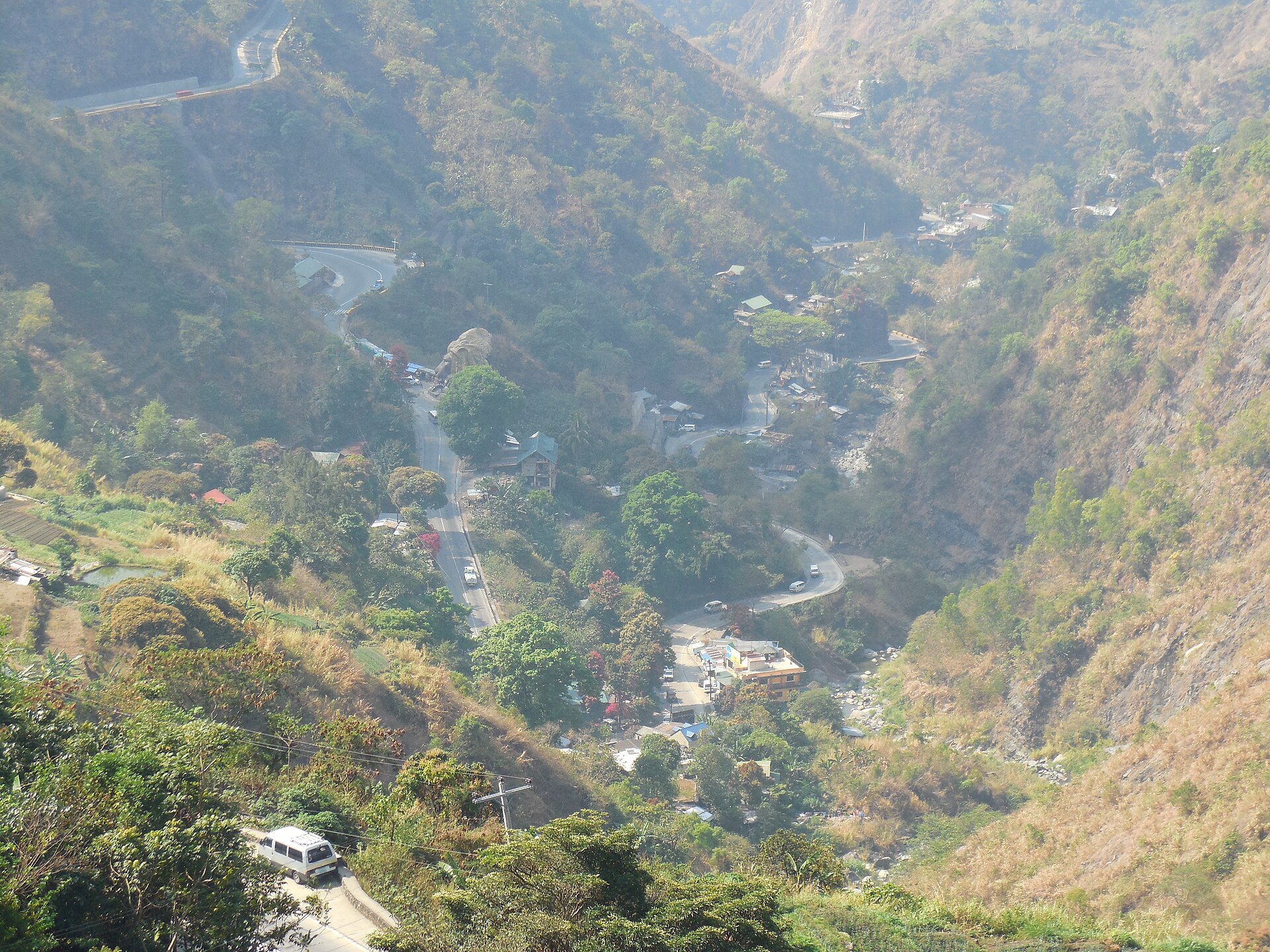
The road to Baguio and other Cordillera routes combine steep grades, bends, buses, pedestrians and occasional rockfall. The Kennon Road photograph below is a reminder that a scenic road is still a working transport corridor. Use a low gear on a descent, avoid overtaking near a blind bend and keep daylight for the final approach to a mountain town.

On provincial roads, expect sudden stops for passengers, animals and deliveries. A tricycle may turn across the lane without a long approach; a jeepney may pull out from the shoulder. Slow down near settlements, keep the horn for a clear warning and avoid driving faster simply because the road is empty for a few hundred metres.
There is no continuous road between Luzon, the Visayas and Mindanao. A roll-on/roll-off (RORO) ferry is a separate transport leg. Ask the rental company in writing whether its vehicle may board, whether a reservation is required, what documents the operator needs and who pays if weather cancels the sailing. Keep one buffer night around an island transfer instead of booking the next hotel on the assumption that the first sailing will run.
Monsoon, typhoon and flood decisions
The Philippines’ rain risk is local and fast-moving. PAGASA’s products and services include tropical-cyclone warnings, rainfall warnings, flood advisories and storm-surge information. Check the bulletin for the province you will cross, rather than relying only on the forecast for Manila. On steep roads, heavy rain can bring a landslide after the rain has stopped.
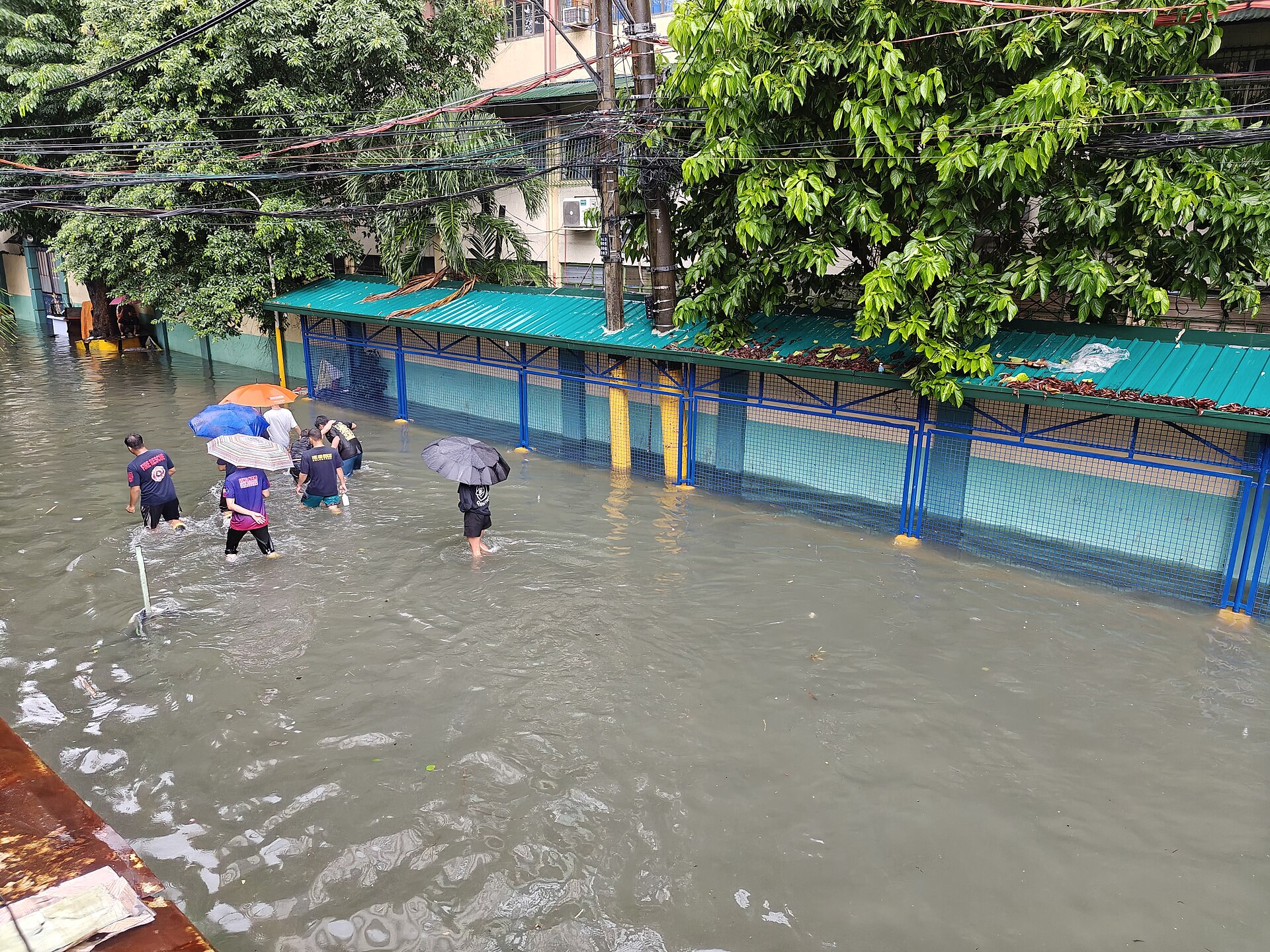

The image is historical, not a live road report. The driving decision is simple: if water is moving, hides the road edge, reaches the vehicle’s intake or has an unknown depth, turn around. Do not follow another vehicle into floodwater. Check the local government or road operator for a closure, and keep a dry route to higher ground. During a typhoon, a cancelled stage is safer than trying to rescue a holiday timetable.
Fuel, parking and a clean handover
Petrol stations are common on main corridors but can be sparse on mountain, island and late-night sections. Refuel before the warning light, note the required fuel grade from the cap and keep a small cash reserve for provincial stops. Electric-vehicle charging is growing, but a long island route may have few compatible chargers; confirm live status and a backup stop before choosing an EV rental.
Use marked parking areas and read the sign for hours, loading restrictions and local fees. In Manila, a hotel garage or paid car park is safer than leaving luggage in a visible vehicle. Photograph the dashboard, fuel level, body panels, wheels and RFID sticker again at return, and request a written record of any new damage.
Emergencies and collisions
Call 911 for police, fire, medical or disaster emergencies. The Philippine government emergency-hotline directory lists the national emergency hotline and other verified services. Tell the operator the road, nearest landmark, direction of travel and injuries. Move people away from traffic only when it is safe, and do not attempt a roadside repair in a live lane.
After a collision, call the rental company, photograph the scene and exchange the driver’s and vehicle details. Do not sign a repair agreement or accept a cash settlement before the insurer or rental company’s instructions are clear. In an isolated area, a location pin plus the nearest barangay, bridge or kilometre marker is more useful than a resort name.
Official resources and review date
This page was reviewed on 17 August 2026. Licence interpretation, coding hours, RFID policy, ferry acceptance, road closures, weather warnings and rental contracts can change. Reopen the named source for the exact vehicle, road and travel date:
- Philippine Embassy FAQ: driving in the Philippines
- LTO foreign-licence conversion checklist
- LTO Driver’s Manual, speed and road rules
- MMDA number-coding notice
- Toll Regulatory Board cashless/contactless notice
- Toll Regulatory Board RFID interoperability guidance
- PAGASA weather, cyclone, rainfall and flood products
- MARINA for maritime and ferry-operator information
- Philippine emergency-hotline directory
Related guides and destinations
Frequently Asked Questions
- Can I drive in the Philippines with my foreign licence?
- A bona fide tourist may use a valid foreign driving licence for up to 90 days from arrival. Keep the original licence, passport and proof of the entry date together. If the licence is not in English, carry an official English translation or an International Driving Permit with the original, and confirm the rental company's document policy before pickup.
- Is an International Driving Permit mandatory for every visitor?
- No. The Philippines does not require an IDP for every visitor when the valid foreign licence is accepted. An IDP can serve as an English translation for a licence that is not in English, but it does not replace the original licence or extend the 90-day period.
- What speed should I use on Philippine roads?
- There is no single safe number for every road. LTO's RA 4136 table gives 30 km/h on ordinary city or municipal streets, 40 km/h on designated through streets, 20 km/h in crowded or hazardous situations and up to 80 km/h on open highways when no lower sign applies. Posted limits, local orders and expressway signs take priority.
- How does Metro Manila number coding work?
- The common MMDA schedule restricts private vehicles by plate ending from 7:00–10:00 and 17:00–20:00 Monday to Friday, except holidays: 1/2 Monday, 3/4 Tuesday, 5/6 Wednesday, 7/8 Thursday and 9/0 Friday. Makati has a separate 7:00–19:00 rule, and local suspensions can be announced during severe weather. Check the MMDA and city notice for the exact road.
- Do rental cars need both Easytrip and Autosweep RFID?
- The expressway network uses interoperable RFID arrangements, but coverage, account ownership and rental-company handling vary by operator and vehicle. Ask which tag is installed, who tops it up, how a low balance is handled and what administration fee is added before entering NLEX, SLEX, Skyway or another toll road.
- Can I pay cash at every Philippine toll plaza?
- Do not assume that you can. The TRB's cashless/contactless programme has been re-implemented on toll expressways, with 'no valid ETC device' and 'no sufficient load' signs being rolled out. Confirm the live payment arrangement and the rental car's RFID balance before the trip.
- Is it safe to drive in the mountains during the rainy season?
- Conditions can change quickly. PAGASA issues tropical-cyclone, rainfall and flood products; landslides and falling rocks are possible on steep roads such as Kennon Road. Check the warning and road-closure notice, drive in daylight, leave a margin for a detour and never enter floodwater whose depth or current you cannot judge.
- Can I take a rental car between Philippine islands?
- Only with the rental company's written permission and an operator that accepts vehicles. Inter-island travel uses roll-on/roll-off ferries rather than a continuous road. Reserve the vehicle space, check the sailing and weather, and allow a separate buffer for loading, unloading and a missed departure.
- Are seat belts and child restraints required?
- Seat-belt use is mandatory under the Seat Belts Use Act. The Child Safety in Motor Vehicles Act restricts young children from the front seat and sets restraint requirements; ask the rental company for an age- and size-appropriate child seat, and follow the current LTO or local enforcement guidance.
- Can I use my phone while stopped at a red light?
- No. The Anti-Distracted Driving Act covers a vehicle in motion or temporarily stopped at a red light. Set navigation before moving, use a properly mounted hands-free setup only within the law and pull over safely for messages or route changes.
- What number should I call after a serious crash?
- Call 911 for police, fire, medical or disaster emergencies. Give the operator the road name, nearest landmark or kilometre marker, direction of travel and the number of injured people. Then follow the rental company's accident and roadside-assistance procedure.
Information Sources & Disclaimer
This guide compiles information from the official transport authorities, road operators, government travel information, and automobile associations linked for Philippines.
While we strive to keep this information as accurate and up-to-date as possible (last reviewed: August 2026), traffic laws and toll rates can change without notice. We recommend verifying critical information with the local authorities or your car rental agency upon arrival.
Learn more about our Editorial Process →Compare Your Origin and Destination
Use the comparison tool to check driving side, units, documents, and other destination data for your route.