Choose the island and road environment first
Indonesia is an archipelago, so a route that works in Java is not a template for Bali, Sumatra or Flores. The country drives on the left, but the useful planning question is how much of the day will be spent on a controlled-access toll road, a city arterial, a village lane or a mountain approach. A short distance on a map can take longer than expected when ferries, market traffic, ceremonies or a final unpaved approach are involved.
Java has the densest intercity network and the largest concentration of toll roads. Jakarta, Bandung, Yogyakarta and Surabaya each have different traffic patterns, and the road outside the toll network may be much slower than the motorway section. Bali has a compact road system but high two-wheeler use, narrow approaches to temples and accommodation, and parking pressure in the south. Sumatra, Sulawesi, Lombok and Flores reward shorter daylight stages and a more conservative fuel and weather margin.
Licence documents and the vehicle class
The Indonesian traffic law provides for foreign licences to be recognised through bilateral or multilateral agreements. The Indonesian National Police regulation on driving licences also describes an international licence issued abroad as valid in Indonesia under the applicable UN road-traffic convention or another international agreement.
For a visitor, the practical document set is:
- the original, current home licence for the vehicle category;
- the matching IDP or the official translation/recognition route that applies to the issuing country;
- passport and immigration documents;
- the rental agreement, vehicle registration and insurance details supplied for that vehicle.
Do not rely on a phone image of a licence. Send the issuing country, licence class, language and intended vehicle to the rental branch before paying. A car licence does not cover a scooter or motorcycle category, and a branch may require an IDP even when a treaty route could recognise the domestic licence. The legal licence age is 17 for common private categories, while rental companies commonly set higher age, deposit and driving-history conditions.
Rules that change a normal day
- Keep left and expect movement from both edges. Overtake on the right where safe and legal, but check mirrors and blind spots again before turning. Motorcycles may filter through slow traffic and can appear beside a vehicle at a junction.
- Use the signed limit. Government Regulation 79/2013 sets a national structure of 60–100 km/h on freeways, up to 80 km/h on intercity roads, up to 50 km/h in urban areas and up to 30 km/h in residential areas. These are ceilings, not targets; the sign, roadworks and conditions can require less.
- Wear the required protection. Every scooter rider and passenger needs a properly fastened helmet. Use the available seat belts in a car and request a suitable child restraint before pickup because rental availability varies.
- Set navigation before moving. Even where a hands-free device is permitted, changing a route in dense traffic is a distraction. Pull into a safe, legal place before handling the phone.
- Treat a horn as a warning. A short beep can announce a motorcycle, an overtake or a vehicle emerging from a side road. It does not grant right of way, so leave space for pedestrians, bicycles and animals.
Jakarta, Bali and Java route choices
Jakarta and other large cities
An airport or outer-ring transfer in daylight is a different task from a hotel-to-hotel loop through central Jakarta. One-way streets, buses, motorcycles, pedestrians and limited parking make a rail, app ride or driver useful for the central day. If collecting a car, arrange a garage, load luggage before entering the busiest district and make the first stage short enough to learn the vehicle’s right-hand controls and left-side position.
Bali
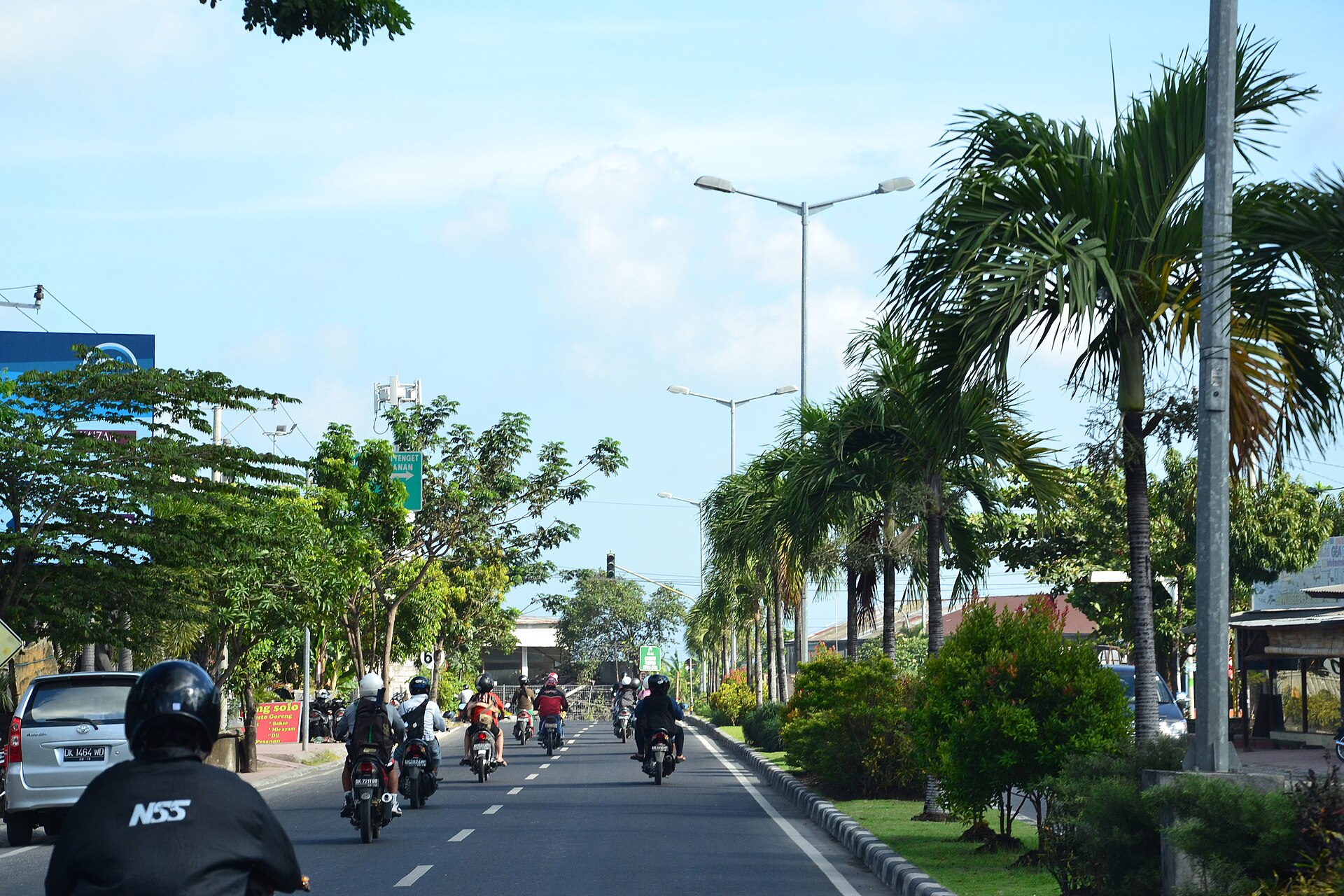
South Bali’s Kuta, Seminyak, Canggu, Denpasar and Ubud approaches can be slow even when the distance is small. A car with a driver avoids repeated parking decisions, while an experienced scooter rider still needs the correct motorcycle category, a good helmet and an insurance policy that does not exclude unlicensed riding. Outside the south, routes through Sidemen, Kintamani and the north can be quieter, but they remain narrow and steep in places. Do not plan a remote accommodation arrival after dark unless the property has confirmed the final lane and parking.
.jpg)
Java toll roads
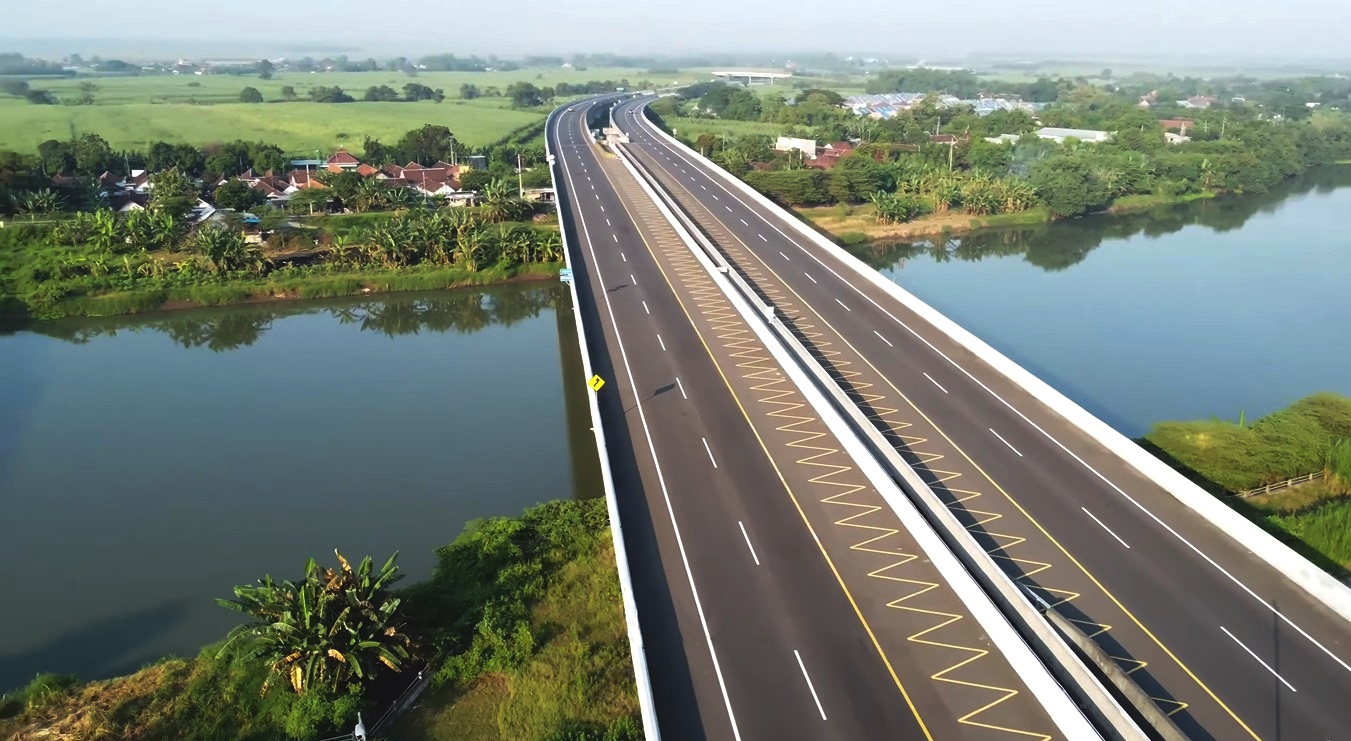
The Trans-Java network can make a long intercity stage more predictable, but the toll road is only one part of the journey. Plan the city exit, rest area, fuel stop and final local road separately. Weekend travel toward Bandung or mountain gateways can slow before the toll entrance and after the exit. Check the route and current tariff in the BPJT Tol Kita service rather than copying an old price into the itinerary.

Other islands and mountain approaches
On Sumatra, Sulawesi and Flores, an intercity route can alternate between resurfaced sections, construction, villages and tight bends. Lombok is quieter than the busiest parts of Bali but still has narrow local roads. Ferries and weather can determine whether the next island is reachable on the planned day, so keep a daylight fallback and do not schedule the last mountain approach at the end of a long transfer.
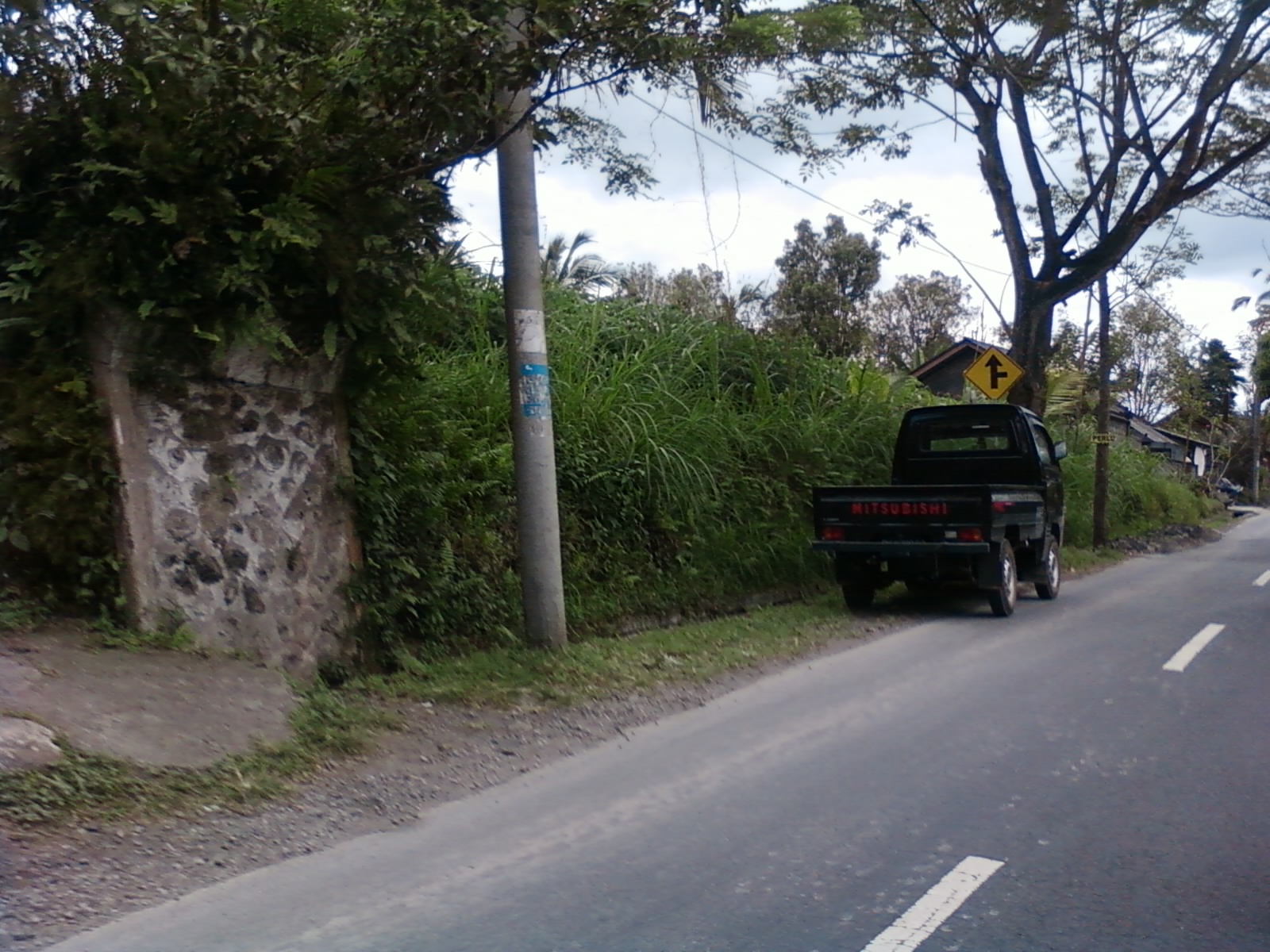

For a mountain or rural stage, confirm the surface, bridge or ferry access, fuel interval and parking with the accommodation. A 4WD can improve clearance on an unsealed road, but it does not make floodwater, a landslide or a closed road safe. Stop before a blind bend, use a lower gear on a descent and leave room for an oncoming bus or truck.
Toll cards, fuel and parking
The Badan Pengatur Jalan Tol (BPJT) says toll payments have been cashless since October 2017. A Java rental car normally carries a stored-value electronic card. Before entering, confirm the issuer, the lane, the balance and whether the card stays with the vehicle. BPJT advises one electronic card for one vehicle, so do not swap a card between cars. Photograph the balance and card number at pickup, and agree how the final top-up or toll charge will be settled at return.
Indonesia is still testing newer free-flow toll arrangements in stages. The 2026 BPJT update says nationwide MLFF has not entered broad public trial, so follow the lane and card instructions shown on the road. Bali Mandara is an exception to the usual motorcycle restriction: BPJT says it has a separated two-wheel lane. Motorcycles should not enter other toll roads unless the operator explicitly permits it.
Pertamina stations are common on major corridors, but the interval grows on remote island and mountain routes. Ask the rental desk which fuel the vehicle takes, fill before a long detour and keep some rupiah for smaller stations. Public EV charging is growing around major cities and tourist corridors; verify the connector, access hours and a backup point before planning an island loop.
Parking is local rather than national. Use a marked, guarded or hotel facility, remove documents and electronics from sight, and ask whether a temple or beach car park closes at a particular time. An attendant’s request for a small fee does not by itself prove that a roadside space is authorised.
Rain, volcanoes and planned closures
Rainfall patterns differ between islands and coasts. The BMKG weather warning service publishes regional warnings, and its nowcasting product covers the next 0–6 hours. Check it again before a mountain, ferry or coastal stage. Heavy rain can reduce visibility, flood a dip in the road or trigger a landslide; turn around before water reaches the wheels and do not wait on the low side of a slope.
Bali’s Nyepi observance suspends travel and transport operations for a 24-hour period. The Directorate General of Land Transport notice describes the 2026 airport, ferry and land-transport adjustments. Dates change each year, so ask the accommodation and transport operator, finish the transfer before the closure and do not plan a road trip during the observance.
After a breakdown or collision
Move out of the traffic line if it is safe, switch on hazard lights and call the rental company. On a toll road, use the operator’s roadside assistance and note the kilometre, direction, nearest interchange and vehicle registration. BPJT says towing to the nearest toll exit is free; a tow beyond that point can cost extra.
For urgent help, 112 is the integrated emergency number where the local government has implemented the service. It is designed to connect police, fire, medical and other agencies, but the coverage is decentralised, so save 110 for the Indonesian National Police and 119 for medical emergencies as well. The Polri 110 contact centre accepts accident and safety reports, while PSC 119 is the Ministry of Health’s rapid medical response service.
Photograph the road position, signs and vehicle damage from a safe place, exchange documents and notify the insurer. Do not make a roadside payment without a receipt or leave an injury scene to avoid a crowd.
Before collecting the vehicle
- Send the issuing country, licence categories and IDP or translation details to the branch and get written acceptance.
- Confirm whether the vehicle is a car, motorcycle or 4WD, and match the insurance to that category.
- Photograph the registration, tyres, lights, helmet or child-seat equipment, existing damage and toll-card balance.
- Build a daylight route with fuel, ferry, parking and weather fallbacks; do not use a national speed ceiling as a target.
- Save 112, 110, 119, the rental roadside number, the toll operator and the accommodation address offline.
Official resources and review date
This page was reviewed on 17 August 2026 against Law 22/2009 on road traffic, Police Regulation 5/2021 on driving licences, Government Regulation 79/2013, BPJT, BMKG, Polri 110 and PSC 119. Licence recognition, road signs, toll tariffs, weather warnings, ferry schedules and rental conditions can change. Reopen the relevant official source before each long or remote stage.
Related guides and destinations
Frequently Asked Questions
- Do I always need an International Driving Permit in Indonesia?
- There is no single answer for every nationality. Indonesian law recognises foreign licences through bilateral or multilateral arrangements, while a foreign IDP is recognised under the applicable international convention or agreement. Carry the original home licence and the matching IDP or official translation route, and get the rental branch's written confirmation before payment.
- What is the minimum driving age in Indonesia?
- The legal age for the common private-car and motorcycle licence categories is 17. A rental company can set a higher age, require a minimum driving history or refuse a particular vehicle class. Its contract controls the handover.
- What speed limits should I expect?
- Government Regulation 79/2013 sets national ceilings of 100 km/h on freeways, 80 km/h on intercity roads, 50 km/h in urban areas and 30 km/h in residential areas. The limit must be shown by a sign, and a lower local or temporary limit takes priority.
- Can I rent a scooter with a car licence?
- Only if your licence and the recognised permit route cover the motorcycle category. A car-only licence does not authorise a scooter. Wear a compliant helmet, check the vehicle and read the insurance exclusion before riding.
- Is self-driving practical in Bali?
- It can be practical for a confident rider on a planned regional route, but south Bali has narrow roads, dense two-wheeler traffic and difficult parking. A car with a driver, walking, public transport or an app ride can be more workable for a city day.
- How are Indonesian toll roads paid?
- BPJT says toll payments are cashless. Java rental cars normally use a stored-value electronic card, and the card must have enough balance before entering. Ask which issuer and lane the vehicle uses; do not assume a cash lane or a universal app.
- Can I move an e-toll card between rental cars?
- BPJT advises using one electronic card for one vehicle. Keep the card with the vehicle, photograph its balance at pickup and return, and agree in writing how the final toll and top-up are settled.
- What should I check before a rainy or mountain route?
- Use BMKG's forecast and 0–6-hour nowcasting, then check the local road or ferry operator. Rain can cause poor visibility, standing water, landslides and delays; turn back before a flooded crossing and do not treat a 4WD as permission to enter moving water.
- What happens during Nyepi in Bali?
- Transport operations and travel across Bali are suspended during the 24-hour observance. Dates and operating windows are announced locally each year. Arrange airport, ferry and hotel transfers before the closure and follow the provincial and transport notices.
- Which emergency numbers should I save?
- 112 is the integrated emergency number where the local service is implemented; 110 is the national police contact centre and 119 is the medical emergency service. On a toll road, use the operator's roadside channel as well and record the kilometre, direction and nearest exit.
Information Sources & Disclaimer
This guide compiles information from the official transport authorities, road operators, government travel information, and automobile associations linked for Indonesia.
While we strive to keep this information as accurate and up-to-date as possible (last reviewed: August 2026), traffic laws and toll rates can change without notice. We recommend verifying critical information with the local authorities or your car rental agency upon arrival.
Learn more about our Editorial Process →Compare Your Origin and Destination
Use the comparison tool to check driving side, units, documents, and other destination data for your route.