Start with the route, not the rental category
Poland is easiest to drive when the itinerary is split into two different jobs. A car is useful for national parks, the Baltic coast, the Mazurian lakes and the Tatra foothills. In Warsaw, Krakow, Wroclaw and Gdansk, rail, trams and park-and-ride can be less stressful than taking a rental into the centre. Book the vehicle around the rural days and confirm where it can be returned.
The road network uses A for motorways and S for expressways, with DK national roads and DW voivodeship roads filling the gaps. A long route may switch from a high-standard S road to a narrow local road near its destination. Keep the map set to avoid unpaved roads unless the rental contract explicitly allows them.

Foreign licences, IDPs and documents
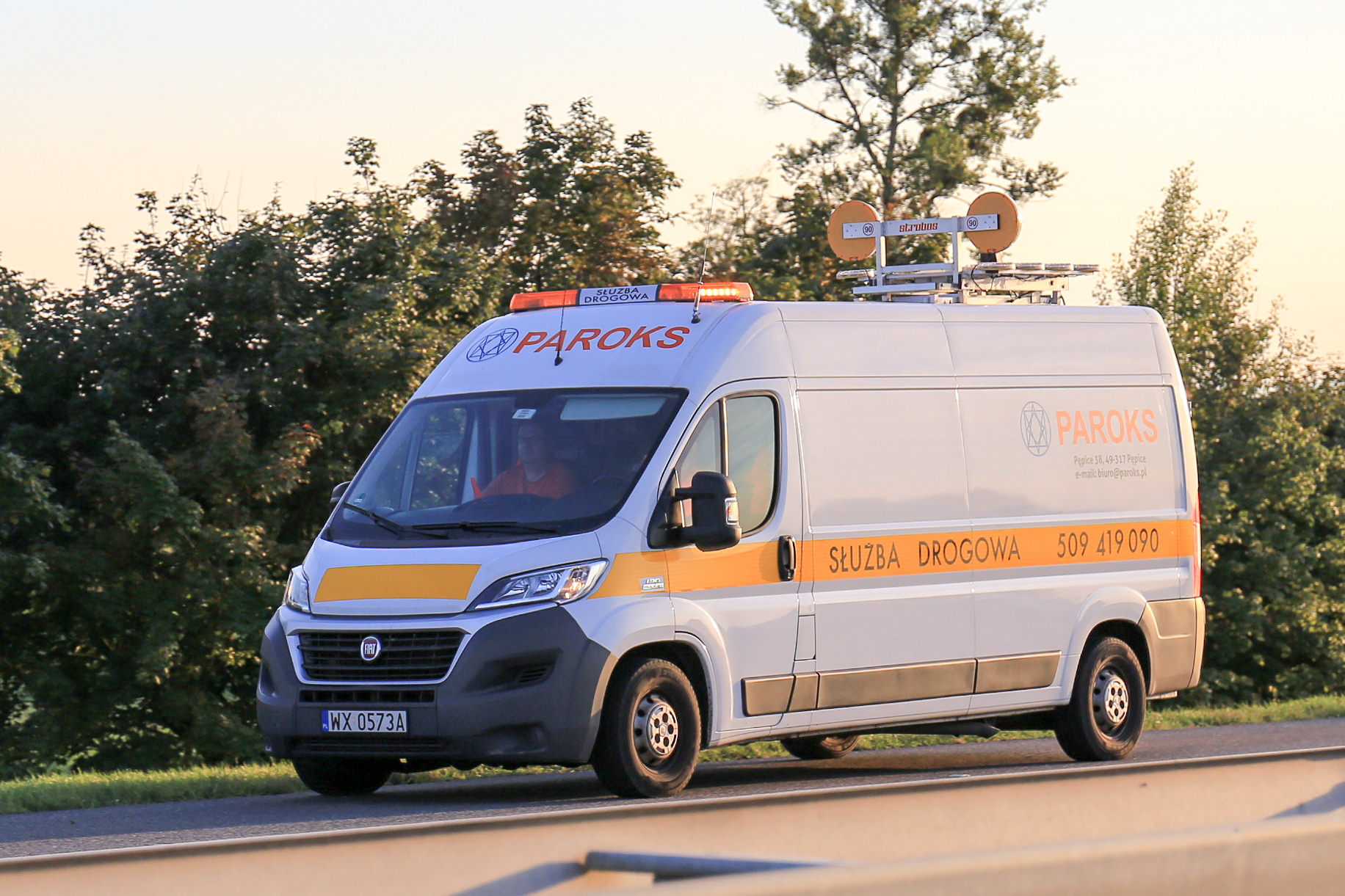
The Polish government’s First steps in Poland guide explains that EU/EFTA/EEA licences and licences covered by the Geneva or Vienna road-traffic conventions are treated differently from other documents. That is why a country-by-country promise is unsafe. A licence that is valid for a tourist may still be rejected by a rental desk if staff cannot read it.
Bring the physical licence, passport, booking confirmation and the vehicle’s registration and insurance papers. If your licence is not in a readable Latin format, arrange an IDP or an accepted translation before travel. The Polish government IDP information is written for Polish licence holders, but it clearly describes an IDP as a companion document, not a replacement. Rental terms can also set a longer licence-holding period or a higher minimum age than the law.
Rules visitors notice on the road
Poland drives on the right. The National Road Safety Council guide covers the basic equipment and behaviour expected during a roadside check.
- Dipped headlights are required throughout the year, including daylight.
- Seat belts apply to the driver and passengers. Children under 150 cm generally need an approved child restraint, subject to the exceptions in Polish law.
- The blood-alcohol limit is low: 0.2‰ in blood, or 0.10 mg/dm³ in breath. The practical advice for a visitor is to drive with zero alcohol.
- Holding a phone while driving is prohibited. Set navigation while parked and use a mounted, hands-free setup.
- At an unmarked junction, the right-hand priority rule can apply. A yellow diamond marks a priority road; a yield or stop sign changes the approach.
- A roundabout is not a shortcut around signs. Yield where the entry marking requires it, choose the lane shown by arrows and signal before leaving.
Speed limits and road classes
For a normal passenger car, the Road Traffic Act summary and GDDKiA guidance give this baseline:
| Situation | Baseline |
|---|---|
| Built-up area | 50 km/h |
| Residential zone | 20 km/h |
| Other roads outside built-up areas | 90 km/h |
| Single-carriageway expressway or qualifying dual carriageway | 100 km/h |
| Dual-carriageway expressway | 120 km/h |
| Motorway | 140 km/h |
The GDDKiA motorway and expressway page notes that construction, tunnels, weather, traffic and road condition can bring a lower temporary limit. On an A or S road, keep a generous gap and treat a variable sign as current information, not a suggestion.
Motorways, tolls and e-TOLL
Do not describe e-TOLL as a passenger-car vignette. The official e-TOLL notice says registration is compulsory for motor vehicles or combinations over 3.5 tonnes and for buses, regardless of bus weight. Its charges are calculated by road class, maximum permissible weight and emissions class, rather than by buying a time-based sticker.
Passenger cars can still meet tolls on particular motorway sections. Some state-owned light-vehicle sections are free, while concession sections use their own operator, payment channel and tariff. The Ministry of Infrastructure overview and the GDDKiA road-information map are better references than an old route table. Ask the rental company whether a transponder or post-trip toll administration fee applies.
If towing, re-check the classification shortly before the trip. The e-TOLL announcement dated 27 July 2026 says combinations up to 3.5 tonnes with a trailer will leave e-TOLL from 21 September 2026. That future change does not erase the current need to check a heavier combination.
City driving, trams and parking
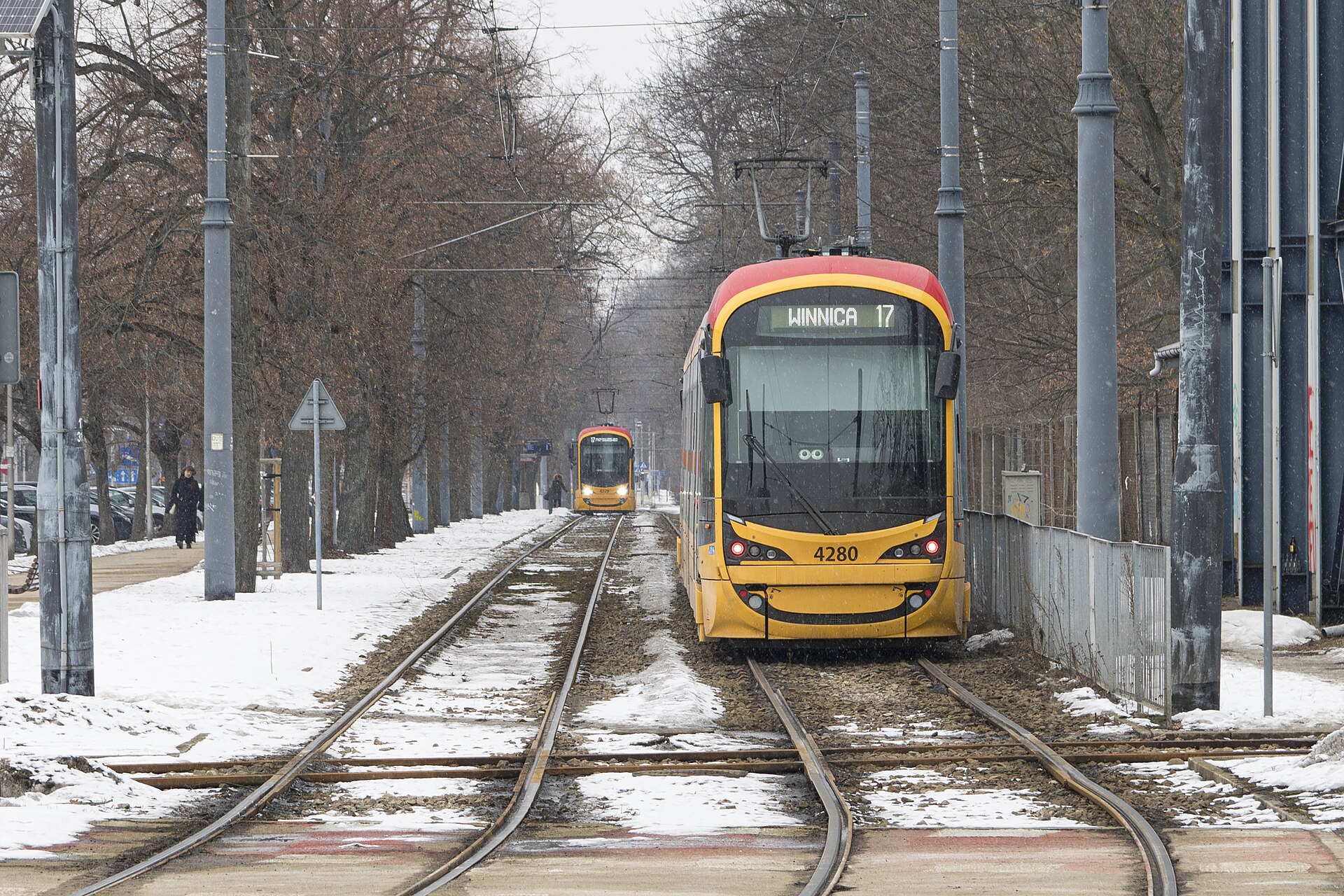

Warsaw’s ZDM parking page lists its paid zone, machines and mobile operators. In Krakow, the municipal road authority publishes the paid-parking area, road works and changes. In either city, check the sign at the end of the block rather than relying on a hotel description. Enter the registration number exactly as shown on the rental car, and never stop across a tram track, zebra crossing or cycle lane.
Old-town restrictions are easy to miss. A blue pedestrian-zone sign, a bus or tram lane and a local clean-transport restriction can all change the route without changing the city name in the navigation app. Park outside the centre when the day is mostly museums or restaurants, then use public transport for the final leg.
Winter, fog and mountain approaches
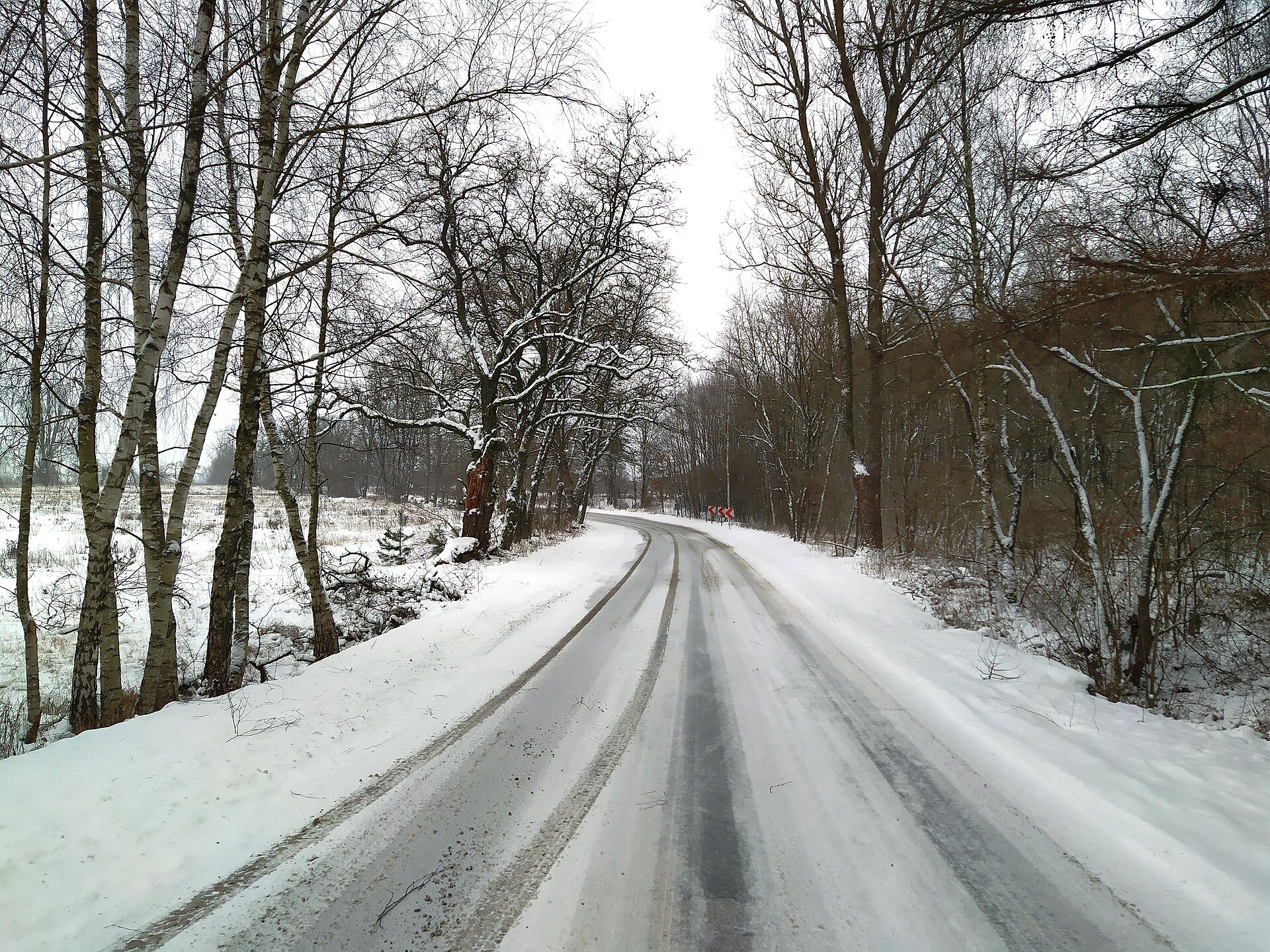

Winter tyres are not a nationwide legal requirement for ordinary cars, but a summer-tyre rental is a poor choice for a snowy southern itinerary. Ask for the tyre specification at pickup, carry a scraper and warm layer, and treat a chain sign as an instruction. Black ice can remain on shaded roads after a main route looks clear.
Before a Tatra or Zakopane drive, check GDDKiA road information and the IMGW weather service. The national-road network is maintained, but local roads, steep approaches and parking areas can deteriorate faster. Leave in daylight, keep fuel above the last convenient station and turn around before a descent becomes a recovery problem.
Fuel, charging and returning the car
Petrol stations are common on A and S roads and in towns. Polish labels usually show Pb95 or Pb98 for petrol, ON for diesel and LPG for autogas. Confirm the fuel type on the filler flap before handing the keys back. For an EV, map a second charging option rather than arriving at a busy motorway hub with a low battery; the GDDKiA map links to alternative-fuel infrastructure.
Photograph the bodywork, wheels, fuel gauge and odometer at pickup and return. Keep the final fuel receipt when the contract requires a full-to-full return. Cross-border travel to Germany, Czechia, Slovakia or Lithuania needs written permission, the correct insurance cover and any equipment required by the destination country.
If something goes wrong
Call 112 for an injury, fire, dangerous crash or immediate threat. The Ministry of the Interior and Administration says the number is free across the EU, works from mobile and landline phones, and should be used for genuine emergencies. Give the operator the road number, direction of travel, nearest junction or kilometre marker and the number of injured people.
For a breakdown without danger, move behind the barrier if possible, use the warning equipment supplied by the rental company and call its roadside-assistance number. Do not use the old Warsaw 19115 city line as a substitute for a national emergency call.
Useful official links
- Polish government: First steps in Poland
- National Road Safety Council: road-traffic safety guide
- GDDKiA speed-limit guidance
- GDDKiA road-information map
- e-TOLL official system
- Warsaw paid-parking zone
- Krakow road authority and paid parking
- Poland travel information
Related planning
- Poland motorway tolls, parking and rental cars
- Lesser Poland seven-day road trip
- International Driving Permit guide
- Winter driving abroad
- Czech Republic, Germany, Hungary
Review date: 17 August 2026. Rules, toll networks, parking zones and weather services can change; confirm the official links immediately before departure.
Frequently Asked Questions
- Can I drive in Poland with my home-country licence?
- A valid licence from an EU or EEA country is recognised. For other countries, recognition depends on the issuing country and the 1949 Geneva or 1968 Vienna road-traffic conventions, the licence format and the length of stay. Carry the original licence and ask the rental company whether it also wants an IDP or certified translation.
- Do I need an International Driving Permit in Poland?
- Not every visitor needs one, so the front-matter flag is not a blanket requirement. An IDP is a useful translation when the licence is not easy to read in Latin script, and a Polish authority or rental company may ask for one. It must accompany the original licence and never replaces it.
- What are the speed limits in Poland?
- For a passenger car, the statutory baseline is 50 km/h in a built-up area, 20 km/h in a residential zone, 90 km/h on other roads outside built-up areas, 100 km/h on a single-carriageway expressway or qualifying dual carriageway, 120 km/h on a dual-carriageway expressway and 140 km/h on a motorway. A lower posted sign always wins.
- Is e-TOLL a vignette for rental cars?
- No. e-TOLL is an electronic distance-based charge for heavy goods vehicles and vehicle combinations over 3.5 tonnes, plus buses. A normal passenger car is usually outside that system, while some A-road sections still use separate operator tolling. Check the vehicle's maximum permissible weight and the exact route before departure.
- Can a passenger car with a trailer use e-TOLL?
- As of this review date, check the current e-TOLL classification before travelling. The official system says that from 21 September 2026, vehicles or combinations up to 3.5 tonnes with a trailer will no longer need e-TOLL. A heavier combination remains a different case.
- Are winter tyres mandatory in Poland?
- Poland has no nationwide winter-tyre mandate for ordinary passenger cars. Winter tyres are sensible for snow, ice and mountain routes, and chains can be required by a road sign. Ask the rental branch what tyres are fitted and check GDDKiA and IMGW conditions before leaving.
- Do trams have priority in Polish cities?
- Read the signs and markings at each junction. Trams often have priority where the road layout grants it, but do not assume every track has the same rule. Never stop on tracks or block a tram stop, and check mirrors before crossing rails.
- How does paid parking work in Warsaw or Krakow?
- Both cities use signed paid-parking zones with city-specific payment methods and operating hours. Warsaw's ZDM lists its current zone and mobile operators; Krakow's road authority publishes its paid-parking area and disruptions. Photograph the zone sign, enter the correct registration number and keep the receipt or app confirmation.
- What should I do after a crash in Poland?
- Stop safely, protect the scene and call 112 when anyone is injured, traffic is dangerous or an emergency service is needed. Exchange registration, insurance and contact details, photograph the scene and follow the rental company's accident procedure. Do not sign a document you cannot understand.
- What should I check before a winter or mountain drive?
- Check the GDDKiA road-information map, IMGW weather warnings, daylight and fuel stops. The Zakopane and Tatra approaches can be congested and icy even when a motorway is clear. Leave extra time, use a suitable tyre set, carry warm clothing and turn around if the route becomes unsafe.
Information Sources & Disclaimer
This guide compiles information from the official transport authorities, road operators, government travel information, and automobile associations linked for Poland.
While we strive to keep this information as accurate and up-to-date as possible (last reviewed: August 2026), traffic laws and toll rates can change without notice. We recommend verifying critical information with the local authorities or your car rental agency upon arrival.
Learn more about our Editorial Process →Compare Your Origin and Destination
Use the comparison tool to check driving side, units, documents, and other destination data for your route.