Choose the route before choosing the car
Portugal is compact on a map, but the driving jobs are different. A car is useful for the Douro, Alentejo, the N2 and the Algarve’s beaches. Lisbon, Porto and the centres of other historic towns are easier when the car stays in a garage and the last part is done on foot or by public transport. Book the vehicle around the rural days, and confirm that the return branch accepts the route and any cross-border plans.
The main fast roads use an A number. National roads such as the N2 and N339 can be the reason for the trip, but they are not substitutes for a motorway timetable. Navigation apps often offer the scenic route by default; compare the arrival time in daylight and check whether the rental contract permits unsealed access roads.

Licences, IDPs and the documents at the desk
The Portuguese mobility institute (IMT) explains that EU and EEA licences can be used in Portugal while the document is valid. For other foreign licences, the result depends on the issuing country, the Geneva or Vienna convention or a reciprocity arrangement, and whether the holder is a resident. IMT describes a convention-based visitor licence as usable for up to 185 days from the day after entry when the other conditions are met; that is not a universal promise for every passport or licence design.
Bring the physical licence, passport, booking confirmation and the rental agreement. An International Driving Permit is a translation companion, not a replacement for the national licence. It is sensible when the licence is not easy to read in Latin script, and some rental desks can ask for it even when a police check might accept the original. Check the exact rental terms before travelling rather than relying on a country label such as “US” or “UK”.
The legal minimum age for a car is 18, but a rental company can set 21 or 23, add a young-driver fee or restrict larger vehicles. Photograph the licence, passport, fuel level, wheels and existing marks at pickup. Keep the vehicle registration and insurance documents in the car; the rental company should tell you where they are stored.
Rules that matter once the wheels move
Portugal drives on the right. The European Commission’s Portugal road-rules page is a useful pre-trip check, but the sign beside the road always wins.
- At an unmarked junction, give way to traffic from the right unless a sign or road marking changes the priority.
- At a roundabout, follow the lane arrows and yield at the entry line. Signal in time for the exit; do not cut across a lane to leave at the last moment.
- Seat belts are required for every occupant. Children need an approved restraint appropriate to their size and the vehicle; reserve the correct seat with the rental company rather than accepting an unlabelled booster at the desk.
- The standard alcohol limit is 0.5 mg/ml. Novice and professional drivers have a 0.2 mg/ml limit. Zero alcohol is the only simple rule for a tasting day.
- Holding a phone while driving is prohibited. Set the route while parked and use a properly mounted hands-free device.
- Carry the warning triangle and reflective vest required for the vehicle. Use dipped lights in tunnels and when visibility is poor, and follow any local lighting sign.
Speed limits
| Situation | Passenger-car baseline |
|---|---|
| Built-up area | 50 km/h |
| Zone 30 or other signed area | Posted limit |
| Other roads outside built-up areas | 90 km/h |
| Reserved or expressway road | 100 km/h |
| Motorway | 120 km/h |
The table is a starting point, not a target. Rain, roadworks, junction design and variable signs can lower it. On a narrow village road, a legal limit can still be too fast for the sight line.
Tolls: the rental contract is part of the route plan
Portugal has conventional toll plazas and electronic-only sections. An electronic road is not a vignette: the vehicle is identified by a transponder or number plate, and the payment method has to match the plate country. The Infraestruturas de Portugal foreign-vehicle FAQ says foreign-plate drivers must subscribe to a payment system before the first trip. Options are listed by PortugalTolls and include EasyToll, TollCard, Go Toll and Via Verde Visitors.
At a rental desk, ask three questions: is the transponder fitted, what is the activation or daily fee, and when will the toll and administration charge appear? Keep the final statement after returning the car. If you bring your own foreign-plate vehicle, use an approved pre-registration option. The CTT/Payshop post-payment route described for Portuguese plates is not a safe fallback for a foreign plate, and the old “pay within five days” advice is too broad.
Tolls and concessions change. IMT publishes the current tariff tables; use them or the operator calculator for a planned route instead of copying a fixed Lisbon–Porto price. From 1 January 2026, the A25 Aveiro–Albergaria section is listed at a zero tariff, while other sections and operators continue to have their own rules.
.jpg)
Lisbon, Porto and the access signs
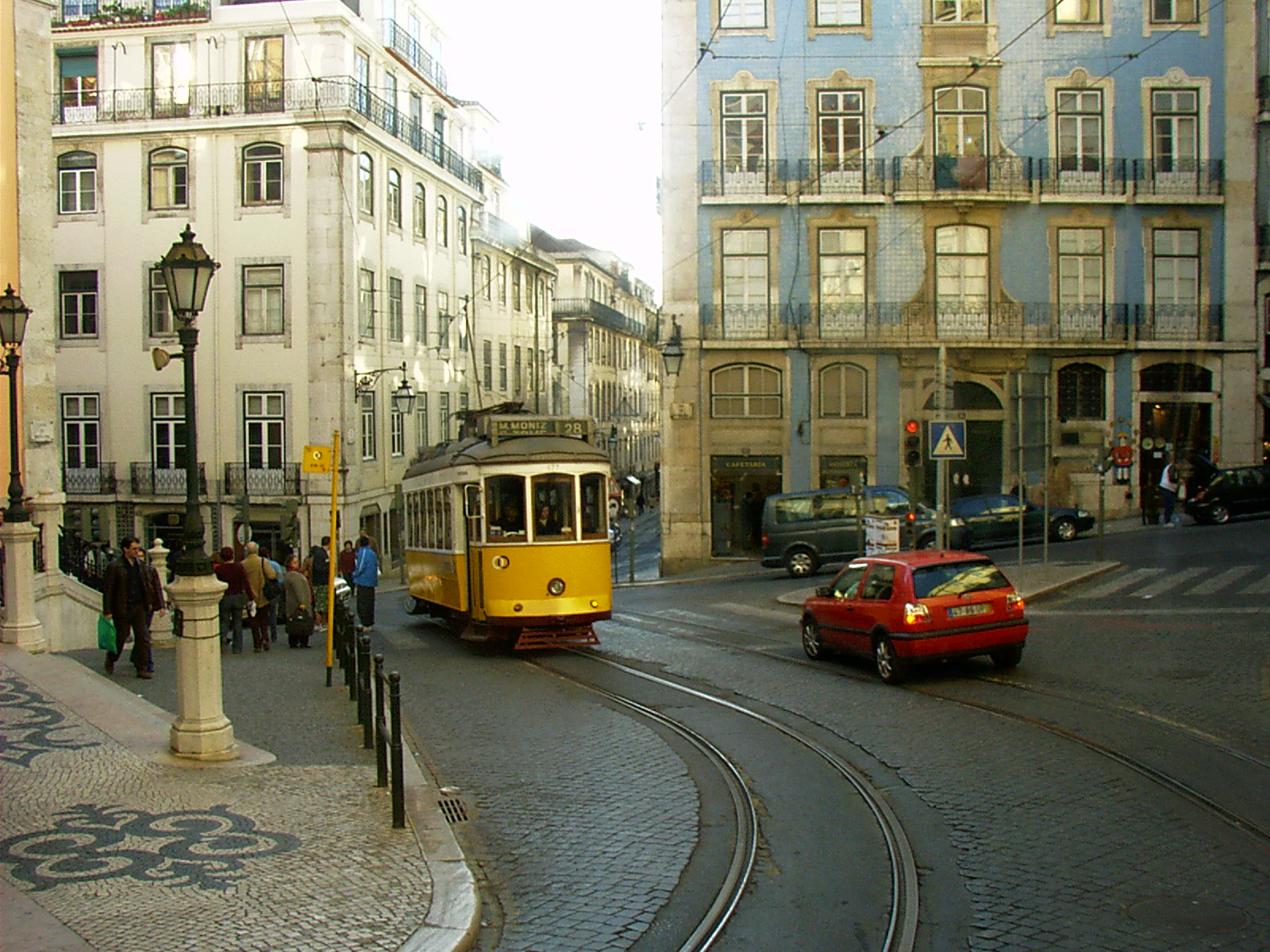
Lisbon’s old neighbourhoods were built for people and trams, not for a modern rental car. The municipality’s private-vehicle page describes reduced-emission zones (ZER) and Zone 30 areas. The current ZER schedule is working days from 07:00 to 21:00, with different vehicle-age and Euro-standard rules for Zone 1 around Avenida da Liberdade/Baixa and the wider Zone 2. It is a Lisbon rule, not a nationwide Portuguese sticker scheme. Check the signs and the rental vehicle’s Euro class before entering.
For parking, use EMEL signs, meters and approved apps. A garage or park-and-ride is usually easier than circling Alfama. Take a photograph of the zone sign and enter the registration exactly as printed on the rental agreement.
Porto publishes paid street-parking zones. The normal paid period is weekdays 09:00–19:00, with a Saturday period in Zone I; the maximum stay varies from two to ten hours according to the sign. Porto also has controlled-access areas in Cedofeita, Flores, Ribeira and Santa Catarina. The ZAAC FAQ explains who must register and when a fee applies. Do not follow a navigation shortcut into a signed restricted street simply because a hotel address is inside it.
Douro, N2, the mountains and the coast
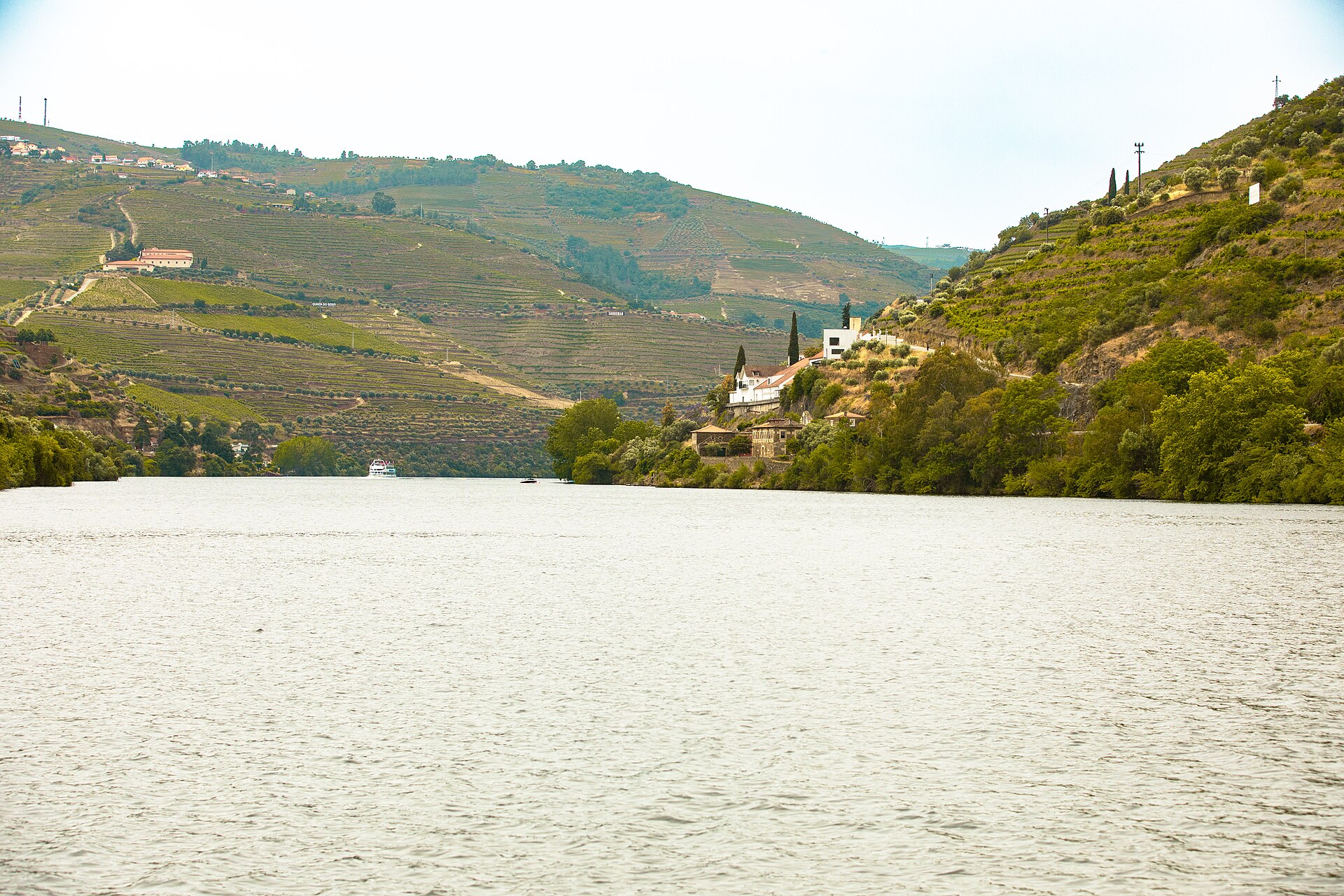
The Douro valley’s vineyard lanes make a poor “quick detour”. They are narrow, steep and full of blind bends; a coach, tractor or parked car can remove the usable width. Keep the car in a low gear on descents, leave space for an uphill vehicle and plan a return before dusk. The Portugal N2 seven-day route guide is a better starting point than trying to cover the whole N2 on a motorway schedule.
The N2 runs from Chaves to Faro, but the character changes repeatedly. Services thin out in the interior, so refuel before the tank becomes the day’s concern. For the N2 guide, separate the long stages and keep an alternative route if a local road is closed.
.jpg)
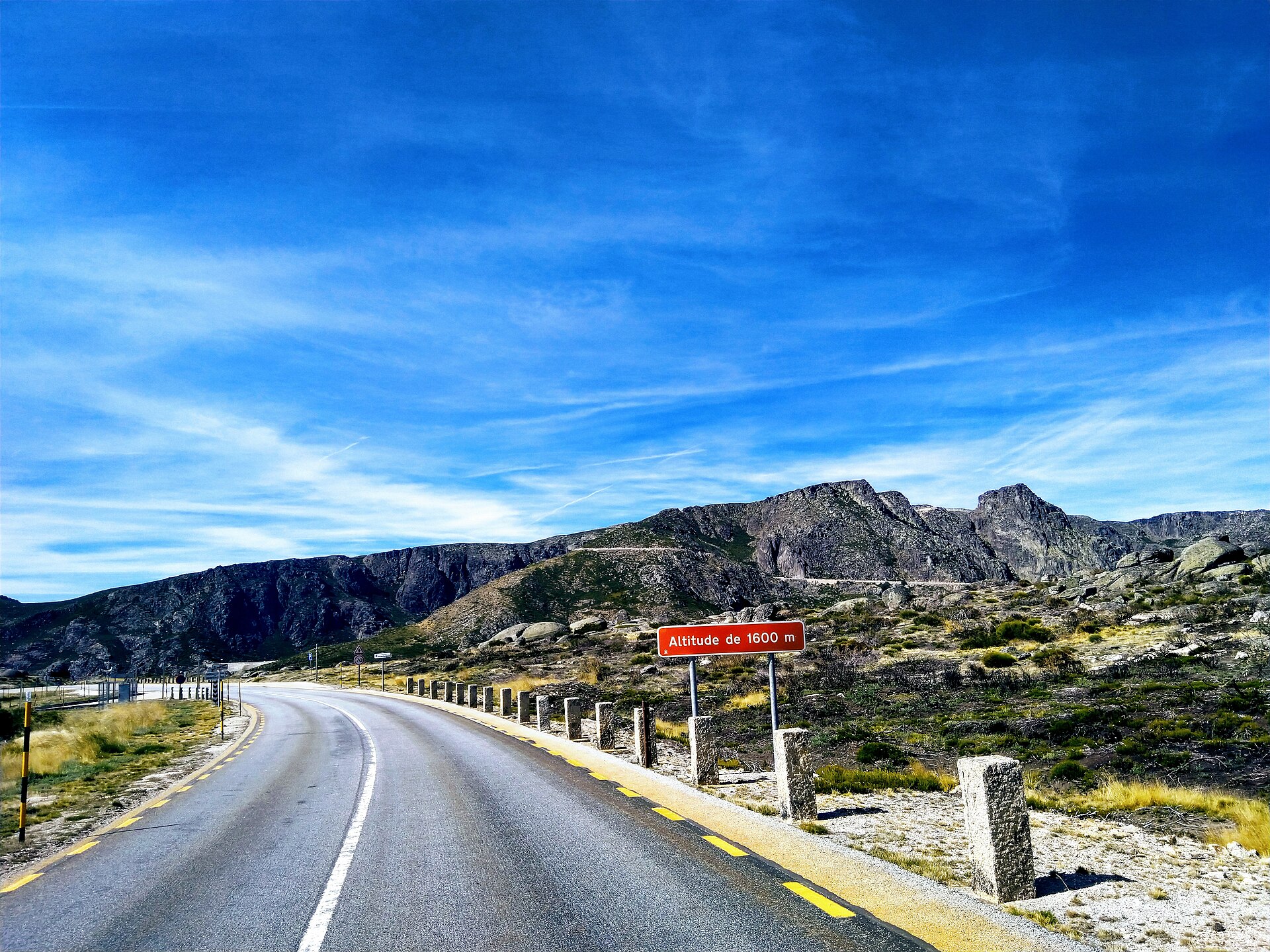
Serra da Estrela can change from a warm valley to fog, ice or snow within one climb. Check the IPMA warnings and forecast and the Infraestruturas de Portugal road information before setting out. The Algarve coast has a different risk: strong summer sun, busy beach access roads and limited parking. Start early, carry water, and do not leave valuables visible in the car. Wildfire or high-wind restrictions can change a route on short notice; follow civil-protection instructions.
Fuel, charging and cross-border rentals
Petrol is labelled gasolina 95 or 98; diesel is gasóleo. Prices are shown per litre. Stations are frequent on motorways and in towns, but a rural station may close earlier or require card payment at the pump. For an EV, map a second charger for a long interior leg and confirm which roaming card or app the rental provider supplies. MOBI.E is the national charging-network reference, while the car’s own app may show a different live status.
Crossing into Spain is normally a separate rental-contract question. Ask for written permission, the correct insurance certificate and the toll arrangements for both countries. A one-way rental can add a large drop-off fee even when the border itself is open.
If something goes wrong
Call 112 for an injury, fire, dangerous collision or immediate threat. Give the operator the road number, direction, nearest junction or kilometre marker and the number of injured people. Move behind a barrier only if it is safe; otherwise stay belted and follow the operator’s instructions.
For a non-dangerous breakdown, use the rental company’s roadside-assistance number in the contract. Do not substitute an old internet-listed club number for the number attached to your vehicle. Exchange details after a collision, photograph the scene and signs, and report the incident to the rental company before agreeing to repairs or a cash settlement.
Official links and review date
- IMT: foreign driving licences
- IMT: International Driving Licence
- Infraestruturas de Portugal: foreign-vehicle toll FAQ
- PortugalTolls and Via Verde Visitors
- Lisbon private-vehicle rules and ZER
- Porto parking and ZAAC access FAQ
- IPMA weather warnings
- International Driving Permit guide, rental insurance guide and winter driving guide
Review date: 17 August 2026. Licence recognition, toll products, access zones, tariffs, weather warnings and rental terms can change; open the official pages again immediately before departure.
Related destinations and routes
Frequently Asked Questions
- Can I drive in Portugal with my home-country licence?
- EU and EEA licences can generally be used while valid. Other licences are recognised according to Portugal's convention and reciprocity rules, the licence format and the visitor's status. Carry the original licence and check the rental company's document list before pickup.
- Do I need an International Driving Permit in Portugal?
- There is no blanket IDP requirement for every visitor. An IDP can be required or strongly advisable when a licence is not readable in Latin script, when a convention rule applies, or when the rental company asks for it. It must accompany the original licence.
- How do Portugal's electronic tolls work with a rental car?
- Ask the rental desk whether the vehicle has a transponder and how tolls and administration fees will be charged. A foreign-plate vehicle without a rental arrangement must register for an approved payment option before its first electronic-only toll journey; do not assume the Portuguese-plate post-payment route applies.
- What are the usual speed limits in Portugal?
- The passenger-car baseline is 50 km/h in built-up areas, 90 km/h on other roads outside them, 100 km/h on reserved or expressway roads and 120 km/h on motorways. A Zone 30 or other posted limit overrides the baseline.
- Is driving in Lisbon's old centre a good idea?
- Usually not for a sightseeing day. Lisbon's historic streets are steep, narrow and restricted in places. Use a signed car park or park-and-ride, then walk or use public transport. Check the city's ZER and local access signs before entering.
- Where can I park in Porto?
- Porto's paid street parking is divided into signed zones with different hours and maximum stays. Check the sign on the block, pay at a meter or an approved app, and use a garage outside the Ribeira area when the day is centred on the old town.
- Can I drive the N2 or Douro roads in one day?
- Both are possible only if the itinerary leaves room for slow bends and stops. The N2 is a long north-south route, while Douro vineyard roads can be narrow and steep. Keep a daylight margin and do not plan the same timings as an A-road journey.
- What should I check before driving to Serra da Estrela?
- Check the current road status, IPMA weather warnings, daylight and fuel before leaving the lower towns. The N339 climbs quickly; fog, ice or snow can make the upper section unsuitable for a lightly equipped rental car.
- Can I drive after drinking wine in Portugal?
- Portugal's standard limit is 0.5 mg/ml, with a lower 0.2 mg/ml limit for novice and professional drivers. The practical choice for a winery visit is a sober driver or a tour, because a small tasting can still create a legal and insurance problem.
- What number should I call after a serious crash?
- Call 112 for an injury, fire, dangerous collision or another immediate emergency. For a non-dangerous breakdown, move to a safe place if possible and use the rental company's roadside-assistance number shown in the contract.
Information Sources & Disclaimer
This guide compiles information from the official transport authorities, road operators, government travel information, and automobile associations linked for Portugal.
While we strive to keep this information as accurate and up-to-date as possible (last reviewed: August 2026), traffic laws and toll rates can change without notice. We recommend verifying critical information with the local authorities or your car rental agency upon arrival.
Learn more about our Editorial Process →Compare Your Origin and Destination
Use the comparison tool to check driving side, units, documents, and other destination data for your route.