Choose the road class before choosing the scenery
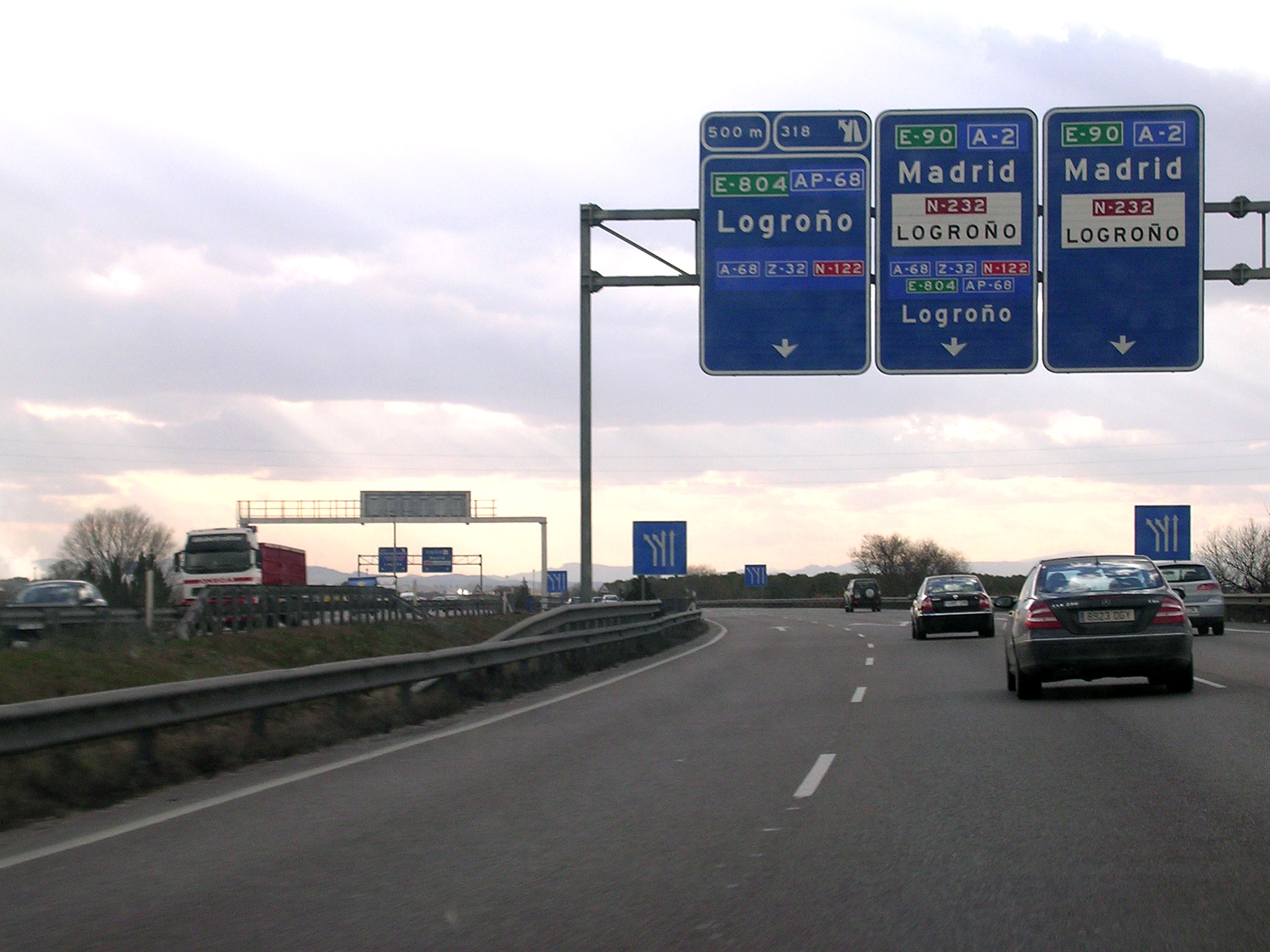
Spain works best as two plans: a city plan with the car parked outside the historic core, and an interurban plan that uses the right road for the distance. A-roads and autovías are usually the practical backbone. AP motorways may save time on a busy corridor, but they can charge a concession toll. N-roads and regional roads are useful for villages, coastlines and mountain passes; their travel time is much less predictable than a map’s straight-line distance.
The car earns its keep outside Madrid, Barcelona and the other dense centres, where parking and restricted streets can consume more time than they save. For a northern route, the existing seven-day northern Spain guide is a useful route-planning companion. If the itinerary enters several city centres, read the Spain low-emission-zone guide before booking the rental.

Licences, IDPs and the rental desk
The DGT guidance for foreign drivers lists the documents a driver should be able to show: a valid licence, vehicle registration and technical inspection documents, and third-party insurance. A rental driver should also carry the rental agreement and the passport or identity document used at the counter.
EU and EEA licences are recognised while current. For other permits, the DGT foreign-licence page explains the important distinctions: a document in Spanish or with an official translation, a licence following the Geneva or Vienna convention models, and a permit that is current and compatible with the driver’s age can be accepted. The DGT advises a non-EU visitor to obtain an IDP, carry it with a passport or ID, and keep the original licence with it. An IDP is a supporting translation, not a replacement licence.
The rental branch can impose a stricter policy. Confirm the minimum licence-holding period, the minimum driver age, additional-driver names, payment-card rules, cross-border permission and the excess before signing. Photograph the vehicle’s wheels, glass, fuel or battery level, warning lights and existing marks. A small car is easier in an old town, but check boot space if the group has luggage that must stay out of sight.
Speeds, junctions and the rules that change a journey
The Traffic Regulations provide the national framework, but a sign on the road always wins:
| Road setting | General framework | What to check |
|---|---|---|
| Urban shared or platform-level street | 20 km/h | Pedestrians and cyclists may share the same level |
| Urban road with one lane each way | 30 km/h | A short section can be lower by sign |
| Urban road with two or more lanes each way | 50 km/h | Bus lanes and camera controls are local |
| Conventional road outside built-up areas | 90 km/h | Curves, villages and junctions often require less |
| Autopista or autovía | 120 km/h | Variable signs and traffic conditions control |
Drive on the right and overtake on the left. At a roundabout, vehicles already circulating have priority. Choose a lane early, follow the arrows, and move to the outside lane in time for the exit. Seat belts are required for every occupant. A child under 135 cm normally uses an approved restraint in the rear, subject to the exceptions in the DGT’s basic rules. Holding a phone while driving is prohibited.
The alcohol limits are 0.25 mg/l breath or 0.5 g/l blood for most drivers, and 0.15 mg/l or 0.3 g/l for novice and professional drivers. Published fixed-camera warnings are different from radar detectors and inhibitors. The DGT prohibits detection and jamming equipment; a navigation service that warns about a published fixed camera is not the same device, but do not use it to handle a phone while moving.
Daytime headlights are not a universal outside-town requirement. Use lights from dusk to dawn, in tunnels and underpasses, in poor visibility, and where the lane arrangement or sign requires them. Rain does not create one nationwide alternative limit; slow for the actual surface and obey any displayed variable limit.
Breakdown equipment after the 2026 V16 change
From 1 January 2026, a vehicle registered in Spain must use a connected V16 beacon as its legal warning device. The DGT V16 instruction says to keep it accessible, place it high on the vehicle where possible, and use the connected device to send the vehicle’s location to DGT 3.0. Ask the rental branch to show you the beacon and its storage location before leaving.
The rule is different for a foreign-registered car in international traffic. The DGT’s international-traffic instruction allows the warning equipment required by the vehicle’s home country, such as warning triangles. This does not remove the need to follow safe-stopping practice. Switch on hazard lights, put on a reflective vest before exiting, leave from the side away from traffic, and get behind a barrier if there is one. Never cross a motorway carriageway to place a triangle.
ZBE access is a city-by-city check
Spain does not have one national emissions sticker that grants entry everywhere. The DGT National Access Point publishes a changing dataset of ZBE boundaries and restrictions. Use it as a starting point, then open the municipality’s own page for dates, permits, cameras and exemptions.
Madrid applies ZBE controls across the municipality’s public roads. The Madrid ZBE page describes the national vehicle classification and transitional exceptions. A foreign plate may need documentary evidence for the city’s classification process, especially for the ZBEDEP Centro area. Barcelona requires foreign vehicles to use the AMB foreign-vehicle register when they need an emissions permit. Valencia asks foreign vehicles to prove that they are not among the most polluting vehicles through its official ZBE FAQ.
Ask the rental company for the registration number and emissions information, and ask the accommodation whether its garage can submit or validate access. If approval is not confirmed, use a garage or park-and-ride outside the controlled area and take public transport into the centre.

Tolls, payment and a realistic fuel plan
Spain has no national motorway vignette. AP concessions can charge by distance, while many A/autovía sections are free. The Ministry of Transport’s 2026 toll notice lists the state-concession changes, but the operator’s current tariff is the final check for a particular day. Payment may be by card, cash or Via-T on a compatible lane. Ask the rental branch about a transponder and administration fee before using an electronic lane.
Fuel is sold as gasolina and gasóleo. Prices vary by station and date, with motorway service areas often costing more. Do not copy a fixed national price into an itinerary. Fill before a long mountain or island stage, and keep a second charging option for an EV. Main corridors and cities have more chargers than remote parts of the Pyrenees, Sierra Nevada or the islands; check live status in the operator’s app.
City parking is also local. Blue, green, white and yellow markings can mean different things in different municipalities. Read the sign beside the space, record the rental plate exactly, and prefer a marked garage for a historic centre. A street that looks quiet during a fiesta can be closed for a procession or market later that day.
Northern coasts, high passes and island roads
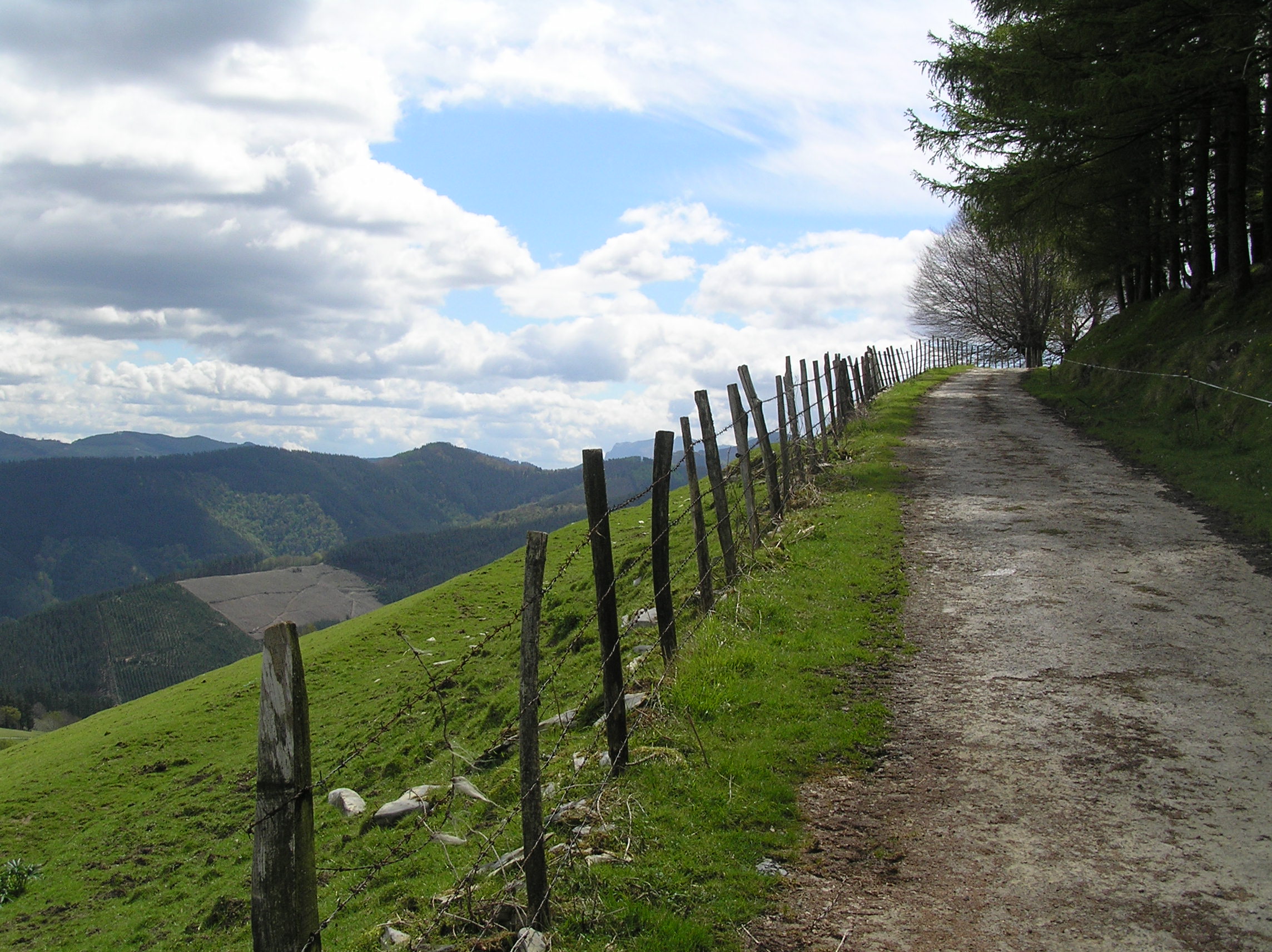
Galicia, Asturias and Cantabria can combine narrow coastal roads, rain and fog on the same day. The Pyrenees and Sierra Nevada add elevation, snow and closures. Check AEMET for the forecast and the DGT traffic information service for incidents and restrictions before leaving. A route that is legal in summer may have a seasonal closure or chain requirement in winter.
The same logic applies to Mallorca and the Canary Islands. Ferry timetables, narrow village streets and limited parking can decide whether a car is useful on a given day. Confirm that the rental contract covers ferries, unsealed tracks and cross-border travel; an attractive map line is not permission to leave the public road. Plan to reach a mountain or coastal stop in daylight, and keep a lower road as a fallback when the forecast turns.

Emergencies and the final pre-departure check
| Service | Number | Use |
|---|---|---|
| General emergency | 112 | Police, fire and medical response |
| Guardia Civil | 062 | National road and rural policing |
| Policía Nacional | 091 | National police |
| Policía Local | 092 | Municipal incidents where available |
For a breakdown, get the vehicle out of the live lane only if it is safe, call the rental provider and use 112 if anyone is injured or exposed to traffic. Save the DGT’s useful resources and the local municipality’s ZBE page offline. Before the first kilometre, confirm the licence documents, plate and emissions status, toll process, fuel or charging stop, weather window and daylight arrival.
Sources and review date
This page was reviewed on 17 August 2026. Spain’s licence interpretation, municipal ZBE permits, toll tariffs, traffic signs, road closures and rental conditions can change. Recheck the named authority immediately before driving:
- DGT: documents before driving in Spain
- DGT: foreign driving licences
- DGT: basic traffic rules
- DGT: connected V16 beacon
- DGT: ZBE National Access Point
- Madrid ZBE
- Barcelona foreign-vehicle ZBE register
- Valencia ZBE FAQ
- Ministry of Transport: 2026 motorway tariffs
Related guides and destinations
Frequently Asked Questions
- Can I drive in Spain with my home-country licence?
- EU and EEA licences remain valid while current. For other licences, the DGT advises carrying an International Driving Permit with your passport and original licence; the exact rule depends on the document format, convention and residence status. Ask the rental company for its document list before pickup.
- Is an International Driving Permit always required in Spain?
- There is no single blanket answer for every foreign licence. A licence in Spanish or an official translation, or one that follows the Geneva or Vienna convention format, may be accepted when current and the driver meets the age rules. The DGT still advises non-EU visitors to obtain an IDP and carry it with the original licence.
- What speed limits should I expect in Spain?
- The general framework is 20 km/h on some shared or single-level streets, 30 km/h on an urban road with one lane in each direction, 50 km/h on an urban road with two or more lanes in each direction, 90 km/h on conventional roads and 120 km/h on autopistas or autovías. Signs and variable limits override the framework.
- Can a foreign rental car enter a Spanish ZBE?
- Not automatically. ZBE rules are set by each municipality. Madrid, Barcelona and Valencia use different registration or emissions-document procedures for foreign plates, and a garage entrance may have its own access conditions. Check the city authority and the rental plate before entering.
- What warning device does a rental car need in 2026?
- A vehicle registered in Spain must carry a connected V16 beacon as the legal warning device from 1 January 2026. A foreign-registered vehicle travelling internationally may use triangles or an equivalent device required in its home country. Keep a reflective vest reachable from inside the car.
- Are Spain's motorways free?
- Some high-capacity A/autovía routes are free, while AP/autopista sections can charge by distance. Spain has no nationwide motorway vignette. Toll coverage, prices and payment methods vary by concession and date, so check the operator or the Ministry of Transport before committing to a route.
- What is the alcohol limit when driving in Spain?
- The general limit is 0.25 mg/l breath or 0.5 g/l blood. Novice and professional drivers have lower limits of 0.15 mg/l breath or 0.3 g/l blood. The safest travel plan is to assign a driver who does not drink.
- Do cars in Spain have to use headlights during the day?
- There is no blanket daytime rule requiring dipped headlights on every road outside towns. Lights are required at night, in tunnels and underpasses, in poor visibility and in lanes with special opposing or reversible traffic arrangements. Follow the sign and the vehicle manual.
- Who do I call after a collision or breakdown?
- Call 112 for a general emergency. Guardia Civil is 062, Policía Nacional is 091 and Policía Local is 092. Turn on hazard lights, put on a vest before leaving the vehicle, move behind a barrier when safe and never walk along a live motorway lane.
- When should I avoid driving in the mountains?
- Use AEMET forecasts and DGT traffic notices before leaving. Fog, storms, snow and a closed pass can change a Pyrenees, Sierra Nevada or northern-coast itinerary within hours. Keep a daylight fallback route and do not take an unpaved track that the rental contract excludes.
Information Sources & Disclaimer
This guide compiles information from the official transport authorities, road operators, government travel information, and automobile associations linked for Spain.
While we strive to keep this information as accurate and up-to-date as possible (last reviewed: August 2026), traffic laws and toll rates can change without notice. We recommend verifying critical information with the local authorities or your car rental agency upon arrival.
Learn more about our Editorial Process →Compare Your Origin and Destination
Use the comparison tool to check driving side, units, documents, and other destination data for your route.