Plan Moldova as four different drives
Moldova is compact enough for a long weekend but varied enough that one generic route plan is misleading. Chișinău is a city-access and parking problem. The central wine belt is a sequence of appointments on secondary roads. Orheiul Vechi is a reserve and walking destination reached through villages and valley roads. The northern and rural network adds longer gaps between services, changing road surfaces and a bigger need for daylight and weather margin. This guide was reviewed on 18 August 2026 for visitors using a private or rental car.
The calm order is: confirm the licence and rental contract, settle the foreign-vehicle and e-Vinieta questions, choose where the car will wait in Chișinău or at a site, then put a fuel or charging fallback on every rural leg. Use the IDP checker, rental cross-border permission planner, toll and vignette planner and route weather and closure planner to keep those decisions separate.
,_Chișinău,_Moldova_(46881346701).jpg)
Licence, IDP and the rental boundary
Carry the physical driving licence that qualifies you for the vehicle, your passport or accepted travel document, the rental agreement and the vehicle documents supplied at pickup. The Moldovan road-traffic regulation is the national ruleset. The Border Police travel conditions ask for a licence made out in the driver’s name and valid for the vehicle category; that checklist does not turn an IDP into a universal requirement.
An IDP is a companion translation document, not a standalone licence and not a border permission. The Public Services Agency explanation of international driving permits describes Moldova’s own IDP as valid in international traffic only together with the national licence. For a visitor, the relevant question is whether the issuing country, licence script, category and rental desk accept the original document. Ask the provider before payment and keep the answer with the reservation.
The legal age and rental age are separate. The licensing rules support 18 for category B, while the published Autorental Chisinau rental terms give one provider’s example of a 21-year minimum and one year of driving experience. That is not a national rental rule. It is useful evidence of the contract layer: another fleet can set a different age, licence-tenure condition, vehicle-class restriction, deposit or young-driver fee. Register every driver before leaving the desk.
Border entry, foreign vehicles, e-Vinieta and insurance
The border decision has four layers: your permission to enter, the vehicle’s registration and temporary-admission status, the insurance territory, and the rental provider’s permission to leave Moldova. The Border Police travel conditions require the travel document, licence, registration certificate and international insurance documents for the vehicle. They also state that, for vehicles registered abroad, the Customs Service may request documents proving ownership or the right to use the vehicle.
The Border Police’s 4 October 2025 clarification says that its officer does not normally require a notarised power of attorney merely because a car is registered to another person, while Customs may request proof for foreign-registered vehicles. For a rental car, keep the rental contract, authorisation letter and provider’s cross-border approval anyway. The practical goal is not to win an argument at a checkpoint; it is to have the exact document set that the branch and the destination or transit state expect.
The official e-Vinieta portal defines the vignette as the road-use tax for vehicles not registered in Moldova and says it applies to vehicles entering or transiting the country, subject to listed exemptions and categories. Buy it through the official e-Vinieta service when the vehicle and status qualify, and keep the confirmation. Do not confuse this with a charge collected at a motorway booth, a Green Card, a rental cross-border fee or a customs procedure. The plate country, temporary-admission status, bilateral arrangements and vehicle category matter.
If the journey continues to Romania or Ukraine, ask the rental branch to name every approved country in writing. Confirm the insurance’s territorial validity, Green Card or other third-party document, roadside-assistance territory, border fee, one-way return rule and whether the branch requires advance notice. The border-crossing permission planner and rental cross-border cost and permission planner are useful precisely because they do not collapse these questions into one checkbox.
Right-side traffic, limits and road quality
Moldova drives on the right. The road-traffic regulation’s general framework is 50 km/h in built-up areas and 20 km/h in residential zones. For passenger cars outside built-up areas it gives 110 km/h on roads marked with sign 5.4 and 90 km/h on other roads. A lower sign, the vehicle category, a trailer, a work zone, visibility, weather or a police instruction controls the actual speed. New drivers with less than one year of experience also have a separate 70 km/h ceiling in the regulation, so a new renter should not copy the headline road maximum.
The number on the dashboard is only one part of the decision. Slow before a village, bus stop, pedestrian crossing, sharp bend or crest; keep the phone out of your hand; use seat belts; and do not overtake when the road surface or sight line is uncertain. On local roads, the edge line and shoulder can disappear before the route planner changes its estimate. Keep enough distance to stop without relying on the driver ahead to reveal a pothole or an animal.
Moldova’s national network is being repaired and extended in stages. The National Road Administration interactive map and its road-camera page are better starting points for a current route check than a saved screenshot. They do not guarantee the condition of a small local road. Treat road quality as corridor-specific: a rehabilitated national segment can lead to a rougher village approach, a work zone or an unmarked detour within the same afternoon.
Winter, rain and rural recovery margins
Freezing rain, snow and black ice can change an apparently simple route. The National Road Transport Agency’s winter recommendations tell drivers to check weather and road conditions, reduce speed and avoid setting out without appropriate winter tyres. The Emergency Situations Inspectorate adds greater following distance, a charged phone and avoidance of icy roads. These are operational safety recommendations, not a promise that every rental fleet or every road has the same equipment.
At pickup, inspect the tyres, ask whether a winter kit or chains is supplied, and confirm the provider’s roadside procedure. Before a northern or rural leg, check the weather, road cameras and fuel level; after freezing rain, use the route weather and closure planner to record a last-checked time and a lower-road fallback. If a road becomes icy, returning to a larger road or delaying the leg is a better decision than trying to protect a sightseeing reservation.
Chișinău parking and urban access
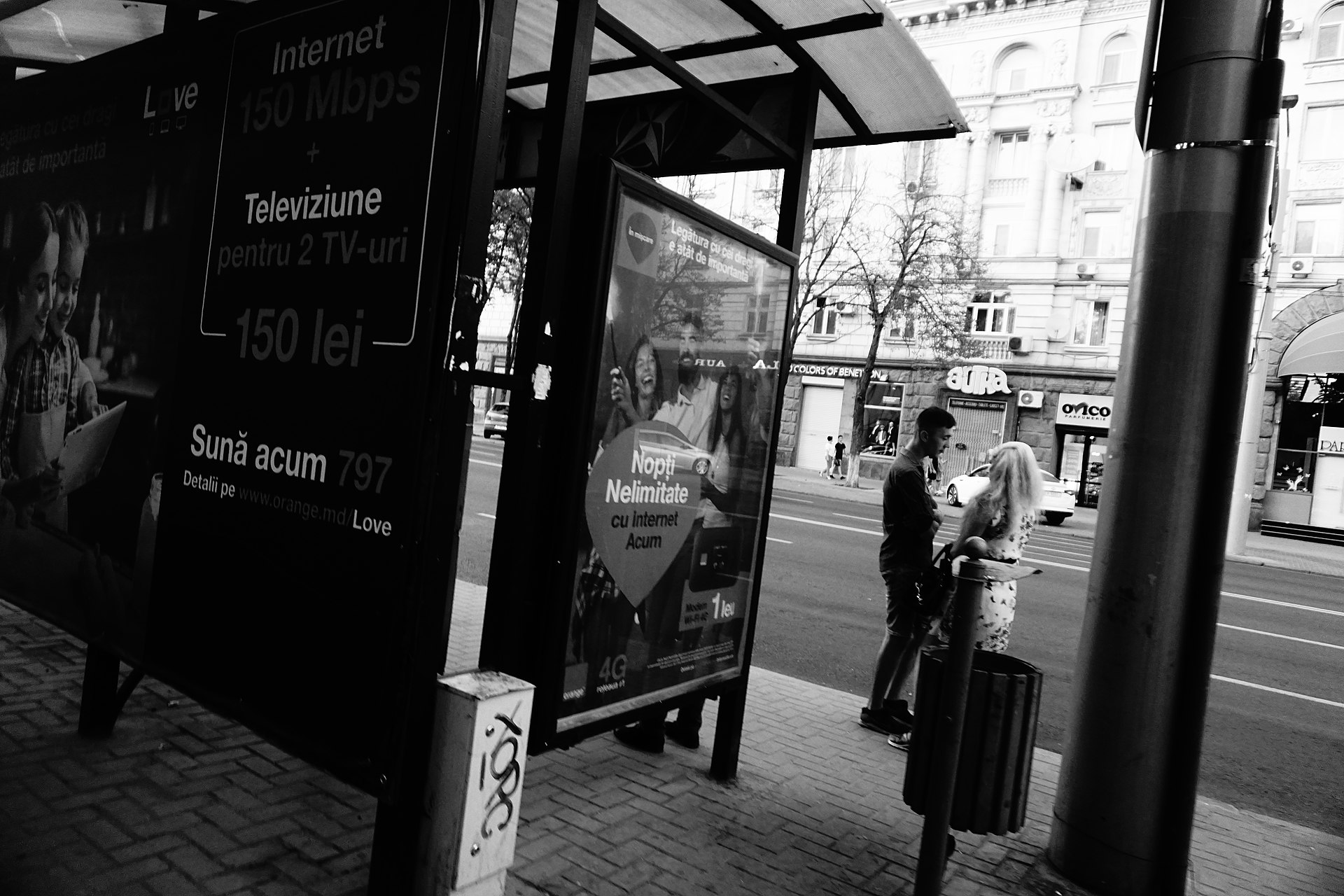
The capital is where a rental car can lose time without travelling far. Buses and trolleybuses, pedestrians, delivery activity, one-way streets and curb restrictions all compete for the same space. Choose the car park or legal bay before the last central turn, set a walking endpoint, and save the location and payment evidence. Do not let a navigation pin choose a bus lane, courtyard or loading space because it promises a shorter walk.
The Chișinău General Urban Mobility Directorate describes the public consultation and evolving framework for public parking. Its 2026 notice on Park & Ride capture lots says those facilities are being developed in stages at major entrances to reduce central pressure. That is useful context but not a current guarantee of a particular lot, tariff, opening hour or foreign-card workflow. Read the sign beside the exact space and keep a cash or alternate-lot fallback.
The parking cost and restriction planner can hold the bay, restriction, payment method, maximum stay and backup address. For a hotel or restaurant, ask for the entrance and loading instructions in writing. In the centre, parking farther out and walking is often the more predictable driving decision; the rental car does not need to reach the destination pin.
Cricova, Mileștii Mici and the central wine roads
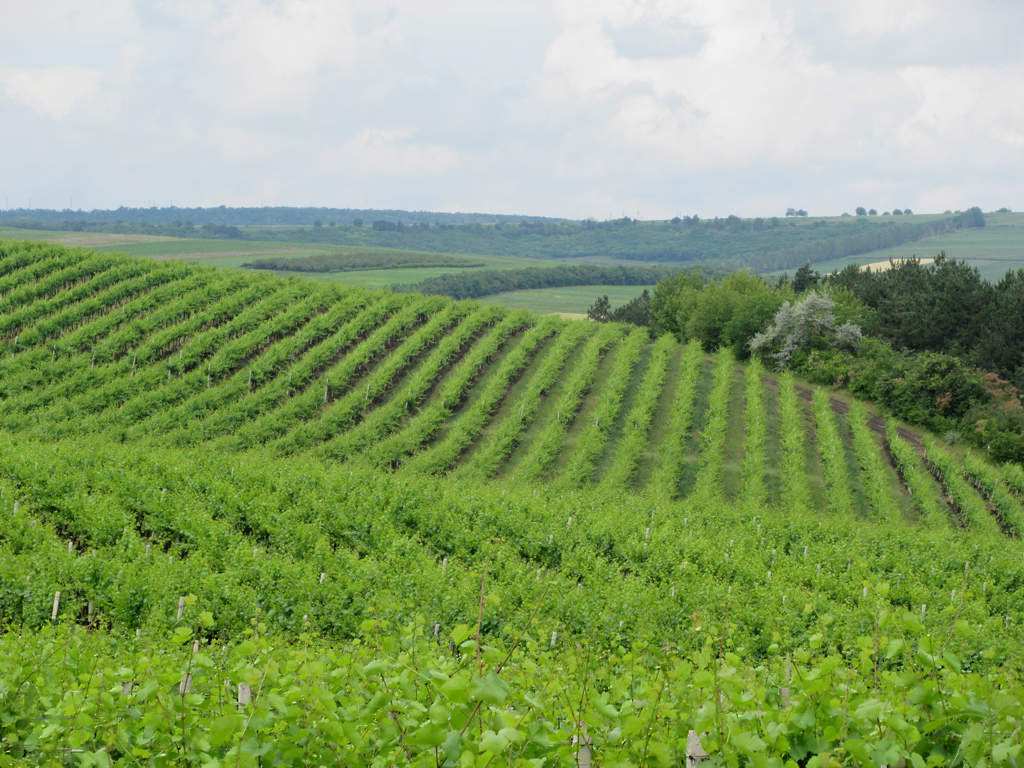
Moldova’s wine route is not a single road. The national tourism office’s Iter Vitis page describes a growing route with 28 producers, including small wineries and underground cellars. Each visit can have its own booking time, gate, driveway, tasting format and return route. Reserve first, map the entrance rather than only the winery name, and leave a buffer for the road back to Chișinău.
.jpg)
Make the sober-driver decision before tasting. If everyone wants to participate, book a transfer or a driver rather than planning to “decide later.” Refuel before leaving the city, check whether the provider permits the vehicle on an unpaved final approach, and avoid arriving at the next appointment with no margin for a missed turn. The fuel cost calculator is useful for separating the route from the tasting budget.
Orheiul Vechi and the Old Orhei access decision
Orheiul Vechi rewards a slower plan. The official Dragon Road route is a 4.6 km, approximately 1.5-hour, on-foot route that begins at the Tatar Bath entrance by Trebujeni and finishes near the archaeological museum at Butuceni. That route description is valuable driving information: it tells you where the vehicle stage ends.
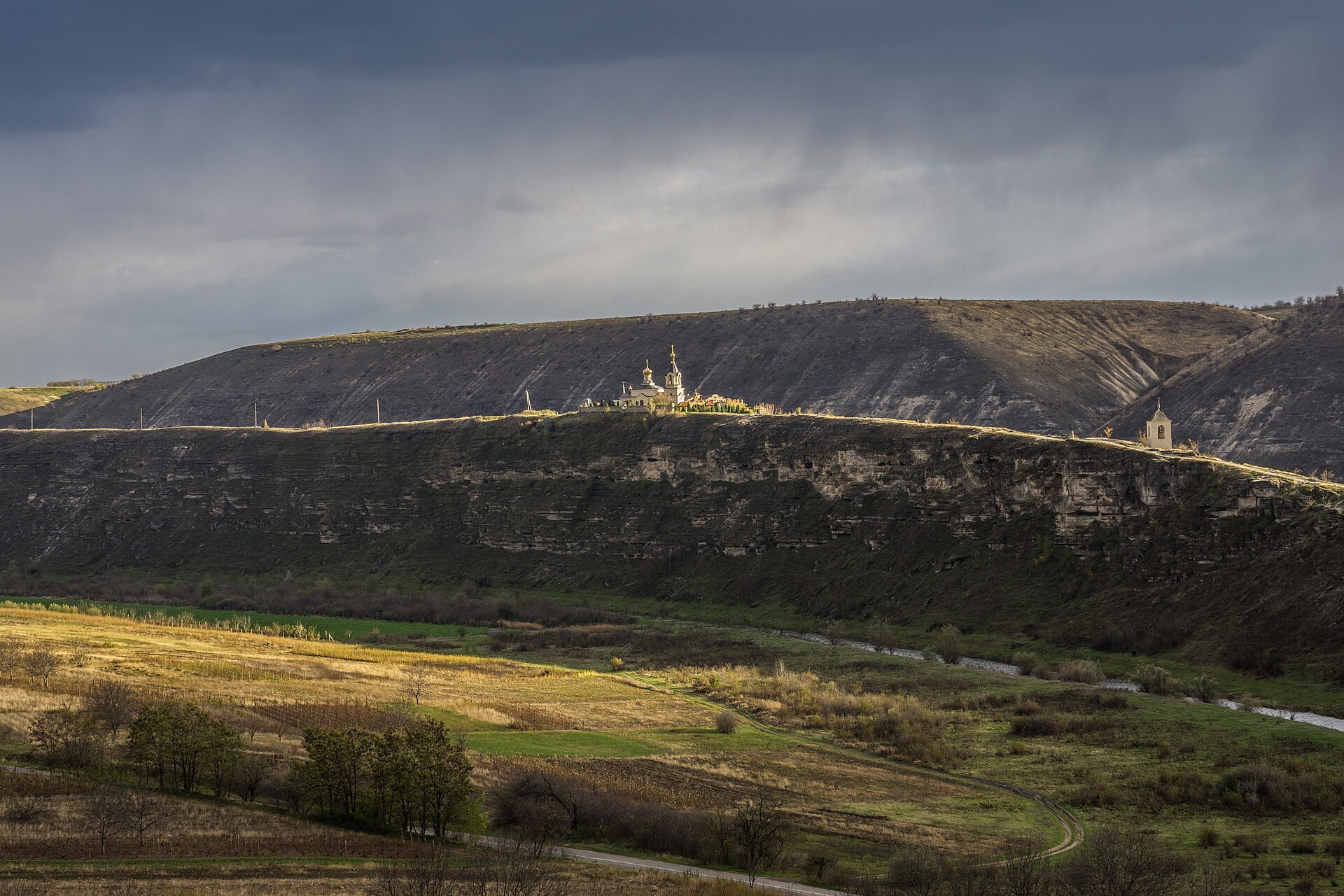

Drive to a legal, signed access area, ask the accommodation or visitor service where visitors may leave the car, and keep walking time in the plan. Do not cross a barrier, take a reserve trail or follow a pin onto a farm track simply because the vehicle is small. Rain can turn a short approach into a traction problem; daylight and a dry-weather alternative matter more than squeezing in one extra viewpoint.
Northern and rural roads: Bălți, Soroca and the Prut side
The north feels different from the capital and the wine belt. Bălți can be a useful overnight or refuelling point; the R6/R14 network then branches toward Soroca, the north and border approaches. Official road-program documents and the National Road Administration map identify the corridors, but they do not turn every local connector into a predictable two-lane surface. Leave more time than a city-to-city distance suggests and avoid making the last fuel stop optional.
For a border-facing day, check the Border Police travel information and the current border point status before committing to a crossing. A queue, road work, winter warning or a provider’s country exclusion can change the best return route. Keep the car’s documents, insurance confirmation and e-Vinieta receipt together rather than in separate phone screenshots.
Three route decisions that reduce surprises
1. Chișinău → Cricova or Mileștii Mici
Leave the city after the parking and tasting appointment are confirmed. Choose a sober driver, keep a fuel margin, and return before urban traffic becomes the only fallback. If the winery’s final access road or arrival time changes, the correct response is to reschedule or use the provider’s transfer, not to rush a rural road.
2. Chișinău → Orheiul Vechi → Butuceni/Trebujeni
Use the main corridor to the Orhei area, then treat the village approach, legal parking and the 4.6 km walking route as separate stages. Start early enough for the reserve and the return leg. If rain, mud or darkness removes the walking margin, shorten the visit rather than driving onto an unsuitable track.
3. Bălți → Soroca or a northern border approach
Check the R6/R14 condition, the next dependable fuel stop, weather and the border’s current flow. Keep a central-town fallback for food and charging or fuel. A route that looks direct on a map can become a long rural commitment if a bridge, local road or checkpoint changes the line.
Fuel, payment and EV charging
The National Energy Regulatory Agency’s e-Carburants notice describes a public platform for comparing daily prices by station and locality. Use it for a current price check, not as a promise that a particular pump is open or accepts your card. At pickup, confirm petrol versus diesel, refuel before a long rural leg, keep some Moldovan lei and save the receipt for a full-to-full rental.
For an EV, eCharge Moldova describes app or RFID charging and 24/7 monitoring for its network. The National Centre for Sustainable Energy points EV users to PlugShare as a station platform. These are useful live sources, but they do not prove nationwide coverage: connector, access, payment, queue and uptime are operator-specific. Charge in Chișinău or a larger town before the battery is critical, download the operator app, and keep a petrol-car or shortened-route fallback. The EV road-trip planner can store the station, connector, payment method and last confirmation time.
Emergency and collision plan
The Moldovan National Single Emergency Service operates the single emergency number 112. Its public material describes 24-hour intake and routing of urgent calls to the specialised services. After an injury, blocked lane, fire, dangerous debris or immediate threat, call 112 and give the road or village, direction of travel, nearest landmark or coordinates, number of people affected, rental plate and hazards. If language is difficult, keep the written location and vehicle details ready.
When safe, turn on hazard lights, protect the scene without standing in traffic, and photograph the lane, signs, road surface, vehicles and damage. Exchange the information required by the authorities, obtain an incident reference, and notify the rental branch, insurer and roadside service using the contract route. Do not authorise repairs, accept a private settlement or leave the vehicle unattended until the provider tells you what to do. The emergency numbers tool helps keep the call plan with the rest of the trip evidence.
Useful local terms for the road
Moldova uses Romanian in official road and tourism material. These words are useful when reading a sign or asking for help:
- parcare: parking
- benzină: petrol / gasoline
- motorină: diesel
- vinietă: vignette / road-use tax
- drum național: national road
- punct de trecere a frontierei: border crossing point
- intrare / ieșire: entrance / exit
- ajutor: help
Keep the rental contract’s roadside number and 112 in the same offline note. The city access planner and roadside incident recovery planner can hold the local term, exact location and fallback action without replacing an authority’s instruction.
Official sources and review date
The factual set above was checked on 2026-08-18. Speed orders, road works, border flow, parking controls, e-Vinieta status, fuel prices, charging availability, weather and rental terms can change. Re-open the relevant source on the day:
- Moldova road-traffic regulation, Government Decision no. 357/2009
- Moldova Border Police: travel conditions
- Moldova Border Police: vehicle-use clarification, 4 October 2025
- Moldova Customs: import and export of vehicles
- Official e-Vinieta portal and FAQ · legislation and categories
- National Road Administration interactive map · road cameras
- National Road Transport Agency winter recommendations
- Chișinău General Urban Mobility Directorate: parking consultations · Park & Ride notice
- Moldova Tourism: Iter Vitis Wine Road
- Moldova Tourism: Dragon Road at Orheiul Vechi
- ANRE e-Carburants price-monitoring platform
- eCharge Moldova · National Centre for Sustainable Energy e-mobility information
- Moldova National Single Emergency Service 112
- Public Services Agency: international driving permit explanation
- Example Chisinau rental terms
Continue planning
Before departure, use the IDP checker, rental cross-border cost and permission planner, border-crossing permission planner, toll and vignette planner, city access planner, parking cost and restriction planner, route weather and closure planner, EV road-trip planner, fuel cost calculator and emergency numbers tool. These tools organise questions and evidence; official signs, authorities, border documents and the rental contract remain controlling.
Frequently Asked Questions
- Which side of the road does Moldova use?
- Moldova drives on the right. The road-traffic regulation says vehicles use the right side in the direction of travel; local signs, lane markings, police instructions and temporary controls still decide the manoeuvre in front of you.
- What speed limits apply in Moldova?
- The regulation gives 50 km/h in built-up areas and 20 km/h in residential zones. For passenger cars outside built-up areas it gives 110 km/h on roads marked with sign 5.4 and 90 km/h on other roads. A lower posted limit, vehicle class, trailer, work zone or weather condition controls the actual drive.
- Do I need an International Driving Permit in Moldova?
- There is no universal IDP requirement in the Moldovan Border Police vehicle checklist, which asks for a valid driving licence for the vehicle category. The issuing jurisdiction, licence script and rental provider can still change the document set, so carry the original licence and confirm whether an IDP or translation is needed before pickup.
- What is the minimum driving age in Moldova?
- Moldova's licensing rules set 18 as the minimum age for category B. A rental company can impose a higher age, a minimum licence history, a deposit or a young-driver fee; one Chisinau provider's published terms, for example, require age 21 and at least one year of driving experience.
- What documents do I need at a Moldovan border?
- Keep the original travel document, driving licence, vehicle registration certificate and valid international motor-liability insurance available. For a foreign-registered vehicle, customs can also ask for proof of ownership or the right to use the vehicle.
- Can I take a Moldovan rental car into Romania or Ukraine?
- Only if the rental provider gives written permission for each planned country and the insurance, assistance territory, border documents and fee are confirmed. A physically open border does not amend the rental agreement.
- Do foreign-registered cars need an e-Vinieta in Moldova?
- The official e-Vinieta service defines the vignette as a road-use tax for vehicles not registered in Moldova, including vehicles entering or transiting the country, with stated exemptions and vehicle categories. Check the plate, temporary-admission status, reciprocal agreement and current tariff before assuming what a rental car needs; it is not the same thing as a motorway toll.
- Is Moldova's e-Vinieta the same as a motorway toll?
- No. The official system is a road-use tax for qualifying foreign-registered vehicles. Do not invent a universal motorway toll or assume that paying a vignette settles border insurance, rental permission or every other charge.
- How should I park in Chisinau?
- Use a marked legal space or an official car park and read the sign, payment method, hours and restrictions beside the exact bay. Chisinau's urban-mobility authority is still developing the parking-management and Park & Ride system, so do not rely on an old citywide tariff or an empty-looking curb.
- Can I drive directly to the Orheiul Vechi viewpoints and trails?
- Drive to the legal access area and then expect a walking visit. The official Dragon Road route starts at the Tatar Bath entrance near Trebujeni and ends at the archaeological museum near Butuceni; a trail, viewpoint or reserve path is not automatically a vehicle road.
- How should I plan a Moldova wine-road trip?
- Treat Cricova, Mileștii Mici and other wineries as booked appointments with a sober driver, a return-time margin and a fuel plan. The national tourism office describes a growing Wine Road with 28 producers and underground cellars, but that does not guarantee same-day entry or a free parking space.
- Are Moldova's rural roads easy to drive?
- The national network contains maintained and rehabilitated corridors as well as local roads with changing surface, markings, shoulders and works. Check the National Road Administration's cameras or interactive map, slow before villages and bends, and keep time for a detour instead of trusting a single map estimate.
- What is winter driving like in Moldova?
- Snow, freezing rain and black ice can make national and local roads slippery. Official transport and emergency agencies advise winter-appropriate tyres, a charged phone, extra fuel, greater following distance and a basic kit; check the weather and road status on the day rather than using a fixed seasonal assumption.
- Where can I buy fuel in Moldova?
- Refuel in Chisinau, a larger town or a dependable station before a long rural leg. ANRE publishes a station-price monitoring platform, but prices, opening status, card acceptance and fuel availability remain operator-specific; keep some Moldovan lei as a fallback and retain the rental receipt.
- Can I charge an electric car outside Chisinau?
- Charging is available through private networks such as eCharge Moldova, and the government energy-efficiency agency points drivers to PlugShare, but connector, payment, uptime and rural coverage vary. Confirm the station in the operator app, charge before the battery is critical and keep a petrol or shorter-route fallback.
- What should I do after a collision in Moldova?
- Protect people and the traffic lane, call 112 for injury, danger or emergency assistance, and give the road, direction, nearest village or coordinates, vehicle plate and hazards. Photograph the scene when safe, obtain the incident reference, then follow the rental provider and insurer's written procedure.
- What useful Romanian words help on a Moldova road trip?
- Useful signs and requests include parcare (parking), benzină (petrol), motorină (diesel), vinietă (vignette), drum național (national road), punct de trecere a frontierei (border crossing point) and ajutor (help). Keep 112 visible in the rental notes.
- Does this page replace live Moldovan road or rental advice?
- No. Limits, road works, border flow, parking controls, e-Vinieta exemptions, charging availability, weather and rental terms can change. Recheck the official sources and the provider immediately before departure.
Information Sources & Disclaimer
This guide compiles information from the official transport authorities, road operators, government travel information, and automobile associations linked for Moldova.
While we strive to keep this information as accurate and up-to-date as possible (last reviewed: August 2026), traffic laws and toll rates can change without notice. We recommend verifying critical information with the local authorities or your car rental agency upon arrival.
Learn more about our Editorial Process →Compare Your Origin and Destination
Use the comparison tool to check driving side, units, documents, and other destination data for your route.