Treat Monaco as a French approach plus a compact local road system
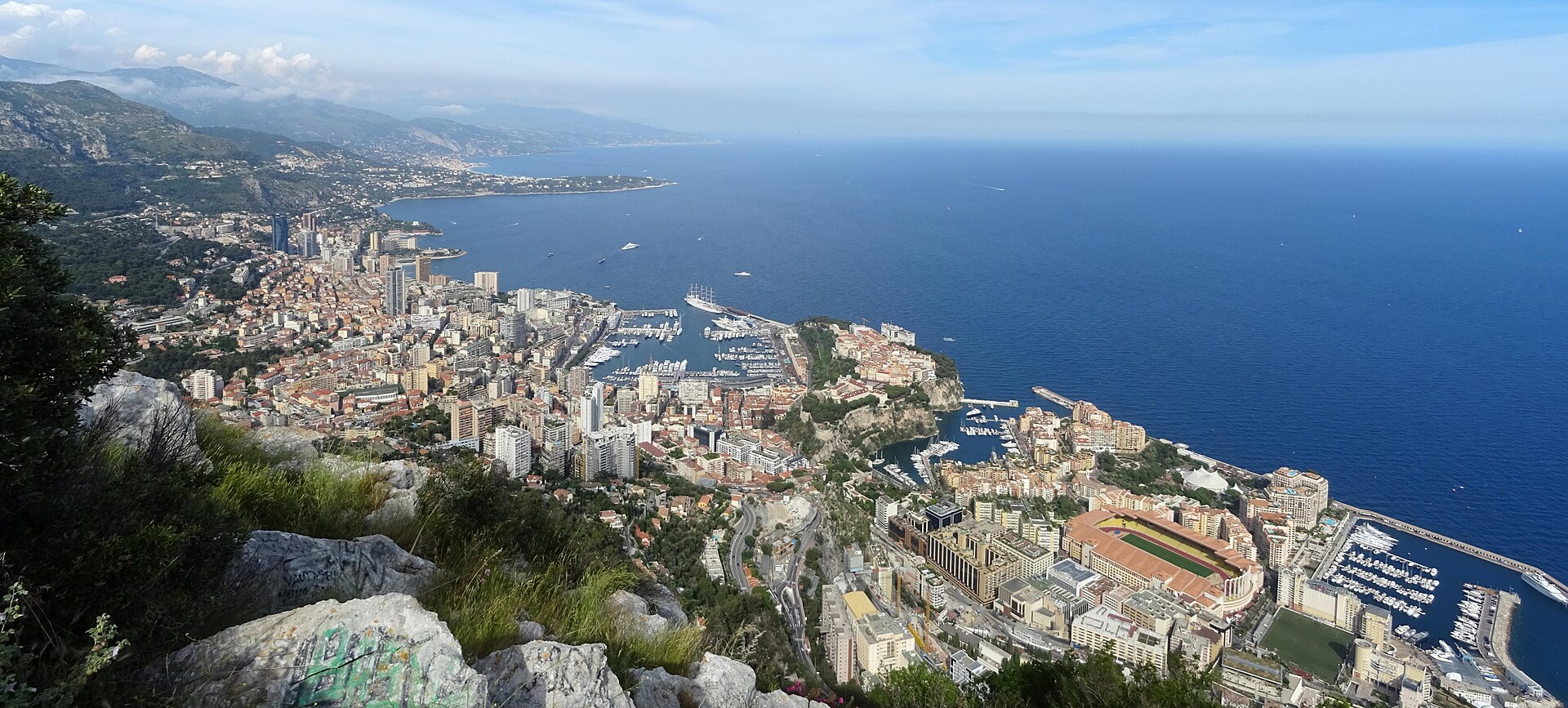
Monaco is easy to reach and easy to underestimate. The French A8 and coastal roads bring you close, but the final kilometres combine steep ramps, tunnels, dense buildings, pedestrians, controlled access and a serious parking decision. This guide was reviewed on 18 August 2026 and is written for a visitor arriving by car, especially with a rental vehicle from France.
The most reliable sequence is: confirm the driver and rental permission, separate the French approach from Monaco’s local rules, choose a legal car park before the centre, then decide whether the final sightseeing segment should be on foot. Monaco drives on the right. Local signs, barriers, police instructions, temporary event controls and the rental contract take priority over a route planner’s confidence.
.jpg)
Licence, extra drivers and the France–Monaco boundary
Carry the original driving licence, passport or accepted travel document, vehicle registration and insurance evidence. The practical document set depends on the issuing country, licence format, vehicle category and the provider. An International Driving Permit can be a supporting translation where requested; it does not replace the national licence. Ask the rental branch to confirm the current rule in writing rather than treating a web summary as universal.
If the car is collected in France, add Monaco explicitly to the rental conversation. Confirm cross-border permission, insurance and roadside territory, additional-driver registration, age and licence-tenure conditions, any fee, and the documents the branch expects to see at pickup or after an incident. A French plate or an open-looking road does not amend the contract. The Rental Additional Driver & Eligibility Planner is useful when the second driver is not yet named in the agreement.
The official VisitMonaco “getting around by car” guidance includes a specific statement about Monaco or French Alpes-Maritimes plates in the capital city. Because access wording, exemptions and event controls can change, verify it against the vehicle, destination and day. It should not be read as a blanket claim that every road outside the centre has the same restriction.
Approaching the city: choose the last turn early
A8 and the French coastal approach
The motorway and most approach decisions are in France. Check French tolls, traffic and road signs before the final exit, and keep enough fuel or charge for a detour if the first car park is full. Once the route enters Monaco, a few hundred metres can include a tunnel, a ramp, a lane merge and a pedestrian crossing. Do not wait until the navigation app announces “arrived” to decide where the car should go.
A parking-first arrival
The Mairie de Monaco surface-parking page says the Mairie manages about 1,000 surface spaces and explains that surface parking can be paid at meters, with PayByPhone or Monapass. It also states that surface parking is free for electric vehicles. Read the bay sign and current instructions: a payment method or vehicle type does not cancel a time limit, loading rule, event closure or access barrier.
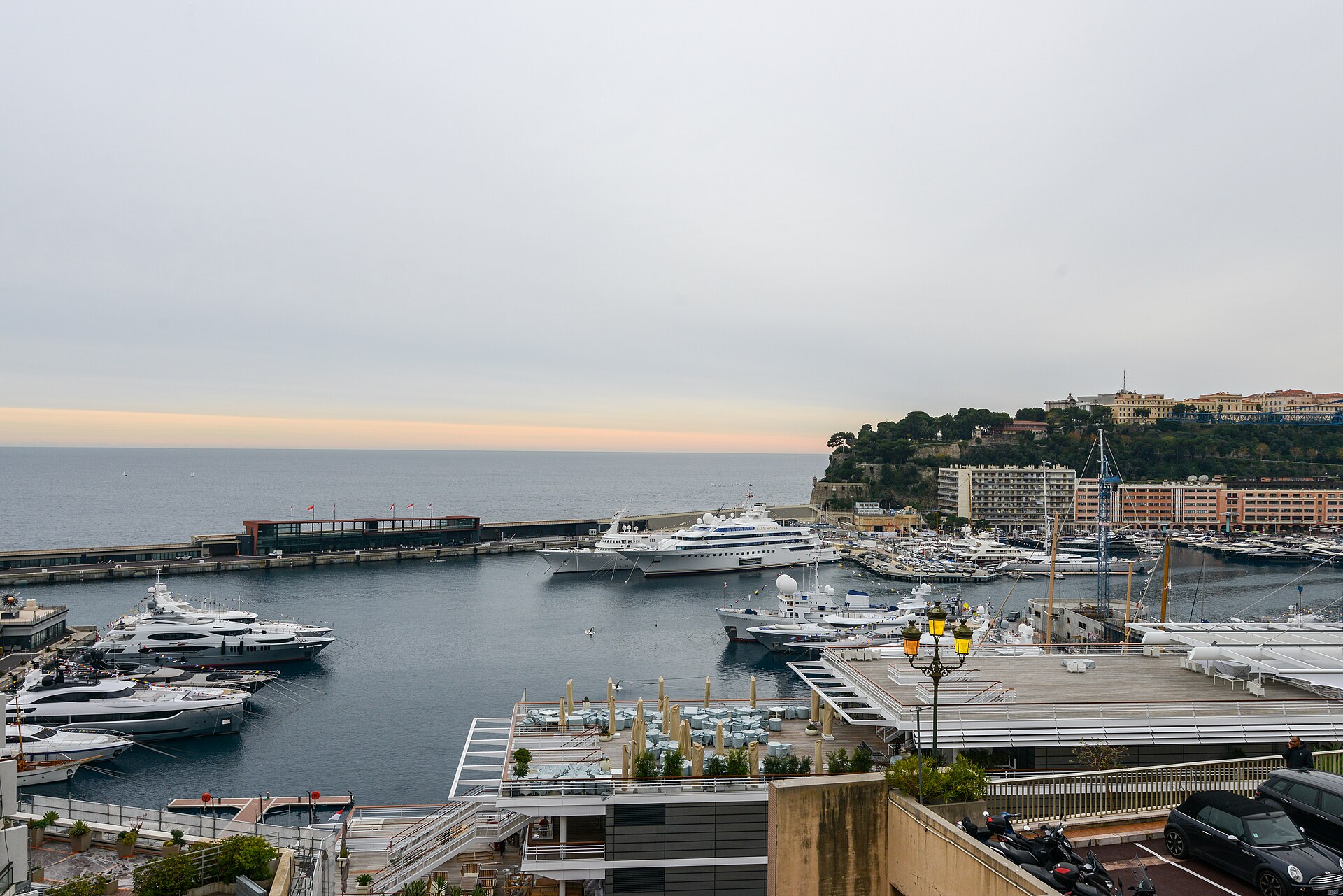
The visitor authority recommends guarded underground public parking and identifies Parking des Salines at the western entrance as a large arrival facility connected with buses and pedestrian links. Use the official VisitMonaco page for the current visitor-level route, entrance and mobility information. Confirm height clearance, opening status, price and payment before entering with a tall or wide rental vehicle.
.jpg)
Monte Carlo and Monaco-Ville: walk-first is a driving decision
Monte Carlo, the harbour and the Rock are close on a map but not necessarily easy to connect by car. The route can be slowed by hotel drop-offs, coaches, pedestrians, one-way streets, event controls and a full car park. If the purpose is sightseeing, select a signed facility, photograph the level or bay, keep the ticket, and walk or use local transport for the final segment.
Monaco-Ville deserves extra caution. A map pin beside the Prince’s Palace or a museum does not grant access to a narrow street, resident zone, service lane or temporary closure. Follow the sign and barrier in front of you. If a hotel says it can arrange a loading window or access code, keep that instruction in writing and confirm the vehicle registration and time window.

Three route decisions that reduce stress
1. Salines → central Monaco
Use Salines when the live entrance, vehicle height and payment conditions fit the rental car. From there, change mode deliberately: bus, walk or another signed connection may be more predictable than moving the car into the centre. Keep a return time margin for queues and event traffic.
2. Port Hercule or Monte Carlo hotel arrival
Ask the hotel for the exact approach, permitted stopping window and car-park entrance in addition to the address. A short loading stop can still be subject to a sign, barrier or event order. If the hotel cannot confirm access for the vehicle, park at the recommended facility and carry luggage or use the hotel’s transfer instructions.
3. Monaco-Ville sightseeing
Treat the Rock as a walking destination. Park legally outside the controlled core, keep the car out of pedestrian-priority streets, and do not reverse into a restricted lane because a navigation app has chosen it. The correct fallback is usually to walk, use public transport or return at a permitted time, not to test the barrier.
Fuel, EV charging, weather and events
Refuel or charge before the margin becomes critical. Monaco’s small area does not guarantee a free bay or a compatible connector. Check the connector, payment method, live availability and the car park’s entry height. For a rental EV, ask the provider which charging cards, cables and return state are required; keep the receipt and final battery evidence.
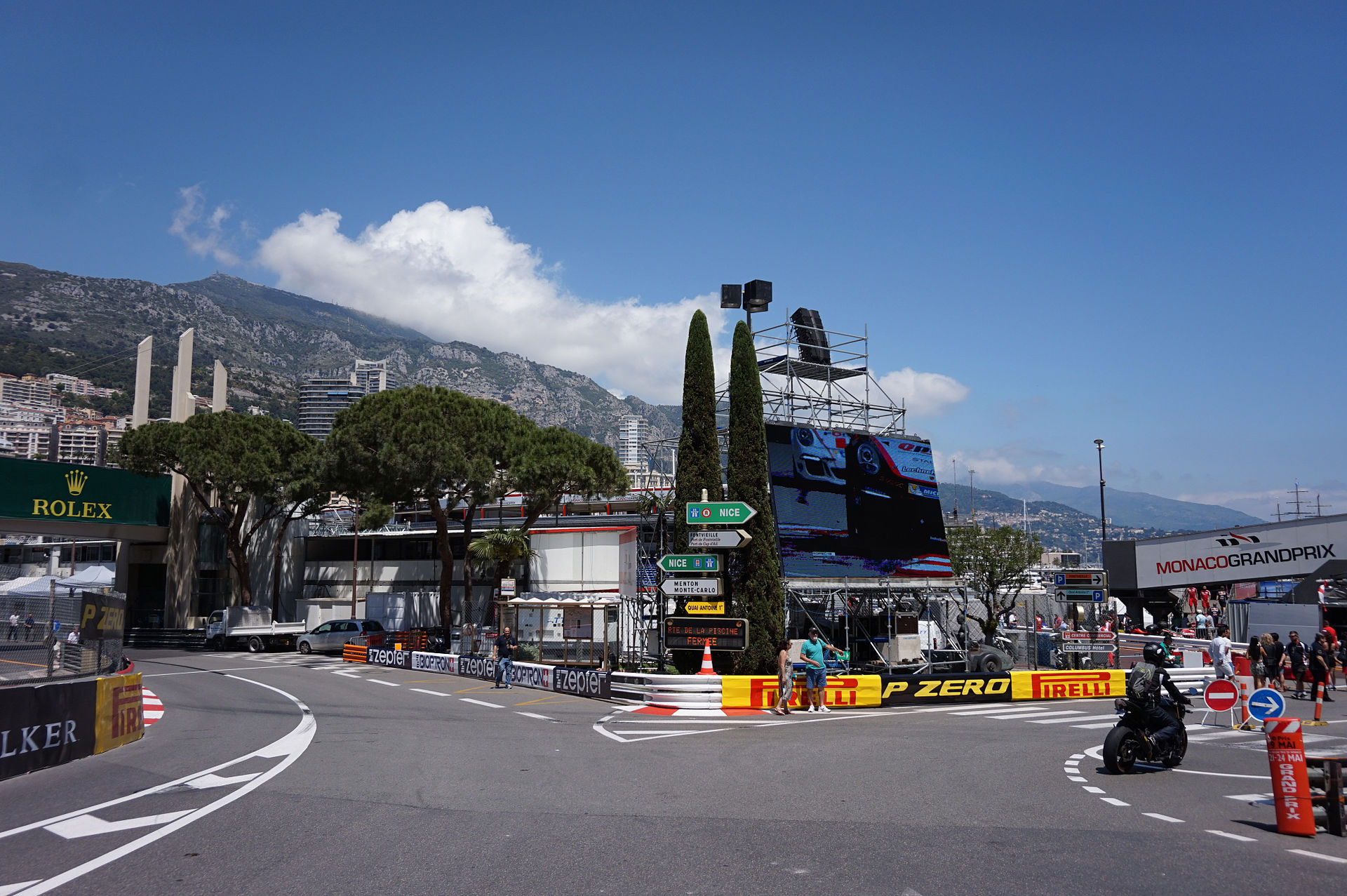
Weather, road works and public events can change the last kilometre. The Monaco mobility-management order describes continuous management of tunnels, barriers and variable-message signs. That is a reason to read the sign in front of you, not a reason to assume a familiar route will remain open. During a Grand Prix or other major event, check current notices and allow a wide time margin.
Emergency and collision plan
For immediate danger or injury, call 112 and state the road, direction, tunnel or level, nearest landmark, injuries and hazards. Monaco’s official telephone-numbering order lists 15 for medical emergency, 17 for police, 18 for firefighters and 112 as the European emergency number. The fire and rescue service page also directs emergencies to 18 or 112.
After a collision, protect people and traffic first. When safe, photograph the position, signs, lane, vehicle damage and number plate; exchange details as required; obtain a police or incident reference; and notify the rental branch, roadside provider and insurer within the contract deadline. Keep French approach evidence separate from Monaco evidence: the location may affect which authority, tow route or provider procedure applies.
Official sources and review date
The factual set above was checked on 2026-08-18. Parking tariffs, electric-vehicle exemptions, access rules, event controls, road works, charging availability and rental terms can change. Recheck the relevant source on the day:
- Mairie de Monaco: surface parking · parking payment
- VisitMonaco: getting around by car · VisitMonaco bus and mobility information
- Monaco emergency numbers · fire and rescue service
- Integrated mobility management
Continue planning
Use the rental cross-border permission planner, additional-driver eligibility planner, parking cost and restriction planner, city access planner and route weather and closure planner before the French approach. These tools organise questions; official signs, authorities and the rental contract remain controlling.
Frequently Asked Questions
- Which side of the road does Monaco use?
- Monaco drives on the right. Keep the French approach and Monaco's local signs in the same plan, but do not assume that an open border means the rental contract or every central street is open to your vehicle.
- Can I drive a French rental car into Monaco?
- Often, but do not rely on geography alone. Ask the rental branch for written Monaco and cross-border permission, insurance territory, roadside assistance, fees and the documents that must stay in the vehicle.
- Do I need an International Driving Permit in Monaco?
- There is no single answer for every issuing country and rental contract. Carry the original licence and check the current Monaco, French and provider requirements; an IDP, where requested, supplements the national licence.
- What is the border between France and Monaco like?
- There is no routine passport booth on the normal road approach, but the legal layers remain separate. A French road, a Monaco access rule, a parking restriction and a rental contract can all control different parts of the same journey.
- Can every car drive into Monaco's capital area?
- Do not assume so. VisitMonaco visitor guidance says that only Monaco or French Alpes-Maritimes plates are permitted to drive in Monaco's capital city. Treat that statement as a current access condition to verify for your vehicle and destination, not as permission to enter every street or bypass a barrier.
- What are the speed limits in Monaco?
- Read the local sign for each section and slow down for the dense urban environment. Monaco has no motorway network; the A8 is in France, while Monaco's tunnels, ramps, bends, pedestrians and events can make a lower signed speed the safe and legal limit.
- Where should I park in Monaco?
- Choose an official public car park before the last urban turn. The Mairie manages roughly 1,000 surface spaces and publishes payment options, while the visitor authority recommends guarded underground parking; availability, access and tariffs should be checked on the day.
- Is surface parking free for electric vehicles?
- The Mairie page currently says surface parking is free for electric vehicles. Confirm that the vehicle qualifies, read the bay and meter instructions, and do not treat an energy exemption as permission to stop in a restricted or loading space.
- Is Salines a good park-and-ride option?
- It can be. VisitMonaco presents Parking des Salines at the western entrance as a large parking and mobility hub with links toward buses and pedestrian routes. Check the live entrance, height limit, payment and included transport conditions before committing a rental car.
- Can I drive to Monte Carlo Casino?
- Plan the casino as a destination reached from a legal car park, not as a promise of curbside access. The final streets are dense and can change with events, security controls, hotel access and signed restrictions. Keep the vehicle parked and walk the last section where practical.
- Can I drive into Monaco-Ville?
- Do not use a generic navigation pin as permission. Monaco-Ville and the Rock have narrow, pedestrian-priority and controlled-access sections. Follow signs, barriers, police instructions and any hotel or delivery procedure; for sightseeing, park outside and walk.
- What should I do around the Grand Prix or a major event?
- Expect temporary road closures, security controls, changed parking access and heavy pedestrian movement. The Monaco mobility system manages tunnels, barriers and variable signs; check official notices and the rental branch before setting a timed arrival.
- Where can I refuel or charge an EV?
- Do the energy stop before the tank or battery is critical. Monaco is compact, but access and queues are not predictable; verify connector, payment, opening status and whether a charger is in a car park with a height or entry restriction.
- What emergency number should I call in Monaco?
- Call 112 for an immediate emergency. Monaco's official numbering information also lists 15 for medical emergency, 17 for police and 18 for firefighters. Give the dispatcher the road, direction, level or tunnel, nearest landmark and hazards.
- What should I do after a collision in a rental car?
- Protect people first, call emergency services when needed, move only when safe, photograph the scene and obtain the incident reference. Then notify the rental provider and insurer using the contract route, keeping the French approach, Monaco location and vehicle documents clear.
- Should I drive in Monaco or leave the car outside the centre?
- For a sightseeing day, leaving the car in a signed public facility and walking or using public transport is often the calmer option. Drive in only when the destination, vehicle access, parking and rental permission are all explicit.
- Does this page replace live road or rental advice?
- No. Parking tariffs, access controls, event routes, charging availability and rental terms can change. Recheck the official sources and the provider on the day, especially for a large vehicle, an additional driver or a timed arrival.
Information Sources & Disclaimer
This guide compiles information from the official transport authorities, road operators, government travel information, and automobile associations linked for Monaco.
While we strive to keep this information as accurate and up-to-date as possible (last reviewed: August 2026), traffic laws and toll rates can change without notice. We recommend verifying critical information with the local authorities or your car rental agency upon arrival.
Learn more about our Editorial Process →Compare Your Origin and Destination
Use the comparison tool to check driving side, units, documents, and other destination data for your route.