Plan Uruguay as three different drives
Uruguay is easy to underestimate. The distances are manageable, the main roads are legible and Spanish-language signs are usually straightforward, yet the driving decision changes sharply between Montevideo, the westbound Ruta 1 corridor and the east-coast network. In the capital, the question is where the car will wait. On the coast, it is whether the faster-looking route is still the calmer one after a toll, a summer queue or a detour. In Rocha, it is whether the attraction is reached by a public road at all. This page was reviewed on 18 August 2026 for visitors using a private or rental car.
The most reliable order is: verify the licence and rental contract, separate the vehicle’s border permission from your own travel documents, choose the city parking move, then add a toll, fuel or charging fallback to each rural leg. The IDP checker, rental cross-border cost and permission planner, toll and vignette planner and route weather and closure planner help keep those decisions visible.

Licence, IDP and rental age are separate questions
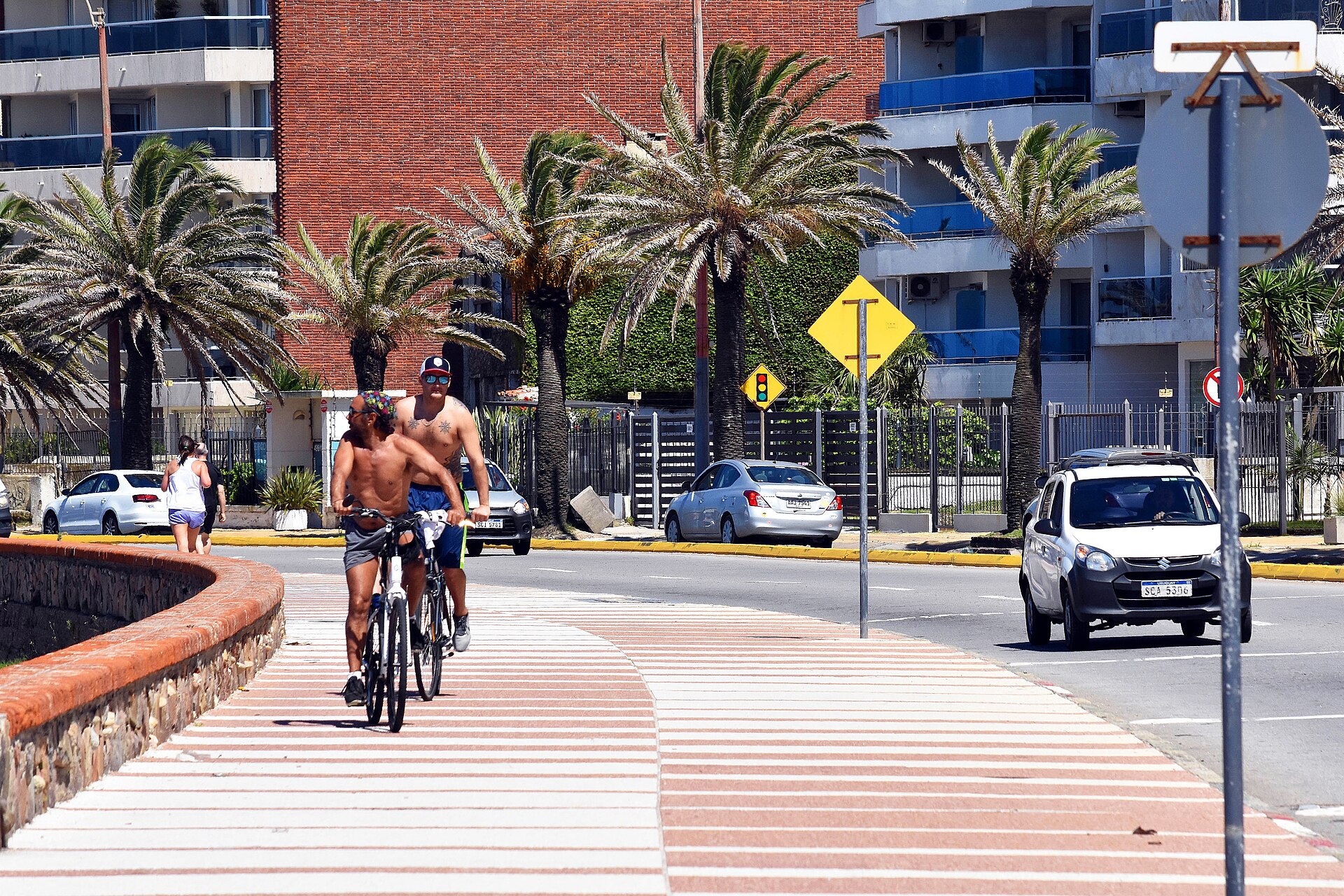
For a normal visitor car, carry the original licence that authorises the vehicle category, a passport or accepted identity document, the rental agreement and the documents supplied with the car. Uruguay’s national traffic law requires a licence appropriate to the vehicle. The foreign-vehicle procedure of the National Customs Directorate also lists identity, driving licence, vehicle ownership or registration evidence and valid insurance for the relevant Mercosur situation.
An International Driving Permit is a translation and convention document used together with the national licence. It is not a standalone licence, a visa or permission to move a rental car across a border. Because the practical answer depends on the issuing jurisdiction, the script on the card, the category, the insurer and the rental desk, ask those parties before payment and save the answer with the reservation. The Automóvil Club del Uruguay’s IDP information is a useful explanation of the companion-document principle, but it does not replace the issuing authority’s decision for your licence.
Uruguay’s category A car licence starts at 18, while the rental contract can set a higher threshold or require a period of licence ownership. Ask whether every driver must be named, whether a young-driver fee applies, how the deposit is calculated and which vehicle classes are excluded. A driver who satisfies the legal age but is not listed on the contract is still a rental-risk problem.
Right-side traffic, speed limits and the exceptions that matter
Uruguay drives on the right. The Reglamento Nacional de Circulación Vial places vehicles on the right half of the carriageway except for specified manoeuvres and obstructions. On a two-lane route, treat the centre line, sight distance and approaching traffic as the decision boundary; do not cross a solid yellow line simply because the navigation app estimates a late arrival.
The speed figures are more conservative than many travellers expect:
- In urban and suburban areas, the general maximum is 45 km/h. A departmental authority may sign 60 km/h on a particular road.
- Outside urban and suburban areas, the regulation gives 90 km/h for light vehicles without a trailer in optimal conditions and 80 km/h for other vehicles.
- The regulation also requires lower speeds near danger warnings, railway crossings, blind intersections, marked pedestrian crossings, right-angle curves, stopped buses, crowds, school activity, work zones, cattle and unguarded level crossings. The exact reductions and a posted lower limit take priority.
Read the complete speed chapter of the national regulation rather than importing a 110 km/h assumption from another country. Rain, fog, wind, gravel, a trailer, a work-zone sign or the condition of the shoulder can make a legal maximum an unsafe speed.
Montevideo: make the parking move before the final turn
Montevideo’s central paid-parking area covers parts of Ciudad Vieja, Centro and Cordón. The municipality currently describes paid parking on Monday to Friday, 10:00–18:00, with tickets available through WhatsApp, SMS and collection networks; its main paid-parking page also notes that holidays and special days can change the treatment. Use the zone map and the sign beside the exact space, not a saved tariff screenshot.
For a rental car, the robust sequence is: save the car-park entrance or legal bay, confirm the plate number entered in the payment flow, capture the start and end time, then walk to the old town, centre or restaurant. Do not use a loading zone, reserved bay, bus space or an apparently empty curb. If the visit is time-sensitive, keep an alternate garage outside the first block. The parking cost and restriction planner can record the space, hours, payment evidence and backup address.
The Rambla is a pleasant orientation line and sometimes a better approach than cutting through the centre, but it does not make every coastal lane a stopping place. Treat the drive as a city-access problem: decide whether the car is for the transfer or for the destination itself.
Tolls, foreign plates and electronic payment
Uruguay’s national routes include toll stations and electronic identification. The MTOP peajes portal publishes current tariffs, toll locations, foreign-plate products and payment guidance. For a foreign plate, the ministry says to register the vehicle through Pase Turista or obtain the appropriate tag at an attention point; do this before the first busy toll, not while a queue is forming.
The tariff table dated 5 June 2026 listed category 1 cars and light vans at UYU 196.57 basic per direction, UYU 167.00 by Telepeaje and UYU 214.00 through SUCIVE. These are a dated reference, not a promise for a future trip: the MTOP says tariff values update on 1 June and 1 December. The current tariff page is the source to reopen.
At the booth, keep the front and rear plate visible, maintain the distance requested by the lane signs and wait for the signal before moving. A foreign rental car can create a debt or mismatch if its plate is entered incorrectly or its payment method is not activated. Save the registration email and settlement receipt in the same folder as the rental contract. The toll and vignette planner is useful for separating the toll budget from insurance and border permission.
The east coast: Interbalnearia, Punta del Este and Rocha
From Montevideo, the official Rocha tourism directions recommend taking Ruta Interbalnearia east to the connection with Ruta 9, then continuing toward Rocha. The MTOP description of the Interbalnearia corridor discusses the corridor’s role in carrying traffic toward Piriápolis, Punta del Este and Rocha, including the seasonal congestion pressure around the Pando toll. That makes it a route choice, not merely a line on a map.
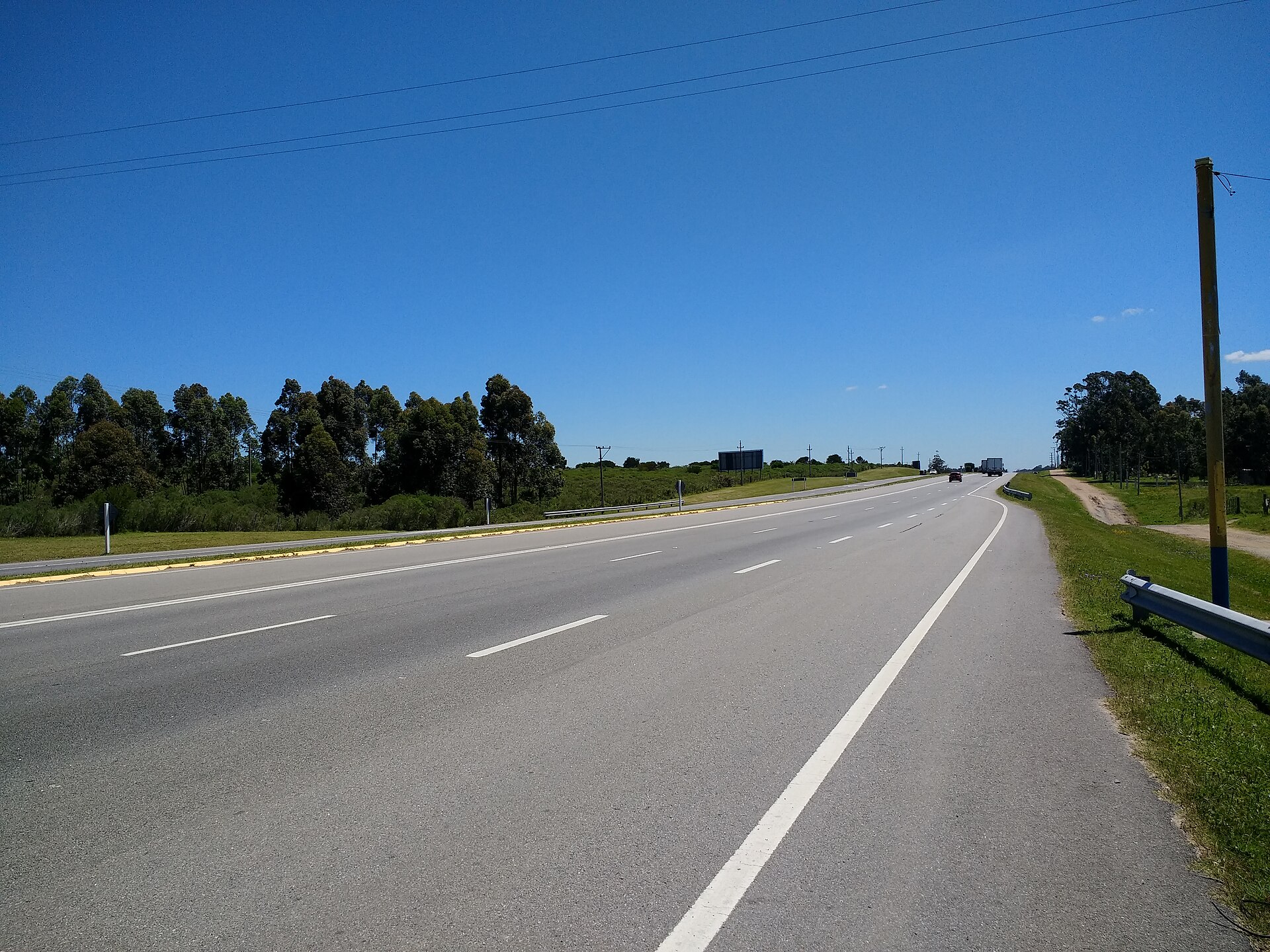

Use Interbalnearia when the priority is a legible eastbound corridor and predictable services. Use a local coastal road only when the destination, daylight and road status justify the extra junctions. In summer, leave a time margin for the approach to resort towns; a short distance can have a long queue. For Rocha beaches, do not let the map route you onto a sandy access simply because it is the shortest line.
Montevideo to Colonia: a westbound corridor with a port decision
Ruta 1 is the main national corridor west from Montevideo toward Colonia del Sacramento. The Ministry’s border-crossing procedure manual lists the Montevideo–Colonia route corridor, while current MTOP notices should be used for works and diversions. Plan the old-town parking location before entering Colonia, and keep the port, hotel entrance and historical centre as separate pins.
If the journey combines Colonia with a ferry to Buenos Aires, split it into two contracts: the road leg and the vehicle-carriage leg. Confirm check-in time, vehicle dimensions, passenger names, rental permission, insurance territory, return port and whether the carrier accepts the documents supplied by the rental branch. A ferry booking can be correct while the rental company’s cross-border clause is still restrictive. Use the ferry vehicle crossing planner and rental cross-border planner to save the written confirmations.
Rocha and Cabo Polonio: where the car must stop
Rocha rewards a slower plan. Ruta 9 is the principal eastbound spine; Ruta 10 connects coastal settlements and access points, but not every attractive beach or reserve path is an ordinary public road. The official Cabo Polonio information places the destination at Ruta 10 km 264.5 and explains the transfer from the Puerta del Polonio terminal. The local access-hours page states that ordinary cars are not admitted into the park and that vehicles use the terminal parking and authorised transfer.
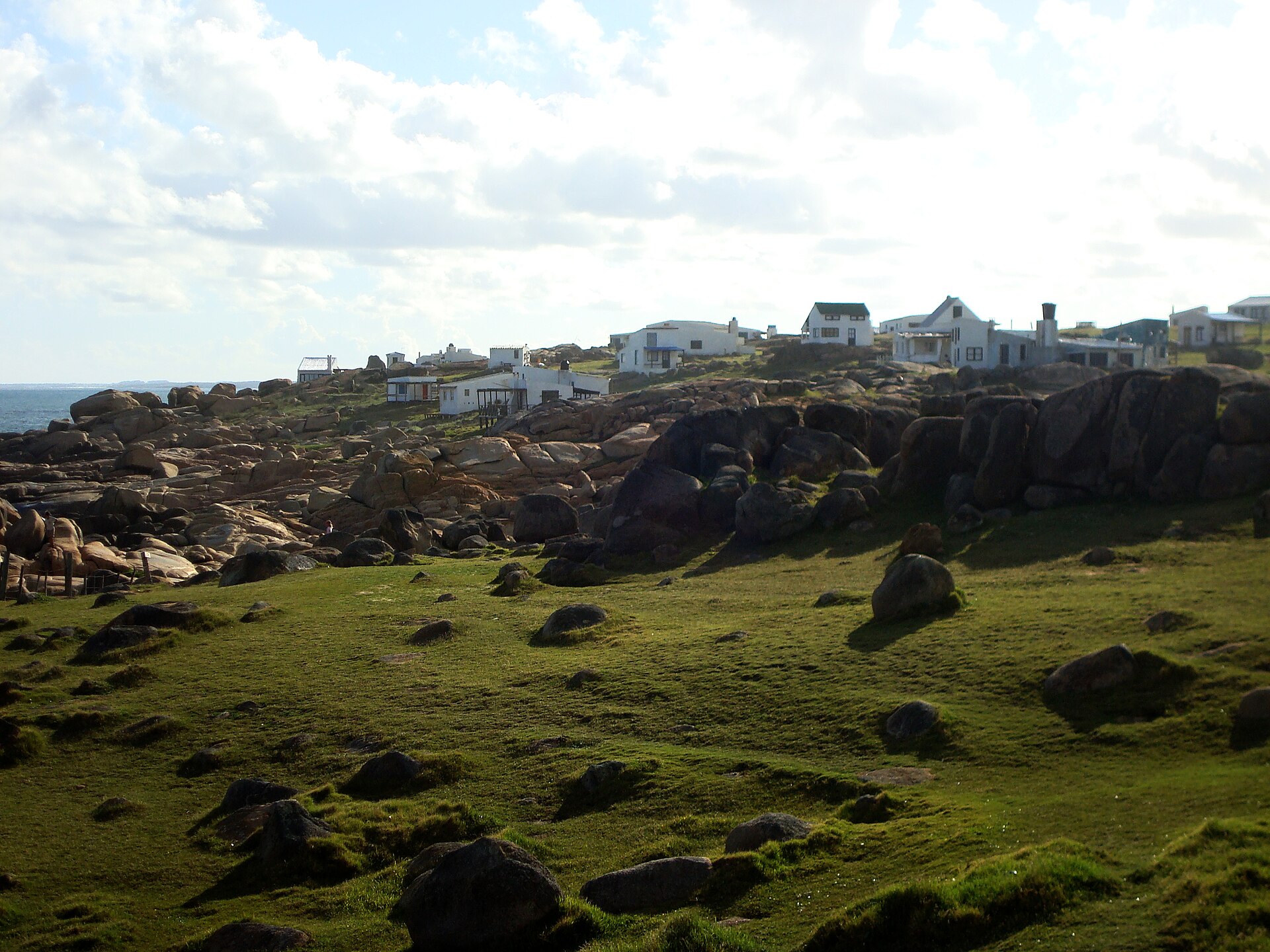

Arrive with daylight for the terminal, parking and transfer queue. Keep valuables out of the car, do not cross a barrier onto dunes, and do not treat a local operator’s four-wheel-drive transfer as permission to drive your rental beyond the public access boundary. The same reasoning applies to other protected coastal areas: identify the official stopping point before you commit to the final kilometre.
Fuel, charging and a practical fallback
Use ANCAP’s station map to identify service points before leaving Montevideo, Colonia, Maldonado or Rocha. Uruguay’s fuel prices are adjusted through official decisions and can change over time; the Ministry of Industry and Energy’s fuel-price bulletin is more reliable than an old travel blog. Confirm whether the rental takes nafta or gasoil, refuel before a long secondary-road leg and keep a receipt for a full-to-full return.
For an electric vehicle, UTE’s public charging page describes the network, payment modes and the UTE Mueve app; UTE Mueve exposes station availability. A live map is not a guarantee that a connector is free, compatible or reachable after a detour. Save a hotel charger, a petrol station or a shorter coastal section as a fallback, and start the return leg with more reserve than the app’s optimistic estimate.
Weather, works and road-surface risk
Check INUMET’s official warnings and forecast before an east-coast or interior leg. Heavy rain, fog, thunderstorms and strong crosswinds matter more on open routes, bridges and coastal sections than the posted number suggests. The MTOP route-works map identifies active interventions, and the ministry’s 2026 safety guidance explicitly calls for lower speeds, a safe following distance and attention to temporary signs and diversions.
Leave space for a slower vehicle, avoid overtaking over a continuous centre line, and use a signed pull-off rather than stopping on a narrow shoulder. After rain, inspect the road edge and avoid assuming that a beach approach remains firm. For a long day, save the last weather and works check in the route weather and closure planner and define a turn-back point before the route becomes dark.
Cross-border, ferry and rental boundaries
The Mercosur rule approved in Uruguay by Decreto 92/018 defines an Autorización para Circulación en el MERCOSUR (ACM) for rental vehicles. The rule says the rental company issues it, it carries vehicle, contract and insurance information, and its validity cannot exceed 90 days. That legal document does not force a rental provider to approve every country, route, ferry, one-way return or vehicle class.
Before leaving Uruguay, ask for a written answer to five separate questions: which countries are permitted; whether the ferry port and carrier are approved; which insurance and roadside territory applies; which border or toll products are included; and where the car may be returned. For a private Mercosur-registered car, the Customs Directorate’s tourist-vehicle procedure adds its own identity, registration, insurance and authorisation conditions. Do not transfer those private-car rules to a rental without the branch’s documents.
Collision response and 911
Uruguay’s national emergency response number is 911. The Sistema Nacional de Emergencias collision guidance and the Ministry of the Interior’s 911 service information direct people to report emergencies through 911; the service can coordinate police, fire and medical response.
If a crash occurs, protect people first. Stop in a safe position if possible, turn on hazard lights, place warning devices only when you can do so without entering live traffic, and never stand in a travel lane or on the outside of a bend. Tell 911 the route number, direction, kilometre marker or nearest place, injuries, trapped people, fire, blocked lanes and dangerous cargo. Photograph the scene and signs only after it is safe, obtain the incident reference, and then follow the rental provider’s insurer and assistance procedure. Do not sign a private settlement or authorise repairs outside that procedure.
Spanish words that make a road stop easier
Uruguay’s signs and service interactions are in Spanish. These words are more useful than a long phrasebook when a route decision is already urgent:
- estacionamiento: parking; zona tarifada: paid-parking area
- peaje: toll; ruta: route; banquina: road shoulder
- nafta: petrol; gasoil: diesel; cargador: charger
- entrada / salida: entrance / exit; desvío: diversion; obra: roadworks
- ayuda / policía / ambulancia: help / police / ambulance
Keep the rental contract, plate number, 911 and roadside-assistance number in an offline note. Use the emergency numbers tool to keep that note separate from the route itinerary.
Official sources and review boundary
The driving facts and operational links above were reviewed on 18 August 2026. Speed rules, municipal parking, active works, toll products and tariffs, fuel prices, EV availability, weather warnings and rental or ferry conditions are changeable. Re-open the relevant official page on the day of travel.
- IMPO: National Traffic and Road Safety Law, licence provisions
- IMPO: National Road Traffic Regulation, right-side circulation · speed chapter
- National Customs Directorate: Mercosur tourist vehicles
- IMPO: Mercosur rules for tourist, private and rental vehicles
- Automóvil Club del Uruguay: International Driving Permit explanation
- Montevideo Intendencia: paid parking · zone and hours
- MTOP: national tolls · tariffs · foreign-plate toll guidance
- MTOP: Interbalnearia corridor · route works map
- MTOP: border procedure manual listing the Montevideo–Colonia corridor
- Rocha Tourism: how to reach Rocha · Cabo Polonio access and hours
- Uruguay Natural: Cabo Polonio
- ANCAP: official station and fuel information · MIEM fuel-price bulletins
- UTE: public EV charging · UTE Mueve availability app
- INUMET warnings · MTOP route-works map
- SINAE: collisions and accidents · Ministry of Interior: 911
Continue planning
Before departure, use the IDP checker, rental cross-border cost and permission planner, border-crossing permission planner, ferry vehicle crossing planner, toll and vignette planner, city access planner, parking cost and restriction planner, route weather and closure planner, EV road-trip planner, fuel cost calculator and emergency numbers tool. These tools organise questions and evidence; the sign, authority, carrier and written rental contract remain controlling.
Frequently Asked Questions
- Which side of the road does Uruguay use?
- Uruguay drives on the right. The national road regulation places vehicles on the right half of the carriageway except for defined manoeuvres such as overtaking or avoiding an obstruction; lane markings, signs, temporary controls and police instructions still decide the move in front of you.
- What are Uruguay's default speed limits?
- The national regulation sets 45 km/h as the general urban and suburban maximum. Outside those areas, it sets 90 km/h for light vehicles without a trailer in optimal conditions and 80 km/h for other vehicles. A posted limit, a vehicle category, weather, a work zone or a mandatory reduction can make the usable speed lower.
- Can an urban road in Uruguay be signed at 60 km/h?
- Yes. The regulation allows the competent departmental authority to set 60 km/h on a specific urban or suburban road when it is expressly signed. Read the sign at that road instead of treating 45 or 60 as a universal city rule.
- Do I need an International Driving Permit in Uruguay?
- There is no single universal IDP answer for every visitor in the sources used for this guide. Carry a valid original licence for the vehicle category, and ask the issuing jurisdiction, rental desk and insurer whether an IDP or Spanish translation is expected for your licence format. An IDP is a companion document, never a substitute for the national licence.
- What is the minimum driving age in Uruguay?
- The national category A licence for cars and light vehicles starts at 18, and the category table published by Montevideo also lists 18. A rental company can still require a higher age, a minimum licence history, a deposit or a young-driver fee, so the legal age is not the same as the contract age.
- What documents should I carry in a rental car?
- Keep your passport or accepted identity document, original driving licence, rental agreement, vehicle registration information and insurance documents available. For a foreign-registered vehicle, customs and border officials may require evidence of ownership or the right to use it; the rental branch should give you the document set for the vehicle.
- Can I take a Uruguay rental car into Argentina or Brazil?
- Only after the rental company confirms the countries in writing and supplies the required Mercosur authorisation, insurance territory and roadside-assistance coverage. The Mercosur rule identifies the Autorización para Circulación en el MERCOSUR (ACM) as the rental-vehicle document, with a maximum validity of 90 days; a branch contract can be stricter.
- Does a ferry ticket let a rental car cross the Río de la Plata?
- No. A ferry reservation is a transport booking, not rental permission or proof of insurance. Confirm with the rental company and the carrier whether that vehicle may be loaded, which port and route are approved, whether the ACM travels with the car, and how the car returns to its registered state.
- How does parking work in central Montevideo?
- Montevideo's paid-parking area covers parts of Ciudad Vieja, Centro and Cordón. The official city page currently describes paid parking from Monday to Friday, 10:00–18:00, with tickets available through WhatsApp, SMS and collection networks; exact bays, holidays, prices and payment confirmation can change, so read the sign beside the space.
- Should I drive along Montevideo's Rambla to visit the city?
- The Rambla is useful for orientation and a scenic coastal approach, but it is not a shortcut through every central destination. Choose a legal parking bay or car park before the final turn, keep clear of loading and restricted spaces, and walk the last section when the centre is busy.
- What is the best route from Montevideo to Punta del Este or Rocha?
- Use Ruta Interbalnearia toward the east and follow the signed connection to Ruta 9 for Rocha. The corridor is the straightforward choice for the coast, but summer traffic, works, tolls, weather and beach-town access can change the day; check the MTOP route notices before leaving.
- How should I plan Montevideo to Colonia del Sacramento?
- Ruta 1 is the main westbound corridor from Montevideo toward Colonia del Sacramento. Treat the drive as a route-and-toll decision rather than a fixed time promise: check active works, fuel, the intended old-town parking location and any ferry or port appointment separately.
- Can I drive directly into Cabo Polonio?
- No ordinary-car assumption should be made. The official Rocha access page places the terminal at Ruta 10 km 264.5 and says cars are not admitted into the park; leave the rental at the authorised parking area and use the permitted transfer, walk or other authorised local option.
- How do Uruguay's road tolls work for foreign plates?
- The MTOP says a foreign-registered vehicle must be registered in the Telepeaje system through Pase Turista or obtain a tag at an attention point. The current tariff page lists several payment channels and updates tariffs semiannually; check the current category and foreign-plate option before the first toll rather than assuming a booth will accept any card.
- Are Uruguay's tolls cashless?
- The national system combines electronic identification, foreign-plate registration and other payment mechanisms; available lanes and settlement depend on the vehicle and chosen service. Keep the registration confirmation, plate number and payment evidence, and follow the signal and barrier at the specific booth.
- Where should I refuel on a Uruguay road trip?
- Use the ANCAP station map and refuel before a long rural or coastal leg, especially when leaving the metropolitan area or turning onto a secondary road. Public prices are revised over time and station opening hours, card acceptance and stock remain operator-specific; do not plan to arrive with an empty tank.
- Can I drive an EV through Uruguay's coast and interior?
- UTE's public charging page and UTE Mueve show the network, connector information and live availability. Charging points, payment, access hours and uptime can vary, so charge before the battery is critical and keep a shorter-route, accommodation or petrol fallback for a rural section.
- What weather creates the biggest driving risk in Uruguay?
- Rain, fog, strong wind, thunderstorms and changing visibility can reduce the safe speed on open routes and coastal roads. Check INUMET warnings and forecasts, then check MTOP works or diversions; the national safety guidance says to reduce speed and take extra care in adverse weather rather than relying on the posted maximum.
- What number should I call after a road collision?
- Call 911 for an emergency, injury, fire, danger in the carriageway or police assistance. Give the exact road or route, direction of travel, nearest kilometre marker or landmark, number of people involved, trapped persons, hazards and rental-car plate; move only when safe and then follow the police, insurer and rental procedure.
- What Spanish words help when driving in Uruguay?
- Useful words include estacionamiento (parking), peaje (toll), nafta (petrol), gasoil (diesel), cargador (charger), ruta (route), banquina (shoulder), entrada/salida (entrance/exit), ayuda (help), policía (police) and ambulancia (ambulance). Keep 911 and the rental roadside number in the same offline note.
- Does this guide replace live Uruguayan road or rental advice?
- No. Signs, speed controls, road works, toll prices, foreign-plate products, parking rules, charging availability, weather and rental contracts can change. Re-open the official source and ask the provider on the day of travel; the local sign and written contract control the decision.
Information Sources & Disclaimer
This guide compiles information from the official transport authorities, road operators, government travel information, and automobile associations linked for Uruguay.
While we strive to keep this information as accurate and up-to-date as possible (last reviewed: August 2026), traffic laws and toll rates can change without notice. We recommend verifying critical information with the local authorities or your car rental agency upon arrival.
Learn more about our Editorial Process →Compare Your Origin and Destination
Use the comparison tool to check driving side, units, documents, and other destination data for your route.