The drive ends at Rome’s curb
Vatican City is a sovereign enclave inside Rome, with walls and a boundary in St Peter’s Square marked by the white marble line joining the colonnades. That legal geography is the first driving fact. Your rental car is normally operating on Italian roads, while the destination you are visiting has its own entrances, security teams and visitor institutions. The official Vatican geography page says that access to the Vatican Museums is from Viale Vaticano, and the Vatican Museums visitor page gives the same museum address.
This guide was reviewed on 18 August 2026. For an ordinary sightseeing day, use this order: confirm the Italian-side rental and ZTL conditions, choose a legal place to leave the car, save the separate Museum and Basilica entrances, then walk the final section with only what security rules allow. The goal is not to find a clever last turn through a gate. It is to make the car disappear from the day before the queue begins.
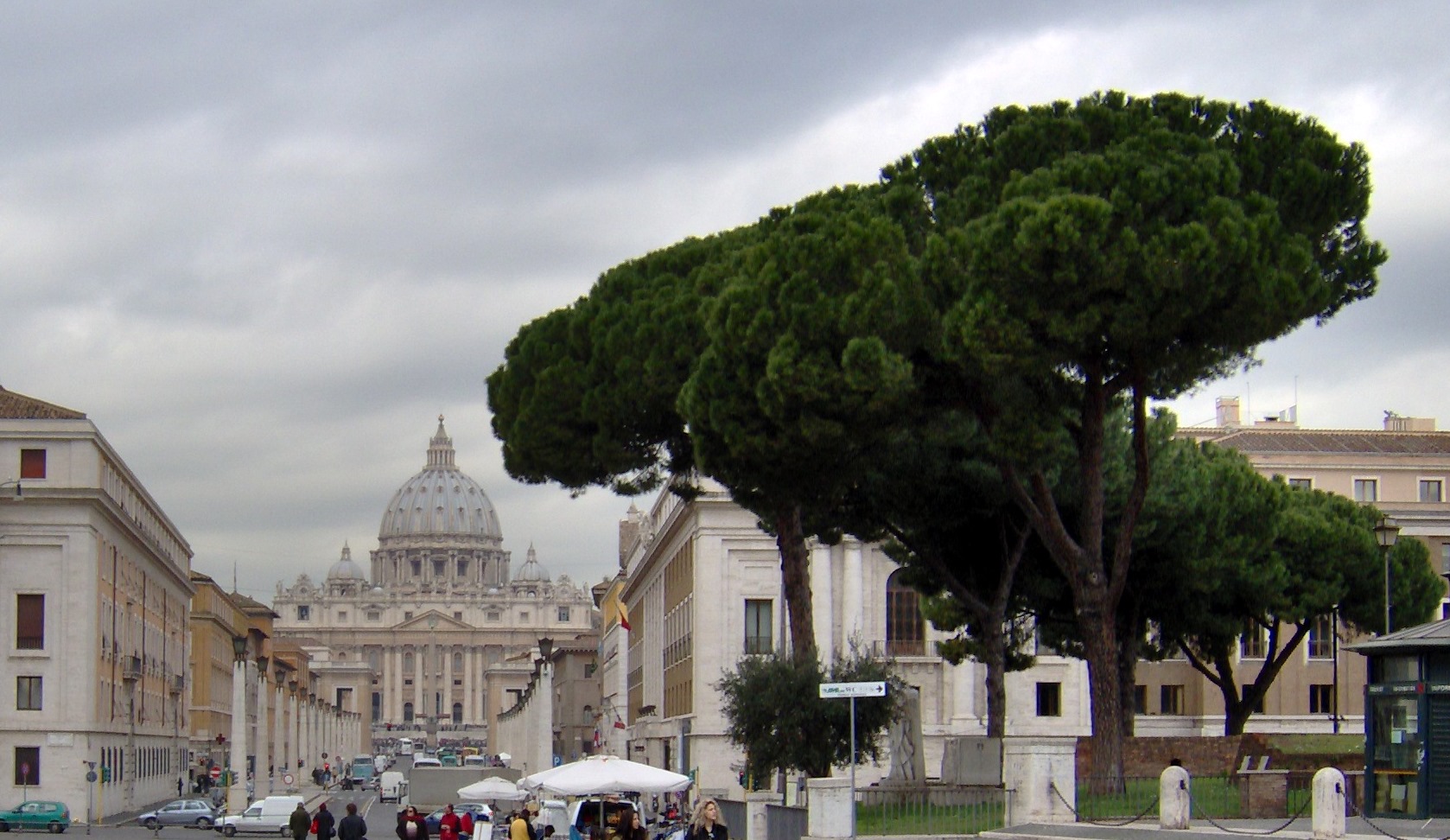

Vatican City, Rome and the vehicle boundary
The Vatican’s official description of its vehicle register is useful precisely because it does not read like a tourist parking guide. Vatican driving licences are issued to Vatican citizens and residents, while SCV plates are reserved for institutional vehicles and other Vatican-specific categories. That information does not create a visitor permit. It is a warning against treating a rental car as if it were an ordinary Vatican vehicle.
For visitors, the practical conclusion is conservative: do not drive toward a guarded gate, a service entrance or a road beside the walls because a navigation app offers a shorter route. The official visitor pages point to Viale Vaticano for the Museums and St Peter’s Square for Basilica security. If an institution, hotel or event organizer claims that a vehicle can enter a controlled area, ask for the named authority, access window and plate procedure in writing. A booking confirmation by itself is not permission to pass a barrier.
The Italian side remains important. The road leading to your garage, hotel, Metro station or drop-off point is governed by Rome’s signs, cameras, bus lanes, parking controls and ZTL permits. A Vatican visit therefore has two separate checks:
| Decision | Controlling source | Safe default |
|---|---|---|
| Can the car reach the chosen Roman street? | Roma Mobilità, signs and local controls | Route around a ZTL unless the plate and time window are confirmed. |
| Can the car enter Vatican-controlled space? | Vatican security or the named host authority | Assume no ordinary visitor access; park and walk. |
| Can the visitor enter the institution? | Museum or Basilica visitor rules | Use the correct booking, entrance, dress and security instructions. |
This separation also protects the rental record. If the vehicle never crosses a controlled Vatican gate, the branch’s ordinary Italian rental territory and insurance instructions remain the relevant documents. If a special access arrangement exists, keep it with the contract and photograph the plate or permit instruction before driving.
Two institutions, two entrances and two queues
The Vatican Museums and St Peter’s Basilica are close on a map but different visits. The Museums list Viale Vaticano, 00165 Rome as their address and warn that the only official online ticket portal is tickets.museivaticani.va. Use the official opening and closure calendar for the date; opening hours, final entry and special closures are not a permanent road-trip fact.
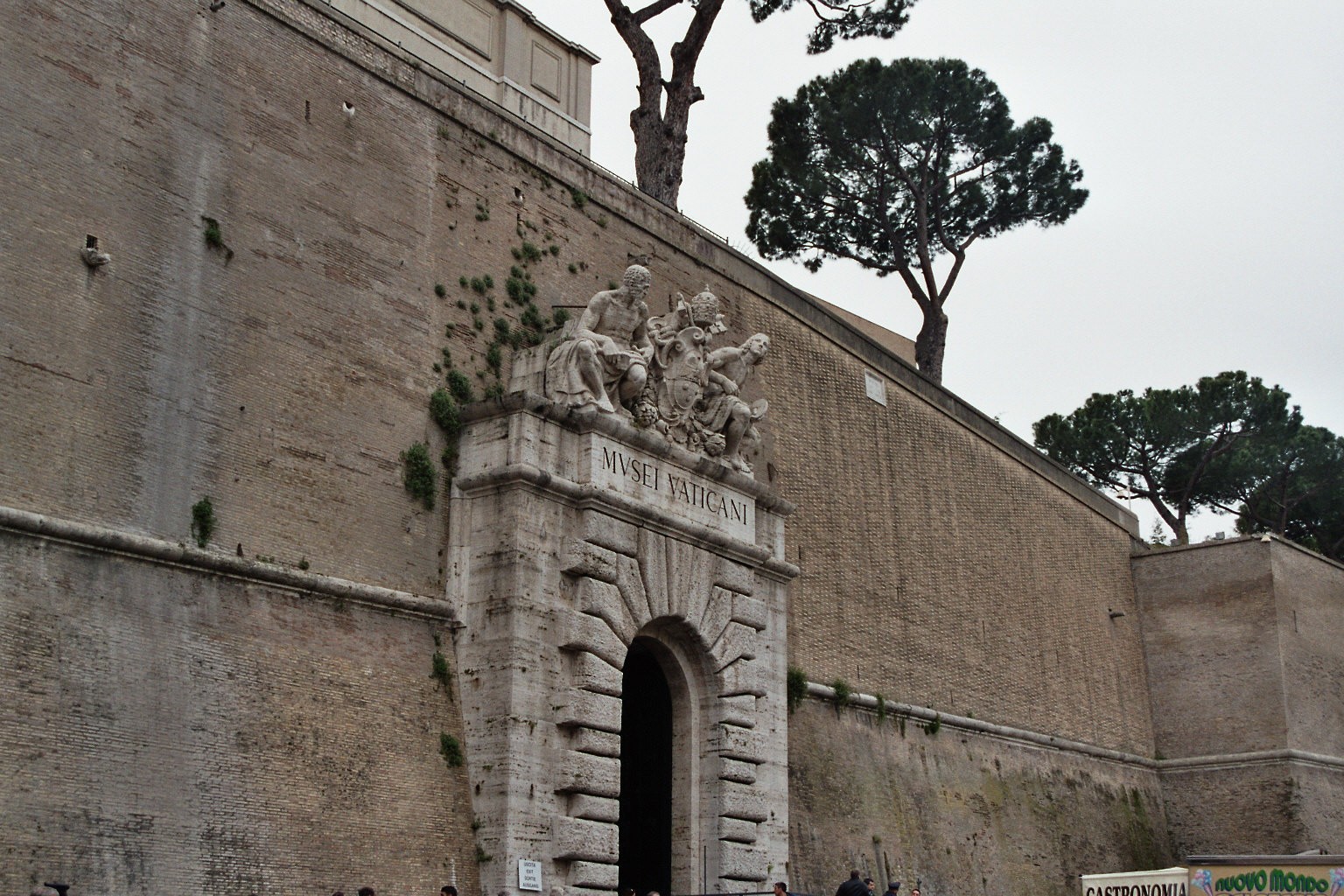

St Peter’s Basilica has its own official entrance guidance. Access starts at security checkpoints operated by the Italian State Police in the right hemicycle of St Peter’s Square when facing the Basilica. A timed booking or guided route does not remove the mandatory security check. The Basilica’s official FAQ says entry itself is free, while a timed online access service can carry a fee; treat that service as distinct from a Vatican Museums ticket.
The distance between the two sites is short enough to walk, but the operational distance is longer: you may need to leave the Museum cloakroom, find the correct street route, join another queue and pass another security control. Do not build a tight museum-to-Basilica handover around a train departure or a rental-car return. Keep the car parked once and let the pedestrian connection absorb the uncertainty.
Rome ZTL, parking and the walking decision
Rome’s ZTL is not a Vatican rule, but it is the most likely way a visitor’s driving plan fails before reaching the destination. Roma Mobilità’s current Centro Storico page states that the city’s five ZTL areas are reserved for authorised vehicles during defined times. At the current review date, the Centro Storico daytime restriction for unauthorised vehicles is 06:30-18:00 Monday to Friday and 14:00-18:00 Saturday, excluding public holidays. Its night restriction is 23:00-03:00 on Friday and Saturday, with the page noting that the night ZTL is inactive in August. Those hours describe one Roman zone, not every road around the Vatican.
Use the official map, the sign at the exact gate and the date-specific notice. A route that approaches from the west may avoid the Centro Storico boundary, while a hotel or garage farther east may require crossing it. An electric or hybrid rental car is not a universal answer: Roma Mobilità says electric and hydrogen access rules changed from 1 July 2026, and registration or payment conditions can apply. Check the plate, vehicle type and active zone together.
For parking, the Basilica’s own FAQ recommends avoiding arrival by car because spaces around it are limited. If you are already on the edge of the Vatican area, use a legal garage or signed paid bay whose entrance route is compatible with the current ZTL. If you are arriving from outside Rome, compare the Rome Mobilità interchange-parking list with the ATAC parking information. Rome Mobilità describes roughly 35 facilities beside metro, rail or bus nodes and publishes current tariff guidance; the ATAC page identifies facilities such as Cipro and San Pietro railway station inside the railway ring with their own tariff band. Confirm the exact facility, hours, height limit and payment method instead of copying a price from an old travel post.

The decision can be simple:
- Luggage-heavy arrival: use a confirmed hotel or garage outside the active ZTL, complete the check-in or luggage handover, and visit the Vatican without the car. Do not leave passports, cameras or bags in a parked rental car.
- Museum-first day: park once, walk to Viale Vaticano and bring only items accepted by Museum security. The cloakroom is free for unsuitable bags, but its rules are enforced by staff and items must be collected in time.
- Basilica-first day: follow the official route to St Peter’s Square and join the Police security line. The Basilica has no luggage storage, so a large suitcase is a planning problem before it becomes a queue problem.
- Mobility-sensitive visit: choose the parking and walking route only after checking the accessible entrance, pavement, slope and lift information with the institution. The nearest map pin is not proof of a step-free route.
Rental documents, permissions and the Italian approach
There is no universal Vatican rental-car permission. The branch’s written contract controls whether the car may be driven to a particular territory, whether roadside assistance applies at the boundary, whether a plate must be registered for Rome access, and how a damage or traffic notice is reported. Ask four questions before collecting the vehicle:
- Is the intended Roman route inside any ZTL, bus lane or paid parking restriction?
- Does the rental agreement cover a visit to Vatican City State and any exceptional drop-off instruction?
- Which registration, insurance and rental papers must remain in the vehicle?
- Does the branch require an IDP or certified Italian translation for this licence, even if the destination page’s Vatican visitor baseline does not make an IDP a universal requirement?
For the Italian road portion, the ACI visiting-motorist document guide is the useful check for a foreign licence and vehicle documents. Do not turn an Italian-side document requirement into a claim that the Vatican issues tourist licences. Conversely, do not assume that a familiar European licence settles every rental desk’s contract condition.
The car is most useful before and after the Vatican stop. It can carry luggage between accommodation and a legal garage, connect a Rome hotel with an outlying route, or continue to a later destination. It is usually a poor tool for the actual Museum and Basilica visit, where the official institutions describe queues, security and walking approaches rather than visitor parking inside the walls.
Luggage, security, clothing and accessibility
The Vatican Museums visitor rules require luggage, suitcases, backpacks, packages and containers considered unsuitable by staff to be left in the free cloakroom. Knives, scissors, metal tools, medium or large umbrellas, tripods, stands and hazardous materials are addressed separately. Firearms and dangerous materials cannot be left in the cloakroom. A rental-car boot is not a secure cloakroom, so reduce what you carry before leaving the parking place.
The Basilica has a different rule set. Its official FAQ says there is currently no luggage storage and recommends small bags or backpacks. It also requires respectful dress, including covered shoulders and clothing that reaches below the knee. The Museums publish their own clothing and object guidance. When visiting both institutions, apply the stricter practical packing plan: passport, phone on silent, water in an accepted container if allowed, medication, booking evidence and a small bag. Leave spare lenses, tools, large umbrellas and suitcases elsewhere.
Accessibility needs an institution-specific plan. The Vatican Museums accessibility page describes a barrier-free itinerary, accessible spaces, wheelchair hire subject to availability and free entry arrangements for visitors with certified invalidity of at least 67%, with a companion in the stated non-self-sufficient cases. The Basilica’s visitor-services page describes a ramped priority entrance for visitors with disabilities and companions. These are institution rules, not a guarantee that every Roman pavement, garage or route between them is step-free. Confirm the transfer path and contact the venue in advance for a specific need.
Peak periods and three route choices
The Basilica identifies Wednesday, when the Papal Audience usually takes place, and Sunday, when the Angelus is usually recited at noon, as its busiest days. Major liturgical celebrations can change access. The Museums publish their own opening and closure calendar. Use those official calendars to choose the day, then add time for parking, the walk, the security queue and a second entrance if you are visiting both.
1. Park and walk to St Peter’s Square
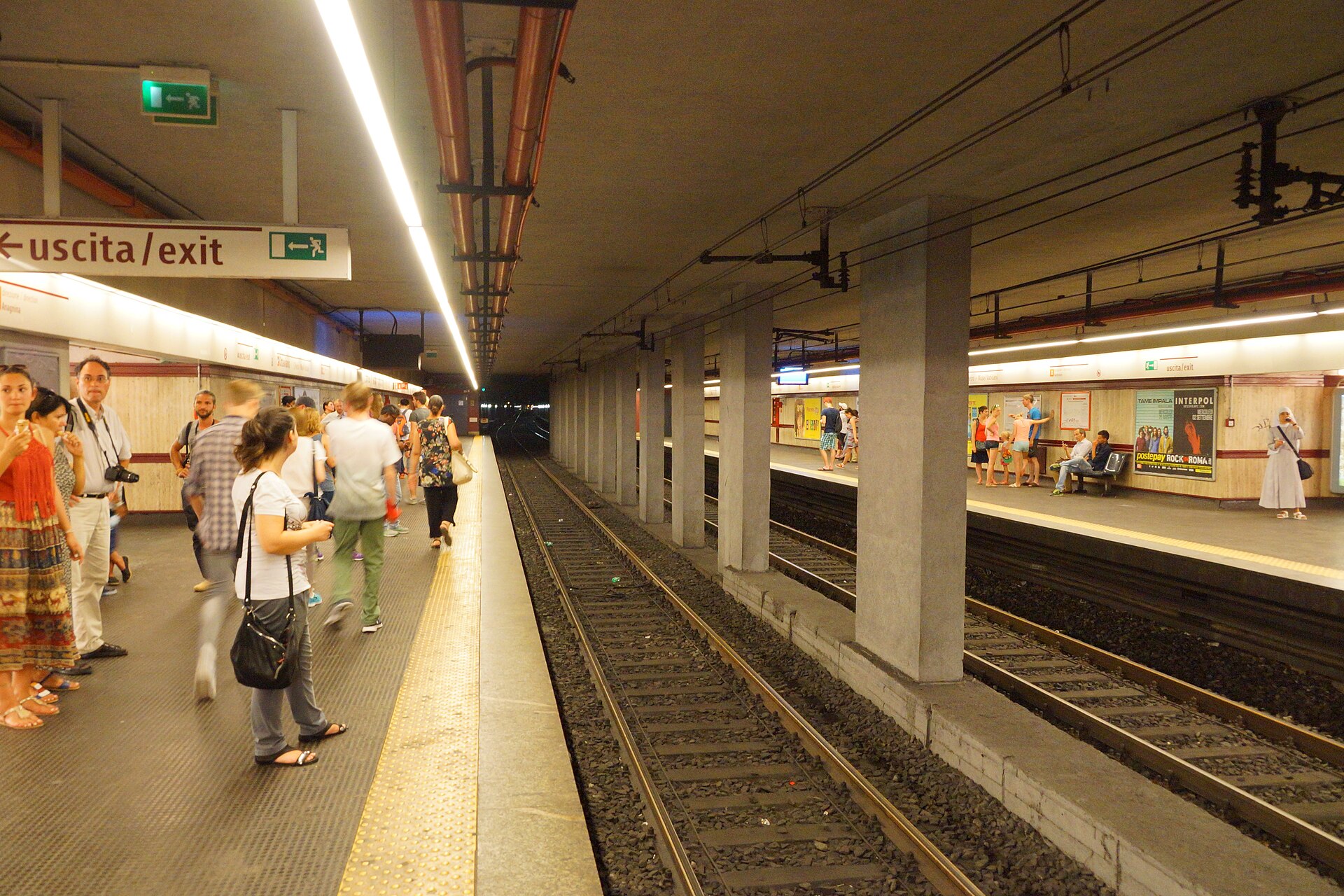
This is the cleanest choice for a Basilica-focused visit. Select a legal Roman parking location, check that its access road does not cross an active ZTL, and walk or use Metro A toward Ottaviano-San Pietro. Join the security line in the right hemicycle of the Square. Keep the rental contract in the car, but carry the small set of documents and belongings the Basilica allows.
2. Park once, then visit the Museums first
Use the Viale Vaticano address and the official ticket portal as the navigation anchors, not St Peter’s Square. Arrive with a booking record and a small bag, pass the Museum metal detector and use the cloakroom if staff require it. If the Basilica is next, retrieve anything you need before leaving the Museum because the Basilica has no luggage storage. Walk across Rome’s public streets and treat the second security checkpoint as a fresh arrival.
3. Keep the car outside the central approach
For a family with luggage, an unfamiliar left-side hotel entrance or a late arrival, use a park-and-ride facility and public transport. Rome’s official interchange system is designed for leaving the car near metro, rail or bus nodes; the Basilica names Line A and Ottaviano-San Pietro as the nearby connection. This route trades a short walk at the destination for a longer, more predictable start, which is usually the better exchange when the ZTL map or parking supply is uncertain.
Emergencies, accidents and consular limits
For an urgent medical, police or fire emergency, call 112 and identify the exact side of the boundary: Rome street, St Peter’s Square, Vatican Museums or Basilica. Italy’s Ministry of Health describes 112 as the free single European emergency number. The Vatican Gendarmerie page says its security and emergency coordination covers Vatican territory and that it cooperates with Italian authorities. It publishes the operations-room emergency number +39 06 698112 as an additional Vatican contact.
After a collision on an Italian road, the ACI visiting-motorist accident guidance says to stop, assess damage, provide assistance and call the municipal or road police when necessary. Use 112 when someone is injured or the scene is dangerous. Move to a safe position only when the situation and authorities permit; photograph signs, the plate, road layout and vehicle damage, then notify the rental company within its contract deadline. For a simple breakdown, use the rental roadside number after protecting people and traffic.
Vatican City is not a substitute for a national embassy or consulate. A foreign visitor who loses a passport or needs consular advice should use the Italian Ministry of Foreign Affairs travel and consular directory to find the relevant embassy or consular office in Rome, while keeping emergency, police and rental matters with the responsible service. Consular staff can help with documents and contact, but they do not cancel a ZTL notice, replace rental insurance or investigate a traffic collision.
Common traps to remove before departure
- Putting Vatican Museums into the navigator when the booking is for St Peter’s Basilica, or the reverse.
- Treating the white line at the edge of St Peter’s Square as an invitation to drive rather than a boundary explained by Vatican authorities.
- Assuming a hotel, taxi or private garage name grants a rental plate permission to cross a Roman ZTL.
- Carrying a suitcase to the Basilica because the Museum has a cloakroom. The two services are separate.
- Booking a timed Museum slot immediately after a Sunday or Wednesday Basilica visit without a queue buffer.
- Treating an electric rental car as automatically exempt from Rome’s post-July-2026 ZTL conditions.
- Asking Vatican security to solve a rental-company access question. Get the written answer from the branch and the named authority before driving.
Official sources and review date
The factual set above was checked on 2026-08-18. Entry windows, calendars, security instructions, ZTL hours, parking tariffs, public-transport service and rental terms can change. Recheck the live page on the day:
- Vatican City geography and entrances · Vatican City vehicle register
- Vatican Museums useful visitor information · official ticket portal · accessibility
- St Peter’s Basilica entrance and security · Basilica FAQ · services for visitors with disabilities
- Roma Mobilità ZTL map and hours · Rome interchange parking · ATAC parking information
- Italian 112 guidance · ACI accident and breakdown guidance · Italian consular directory
Continue planning
Compare the Italian road layer with the Italy destination guide and its ZTL, toll and city-parking guide. Before collecting a rental car, use the parking restriction planner, route weather and closure planner, rental cross-border permission planner and roadside incident recovery planner. These tools organise the questions; Rome signs, Vatican security, the official booking portals and the rental contract remain controlling.
Frequently Asked Questions
- Is Vatican City a separate country from Italy?
- Yes. Vatican City State is a sovereign enclave inside Rome. The Italian road, parking and ZTL rules control the approach in Rome, while Vatican authorities control access, security and services inside the State.
- Can an ordinary visitor drive into Vatican City?
- Do not plan on it. Official visitor directions identify pedestrian entrances and public-transport approaches, and no general tourist-car permit is offered. Park on the Italian side, then walk unless a named authority has arranged exceptional access.
- Where is the entrance to the Vatican Museums?
- The Vatican Museums give the visitor address as Viale Vaticano, 00165 Rome. This is a different arrival point from St Peter's Square, so a Basilica booking or map pin does not take you to the Museum entrance.
- Do I need to reserve the Vatican Museums?
- Check the official calendar, closures and ticket portal for your date. The Museums state that the only official online ticket site is tickets.museivaticani.va, and guided visits are booked through that portal.
- Is St Peter's Basilica entered through the Vatican Museums?
- No. The Basilica and the Museums are separate visitor operations. Basilica access starts at Italian State Police security checkpoints in the right hemicycle of St Peter's Square, while the Museums are entered from Viale Vaticano.
- Can I drive to St Peter's Square?
- Treat St Peter's Square as the end of a walking route, not a car destination. The Vatican describes the square boundary separately, and the Basilica advises visitors to avoid arriving by car because nearby parking is limited.
- Does Rome's ZTL apply to Vatican City?
- Rome's ZTL controls the Italian approach, not the law of Vatican City. Check the current Rome Mobilità map and hours for the route you choose. The Centro Storico daytime restriction currently runs 06:30-18:00 Monday to Friday and 14:00-18:00 Saturday, excluding holidays.
- Where should I park when visiting Vatican City?
- Use a legal garage or a Rome park-and-ride facility and continue by Metro A, bus or on foot. Rome Mobilità lists about 35 interchange facilities; tariffs and availability vary, so verify the selected facility before departure.
- Which metro station is closest to St Peter's Basilica?
- The Basilica's official FAQ names Ottaviano-San Pietro on Metro Line A as the nearest station and notes that buses stop near St Peter's Square. The Museums have a separate Viale Vaticano arrival point, so allow for the walk between the two.
- Can I leave luggage in the Vatican Museums cloakroom?
- The Museums require unsuitable luggage, suitcases, backpacks and packages to go to the free cloakroom, subject to staff rules. St Peter's Basilica currently has no luggage storage, so do not plan a Basilica visit with large bags or leave valuables in a rental car.
- What happens at Vatican security checks?
- The Museums use metal-detector checks and require knives, scissors, metal tools, weapons and hazardous materials to be handled under their rules. Basilica visitors pass Italian State Police checks in St Peter's Square, and high attendance can create queues.
- Is Vatican City accessible for wheelchair users?
- The Museums describe most spaces as accessible, offer a barrier-free route and wheelchair hire subject to availability; some areas restrict mobility scooters or electric wheelchairs. The Basilica provides ramps, elevators and a priority accessible entrance. Confirm the exact route before booking.
- When is Vatican City busiest?
- The Basilica identifies Wednesday and Sunday as its busiest days, with queues also affected by religious celebrations. Museum opening days, closures and final-entry times change by calendar, so use the official Museum calendar and leave a queue margin.
- Does my rental contract automatically cover Vatican City?
- There is no universal rental-company permission for visitor access. Ask the branch to confirm the permitted territory, Rome ZTL handling, parking, insurance, roadside assistance and any exceptional access instruction in writing.
- What should I do after a road accident near the Vatican?
- Stop and assess the scene, provide assistance, call 112 when there is danger or injury, and contact the municipal or road police when needed. Follow the rental company's incident process and retain photographs, the police reference, the contract and insurance details.
- Who handles an emergency inside Vatican City?
- Call 112 for an urgent emergency and tell the operator that you are in Vatican City or St Peter's Square. Vatican City's Gendarmerie publishes an emergency operations-room number, +39 06 698112; Basilica staff and the Gendarmerie can also direct visitors.
- Where should a foreign visitor seek consular help?
- Vatican visitor services are not a substitute for your country's embassy or consulate. Keep your passport and insurance details secure, and use your foreign ministry's directory for consular contacts in Rome. Consular staff cannot replace police, medical or rental assistance.
Information Sources & Disclaimer
This guide compiles information from the official transport authorities, road operators, government travel information, and automobile associations linked for Vatican City.
While we strive to keep this information as accurate and up-to-date as possible (last reviewed: August 2026), traffic laws and toll rates can change without notice. We recommend verifying critical information with the local authorities or your car rental agency upon arrival.
Learn more about our Editorial Process →Compare Your Origin and Destination
Use the comparison tool to check driving side, units, documents, and other destination data for your route.