Plan the vehicle and the day together
Armenia is compact on a map, but the driving jobs change quickly. Yerevan brings dense traffic and paid parking. The road toward Lake Sevan climbs into exposed, high-altitude weather. Dilijan adds forest bends and local access roads. The south toward Noravank, Vardenyats Pass and Tatev turns a sightseeing list into a mountain itinerary. Choose the vehicle, fuel margin and return time before adding a remote viewpoint.
Traffic keeps to the right. Bring the physical licence, passport, rental agreement and insurance papers. Ask the counter to show the vehicle registration, fuel type, spare-wheel or repair kit, warning equipment and roadside number. Take timestamped photographs of the plate, bodywork, wheels, glass, fuel or battery level and odometer before leaving.

Licence, IDP and the rental counter
When a national licence may be enough
Armenia’s official driving-licence guidance says citizens of countries that have joined the 1968 Vienna Convention on Road Traffic can drive in Armenia with their national licence. The English translation of Armenia’s road-safety law requires a driver in international road traffic to carry a driving permit that meets the applicable international-document requirements, along with the vehicle registration and any documents required by an agreement.
That is a document-format and treaty question, not a promise that a rental desk will accept every card without checking. Send the branch a clear scan of the front and back of the licence before booking. If the text is not in Latin characters, the licence is hard to read, or the issuing country is outside the relevant convention framework, ask for the exact IDP version or a certified translation. Keep the original national licence with the IDP; the translation does not replace it.
The legal category B age is 18. The commercial threshold can be higher. Enterprise Armenia’s terms currently require a driver to be at least 21 and to have held a licence for at least one year. That page is a rental contract example, not an Armenian law applying to every operator. Check named drivers, licence tenure, deposit, credit-card requirement, child seat, insurance excess and permitted vehicle class.
Right-side traffic and speed limits
The signed road class controls
The Ministry of Internal Affairs road-police theory material gives the useful passenger-car baseline: 60 km/h in populated areas and 90 km/h outside them. Its questions also identify 110 km/h for passenger cars on motorway sections marked for that road class. A residential-zone sign limits traffic to 20 km/h. The road-safety law and police guidance also require a driver to choose a speed that preserves control for the surface, visibility, traffic, load and weather.
Use those numbers as a starting structure, not as a target. Town entrances, roadworks, junctions, sharp bends, villages, animals and broken shoulders can all make a lower speed the only sensible choice. Read lane arrows and priority signs early. On a narrow mountain road, keep a view of the next stopping point and do not stop in a passing place for a photograph. Seat belts, a child restraint and hands-free navigation should be settled before the car moves.
Documents and vehicle checks
Keep the registration document and rental authorisation in the car as the contract requires. Ask who handles camera notices, parking penalties, accident reports and roadside recovery. Photograph existing damage in daylight, including the underside of the bumper and wheel faces when possible. A dashboard warning light, puncture or overheated engine is a call to the rental company, not a reason to continue toward an isolated pass.
Yerevan parking and the city exit
The Yerevan Municipality transport department says paid parking has been organised on main streets in Kentron and Arabkir, with modern equipment, digitised records and vehicle-plate recognition. The municipality also maintains an official paid-parking service page and announced a newer payment app in 2026. Payment channels, operating hours and exemptions can change, so read the sign at the actual bay and use the current municipal service.
Enter the rental registration exactly as printed. Keep a screenshot or receipt, and check the session end time before walking away. A hotel garage, supervised lot or edge-of-centre parking can be a better base than circling central streets with luggage. Do not assume a paid space permits stopping in a second lane, blocking a junction or using a loading bay. Once leaving the capital, confirm the last dependable fuel stop before committing to the lake or a southern stage.
Fuel, LPG and electric charging
Armenia has petrol, diesel, compressed-gas and LPG options on major corridors, but opening hours, card acceptance and fuel choice can vary by town. The AutoCard station information lists several fuel networks and charging services; use it as an operational reference, then confirm the station and vehicle fuel type at the counter. Fill in Yerevan, Sevan, Dilijan, Yeghegnadzor or Goris before a long mountain section when the gauge is comfortably above empty.
EV planning needs a separate check. The independent EVChargeArmenia map aggregates networks and live availability, while local operators may require their own app, connector or payment method. Download the relevant app, confirm the connector and check the live status before leaving the city. A charger shown on a map is not a guarantee of access, uptime or a compatible plug at a remote attraction. Keep a petrol, overnight-charging or shorter-route fallback for Sevan, Vardenyats and Syunik.
Winter roads, passes and live checks
Armenia’s winter risk is local. A clear Yerevan morning can coexist with snow, ice, fog, wind or a closed section in the mountains. The National Services Gateway road-condition service provides real-time information for interstate and national highways and can show detours, police stations and hospitals. The Road Department also publishes road notices and provides the road-condition hotline 010 56-25-33 in its winter information.
Check the current Armhydromet forecast and alerts for Yerevan, the lake, the pass and the destination rather than relying on one city forecast. Ask the rental company what tyres and chains are fitted, what roads are excluded by insurance and whether after-hours recovery reaches the route. I have not treated a single winter-tyre date as a universal rule here; confirm the current legal and contract position for the vehicle you receive.

Routes that fit different days
Yerevan, Lake Sevan and Dilijan
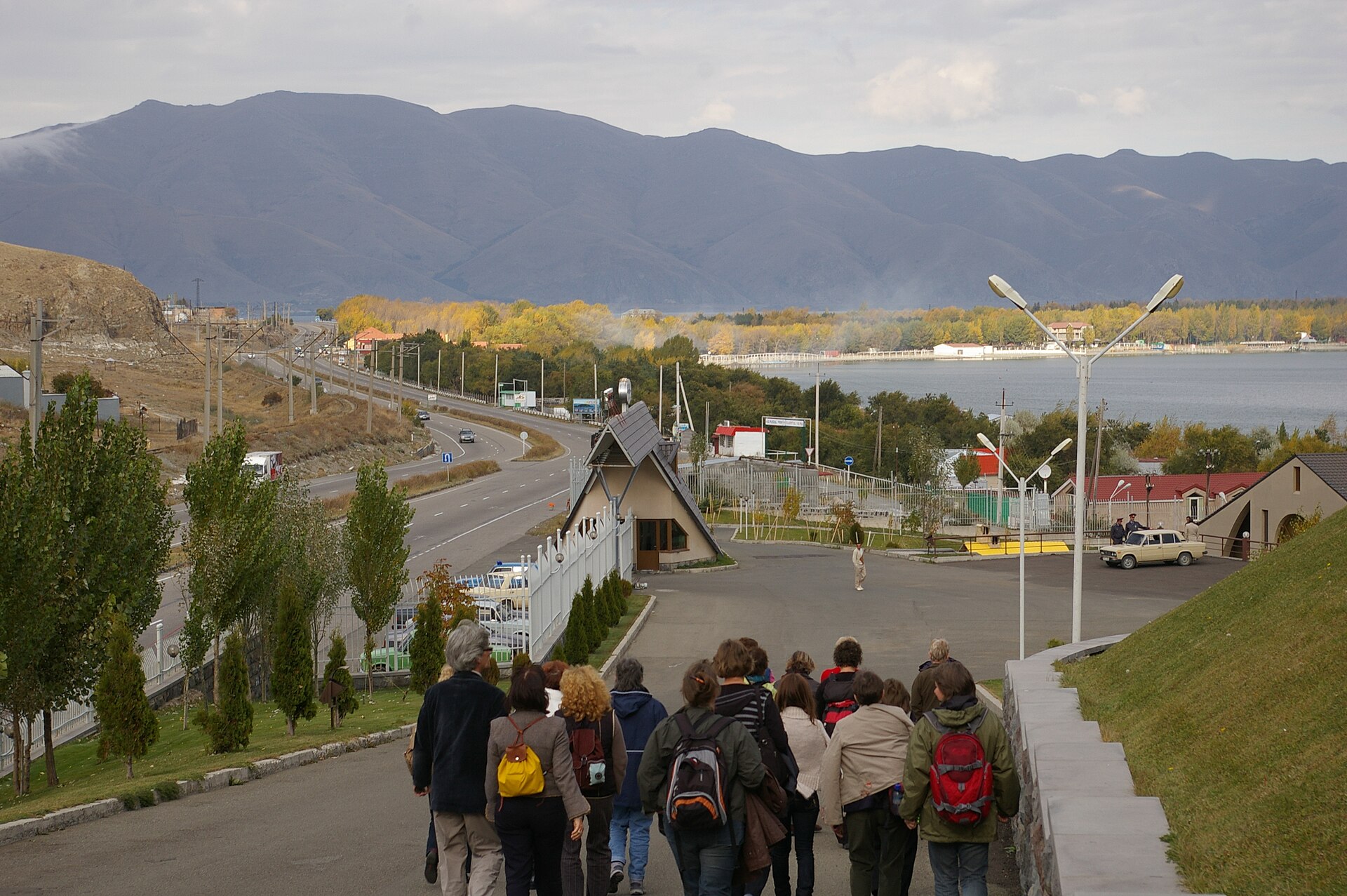
The M4 corridor makes a useful northbound spine. Leave Yerevan with the parking session closed and a fuel plan, stop at the Sevan shore or Sevanavank area, then continue toward Dilijan if road and daylight allow. Armenia Travel’s Lake Sevan guide and Dilijan destination page describe the lake’s high setting and the forested Tavush region. In winter, wind and ice at the lake can matter more than the distance on the map. A Dilijan overnight gives time for Haghartsin or a local walk without turning the return to Yerevan into a night drive.
Garni and Geghard
The Garni-Geghard day is a short-distance route with a different road rhythm. Use the official tourism itinerary for the access sequence, reserve time for the village and monument parking, and keep the car on signed public access roads. Armenia Travel’s winter route highlights Garni’s basalt gorge and the rock-cut Geghard complex, but an attraction page does not replace a road-status check. The approach can be busy, narrow or slippery after rain and snow; park clear of bends and do not assume a track shown by a navigation app is open to ordinary rental cars.
Noravank, Vardenyats and Tatev
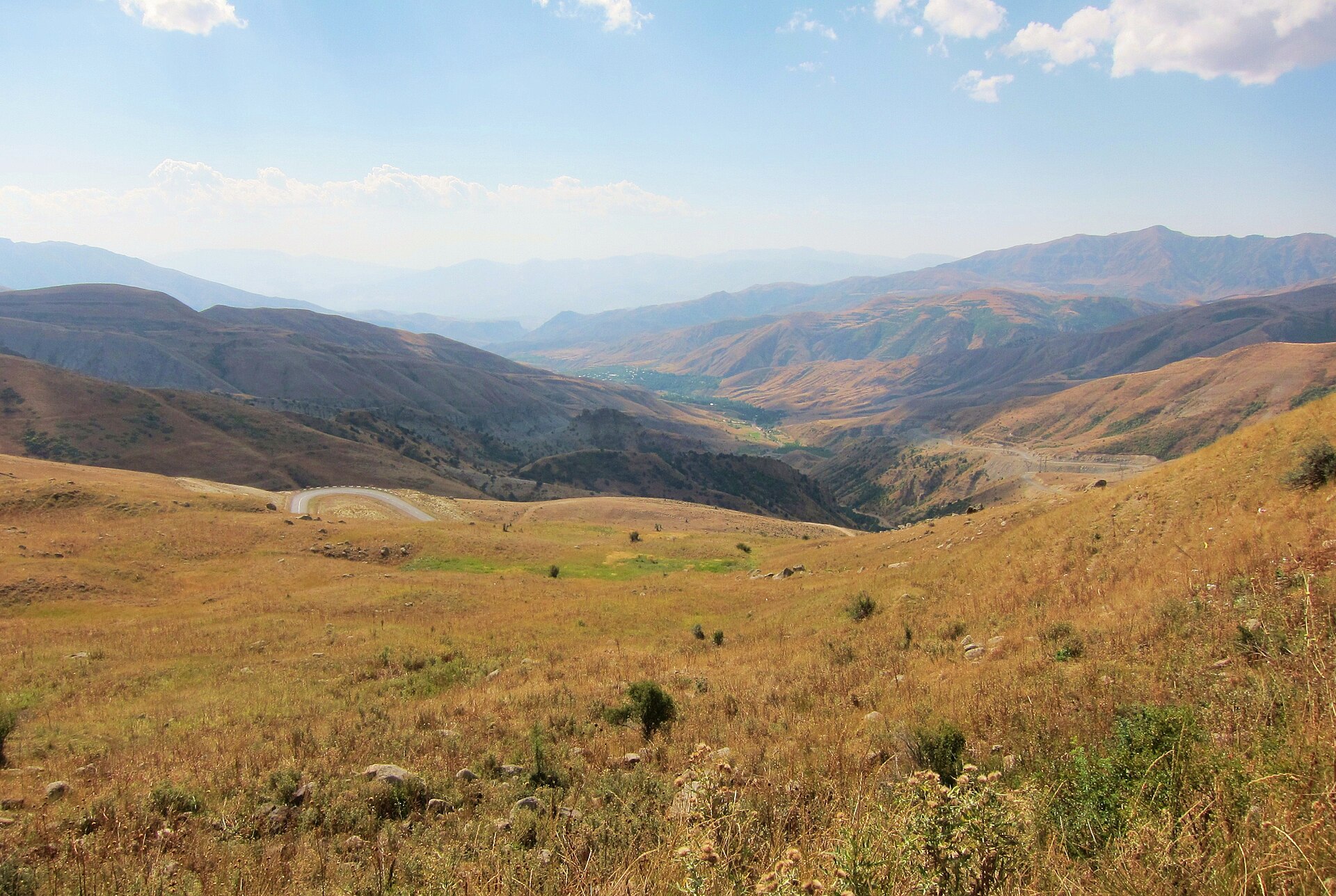
The southern itinerary needs more time than a list of pins suggests. A Yerevan to Areni and Noravank stage follows the M2 direction before a local approach; check the final road, parking and daylight. Vardenyats, also called Selim Pass, is a high crossing where weather and surface can change the plan. The official Gegharkunik regional tourism information identifies the Vardenyats route as a mountain corridor, while the road-condition service gives the current operational check.
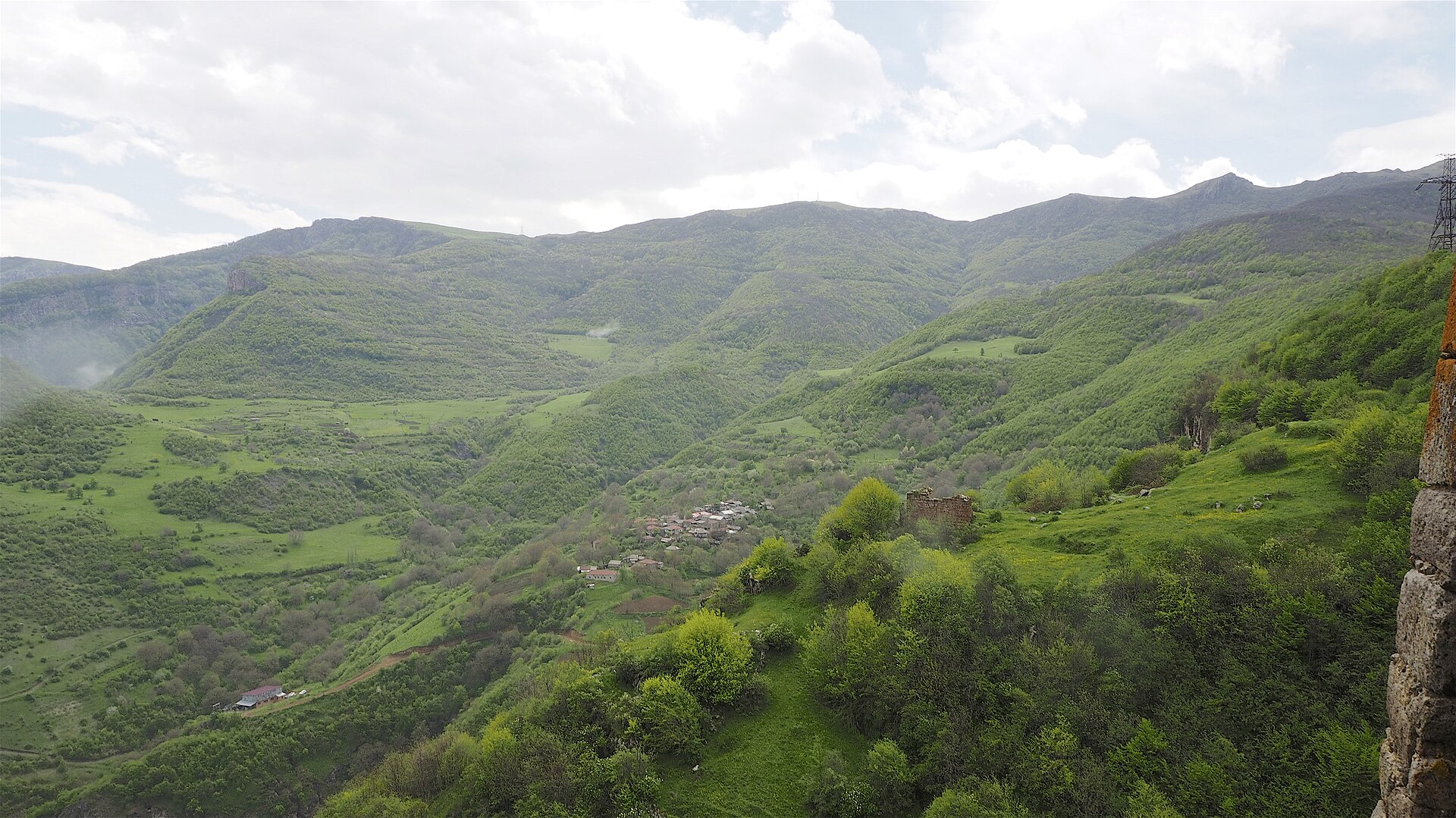
Tatev is better treated as a Syunik base or an overnight southbound objective. Use the M2 toward Goris, confirm the local approach and decide in advance whether the car will reach the monastery access or remain at a designated parking area for a cableway or local transfer. Armenia Travel’s national-park guidance includes the southern protected-area context. Do not combine Tatev, Noravank and a same-day return to Yerevan in winter without a large daylight and weather margin.
.jpg)
Georgia and other border plans
Tell the rental company at booking if the route includes Georgia. Enterprise Armenia’s FAQ describes a valid passport, driving licence, rental agreement and notarised authorisation, with advance passport information for the border document. Its current terms describe Georgia as a special-authorisation and fee service and prohibit travel to other neighbouring countries. Sixt Armenia’s published conditions take a stricter no-cross-border position.
These examples show why a comparison site or a verbal promise is insufficient. Get the allowed country, border point, dates, vehicle registration, power of attorney, insurance territory, third-party cover, roadside support, return location and fees in writing. For Iran or any other border, ask the named operator and the border authorities separately. A road leading toward a checkpoint is not permission to cross, and a rental car without written authorisation may lose insurance protection.
Emergency response and roadside recovery
The Armenian Ministry of Internal Affairs says the 112 unified operational centre launched on 15 February 2026 and brings police and rescue calls together. The current ministry notice is the best source for the change; the Government also records that 112 replaces the older 911, 101 and 102 channels. Older guides may therefore give a different number. In a current crash, fire, injury or mountain emergency, call 112 and ask the operator for the needed response.
| Situation | Action |
|---|---|
| Crash, injury, fire or rescue | Call 112; give road, direction, landmark, plate and hazards |
| Safe vehicle position | Move fully off the carriageway if possible, use hazards and keep people away from traffic |
| Breakdown without immediate danger | Call the rental company’s roadside number and share the exact location pin or nearest settlement |
| Pass closure or blocked road | Check the Road Department service, do not cross barriers, and use the planned turn-back route |
Do not leave a remote vehicle on foot in bad weather unless responders tell you to move. After a collision, follow the rental contract, notify the company and police, and photograph the scene only from a safe position. Keep the accident report and payment records for the return inspection.
Sources and review date
This page was reviewed on 18 August 2026. Licence and driving-document guidance was checked against the official Armenia driving-licence page, the Ministry of Justice Translation Centre road-safety law, the Road Police platform and the English road-police theory material. Yerevan parking was checked against the Municipality transport department, the paid-parking service and the municipality’s 2026 payment-app notice.
Road and weather checks were reviewed through the National Services Gateway road-condition service, the Road Department and Armhydromet. Route context was checked against Armenia Travel’s Lake Sevan guide, Dilijan page, winter route, national-park guide and Gegharkunik information. Emergency and rental-border guidance was checked against the Ministry of Internal Affairs 112 notice, Enterprise Armenia terms, Enterprise FAQ and Sixt Armenia conditions. Fuel and charging references include AutoCard and the independent EVChargeArmenia map. Recheck licences, parking, road status, weather, attraction access, border paperwork, insurance and rental terms for the travel date.
Related driving resources
- International Driving Permit guide
- Car rental insurance guide
- Cross-border driving checklist
- EV road-trip planner
Related destinations
Frequently Asked Questions
- Can I drive in Armenia with my foreign driving licence?
- Usually, if the licence is valid for the vehicle category and meets the format recognised under the 1968 Vienna Convention on Road Traffic. Armenia's official diaspora guidance says nationals of convention countries can drive with their national licence. Carry the physical licence, passport and rental agreement, and ask the branch to approve the exact document before payment.
- Do I need an International Driving Permit in Armenia?
- There is no universal IDP requirement for every visitor. An IDP or certified translation becomes the safer option when the national licence is not in a readable Latin-script format, is outside the convention format, or the rental company requires it. Enterprise Armenia's current terms give its own example: an IDP is required when the licence is not in Latin letters and for US citizens. That is an operator rule, not a blanket national rule.
- What is the minimum driving age in Armenia?
- Armenia's road-safety law sets 18 as the age for a category B driving permit. A rental company can require more: Enterprise Armenia currently lists a minimum rental age of 21 and at least one year of driving experience. Check the contract for age, licence tenure, deposit, vehicle class and additional-driver rules.
- What speed limits should I expect in Armenia?
- For an ordinary passenger car, the official road-police theory material gives 60 km/h in populated areas and 90 km/h outside populated areas. Motorway sections can allow 110 km/h when the road class and sign apply. Residential zones are 20 km/h. A lower sign, temporary restriction, vehicle category, poor surface or weather condition controls the decision in front of you.
- How does paid parking work in Yerevan?
- Yerevan has community paid-parking areas, especially on main streets in Kentron and Arabkir, with digital and plate-recognition systems. Read the bay sign, confirm the current payment channel through the Yerevan Municipality, enter the rental plate exactly and keep the receipt or session record. Do not carry an old SMS rate or parking rule into a different street or city.
- Is the Yerevan to Lake Sevan and Dilijan drive suitable for a day?
- It can work as a long day when the itinerary is limited to Sevan and one or two Dilijan stops. The M4 corridor changes from city traffic to high, exposed lake conditions and then forested Tavush roads. Leave time for parking, weather and the return stage; an overnight in Dilijan is more realistic if you add monasteries or hiking.
- What should I check before driving a mountain pass in winter?
- Check the Road Department's live road-condition service, the latest notice for the exact route and the Armhydromet forecast at both ends of the pass. Ask the rental branch about winter tyres, chains, gravel exclusions, recovery and daylight limits. Vardenyats, Tatev approaches and high roads near Lake Sevan can demand a turn-back plan even when a map route remains visible.
- Can an Armenia rental car cross into Georgia or another country?
- Only with written permission, the required vehicle documents and insurance territory confirmed by the rental company. Enterprise Armenia describes Georgia crossings as a special-authorisation service with advance information, fees and notarised border paperwork; its terms prohibit other neighbouring countries. Sixt Armenia currently publishes a no-cross-border rule. These are operator policies, so the signed contract controls.
- Should I call 112 or 911 after a crash in Armenia?
- Since 15 February 2026, Armenia's Ministry of Internal Affairs has operated 112 as the unified emergency number for police and rescue calls. Older pages may still show 911, 101 or 102; treat those references as legacy information and use 112 for a current emergency. Give the road, direction, nearest settlement or landmark, vehicle plate, injuries and hazards, then call the rental roadside number when safe.
Information Sources & Disclaimer
This guide compiles information from the official transport authorities, road operators, government travel information, and automobile associations linked for Armenia.
While we strive to keep this information as accurate and up-to-date as possible (last reviewed: August 2026), traffic laws and toll rates can change without notice. We recommend verifying critical information with the local authorities or your car rental agency upon arrival.
Learn more about our Editorial Process →Compare Your Origin and Destination
Use the comparison tool to check driving side, units, documents, and other destination data for your route.