Choose the road before choosing the sight
Bulgaria is not one driving day. Sofia’s centre is a parking and access problem; the motorway to Plovdiv is a time-management tool; the Rila, Rhodope and Stara Planina roads are weather-sensitive mountain stages. A useful plan starts by deciding whether the day is for a dependable transfer, a controlled mountain approach or a slow road with stops. Only then should the map decide which sights fit.
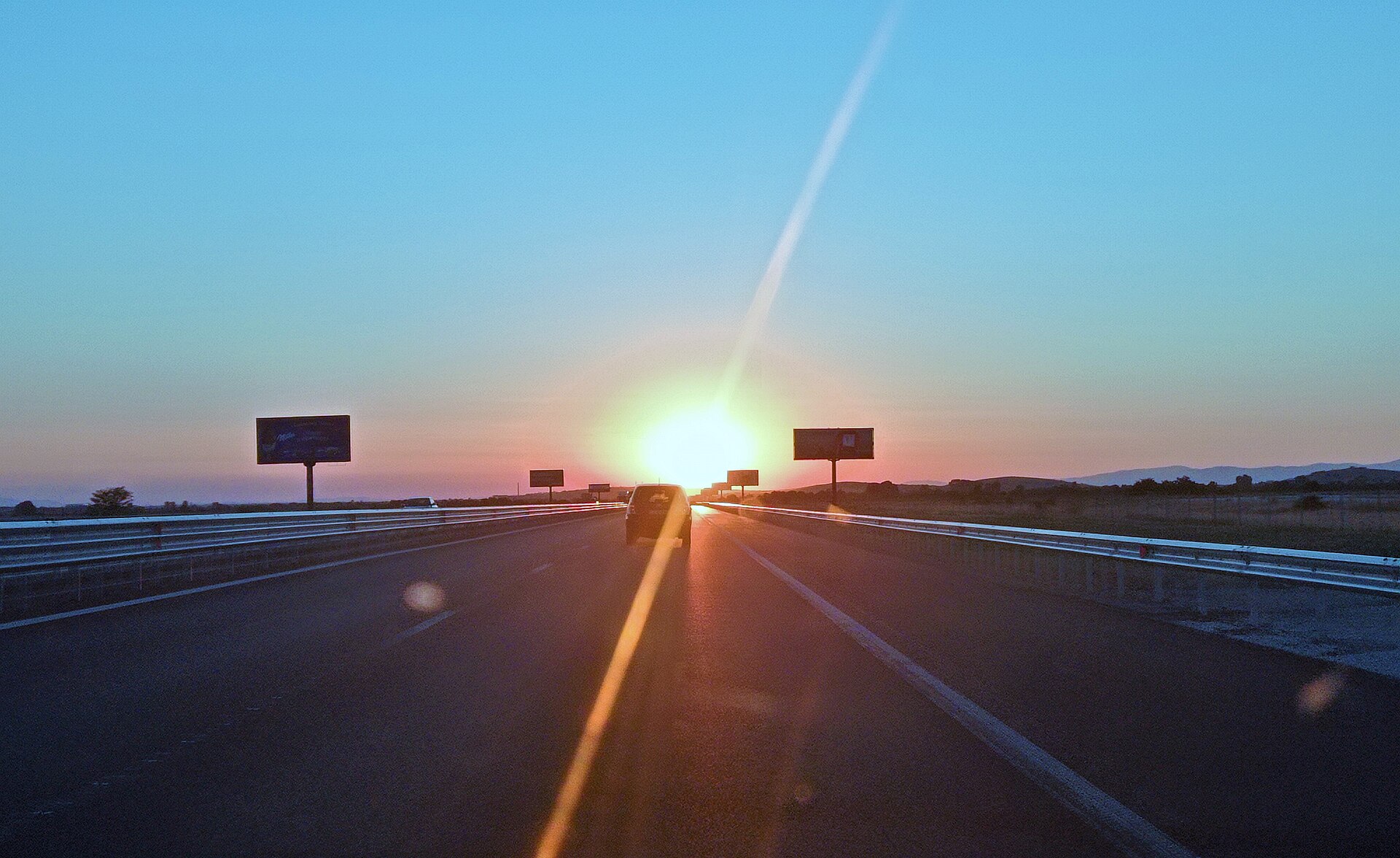
The Trakia motorway is the predictable spine from Sofia towards Plovdiv and, farther east, the Black Sea corridor. A mountain detour is a different product: slower, more exposed and more dependent on daylight, tyres, road works and a return option. Leave a buffer for refuelling and parking rather than treating a map estimate as an arrival time.
Licence, IDP and the rental counter
The European Union guidance on driving licences and insurance says an EU-issued licence is recognised throughout the EU. It also tells non-EU licence holders to contact the destination authority or embassy. That is why the page does not mark an IDP as universally required: the answer depends on the issuing country, the licence format, the rental company’s underwriting and sometimes the insurer.
Before paying for a car, send the branch a scan or clear description of the licence. Ask in writing whether it wants an IDP, a certified translation or a particular international convention. Keep the physical national licence, passport or national ID, rental agreement and insurance details together. An IDP is a supplement, not a replacement for the national licence. Bulgaria’s Ministry of Interior service for issuing an international driving licence describes an IDP as being issued alongside a valid national licence; it is not a reason to leave the original at home.
The Bulgarian Road Traffic Act in English is the useful legal reference when a licence or vehicle document falls outside a simple EU case. If the licence uses a script that the desk or officer cannot readily read, treat a translation or IDP as a practical requirement until the branch and authority confirm otherwise. If you bring your own car, carry its original registration, valid insurance and proof that you are entitled to use it. Border officials can question a hired vehicle without permission or documentation; keep the rental contract accessible, not in checked luggage.
At pickup, photograph the registration plate, registration document, fuel or battery level, existing damage and any warning kit. Ask who is responsible for the e-vignette, toll or parking notices, and check the contract for authorised drivers, roadside assistance, tyre and glass cover, one-way return and cross-border permission.
Right-hand traffic, limits and equipment
Bulgaria drives on the right. The European Commission Bulgaria road-rules page, supplied from national authority data, gives the ordinary passenger-car defaults as 50 km/h in built-up areas, 90 km/h outside built-up areas, 140 km/h on motorways and 120 km/h on expressways. The sign always wins. So does a lower limit for a vehicle class, a roadwork zone, a temporary order, a variable display or weather.
Do not plan around the 140 km/h number on every divided road: confirm that the road is a motorway, read the signs and drive for the surface and traffic. A navigation app may label a road by route number without explaining its legal class. On a mountain approach, downhill bends, shade and livestock entrances are more relevant to a safe arrival than the national default.
The same official page lists daytime running lights, seat belts and child restraints as requirements and gives the usual passenger-car equipment list: a reflective vest, warning triangle, first-aid kit and fire extinguisher. Check that the rental car has them before leaving the lot. Do not stop in a live lane to retrieve a vest. Use a proper hands-free setup and choose a zero-alcohol driving policy; a published legal limit is not a safe target.
BG Toll e-vignette: the plate is the payment key
For an ordinary rental passenger car below 3.5 tonnes, check the official BG Toll terms and the BG Toll home portal before entering the paid road network. The e-vignette is an electronic record tied to the registration number, country of registration, vehicle category, emission class and validity. It is not a paper sticker that can be moved from one car to another.
Ask the rental desk whether the car already has a valid vignette, who paid for it and what evidence you should keep. If you buy one yourself, type the plate exactly as shown on the car and select the correct country, category, emission class and dates. The BG Toll terms warn that the user must verify the data before payment; a wrong character can make the record unusable. Use the portal’s plate-and-country check after purchase and save the confirmation offline. The official toll calculator is useful for a route or vehicle-class cross-check, but it is not a substitute for the current product rules.
Do not confuse the e-vignette with the route-pass product. BG Toll describes a route pass for vehicles with a technically permissible maximum mass above 3.5 tonnes. A normal five-seat rental and a camper or heavy van can therefore fall into different products. If the rental paperwork gives an unclear mass or class, ask before the first motorway entry rather than guessing at a toll point.
Sofia parking, low-emission rules and the urban exit
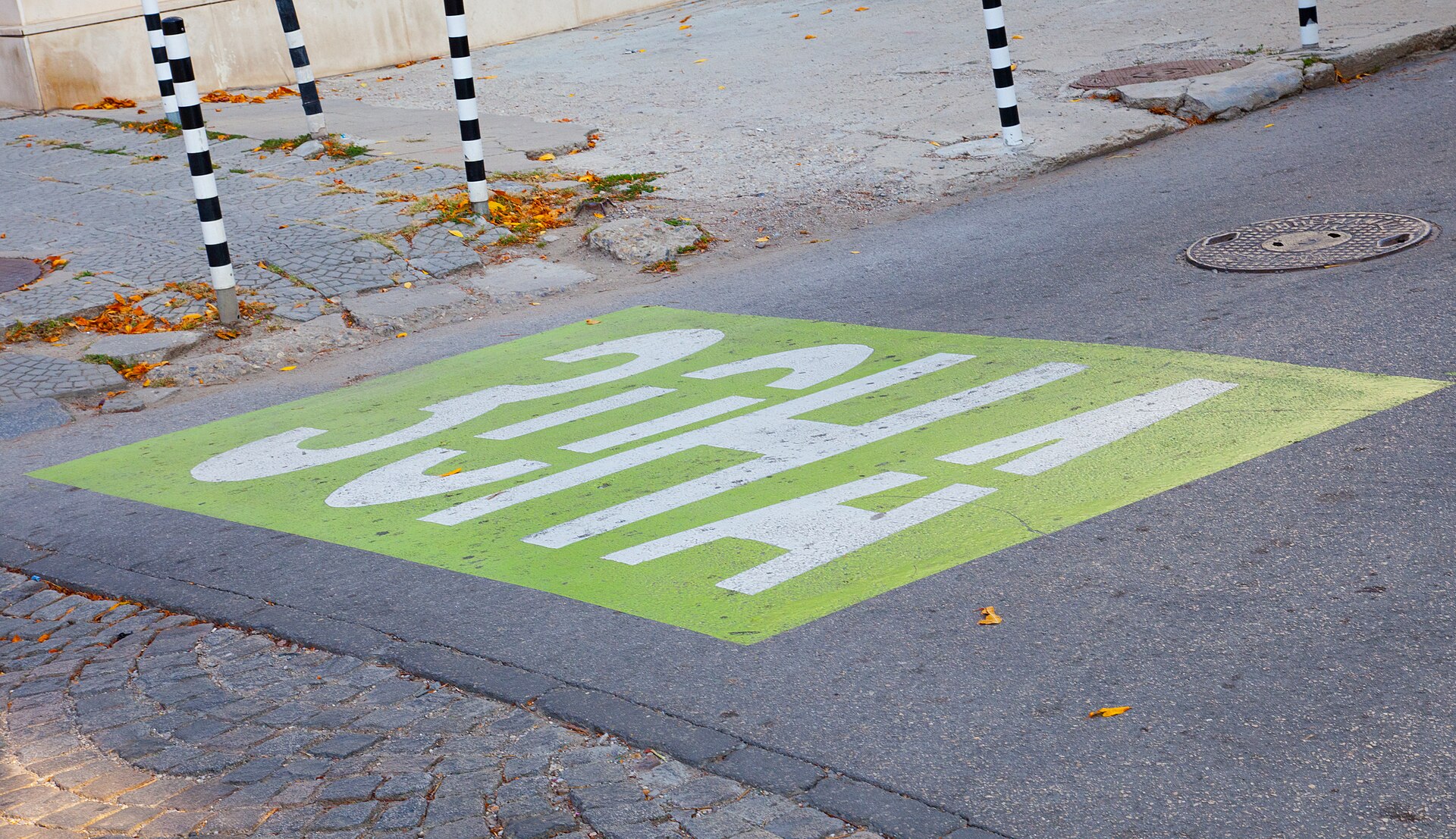
Sofia’s centre rewards a short, deliberate stop rather than circling until the route is late. The official Sofia visitor guidance describes paid blue and green street-parking areas. The current official payment portal lists SMS 1302 for the blue zone and 1303 for the green zone, along with Sofia Traffic and listed apps such as Sofia Plus, MPark and URBO. Read the sign at the exact bay, enter the registration plate without a typo and retain the payment confirmation.
The visitor guidance currently describes a two-hour maximum in the blue zone and a four-hour maximum in the green zone. Treat those as a pre-trip check, not a permanent tariff: operating hours, rates, public-holiday treatment, payment methods and enforcement can change. A garage or park-and-ride is often the better decision for luggage, a long museum visit or a rental car whose plate is hard to enter accurately.
Before driving into central Sofia, check the municipality’s low-emission-zone page. Restrictions can depend on the vehicle’s ecological group, the ring boundary and the current period. A rental company may not know that a foreign visitor intends to cross the restricted area, and an older diesel can be the wrong car for a central hotel. Park outside the restricted area or use public transport when the official map and signs make that the cleaner choice.
Do not carry Sofia’s payment assumptions to another city. Plovdiv’s municipal blue-zone page has its own signs, payment instructions and local number; it is not Sofia’s 1302/1303 system. At Rila Monastery and mountain viewpoints, use marked lots, obey local access instructions and never use a passing place, gate or emergency turn-out as a scenic parking bay. At a busy Black Sea resort, an official garage or peripheral lot can save more time than searching for a free curb space.
Fuel, EV charging and the last reliable stop
Fuel and charging are planning inputs, not decorative map pins. Bulgaria’s Ministry of Transport publishes information on open refuelling and charging data, including platforms such as Bulcharge, Eldrive, Vsickotok.bg and Fuelo.net. The Bulgarian National Access Point also describes data for refuelling stations, charging status, road weather and parking.
For a petrol or diesel rental, confirm the fuel type, return rule and the next dependable station before a long mountain or coastal leg. For an EV, confirm the connector, operator app or card, cable, opening access and live status. Save a second charger and keep enough state of charge for a detour; a charger at a ski or lake destination may be occupied or offline. Do not promise a tariff or network count that has not been checked for the travel date.
Winter tyres, mountain weather and live roads
The Bulgarian Interior Ministry has published the winter-tyre rule for 15 November to 1 March: tyres designed for winter conditions or tread depth of at least 4 mm. Read that as a legal baseline, not a guarantee that a pass is open or grippy. Ask the rental desk whether all four tyres meet the rule, whether chains are supplied and where they may be fitted. A coastal car may not be prepared for an inland snow day.
Use the Road Infrastructure Agency’s LIMA live map and the tourism authority’s current-traffic FAQ before leaving Sofia and again before a mountain stage. The latter points to the 24/7 road information line 0700 130 20. Check road closures, restrictions, detours and road weather, then add daylight margin. If the status changes, turn around at a safe signed location instead of following a scenic shortcut.
Route decisions from Sofia
Sofia to Rila Monastery and the Seven Rila Lakes
For Rila Monastery, the Ministry of Tourism route description uses the E79 Sofia–Kulata corridor, the junction at Kocherinovo and approximately 25 km to the monastery. This is a useful stage plan: leave Sofia with fuel and a parking plan, use the main corridor for the predictable part, and reserve time for the final mountain approach. The monastery’s official access page describes private, organised and taxi access; verify the current visitor and parking arrangement instead of assuming a coach or car can use every approach.
The Seven Rila Lakes are not a “drive to the lake” destination. The official tourism route description sends vehicles from Sapareva Banya through Panichishte to Pionerska hut, where the passenger ropeway starts. The tourism bulletin route PDF is useful for the geography, but it is not a current lift timetable. Check the ropeway operator, parking capacity, weather and last return before committing the rental car to the valley. Leave the car in a marked area and do not turn a narrow access road into a parking queue.
Sofia to Plovdiv and the Rhodopes
Use the Trakia motorway when Sofia–Plovdiv is a transfer with a hotel or timed visit at the other end. Put the BG Toll check, fuel stop and Plovdiv parking decision before departure. Once in Plovdiv, leave the car in a legal garage or signed zone outside the most constrained old-core streets; the municipality’s blue-zone rules are local.
The Rhodope continuation is a route choice, not a small sightseeing add-on. After the motorway, roads become slower and more winding, with fewer reliable charging and fuel alternatives. Set a turnaround time, keep daylight for the return and check LIMA after rain or snow. The Ministry of Tourism’s route listings can help choose a coherent region, but they do not replace current road status or local access signs.
Black Sea or Stara Planina?
For a time-sensitive Sofia–Black Sea transfer, the Trakia motorway is usually the controllable option. In summer, add congestion, heat and resort parking to the timetable; refuel before leaving the motorway and decide where the car will wait before entering a seafront core. A coastal stop is better treated as a separate local driving day than as an unpriced detour.
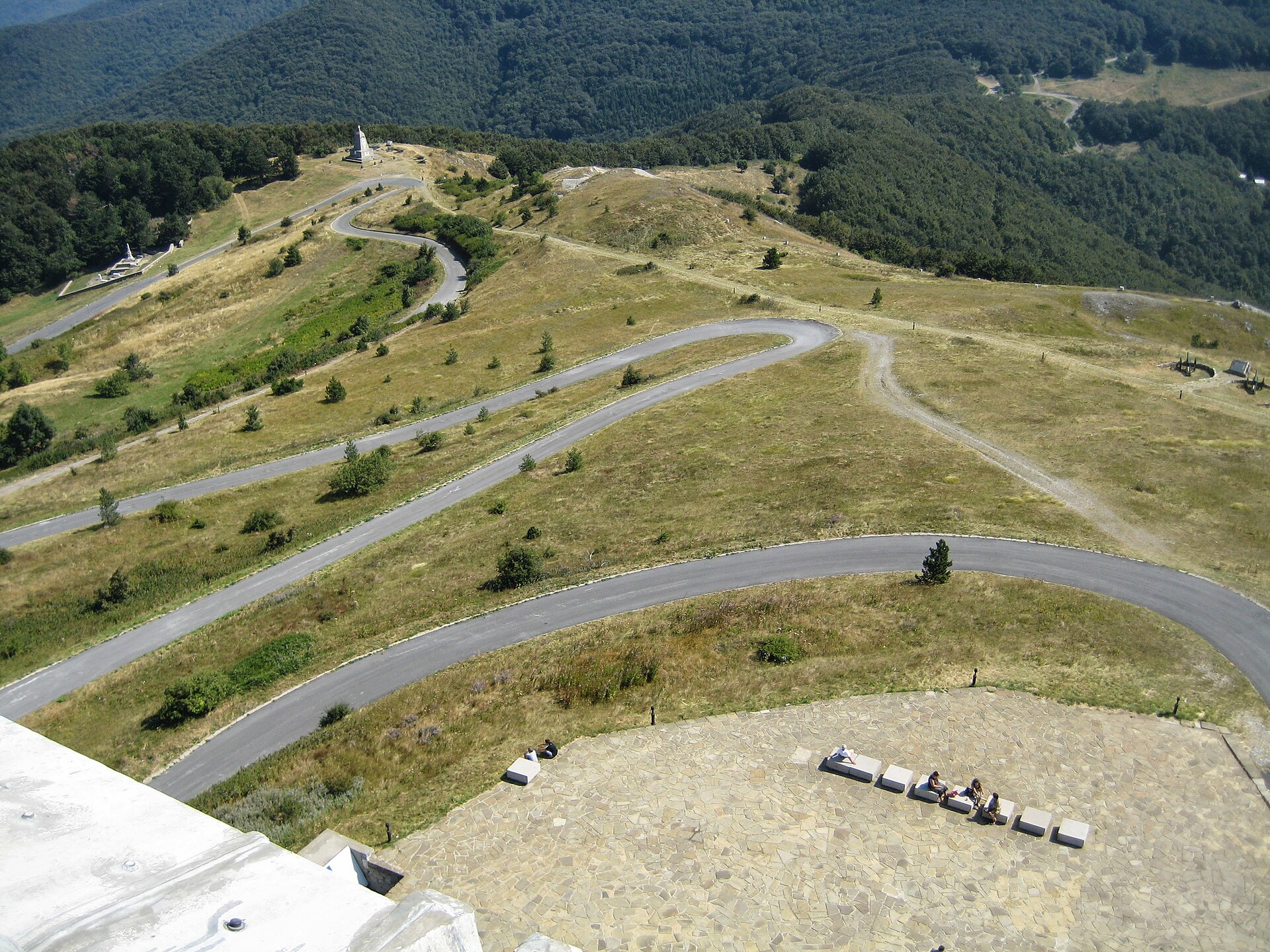
Stara Planina, including a Shipka stage, trades speed for bends, elevation and weather exposure. The Ministry of Tourism route material places Shipka in a longer central-Bulgaria cultural corridor; use it to shape a route, then check LIMA and weather for the actual pass. Do not schedule a mountain pass at the end of a long motorway day if a storm, darkness or a rental-car tyre question would leave no safe alternative.
Accidents, roadside help and mountain rescue
The Bulgarian Interior Ministry’s 112 service states that 112 is free and operates around the clock, routing urgent calls to police, fire, medical and mountain rescue services. The tourism authority also directs urgent road and mountain emergencies to 112. Save it in the phone and keep the rental company’s roadside number offline.
After a collision, make the scene safe only if possible, use the reflective vest and warning triangle as conditions allow, call 112 for injuries or danger, and give the road number, travel direction, nearest town or kilometre marker. Do not move an injured person unless there is immediate danger. Exchange the required details, photograph the scene only from a safe place and notify the rental company before agreeing to repairs or abandoning the car. In a mountain breakdown, stay with the vehicle when safe, conserve battery, describe the access road and follow the operator’s instructions.
Before the first kilometre
- Send the licence details to the rental branch and obtain a written answer on IDP or translation, authorised drivers, insurance and cross-border countries.
- Photograph the plate, registration, damage, fuel or battery level, warning kit and the branch’s toll or vignette note.
- Check the official BG Toll product, plate/country record and vehicle class before the first paid-road entry.
- Save Sofia’s current parking portal, Plovdiv’s municipal rules and the low-emission-zone map before driving into a city centre.
- Choose motorway or mountain route deliberately; keep fuel or state of charge for the return and a daylight/weather buffer.
- Check LIMA, road weather and the destination access or lift status on the travel morning.
- Keep 112, the road information line 0700 130 20 and rental roadside assistance available offline.
Official resources and review date
This page was reviewed on 18 August 2026. Road rules, parking hours and prices, low-emission boundaries, toll products, winter enforcement, rental terms, charging status and mountain access can change. Reopen the named source immediately before driving:
- European Commission: Bulgaria road rules and safety and EU licence and insurance guidance
- Bulgarian Ministry of Interior: category B licence age, international driving licence service and Road Traffic Act PDF
- BG Toll terms, BG Toll portal and toll calculator
- Sofia paid-parking guidance, official payment portal and low-emission zones
- Plovdiv municipal blue-zone rules, LIMA road-status map and official traffic FAQ
- Ministry of Transport refuelling and charging data and Bulgarian National Access Point
- Rila route information, Rila Monastery access and Seven Rila Lakes route bulletin
- EU rental-car cross-border guidance, Hertz Bulgaria terms and Top Rent A Car contract
- Bulgarian Ministry of Interior: 112
Related routes and destinations
Frequently Asked Questions
- Do I need an International Driving Permit to drive in Bulgaria?
- An EU driving licence is recognised across the EU. For a non-EU licence, ask the Bulgarian traffic authority or embassy and the rental branch whether an IDP or certified translation is needed for your licence format; carry the original national licence either way. Bulgaria's published rules and rental practice are not the same question.
- Who buys the Bulgaria e-vignette for a rental car?
- Ask the rental branch before leaving whether the passenger car already has a valid e-vignette and whether its price or road notices are passed to you. If you buy one, match the registration country, plate characters, vehicle category, emission class and validity exactly, then verify the plate in the official BG Toll system.
- What are the usual speed limits in Bulgaria?
- For an ordinary passenger car, the default structure is 50 km/h in urban areas, 90 km/h on non-urban roads, 140 km/h on motorways and 120 km/h on expressways. A sign, vehicle class, temporary restriction, weather condition or variable limit overrides the default.
- How do Sofia blue and green parking zones work?
- Sofia's official visitor guidance describes a blue zone with a two-hour maximum and a green zone with a four-hour maximum. The official payment channels include SMS 1302 for blue and 1303 for green, plus listed apps and parking services. Read the local sign and current Sofia portal before paying because hours, prices and enforcement can change.
- Do I need an e-vignette for every Bulgarian road?
- Do not treat the e-vignette as a universal road pass. Bulgaria's National Toll Administration distinguishes the electronic vignette for the applicable paid road network from a route pass for vehicles over 3.5 tonnes. Check the official BG Toll applicability and the vehicle category before a motorway or inter-city stage.
- How do I drive to Rila Monastery and the Seven Rila Lakes?
- For Rila Monastery, the official tourism route uses the E79 Sofia–Kulata corridor, the Kocherinovo junction and roughly 25 km to the monastery. For the Seven Rila Lakes, the official route description continues from Sapareva Banya through Panichishte to Pionerska hut, where the passenger ropeway starts. The final access, parking and lift operation must be checked for the date.
- What winter equipment is required in Bulgaria?
- Bulgarian Interior Ministry guidance describes the 15 November–1 March rule as tyres designed for winter conditions or a tread depth of at least 4 mm. That does not make a mountain road safe in a storm. Confirm the rental car's tyres, chains, screen fluid and roadside policy, then check LIMA and the weather before a pass such as Shipka.
- Can a Bulgarian rental car cross into neighbouring countries?
- Only if the rental company and contract allow it. Tell the company at booking, obtain written CROSS BORDER permission, and confirm fees, extra deposit, insurance, breakdown cover and the countries included. Hertz Bulgaria and Top Rent A Car publish branch-specific examples; those terms are not a general legal permission for every company.
- What should I do after a crash or mountain breakdown?
- Call 112 for an urgent accident, injury, fire or mountain emergency; it is free and operates 24/7. Give the road and direction, nearest town or kilometre marker, rental plate and injuries. Put on the vest and hazards only when it is safe, follow the operator's instructions, and then contact the rental company's roadside service.
Information Sources & Disclaimer
This guide compiles information from the official transport authorities, road operators, government travel information, and automobile associations linked for Bulgaria.
While we strive to keep this information as accurate and up-to-date as possible (last reviewed: August 2026), traffic laws and toll rates can change without notice. We recommend verifying critical information with the local authorities or your car rental agency upon arrival.
Learn more about our Editorial Process →Compare Your Origin and Destination
Use the comparison tool to check driving side, units, documents, and other destination data for your route.