Choose the corridor before you choose the view
Serbia is easy to cross on a major north-south motorway and much slower to improvise in a mountain park. A Belgrade, Novi Sad and Subotica plan is built around the A1, city parking and toll gates. Tara, Zlatibor, Djerdap and Stara Planina need a different margin for weather, fuel, daylight and road surface. Check the AMSS live road map before leaving a city, then check it again after a storm, works notice or border delay.
This page uses current official guidance reviewed on 17 August 2026. Parking zones, toll tariffs, charger status, rental conditions and road closures can change, so a saved screenshot is a planning aid rather than a permanent rule.

Foreign licences, IDPs and rental-car permissions
Bring the physical licence that qualified you to drive, your passport or travel document, the rental agreement and the payment card used at the desk. The AMSS foreign-licence guidance says a foreigner who is temporarily staying in Serbia may drive with a valid foreign or international licence while the relevant stay conditions are met. Keep proof of the duration of the stay when that status matters.
An International Driving Permit is a translation companion. It does not replace the original licence and it does not grant permission to take a rental car across a border. AMSS’s international-documents service explains the document context, while UK driving guidance for Serbia says a 1968 IDP is useful and recognised by Serbian police. The practical requirement still depends on the issuing country, script, licence class and rental branch.
Before paying a deposit, send the actual licence details to the pickup branch. Ask it to confirm the accepted licence and IDP convention, minimum rental age, additional-driver documents, deposit, insurance, vehicle registration and cross-border process. The legal driving age is 18, while a rental company may set a higher age or add a young-driver charge.
Cross-border travel needs written approval before pickup. Name every country on the intended route and ask which documents stay in the car, whether an insurance or border document is issued, what fee applies and which countries are excluded. The UK safety and security advice warns that many Serbian rental firms restrict travel to Kosovo, Albania and Bulgaria. That is a useful warning, not a universal rule for every branch.
Right-hand traffic, road classes and speed limits
Serbia drives on the right. Keep right, pass on the left when permitted and expect road signs or temporary traffic orders to override a general assumption. The Serbian Ministry of Construction, Transport and Infrastructure road-safety law sets the general maximum at 50 km/h in a built-up area, unless a sign permits another limit, 80 km/h on other roads, 100 km/h on a motoput or expressway, and 130 km/h on a motorway. Vehicle category, a lower sign, roadworks, visibility and weather control the decision at the wheel.
Vehicle class changes the legal limit
Do not copy the motorway number into a rental van, trailer combination or temporary work zone. Read the sign, check the vehicle category in the contract and leave a safety margin for rain, fog, crosswinds and queues. AMSS also reminds drivers about daytime or dipped lights and the reflective vest required when leaving a vehicle after a breakdown or crash. Keep the vest reachable from the cabin rather than under luggage.
On narrow rural roads, slow before a blind bend, village entrance, pedestrian crossing or parked vehicle. An uphill vehicle does not automatically create a safe passing space. Use marked lay-bys, never stop in a bend for a photograph and let the road geometry, not a map estimate, decide who can pass.
Motorway tolls, TAG and the missing vignette
The Putevi Srbije road-toll page describes a distance and vehicle-category system collected on motorway sections. Its current list includes the Belgrade–Batočina, Belgrade–Šid, Belgrade–Subotica, Belgrade–Požega, Jagodina–Dimitrovgrad, Niš–Preševo and Kruševac–Čačak sections. Use the current English tariff PDF or the operator’s calculator for the actual amount; do not hardcode an old price into a travel budget.
In practical terms, the current operator model means Serbia has no national vignette to buy for ordinary motorway travel. This is an inference from Putevi Srbije’s toll-station and segment tariff system, not a guarantee that a future policy cannot change. Do not buy a generic online vignette sold for another country.
The Putevi Srbije toll FAQ lists cash in RSD or EUR and payment cards, including foreign cards. Electronic payment uses a TAG device with prepaid, postpaid or Toll4All arrangements. If a rental car has a TAG, ask whether the vehicle is already enrolled and how the provider bills the trip. Do not move a tag between vehicles unless the operator and rental company allow it. Keep the receipt or a photograph of the lane display.
Pay the road, then park the car
For the north, toll planning and parking planning are separate. A paid A1 trip can still end with a time-limited central-city space, an app that rejects a foreign number or a garage entrance with a height limit. Pick the legal place to leave the car before choosing the city stop.
Parking in Belgrade, Novi Sad and Niš
Parking is administered city by city. Read the board beside the exact bay, check the maximum stay and use the official channel. A hotel pin, translation app or empty-looking curb does not establish permission to park.
- Belgrade: Parking Servis publishes the zone system and current payment options. Its zone information says payment is due immediately and its hourly-payment page describes the official app, card and SMS routes. A foreign SIM may not be suitable for SMS, so use the app, a card-enabled channel or a garage when the sign offers it. Zone colours, hours, maximum stays and prices need a current check.
- Novi Sad: JKP Parking Servis Novi Sad uses extra, red, blue and white zones and promotes the nSpark app, with payment methods and current notices on the operator site. Check the zone sign and app before walking away from the car. The four-zone structure is current information, while prices and operating periods can change.
- Niš: Niš Parking states that SMS payment is limited to Serbian mobile networks. Its official app supports card or deposit payment and its listed car parks operate 24/7 with no time limit under the current information. Confirm the current tariff, plate entry and any garage restriction at arrival.
Save the payment confirmation, photograph the plate and do not extend a time-limited space from a second city app without checking that the exact zone accepts it. For a central sightseeing stop, a garage or an edge-of-zone space followed by a walk is often easier to manage than repeated curb changes.
Fuel, EV charging and the last reliable stop
Use city or motorway fuel stations as deliberate anchors. Confirm petrol or diesel at pickup, understand the full-to-full rule, keep the final receipt and ask how the rental company handles refuelling. Before Tara, Zlatibor, Djerdap or Stara Planina, fill up in a reliable town rather than assuming a small rural station will accept every card or stay open late.
The Putevi Srbije electric-charger page and NIS EV information are useful starting points for an electric rental. Serbia is expanding highway charging, including the government’s announced green-station programme, but a project announcement is not proof that every planned charger is operational. Verify connector, authentication, payment, opening status and a backup on the same day. Keep enough charge to reach the backup after a slow session or a detour.
Winter equipment, mountain weather and daylight
The AMSS passenger-vehicle equipment guidance describes the winter period from 1 November to 1 April. During that period, when snow, ice or black ice is present on the road, passenger vehicles must use winter tyres on all wheels and have chains or traction devices for at least two drive wheels under the published conditions. The same guidance gives a 4 mm minimum tread threshold for the relevant tyre option, says chains are not required inside settlements, and limits chain use to snow-covered roads unless a sign says otherwise. Recheck the current rule, rental tyres, chain size and local signs before departure.
Use the Republic Hydrometeorological Service of Serbia forecast for the city and mountain endpoint, then open the AMSS road map for works, closures, fog, wind, snow and border conditions. Belgrade’s forecast cannot stand in for Tara, Zlatibor, Kopaonik or Stara Planina. Leave in daylight, set a turn-back time and treat a fresh weather warning as a route decision.
Route decision 1: Belgrade, Novi Sad and Subotica
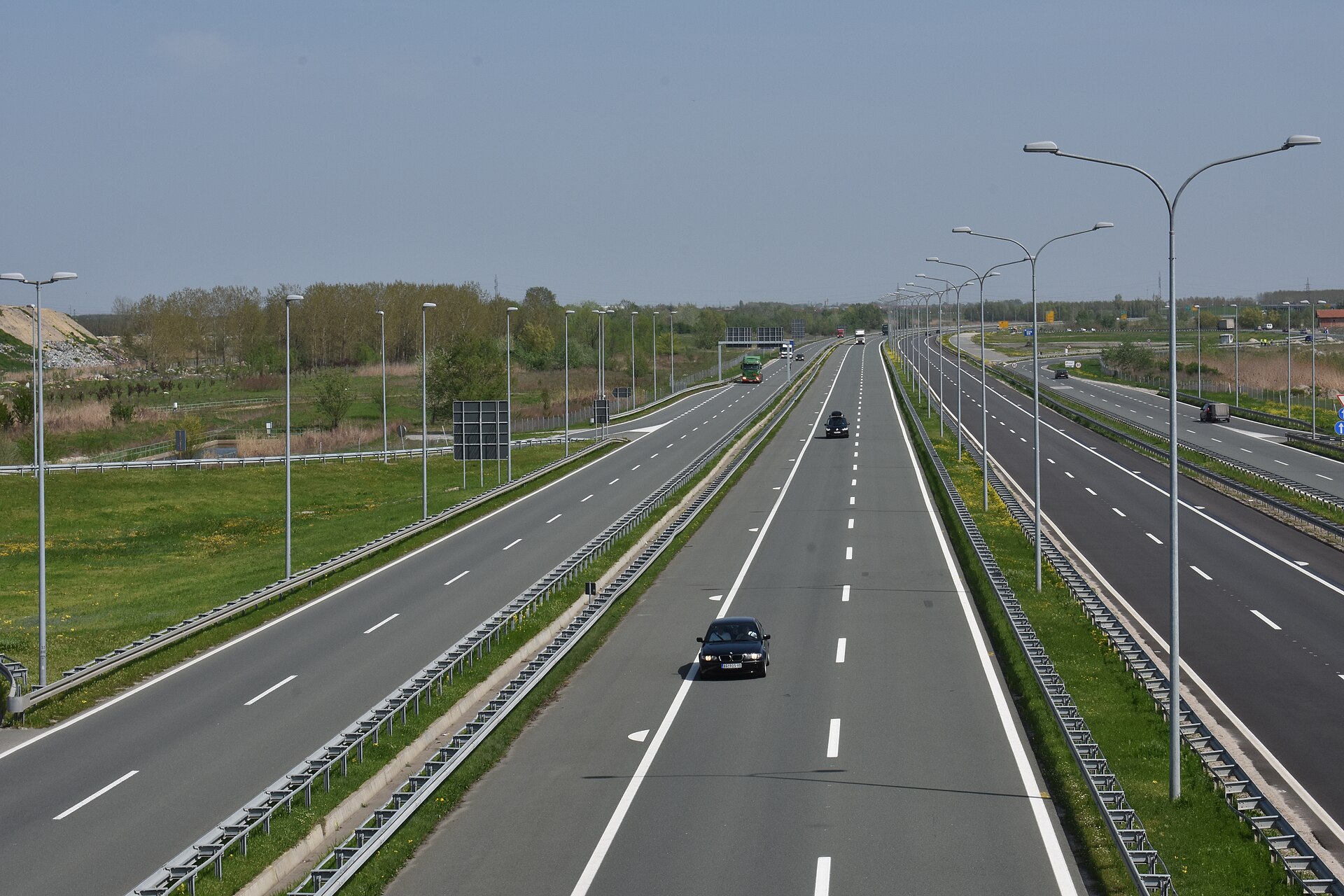
The A1 is the predictable spine for a northbound itinerary. Putevi Srbije lists Belgrade–Subotica as a toll section, so budget the current charge and allow for a short stop before entering a city. Novi Sad works well as a base for a city day, while a Subotica or Palić extension needs its own parking and fuel allowance. If a city-centre space is time-limited, leave the car once in a legal garage or zone and walk between stops.
Use the motorway when consistent travel time and simple navigation are worth the toll. Choose a slower local approach only after checking construction, the vehicle’s route permission and the last fuel or charging opportunity. Do not confuse a toll receipt with a parking receipt.
Route decision 2: Tara and Zlatibor
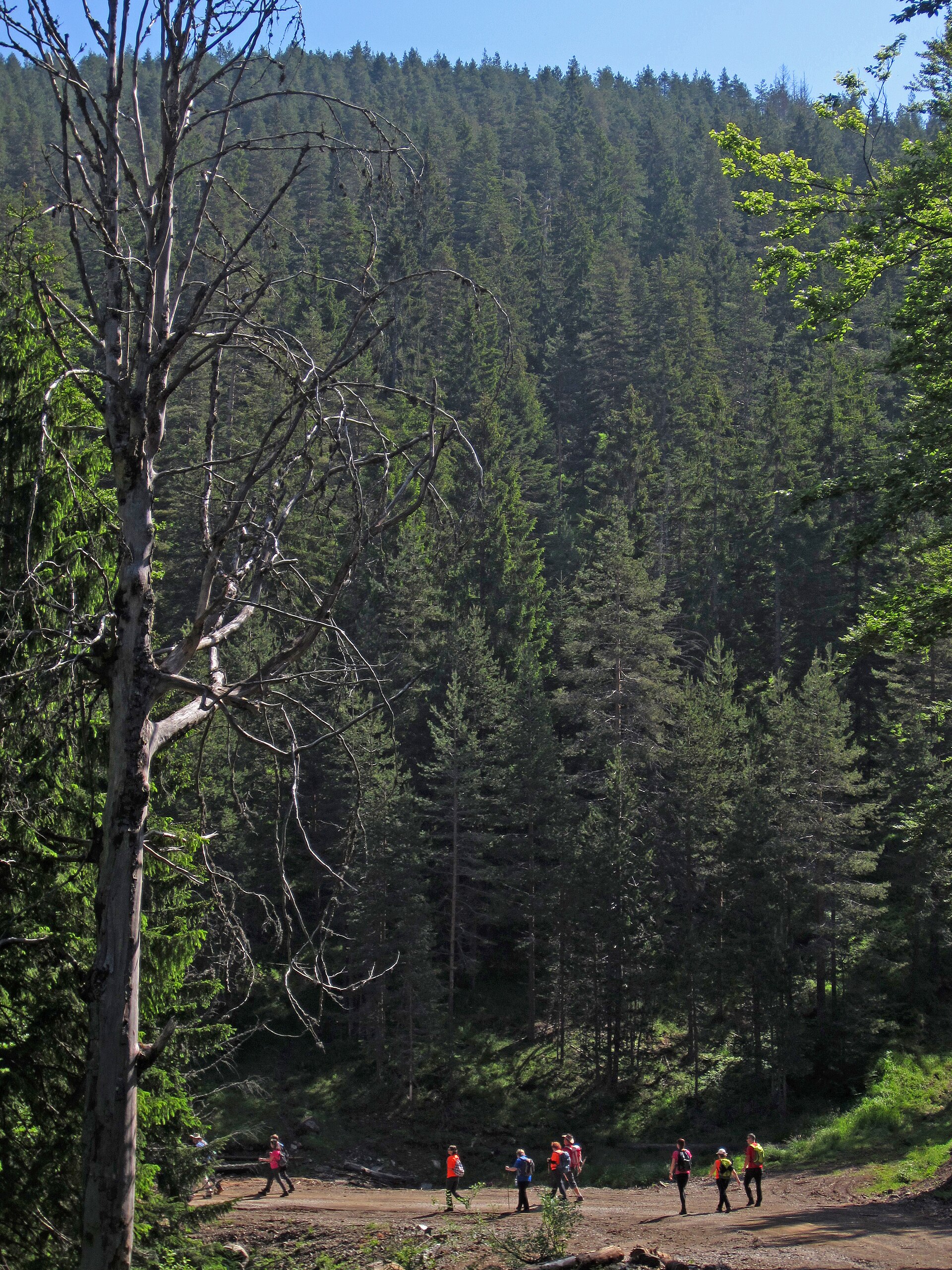
Tara needs a mountain access choice, not a single map pin. The Tara National Park access page lists three approaches: Bajina Bašta to Kaluđerske Bare at 16 km, Bajina Bašta through Perućac to Mitrovac at 27 km, and Kremna to Kaluđerske Bare at 9 km. The park also notes a network of forest roads with macadam alongside the main asphalt connections.
Keep a mountain fallback
For a low-clearance rental, wet forecast or first winter visit, select the verified paved access and ask the park or accommodation about the final kilometre. A forest road shown on a map is not an automatic shortcut or a promise of winter maintenance. Put fuel, daylight, a turn-back point and a second approach into the plan. Zlatibor can be combined with the western corridor, but the same RHMZ and AMSS checks apply before climbing.

Route decision 3: Đerdap or Niš and Pirot
Đerdap: stage the Danube route
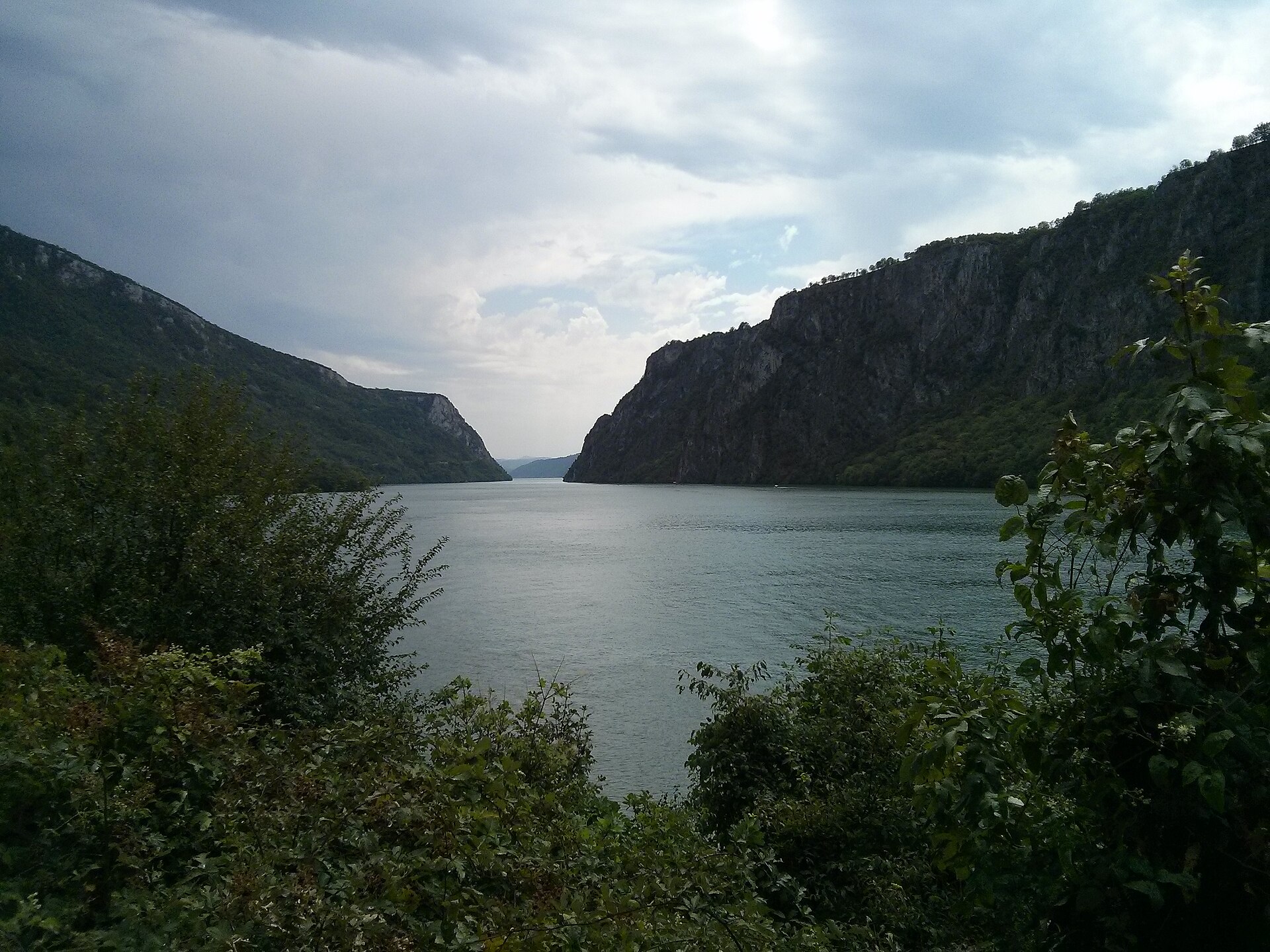
The Đerdap National Park access information describes a park extending roughly 100 km along the right bank of the Danube, with access from the Belgrade-side highway, the Kladovo-side highway and the Niš direction through Zaječar and Bor. It identifies main entrances near Golubac and Diana–Karataš. Treat the park as a long corridor. Pick a base and return point, confirm parking and opening information, and do not assume that one scenic stop represents the whole route.

Niš to Pirot: keep the A4 as the spine
The official Pirot tourism information places Pirot about 70 km from Niš via the A4 motorway. Its centre is suitable for a walking stop, while mountain and canyon excursions need a car and roughly an hour of extra driving. Use the A4 for the reliable transfer, then plan Stara Planina or a canyon as a separate daylight outing with weather, fuel and return margin. Putevi’s toll page lists the Jagodina–Dimitrovgrad and Niš–Preševo motorway sections, so check which entry and exit are on the live toll map.
Accident, roadside help and the departure checklist
The AMSS Serbia general information page lists 192 police, 194 ambulance, 193 fire and 1987 AMSS roadside assistance. The AMSS accident procedure advises securing the scene and contacting the relevant service. For an injury, death or major damage, follow the MUP accident guidance and wait for police instructions.
After a safe stop, turn on hazards, put on the reflective vest before leaving the vehicle, place the warning equipment only when it is safe, photograph the scene and record the road, direction, nearest landmark, coordinates, registration numbers and witnesses. Notify the rental company and insurer through the contract. Do not accept a private settlement or authorise repairs before their procedure tells you what to do.
- Documents: passport, original licence, IDP or accepted translation, rental agreement, additional-driver record, registration and insurance documents, plus written permission for every planned border.
- Vehicle: photograph the plate, VIN, mileage, fuel or charge, wheels, glass, lights and existing damage. Find the vest, triangle, first-aid kit, spare or repair kit, jack, chains and roadside-assistance instructions.
- Route: save Putevi toll information, parking instructions, fuel stations, chargers and one usable fallback. Download directions before entering a weak-signal valley.
- Weather: check the city and mountain endpoint, leave in daylight and set a turn-back time. Keep enough fuel or charge for a detour and the next reliable stop.
- Emergency: save 192, 194, 193 and 1987. When calling, give the road, direction, landmark or coordinates and rental plate.
Official sources and review date
This page was reviewed on 17 August 2026 against the AMSS foreign-licence guidance, AMSS international-documents service, AMSS Serbia information and emergency numbers, AMSS accident procedure, AMSS live road map, AMSS winter-equipment guidance, UK Serbia travel advice, MGSI road-safety law PDF, Putevi Srbije road toll, Putevi Srbije tariff PDF, Putevi Srbije toll FAQ, Putevi Serbia charger information, NIS EV charging information, Belgrade Parking Servis, Belgrade zone information, Belgrade hourly payment, Novi Sad Parking Servis, Niš Parking, Republic Hydrometeorological Service, Tara National Park access, Đerdap National Park access, Pirot tourism information, Serbia tourism service information, and the MUP accident guidance. Laws, fees, parking hours, rental restrictions, weather and charger availability are time-sensitive. Reopen the relevant official page before each trip.
The three local images are from A1motorwayNoviSadCenter.jpg, Forest Road on Mt. Tara.jpg and Djerdap Iron Gate.jpg. Their captions identify the author and license, and the local manifest records source files, dimensions, modification notes and review date.
Related destinations and guides
Frequently Asked Questions
- Can I drive in Serbia with a foreign licence?
- AMSS says a foreign visitor on a temporary stay can drive with a valid foreign or international licence, subject to the document and stay conditions. Carry the original licence, passport, rental contract and proof of stay when relevant. Check your issuing country and rental branch before payment.
- Do I need an IDP for Serbia?
- Treat an IDP as a practical requirement for a rental booking, especially when the licence is not in a Latin script or the branch asks for a 1968 Convention permit. The IDP is a translation companion, so carry it with the original licence.
- Can a Serbian rental car cross into neighbouring countries?
- Only after the rental company gives written permission for each planned border. Country exclusions, insurance documents, fees and notice periods differ by branch. UK travel advice warns that many Serbian firms restrict travel to Kosovo, Albania and Bulgaria, so ask before collecting the car.
- What speed limits apply in Serbia?
- The national road-safety law sets 50 km/h in built-up areas unless signed otherwise, 80 km/h on other roads, 100 km/h on motoput or expressway and 130 km/h on motorways. Signs, vehicle class, temporary works and weather can impose a lower limit.
- Does Serbia use a motorway vignette?
- The current Putevi Srbije system charges motorway sections at toll stations by distance and vehicle category. There is no national vignette to buy in that operator model. Pay in RSD, EUR or by card, or use a TAG or Toll4All account, and recheck the tariff before travel.
- How should I pay for parking in Belgrade, Novi Sad or Niš?
- Read the sign at the exact bay and use the city's official channel. Belgrade provides app, card, SMS and garage options, Novi Sad uses its zone system and nSpark service, and Niš warns that SMS payment is limited to Serbian mobile networks while its app supports card or deposit payment.
- When are winter tyres or chains required?
- AMSS describes the 1 November to 1 April equipment period. When snow, ice or black ice is on the road, winter tyres on all wheels and appropriate traction equipment are required under the published rules. Check the current notice, tyre tread, chain size and local signs before a mountain drive.
- Can I plan an EV route through Serbia?
- Yes, but verify every stop on the Putevi Srbije and NIS charging lists on the day. Check connector, authentication, payment, opening status and a backup charger. Highway charging is expanding, while a rural rest area should not be assumed to have a working fast charger.
- What are Serbia's accident and roadside numbers?
- Call 192 for police, 194 for an ambulance, 193 for fire and 1987 for AMSS roadside assistance. After a safe stop, use hazards and a reflective vest, record the location and damage, and follow police, insurer and rental-company instructions.
Information Sources & Disclaimer
This guide compiles information from the official transport authorities, road operators, government travel information, and automobile associations linked for Serbia.
While we strive to keep this information as accurate and up-to-date as possible (last reviewed: August 2026), traffic laws and toll rates can change without notice. We recommend verifying critical information with the local authorities or your car rental agency upon arrival.
Learn more about our Editorial Process →Compare Your Origin and Destination
Use the comparison tool to check driving side, units, documents, and other destination data for your route.