Plan the road day before picking the destination
New Zealand is straightforward to drive once the first habits are set: traffic keeps left, the steering wheel is usually on the right, and distances are shown in kilometres. The harder part is planning a realistic road day. A route may cross a one-lane bridge, a pass, a ferry or a long stretch without fuel in the same itinerary. A map line through the Southern Alps can take much longer than the kilometre count suggests.
Use a car for national parks, the West Coast, the Coromandel, Northland and small towns. In Auckland, Wellington and Christchurch, a compact rental and a confirmed parking space are easier to manage than a large campervan. Read the road number and the next town on the sign before following a navigation shortcut.

Licence, translation and rental documents
The NZ Transport Agency (NZTA) visitor guidance allows a visitor to drive with a current overseas licence for the class of vehicle being driven. The current limit for an overseas car licence is 18 months from the driver’s last arrival. Motorcycle and truck licences have a 12-month limit. The licence must remain valid, and the visitor should carry it while driving.
If the licence is not in English, NZTA requires an accurate English translation. An NZTA-approved translator, an authorised diplomatic representative or an IDP issued in the licensing country can provide the translation route. The IDP is not a stand-alone licence: keep it with the original card or permit. A rental desk may ask for a passport, a credit card in the main driver’s name, proof of address or an age surcharge even when the legal licence rule is satisfied.
Before collecting the car, check the named drivers, insurance excess, tyre and windscreen cover, gravel-road exclusion, ferry or island permission, cross-border permission to Australia (if relevant), fuel policy and after-hours return. A 16-year-old can hold a New Zealand car licence, but rental companies commonly set a higher minimum age and may refuse young drivers altogether. Their contract controls the vehicle handover.
Left-side driving, speed and priority
New Zealand drives on the left. At a roundabout, give way to traffic approaching from your right and signal according to the exit you are taking. At a normal intersection, the signs, markings and signals decide priority; do not invent a universal rule from the direction of travel.
The NZTA speed-limit guide gives the general framework:
- Built-up areas: 50 km/h is the usual default, with many 30 km/h neighbourhoods and signed lower limits.
- Open roads: 100 km/h is the default for a light vehicle unless a sign shows less. Heavy vehicles and vehicles towing have different limits.
- Schools and kura: most variable limits are 30 km/h; some rural sites use 60 km/h or lower. The limit operates around the school period on school days, not as a blanket 40 km/h rule all day.
- Work zones and temporary signs: the signed limit applies immediately, even when the road looks empty.
Seat belts are required for every occupant. The Road Code sets a zero alcohol limit for drivers under 20 and a very low limit for older drivers; the safest plan is no alcohol before a driving stage. The responsible-driving guidance prohibits holding a phone for calls, text, online activity or other use while driving, including while stopped in traffic. A mounted phone may be used for a brief, limited call, but it is not a reason to read messages or re-plan a route in a live lane.
One-lane bridges, passing bays and road surface
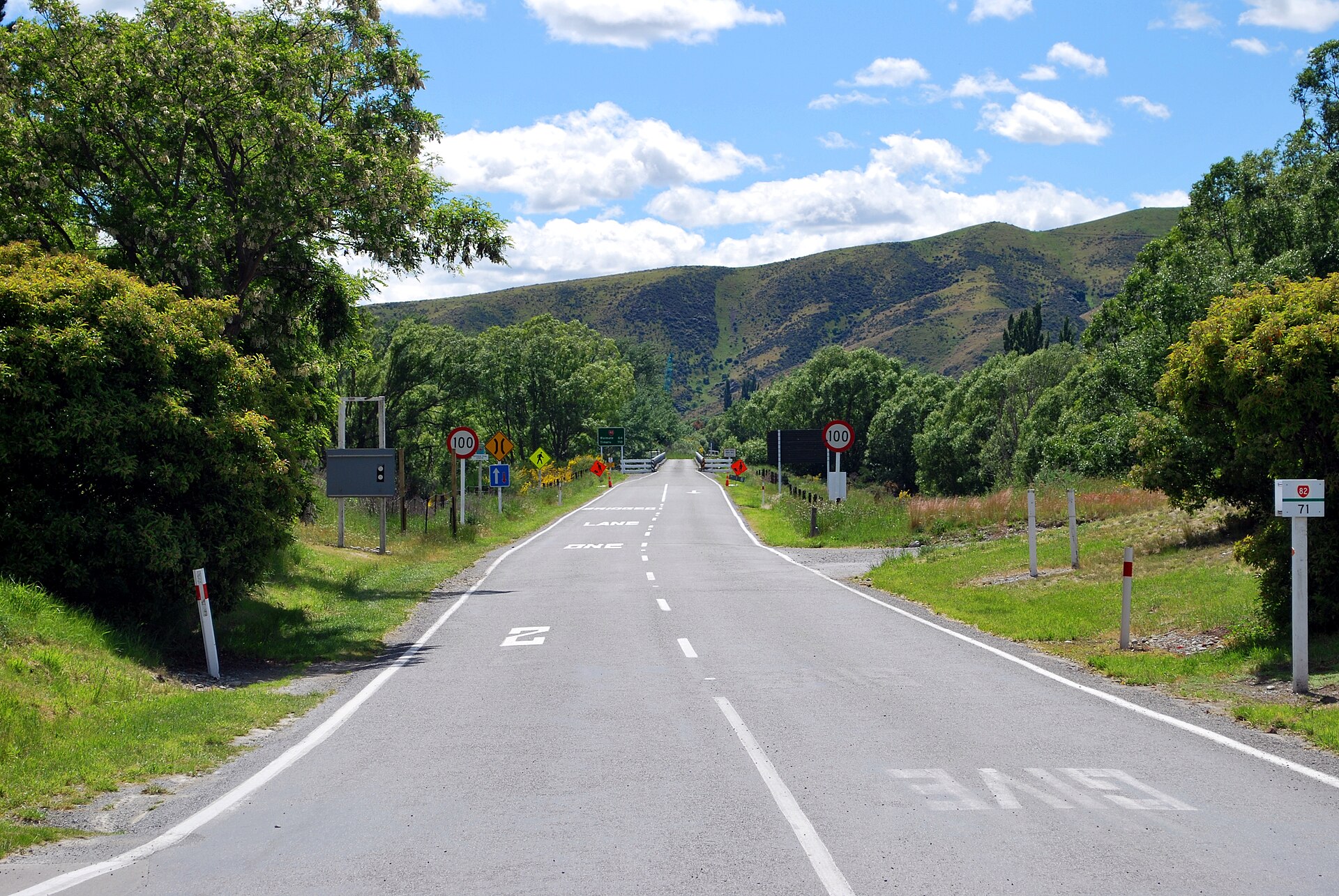
One-lane bridges are a normal part of rural New Zealand, especially on South Island scenic routes. The NZTA bridge rule explains the signs: a red arrow or red triangle shows the direction that must give way; a blue rectangular arrow indicates that the other direction should give way. Slow down far enough to see the bridge entrance, yield to a vehicle already crossing and never enter when the far side is blocked.
On a narrow road, use a signed passing bay rather than stopping on the live lane. A queue behind you is a prompt to pull over at a safe bay, not to brake suddenly on a bend. Chip seal, gravel shoulders, stock gates and slips can appear beyond a town sign. Rental contracts often exclude unsealed roads, beaches and river crossings, so check the contract before accepting a shortcut suggested by a local-looking track.

Tolls and payment
NZTA currently lists three toll roads, all on the North Island: Northern Gateway north of Auckland, Tauranga Eastern Link on SH2, and Takitimu Drive near Tauranga. Each has a signed free alternative. The current light-vehicle charges listed by NZTA are NZ$2.60, NZ$2.30 and NZ$2.10. Heavy vehicles have different rates, and a rental company’s administration charge is separate from the road toll.
The roads use plate recognition rather than a cash booth. Check the NZTA toll payment page before setting out, keep the plate number, and ask the rental company whether it pays, forwards the notice or adds a processing fee. Keep the payment receipt until the deposit and final rental statement are settled. A free alternative can be slower, so compare the toll with the fuel and time cost rather than assuming it is always the better choice.
Campervans, freedom camping and campsites
Freedom camping means staying on public land outside a formal campsite. The Department of Conservation (DOC) stresses that local bylaws and DOC restrictions decide where it is allowed. A sign can prohibit camping or limit a site to certified self-contained vehicles, even when another nearby site permits it.
The MBIE freedom-camping update says the transition for private vehicles runs to 7 June 2026. From that date, certification under the current requirements uses a green warrant and a fixed toilet; a portable toilet is not enough. Inspect a hire camper’s warrant card, certificate details, toilet, wastewater arrangement and waste-disposal plan before leaving the depot. A DOC campsite or commercial holiday park may accept non-self-contained vehicles when its facilities and booking rules allow it.
Never empty wastewater on the roadside, light a fire where it is prohibited or assume that a scenic pull-off is a legal overnight site. Keep a booked campsite for the first and last night of a remote route, and treat a freedom-camping location as conditional on the sign, bylaw and current closure notice.
Alpine routes, ferries and weather
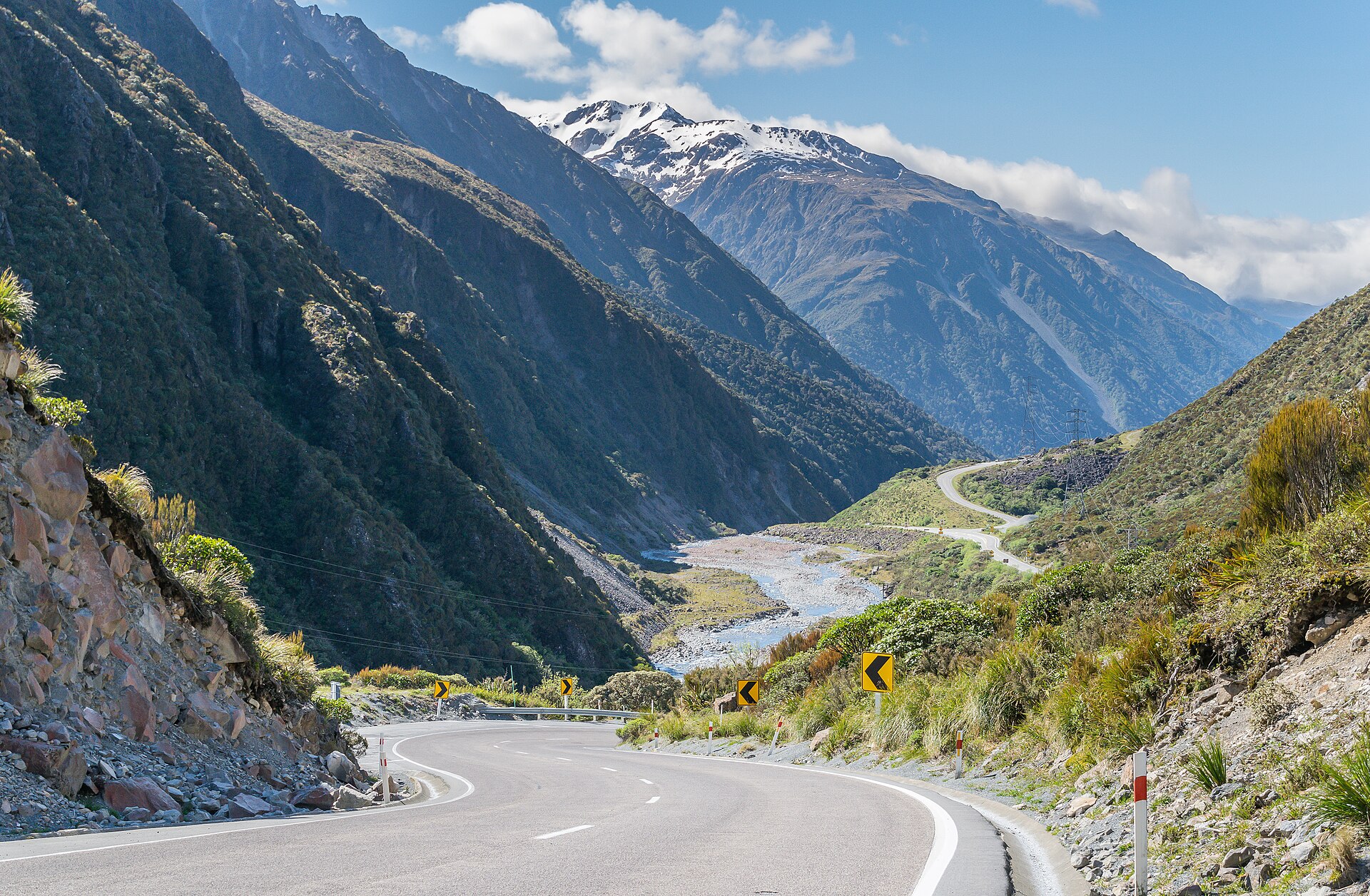
Arthur’s Pass (SH73), Crown Range Road, the Desert Road and Milford Road (SH94) are scenic routes with real operating constraints. Snow, ice, slips, wind and low cloud can change a pass within hours. The NZTA winter-driving advice says to check the forecast and road status, carry warm clothing, food and water, drive in daylight when possible and never use a closed road. If a rental branch supplies chains, learn how to fit them before reaching the pass; do not wait beside the traffic lane to work it out.
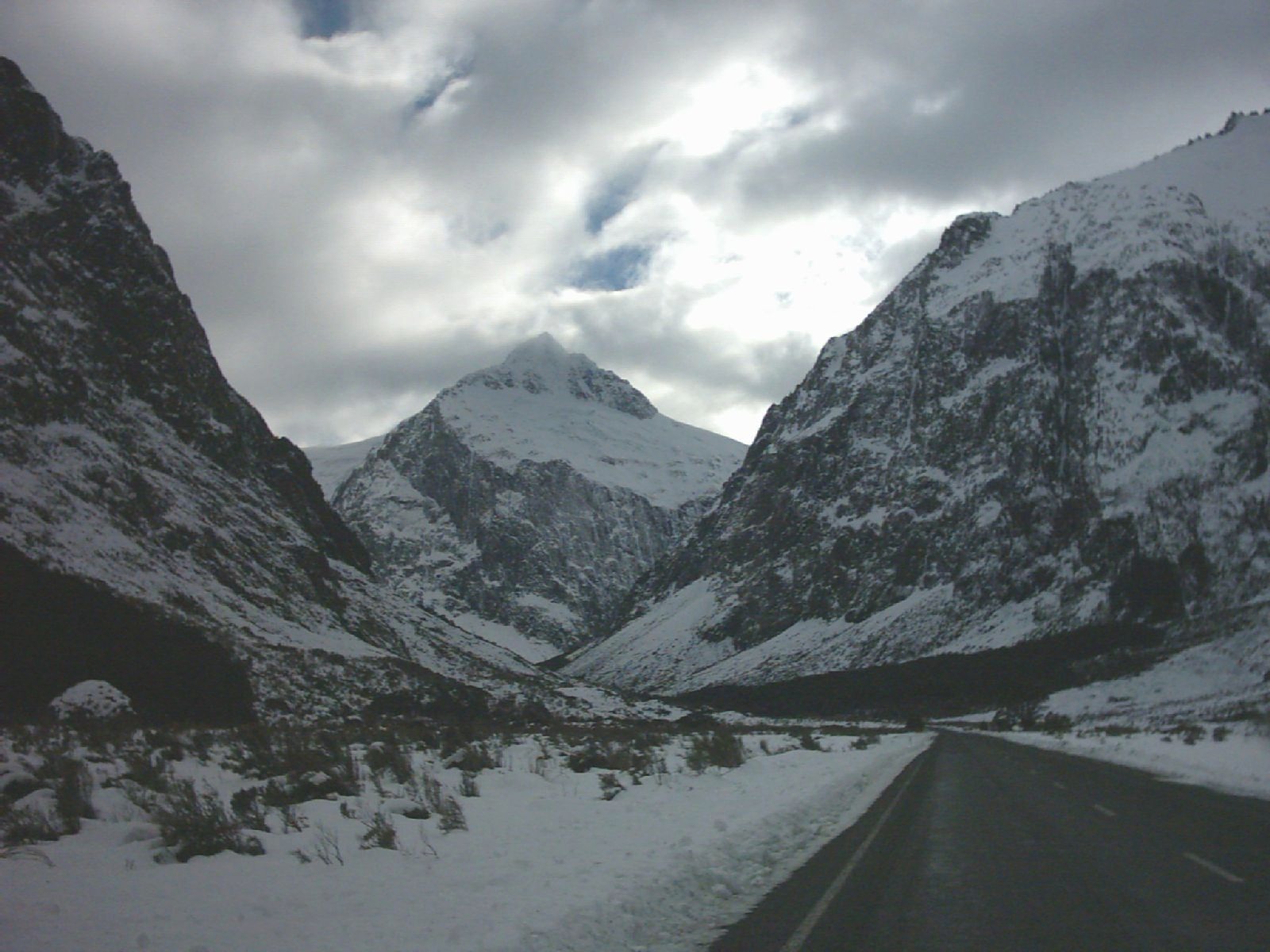

Milford Road is a long, winding day from Te Anau. Fill the tank in Te Anau, check NZTA Journey Planner and the DOC Milford corridor information, and leave a return margin if the road or tunnel is controlled. A clear departure forecast does not guarantee an open pass at the return time.
To cross between islands with a vehicle, reserve a sailing with Interislander or Bluebridge. Confirm the rental company’s ferry permission and one-way fee, arrive with the vehicle documents, and avoid booking a tight sailing after a long mountain stage. On arrival in Picton or Wellington, allow a separate buffer for unloading, fuel and the first urban junction.
Fuel, charging and parking
Petrol stations are frequent around cities but widely spaced on the West Coast, Central Otago, Northland and the road to Milford. Fill up before a long remote section rather than waiting for the warning light. Record the fuel type from the rental cap: common options are 91 and 95/98 octane petrol and diesel. EV chargers are expanding along main corridors, but a remote route can have one charger or none; check live availability and keep a second stop in reserve.
City parking signs decide time limits, paid hours, resident spaces and loading rules. In a campervan, check height barriers before entering a garage and use a formal campsite or dump station for waste. Never stop on a passing bay, a bridge approach or a scenic shoulder just for a photo; use a signed viewpoint or car park.
Emergencies and incidents
Call 111 and ask for Police, Fire or Ambulance when someone is injured, in danger, or a serious obstruction or crime is happening. The New Zealand Police emergency guidance says the call is free, including from a mobile without credit. For an urgent road incident that is not life-threatening, call *555 from a mobile. For a non-emergency police report, use 105 or its online reporting service.
After a collision, turn on hazard lights, move away from live traffic only if it is safe, call 111 when necessary, exchange details and photograph the road, signs, vehicles and damage. Follow the rental insurer’s instructions before agreeing to repairs. In a remote valley, tell the operator the road number, nearest kilometre marker, direction of travel and whether anyone is injured. Keep the rental assistance number and the ferry booking accessible offline.
Official resources and review date
This page was reviewed on 17 August 2026. Licence periods, toll charges, school limits, freedom-camping certification, ferry schedules, weather and road closures can change. Check the authority for the specific vehicle, route and travel date:
- NZTA: driving on New Zealand roads with an overseas licence
- NZTA: approved translators
- NZTA: speed limits
- NZTA: school and kura speed limits
- NZTA: one-lane bridges
- NZTA: toll roads and current charges
- NZTA: winter driving
- DOC: freedom camping
- MBIE: freedom-camping changes
- NZTA Journey Planner
- New Zealand Police: 111, *555 and 105
Related guides and destinations
Frequently Asked Questions
- Can I drive in New Zealand with an overseas licence?
- Usually, if it is current and valid for the vehicle you are driving. NZTA says an overseas car licence can be used for up to 18 months from your last arrival; motorcycle and truck licences remain subject to a 12-month limit. If the licence is not in English, carry an accurate English translation or an International Driving Permit with the original licence.
- Is an International Driving Permit mandatory for every visitor?
- No. It is one accepted English translation for a licence that is not in English. An IDP does not replace the original licence, and the issuing country must provide it before the trip. A rental company can still ask for additional documents.
- What are New Zealand's normal speed limits?
- The usual built-up-area default is 50 km/h and the open-road default for light vehicles is 100 km/h. Follow the sign when a route, work zone or school has a lower limit. Variable school limits are generally 30 km/h, with some rural sites set at 60 km/h or lower during the school period.
- Can I use a hands-free phone while driving?
- You cannot hold a phone or use it for texting while driving, including when stopped in traffic. A mounted phone may be used for a brief call in limited circumstances, but set navigation before moving and pull over safely for anything more involved.
- How do one-lane bridges work?
- Read the sign before the bridge. A red arrow or red triangle tells your direction to give way; a blue rectangular sign indicates that the other direction should give way. Slow down, check the bridge and do not rely on a generic left-side-driving assumption.
- How do New Zealand toll roads work?
- There are currently three toll roads, all in the North Island: Northern Gateway, Tauranga Eastern Link and Takitimu Drive. They are electronic and have a signed free alternative. Current light-vehicle tolls are NZ$2.60, NZ$2.30 and NZ$2.10 respectively; check NZTA before travel because prices and payment windows can change.
- Can I freedom camp anywhere in a campervan?
- No. Local bylaws and DOC restrictions decide where overnight freedom camping is allowed. In restricted areas the vehicle must be certified self-contained; from 7 June 2026 the current certification requires a green warrant and a fixed toilet. A DOC or commercial campsite follows its own booking and facility rules.
- Do I need snow chains for Milford Road or Arthur's Pass?
- There is no blanket chain rule for every day. Snow, ice, slips and closures can change quickly, and signs or the road operator can require chains or stop traffic. Check the NZTA Journey Planner, weather forecast and rental contract; never drive on a closed road.
- What should I check before taking a car on the inter-island ferry?
- Reserve a vehicle space with Interislander or Bluebridge, confirm the rental company's ferry and one-way permissions, and allow time for check-in. A ferry booking is a separate transport segment, so a delayed road stage can make the sailing unusable.
- Which number should I call after a crash or breakdown?
- Call 111 for an emergency, serious injury or immediate danger. Call *555 from a mobile for an urgent road incident that is not life-threatening, and use 105 for a non-emergency police report. For a breakdown, use the rental company's assistance number; call 111 if people are in danger.
Information Sources & Disclaimer
This guide compiles information from the official transport authorities, road operators, government travel information, and automobile associations linked for New Zealand.
While we strive to keep this information as accurate and up-to-date as possible (last reviewed: August 2026), traffic laws and toll rates can change without notice. We recommend verifying critical information with the local authorities or your car rental agency upon arrival.
Learn more about our Editorial Process →Compare Your Origin and Destination
Use the comparison tool to check driving side, units, documents, and other destination data for your route.