Build the trip around road class
Albania becomes easier to plan when the route is divided into city, national-road, motorway and mountain stages. Tirana and the airport corridor can be congested; the coast can be slow in summer; the north and southeast can change from a good paved road to a narrow, exposed climb. The useful question is not whether a route is short on the map. It is whether the rental car, weather window, daylight and stopping plan all fit that road.
The National Tourism Agency’s Albania map tells drivers to follow the road code, avoid night travel outside the main urban areas and expect fuel and repair services along main roads. Use that advice as the starting boundary for an itinerary. Keep Tirana as a separate city day, use the A1 when a northbound transfer needs predictable road geometry, and give Theth, SH20, Llogara and the southern interior their own weather buffer.
.jpg)
Foreign licence, 1968 IDP and the rental desk
The safest document set is the original domestic driving licence, passport, rental agreement and a 1968 International Driving Permit when the issuing authority, script or hire company makes it relevant. The DPSHTRR legislation page publishes Albania’s Road Code. The UK government travel advice says a 1968 IDP may be useful with a UK licence and that the older 1949 permit is no longer accepted for its travellers. A US licence holder should read the US State Department’s Albania guidance as well.
There is a practical difference between permission to drive and a rental branch’s collection checklist. Before paying the balance, send the branch a photo of the actual licence and ask it to confirm, in writing, whether it wants an IDP, certified translation, minimum licence history, extra driver documents or a particular payment card. Carry both documents if an IDP is issued. The permit translates key fields; it does not replace the licence, passport or rental contract.
The legal driving age and the rental age are separate decisions. Use 18 as the Road Code baseline for a category-B driver, then read the company’s age surcharge, vehicle-class and licence-history rules. At pickup, photograph the plate, VIN, wheels, glass, fuel level, warning lights and existing marks. Write down the excess, roadside number, tyre or glass exclusions, permitted countries and whether mountain tracks or unsealed access roads are excluded.
Right-side traffic, speed and everyday safety
Albania drives on the right. The Road Code PDF published through the Albanian road-transport authority sets the maximum ceilings at 40 km/h in built-up areas, 80 km/h on secondary or local interurban roads, 90 km/h on principal interurban roads and 110 km/h on motorways. A signed limit, temporary roadwork, police instruction or lower safe speed wins over the generic ceiling. Do not use the 90 km/h national-road figure in a tourism leaflet as permission to ignore a lower sign.
Seat belts are for every occupant. Keep the phone out of your hand, leave room for overtaking decisions and expect lane markings, signals, pedestrians and animals to be less predictable outside the main corridors. The State Police’s bad-weather notice specifically asks drivers to moderate speed, use belts, avoid mobile-phone use and abandon unsafe overtaking. The FCDO road-safety advice warns that rural roads can be poor, lighting may be absent and night travel outside urban areas carries extra risk.
Use a calmer routine at junctions: approach with a speed that lets you stop, read the physical sign and lane arrow, then enter only when the exit is clear. On a narrow road, the vehicle that reaches a passing place first may need to wait or reverse; do not turn a local courtesy decision into a contest. If a police officer stops you, carry your passport and licence, request a written ticket for any fine, and use the stated payment route rather than handing cash to an officer.
Tirana parking and the first city day
Tirana is a poor place to learn the car on arrival if the plan requires hotel loading, one-way streets and a central parking search at the same time. Leave the airport or rental branch with a simple first leg, confirm the hotel’s actual parking arrangement and use a marked paid space. The Tirana municipality parking service lists on-street hourly zones at 100 lek in Zone A, 40 lek in Zone B and 20 lek in Zone C, with payment through SMS 50500 and the Tirana Ime app. Check the sign at the bay because local restrictions, loading times and reserved spaces can change.
Take a screenshot of the payment confirmation, note the zone and photograph the car’s position. A hotel driveway, bus stop, pavement edge or unmarked verge is not automatically legal parking. For a central sightseeing day, compare a garage or an edge-of-centre car park with the time spent circling. Put the rental car away before walking the centre, and keep the vehicle free of visible luggage when parked overnight.
Tolls, fuel and route choices
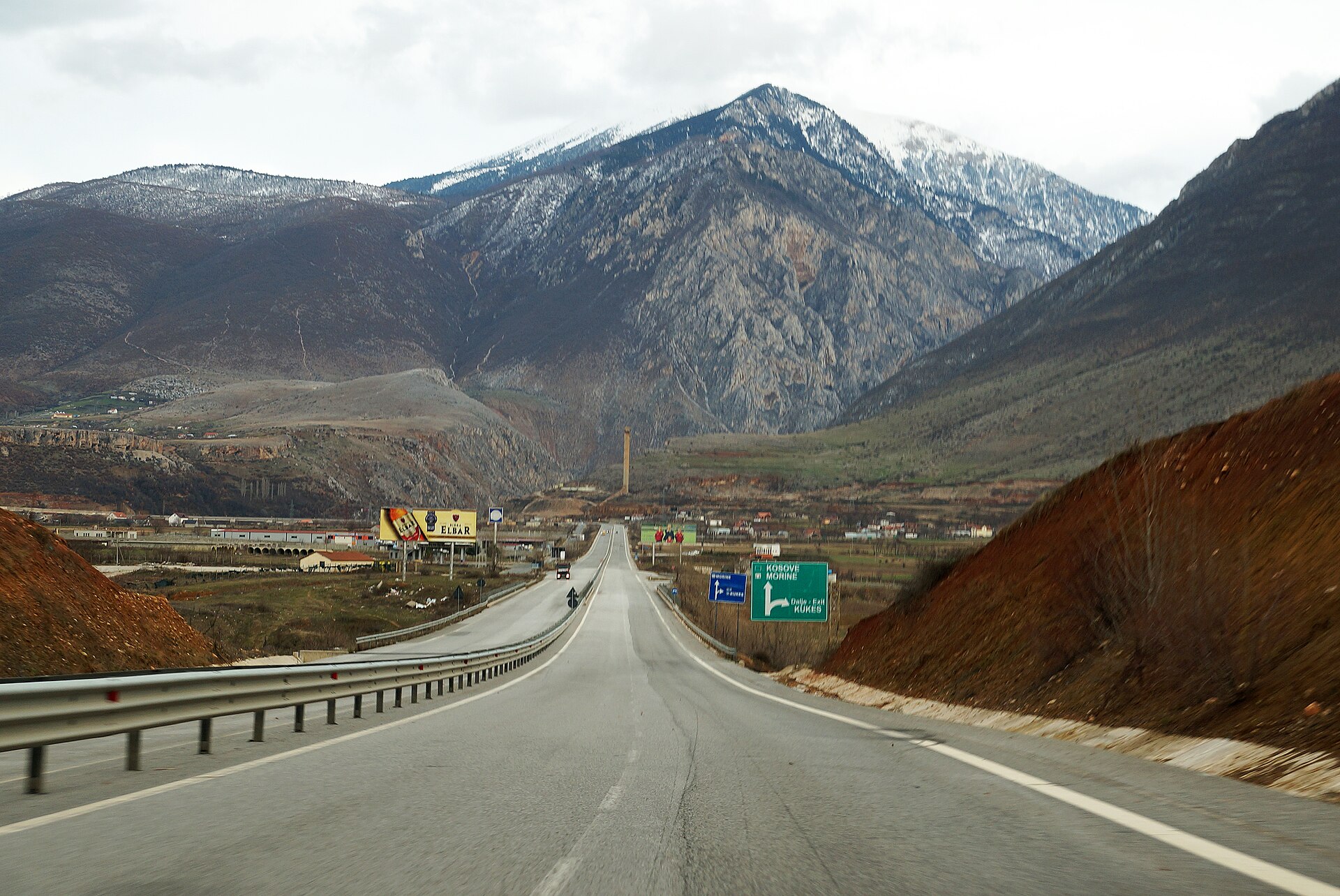
The A1 Rruga e Kombit is the main decision when travelling from the Tirana-Durres corridor toward Kukes and the Morine border. The Albanian Road Authority transport plan identifies the A1 as a toll highway. That makes the route useful for a time-sensitive northbound transfer, yet it creates a rental-billing question: ask whether payment is made at a booth, through a vehicle account or by a later plate charge. Keep the payment record with the rental paperwork.
The coast and inland alternatives need a different calculation. A slower road can be the better choice when the group wants stops, when the motorway stage would end too late for a mountain approach, or when a closure shifts traffic onto a local road. Do not schedule Tirana, a long southern transfer and a late Llogara crossing as one unbroken day. Split the stage around a town with fuel, food and a legal overnight stop.
The tourism agency says fuel stations are numerous in urban and rural areas and that main-road stations often have repair services. Still, refuel before leaving a main corridor for Theth, SH20, Llogara or the southeast. Confirm petrol versus diesel at pickup, keep the receipt for a full-to-full return and ask how an EV rental reports charge level. Albania’s fuel standards authority lists requirements for petrol and diesel products, but a standard does not tell you where the next open station is.
EV coverage is developing. The government’s National Energy and Climate Plan describes planned chargers in cities such as Durres, Vlore, Sarande, Korce and Elbasan and at selected border points. Treat that as infrastructure planning, not a promise that a charger works on the day. Before accepting an EV, open the E-Mobility Albania station map, confirm connector and payment details with the rental company, charge before the mountain leg and save a second option.
Theth, SH20 and Llogara: mountain decisions
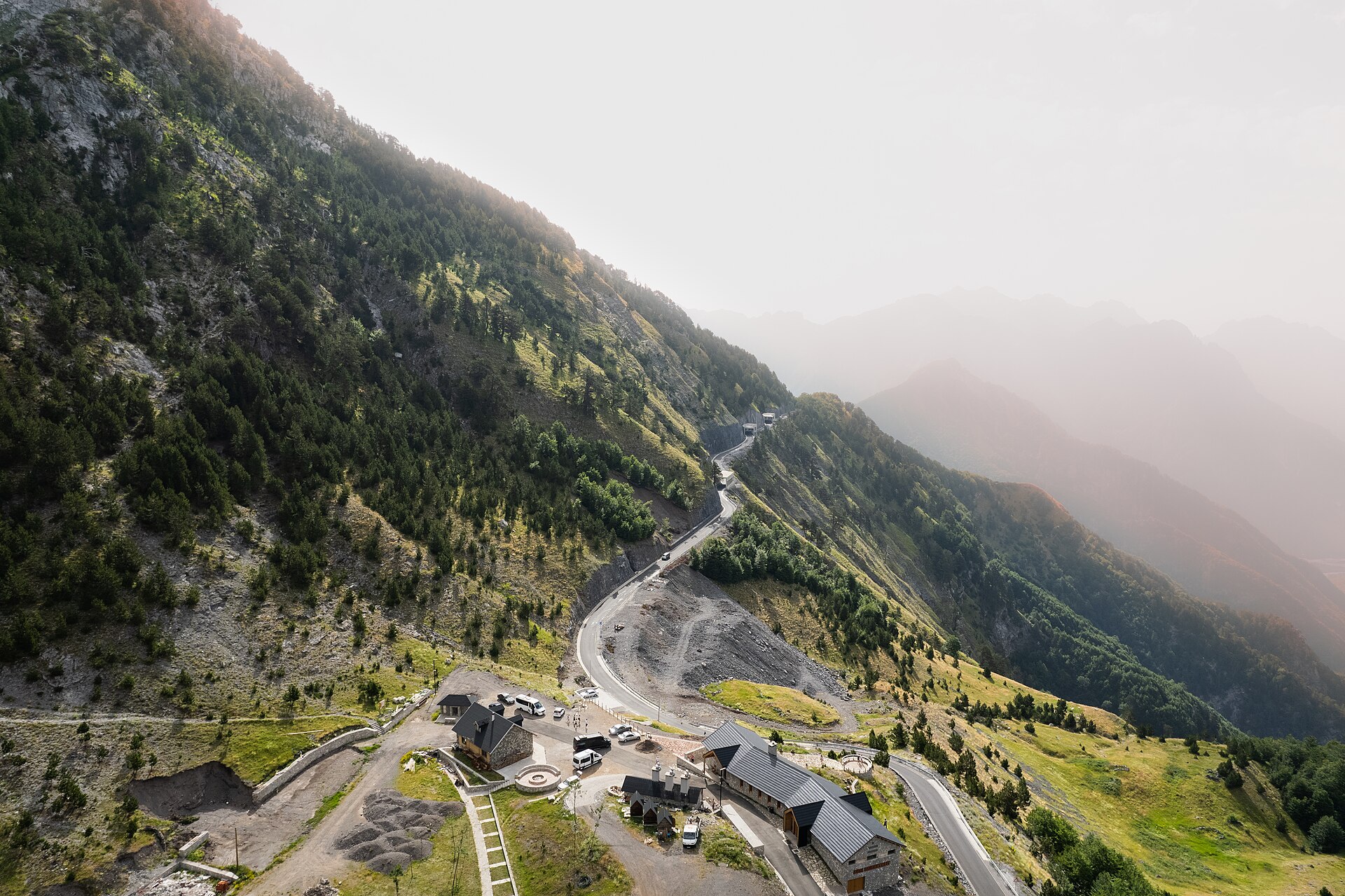

Theth is reached through a mountain approach with bends, exposure and limited recovery options. The ARRSH road-status notice has named the Bogë–Theth and northern Kukes-area roads in winter reports and says winter tyres are mandatory in mountain areas or where snow and ice are reported. That is a route decision, not a seasonal slogan. Check the latest ARRSH notice, forecast and daylight before leaving Shkoder; ask the rental branch whether the exact access road is covered; and turn around before the vehicle, visibility or road surface stops matching the plan.
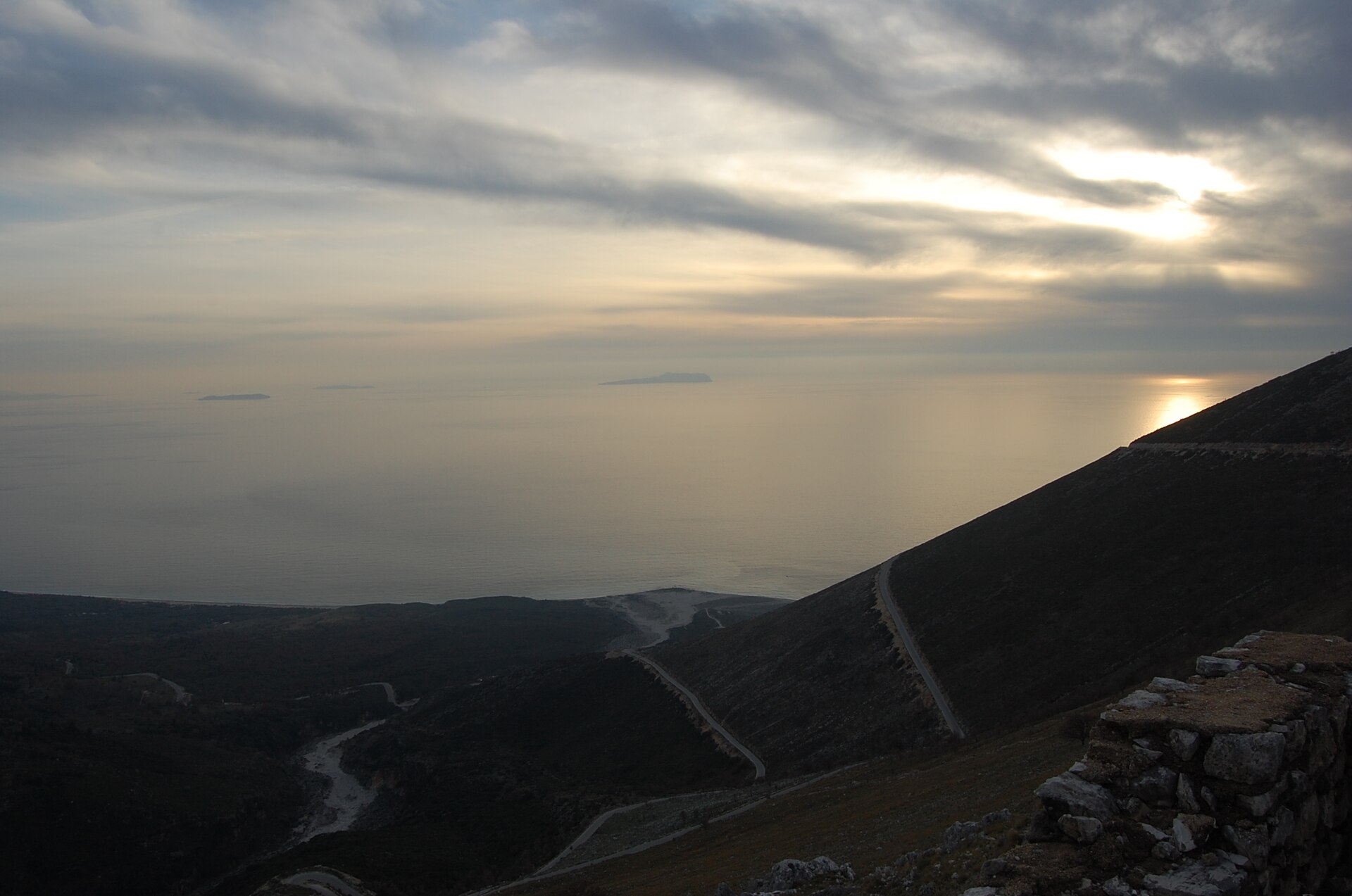
SH20 through Tamarë and toward Vermosh is a scenic border-side mountain corridor. Use a normal car only when the road is open, paved sections are suitable and the forecast gives a clear margin. Llogara connects the Vlore area with the Riviera and can combine tight bends, wind and limited stopping space. Keep the driver fresh, use lower gears on descents, never stop in a bend for a photograph and move a high-pass day earlier when rain, fog or snow is forecast.

Borders, insurance and the rental contract
Albania borders Montenegro, Kosovo, North Macedonia and Greece, but a map line is not rental permission. Tell the company every country and crossing you intend to use before pickup. Ask for written cross-border authorisation, the vehicle registration copy, insurance proof that names the countries, any green-card or border-insurance requirement, and the company’s return policy if a crossing closes. Keep the original documents in the car and a photo offline.
The same check applies to ferry transport, unsealed access roads and a second driver. A booking page saying “full insurance” does not automatically cover tyre damage, glass, towing, mountain tracks, late return or a prohibited country. Record the rental branch’s roadside number and incident procedure. If the vehicle cannot be authorised for a planned border loop, rent separate vehicles or keep the whole itinerary inside Albania.
Emergencies and a usable departure checklist
For an urgent accident, injury, fire or immediate danger, call 112. Albania’s National Civil Protection Agency says 112 operates 24/7 and connects police, fire and medical emergency services. The National Emergency Medical Centre lists 127 for medical assistance; the national tourism map also lists 128 for fire and 129 for police. Save all four numbers, although 112 is the simplest first call for a serious road incident.
After a collision, stop and stay at the scene unless remaining there creates immediate danger. Call the police, give the road number, direction, nearest town or coordinates, rental plate and number of people involved. Photograph the scene from a safe position, exchange details, follow the officer’s instructions and contact the rental company’s incident line. A breakdown on a mountain road needs the same information plus the last confirmed location; do not walk into a blind bend to find help.
Before the first kilometre:
- Carry the original licence, passport, 1968 IDP if relevant, rental agreement and insurance papers.
- Confirm the vehicle’s fuel type or EV connector, excess, tyre cover, permitted countries and mountain-road exclusions.
- Photograph the vehicle, plate, VIN, wheels, glass, fuel or charge level and every existing mark.
- Check the posted route, ARRSH road notices, weather and daylight before Theth, SH20, Llogara or a border crossing.
- Choose a fuel or charging stop before leaving the main corridor; keep a second option offline.
- Save 112, 127, 128, 129 and the rental roadside number, and keep the A1 toll record with the contract.
Official resources and review date
This page was reviewed on 17 August 2026. The rule summary uses the DPSHTRR legislation index, the Albanian Road Code, the National Tourism Agency map, UK travel advice, the 1968 IDP table and the US State Department country page. Route and weather checks use ARRSH road notices, the ARRSH transport plan and State Police warnings. Parking, fuel, EV and emergency references are Tirana Parking, Albanian fuel standards, the National Energy and Climate Plan, E-Mobility Albania, AKMC 112 and 127 emergency medical service. Road conditions, weather, toll processes, rental terms and border requirements can change; reopen the named authority pages before the actual stage.
Related destinations
Frequently Asked Questions
- Can I drive in Albania with my foreign driving licence?
- Short-term visitors may be able to drive with a valid foreign licence, but the issuing country, licence format and rental company matter. Carry the original licence, passport and a 1968 International Driving Permit when your licence is not readily readable in Latin characters or the rental desk requests one. An IDP is a translation and does not replace the domestic licence.
- Does Albania drive on the right?
- Yes. Traffic keeps to the right. At the first roundabout or busy junction, read the lane arrows and signs rather than copying the vehicle ahead. Keep extra space for pedestrians, motorcycles, vehicles stopping unexpectedly and road works.
- What are Albania's speed limits?
- The Road Code sets maximum ceilings of 40 km/h in built-up areas, 80 km/h on secondary or local interurban roads, 90 km/h on principal interurban roads and 110 km/h on motorways. Signs, temporary controls, traffic officers, rain, fog and mountain bends can require a lower speed.
- Are there toll roads in Albania?
- The A1 Rruga e Kombit corridor is a tolled motorway route toward Kukes and Morine. Ask the rental company how the assigned vehicle is billed, keep the receipt or payment record, and check the signed route before choosing it over a slower free road.
- Should I drive a rental car to Theth or across the border?
- Only after matching the route to the rental contract, weather and daylight. Theth, SH20 and Llogara are mountain decisions. Kosovo, Montenegro, North Macedonia and Greece require written permission and insurance confirmation from the rental company; border staff may ask for the vehicle papers and cover.
- Is an electric rental car practical in Albania?
- It can work on a short, urban or main-road itinerary if the rental provider confirms the connector and payment method. Charging coverage is developing, so save a live station map, charge before a mountain stage and keep a petrol or diesel alternative when the route reaches remote valleys.
- What should I do after a crash in Albania?
- Call 112 for a serious emergency, or use 129 for the State Police, 127 for medical assistance and 128 for fire services. Stay at the scene, make it safe without creating a second hazard, follow police instructions and call the rental company's incident number. Do not settle a rental-car claim privately before reporting it.
Information Sources & Disclaimer
This guide compiles information from the official transport authorities, road operators, government travel information, and automobile associations linked for Albania.
While we strive to keep this information as accurate and up-to-date as possible (last reviewed: August 2026), traffic laws and toll rates can change without notice. We recommend verifying critical information with the local authorities or your car rental agency upon arrival.
Learn more about our Editorial Process →Compare Your Origin and Destination
Use the comparison tool to check driving side, units, documents, and other destination data for your route.