Key takeaway
Luxembourg is small enough to tempt a driver into treating every journey as a short transfer. That is misleading: a city-centre parking decision, a wet motorway, a narrow Mullerthal lane and a cross-border rental clause are different driving problems. Keep the original licence with you, drive on the right, use 50/90/130 km/h as planning baselines, reduce the motorway limit to 110 km/h on a wet road, and check every sign at the point of use.
This page was reviewed on 18 August 2026. Rules, parking availability, fuel notices, weather warnings, charger status and rental conditions can change. The official pages linked in this guide are the controlling sources for the date of travel.
Before collecting the car
Foreign licence, IDP and the visitor boundary
The Luxembourg government guidance on international driving licences distinguishes recognition from translation and from an International Driving Permit. An IDP is a supporting document, not a standalone licence, and must travel with the national licence. EEA licence holders generally have a straightforward recognition position within the EEA. For a non-EEA licence, the document’s language, format, issuing country and the relevant convention can change the answer, so obtain an IDP or certified translation when the authority or rental operator requires it.
Do not apply the resident rule to a short holiday. The resident registration and exchange guidance is a separate branch for people who take normal residence in Luxembourg. A visitor’s practical question is whether the physical licence is valid and legible for the vehicle, police and rental desk during the stay. Keep the passport or identity document, original licence and any IDP together.
At collection, ask the operator to record the named driver, licence-holding period, permitted vehicle class, excess and roadside number. Confirm in writing whether the car may enter France, Belgium and Germany, whether ferries or unsealed roads are excluded, and how a collision, tyre problem or windscreen chip must be reported. Photograph the four corners, wheels, lights, glass, underside if visible, odometer and fuel or battery level before leaving.
How Luxembourg roads work
Right-hand traffic, road classes and speeds
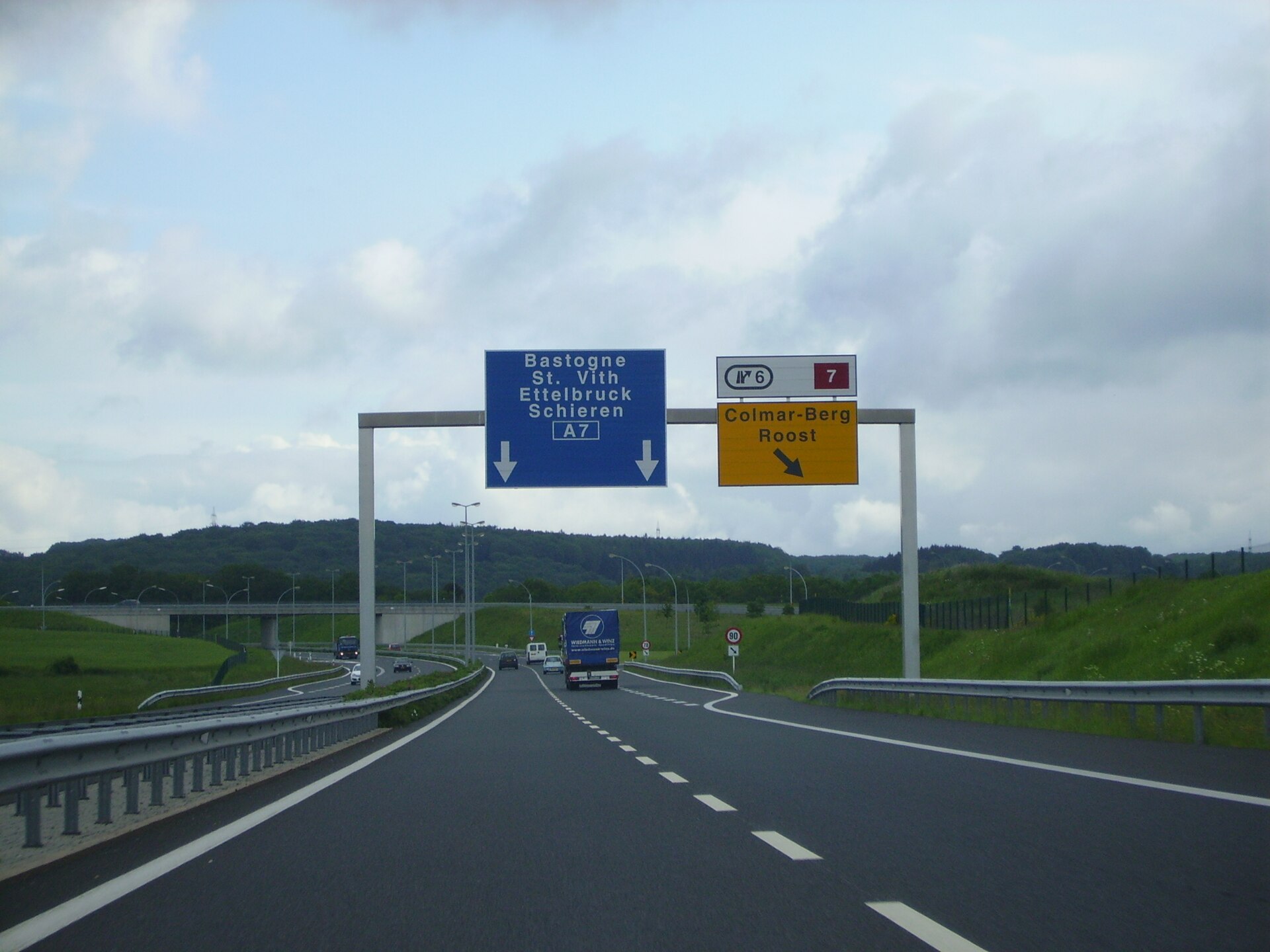
Luxembourg drives on the right. Where signs and markings do not set a different order, the official road-traffic guidance explains the priority-to-the-right rule. In a town, the key transition is often from a signed arterial to a 30 or 50 km/h street with cycle crossings and parked vehicles. At a roundabout, follow the markings and give way as signed; do not import a familiar rule from another country.
Use these baselines for planning, then obey the sign and the surface:
| Road setting | Baseline | Practical check |
|---|---|---|
| Built-up area | 50 km/h | Look for a lower town, school or traffic-calming limit. |
| Open road | 90 km/h | Bends, villages, cyclists and visibility can require much less. |
| Motorway, dry | 130 km/h | Traffic, junctions, works and variable signs override it. |
| Motorway, wet | 110 km/h | Standing water and spray may justify a further reduction. |
The Luxembourg Police speed guidance and the Code de la Route information maintained by the transport ministry are useful checks when a sign, rental briefing or route planner gives conflicting advice. Luxembourg’s motorways are comfortable, but the last kilometre into a village or car park can demand more attention than the motorway itself.

City parking and regional parking
For Luxembourg City, start with the official car parks and P+R page. Bouillon, Glacis, Adenauer, Knuedler and the other listed facilities have their own access, opening and payment details. P+R is usually a better arrival strategy than searching for a central kerb space, but read the current sign, height restriction and closing arrangement at the entrance. A full car park is a routing signal, not a reason to stop in a loading bay or resident space.
The city’s resident parking guidance is relevant to residents and illustrates why a public-street space can have a local permit condition. Visitors should follow the exact plate, zone, payment and time-limit signs. A hotel garage, private shopping-centre lot and municipal P+R do not automatically share one tariff or grace period.
Outside the capital, use marked lots in Echternach, Berdorf, Remich, Vianden and Clervaux and keep village lanes open for residents and emergency vehicles. On popular weekends, park once and walk rather than moving the car between every viewpoint. The official Éislek tour page names practical parking points at Vianden Larei, Clervaux Place du Marché and Wemperhardt Park Massen, but availability and local payment conditions remain live facts.
Tolls, cross-border driving and fuel
An ordinary private passenger car does not need a Luxembourg motorway vignette and does not pay a tunnel or motorway toll. The official road-traffic regulations summary separates that private-car position from the Eurovignette regime for lorries and trucks. If the booking is for a heavy commercial vehicle, check the government Eurovignette information and the registration classification before moving the vehicle.
Crossing a nearby border can be easy on the map and still be restricted by the contract. Ask for written permission for France, Belgium and Germany, confirm that the insurance and assistance number work there, and check any one-way, excess, ferry or after-hours return clause. A neighbouring country may impose its own motorway charge, vignette, low-emission-zone registration or city parking scheme. Use the internal France, Belgium and Germany pages as a starting point, then verify the official rule for the actual route.
Fuel prices are not a stable page fact. The Ministry of the Economy’s regulated-price notice is the place to check current maximum-price information. For a rural day, refill before leaving the city, keep the rental’s fuel-return rule visible and do not make a late station your only plan.
EV charging
The Chargy network covers public car parks, P+R sites, motorway areas and towns. The live site currently describes more than 760 public charging stations and 86 ultra-fast SuperChargy stations, but those counts and individual availability can change. Check connector, live status, access method, roaming and price before setting out. A rental company’s RFID badge, QR payment, provider account and card acceptance are separate questions; test the agreed method before the battery becomes low.
Keep a town-based backup for the Mullerthal and Éislek routes. Cold weather, cabin heating, climbing and a slow queue at a busy charger reduce range. Ask whether the car must be returned at a particular battery percentage and whether the operator reimburses or accepts public charging receipts.
Weather, winter tyres and live road information
Luxembourg’s winter-tyre rule is triggered by conditions: snow, packed snow or slush, black ice, ice or frost on the road. The transport ministry’s winter-tyre guidance explains the accepted winter markings and the requirement for the relevant wheels. It is not safe to turn this into a calendar-only promise. Check the rental vehicle before leaving, and avoid a forest detour if the car arrives with a tyre type that does not match the forecast.
For wind, heavy rain, flooding risk and poor visibility, read the current MeteoLux weather warnings. MeteoLux warns that strong wind can affect vehicle stability and that intense rain can make roads difficult or cause inundation. For motorway incidents, closures and traffic conditions, use the transport authority’s CITA traffic information. A sunny city departure is not evidence that a shaded northern valley or exposed bridge will have the same grip.
If something goes wrong
For injury, fire, immediate danger or a medical emergency, call 112. The government emergency-call guidance describes 112 as free and available around the clock from fixed or mobile phones. Call 113 for the police when police attendance is needed without a medical emergency. Give the road name or number, travel direction, nearest town, coordinates if available, vehicle registration and the number of people involved.
After a collision or breakdown, switch on hazards and put on a high-visibility vest before approaching the road. Use the warning triangle where required, keep passengers behind a barrier or well away from traffic and move the vehicle only when it is safe and the situation allows it. The Luxembourg Police accident guidance recommends documenting the scene and contacting 112 or 113 when people are injured. Then follow the rental company’s assistance and reporting procedure, even if the damage looks small.
Three routes with different driving demands
1. Luxembourg City, Junglinster, Echternach and Mullerthal
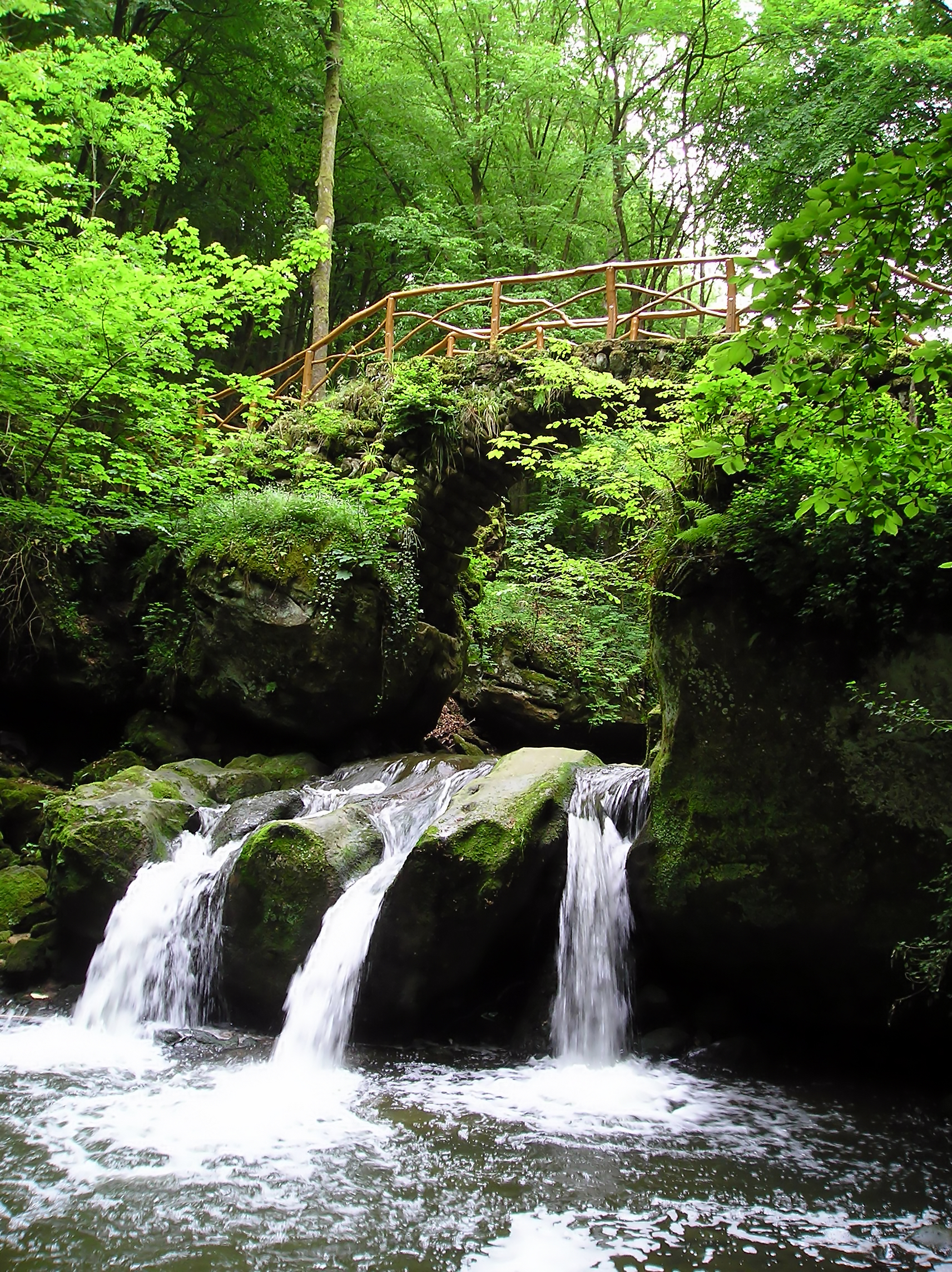
This eastern loop is for sandstone landscapes, forest roads and Echternach’s historic centre. The official Mullerthal region page describes the area around Echternach, Berdorf and the sandstone gorges. Start with the city’s P+R or an overnight garage, then use marked parking in Echternach or the trail villages. The Mullerthal Grand Tour is a useful regional reference, with an approximately 121 km route and medium difficulty, but a road-trip day should be built around walking stops and daylight rather than racing the loop.
Expect narrow approaches, cyclists, pedestrians, wet leaves and limited turning space near popular trailheads. Keep the EV or fuel margin high because a small viewpoint car park is not a guaranteed charging or refuelling stop. If rain is heavy, shorten the forest leg and keep the official warnings and route signs in view.

2. Luxembourg City, Mondorf-les-Bains, Remich and Grevenmacher
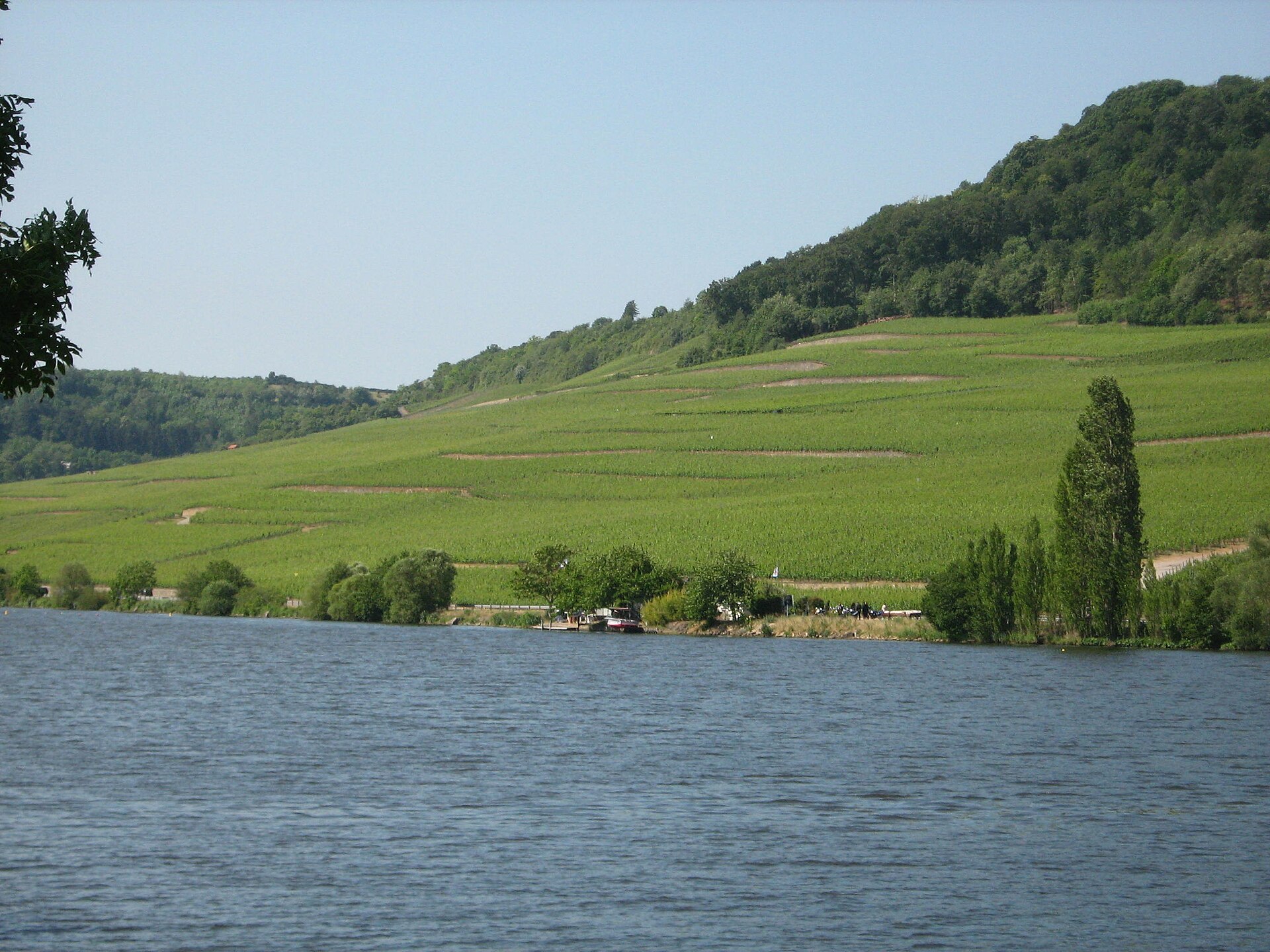
Follow the Moselle corridor for vineyards, river views and compact wine towns. The official Moselle tour listing describes an easy route of roughly 117 km, useful for a slower day with lunch and short walks. Remich and Grevenmacher are better treated as parking-and-walking stops: choose the signed municipal lot, check restrictions for the exact street and do not leave the car in a loading or riverside access area.
The route crosses an international river landscape, but the rental permission still matters if the itinerary briefly uses the German side or continues into France. Check border terms before collection, and verify any wine-tasting plan against the driver’s alcohol limit. On hot weekends, cyclists and pedestrians share the narrow town approaches, so retain a time buffer instead of scheduling a precise arrival at every cellar.

3. Luxembourg City, Ettelbruck, Bourscheid, Vianden and Clervaux
Choose the northern Éislek route for hills, castles and a more demanding day behind the wheel. The official Éislek tour is listed at about 256 km and difficult; it links the Vianden, Clervaux and Wemperhardt area, provides a GPX route and warns that not every section is signposted. Treat it as a two-day idea in poor weather, with an overnight stop around Vianden or Clervaux, rather than a checklist to finish before dark.
The road pattern changes repeatedly: motorway or divided road near the capital, two-lane climbs, village approaches and castle parking. Set the route before leaving, save the official GPX or map offline, and confirm that the chosen car park can accept the vehicle height. Rain, frost and low cloud should move this route behind the eastern or Moselle option in the schedule.
Departure checklist
- Carry the physical national driving licence, passport or identity document and any required IDP or certified translation.
- Photograph the rental car, tyre markings, glass, wheels, fuel or battery level, odometer and existing damage.
- Get written cross-border permission for every country on the itinerary, including insurance and assistance coverage.
- Save the City of Luxembourg parking/P+R page, the route car parks and the rental company’s emergency number.
- Confirm 50/90/130 km/h planning limits, the 110 km/h wet-motorway limit and the signs at the actual road.
- Check winter-tyre markings against the forecast, then read MeteoLux and CITA before a long leg.
- For an EV, confirm connector, payment, live status, return battery percentage and a town-based backup.
- Refill or charge before the northern or Mullerthal detour, and keep the fuel or charging receipt if the contract asks for it.
- Store 112 and 113, the road direction, nearest town and coordinates where the driver can reach them without searching.
Official sources and review boundary
Reviewed 18 August 2026. The rule-sensitive references for this page are Luxembourg road-traffic regulations, government driving-licence guidance, winter-tyre guidance, City of Luxembourg car parks and P+R, MeteoLux warnings, CITA traffic information, Chargy, 112 emergency calls, Police accident guidance and the official Grand Tour route pages. Recheck live conditions immediately before driving.
Related planning tools and pages
Use the IDP Checker, parking cost and restriction planner, route weather and closure planner, EV road-trip planner, toll and vignette planner and roadside incident recovery planner alongside the official sources. For cross-border legs, compare the internal France, Belgium and Germany destination pages before signing the rental agreement.
Frequently Asked Questions
- Can I drive in Luxembourg with a foreign driving licence?
- A temporary visitor can usually drive with a valid licence that covers the vehicle category and can be read by the authorities and rental company. EEA licences are generally recognised within the EEA. A licence from outside the EEA may need an IDP or certified translation depending on its format, issuing country and the rental contract, so carry the original licence and confirm the branch before collection.
- Is an International Driving Permit required for every visitor to Luxembourg?
- No blanket rule makes an IDP necessary for every visitor. It supplements the national licence and is valid only with it. If the licence is not in a readable format or the rental operator requests an IDP for its insurance process, arrange one before travel; an IDP cannot replace the original licence.
- What is the minimum age for driving or renting a car in Luxembourg?
- The standard category-B driving age is 18, but rental companies commonly set a higher minimum age, add a young-driver fee or restrict vehicle classes. Check the named driver, licence-holding period, payment card and excess terms in the actual booking rather than relying on the legal minimum.
- Which side of the road does Luxembourg use?
- Luxembourg drives on the right and generally gives priority to traffic from the right where signs and markings do not set another order. Roundabouts, cycle crossings and town entries deserve a slower approach, especially when a route crosses from a motorway into a village street.
- What are the main speed limits in Luxembourg?
- The planning baselines are 50 km/h in built-up areas, 90 km/h on open roads and 130 km/h on motorways in dry conditions. A lower signed limit, work zone, visibility problem or local restriction overrides the baseline.
- What speed applies on a wet Luxembourg motorway?
- The motorway limit is 110 km/h when the road is wet, compared with 130 km/h in dry conditions. Spray, standing water, traffic density and the variable sign still call for a lower speed and more following distance.
- When are winter tyres required in Luxembourg?
- Winter or all-season tyres with the accepted winter marking are required when road or weather conditions involve snow, slush, black ice or frost. The rule is condition-based rather than a simple calendar rule and applies to all relevant wheels. Confirm the rental car's tyre markings before leaving.
- Does a private car need a Luxembourg motorway vignette or toll?
- Private passenger cars do not pay a Luxembourg motorway or tunnel toll and do not need a general road vignette. Heavy goods vehicles are handled under a separate Eurovignette regime, so vehicle classification matters for vans, campers and commercial vehicles.
- Do heavy vehicles need an Eurovignette in Luxembourg?
- The Eurovignette regime concerns goods vehicles of at least 12 tonnes using the relevant Luxembourg road network. A normal passenger rental is outside that branch, but a heavy commercial or specially classified vehicle must be checked with the operator before departure.
- How should I park in Luxembourg City?
- Use the City of Luxembourg's signed car parks and P+R facilities rather than trying to circle the centre for a kerb space. Locations such as Bouillon, Glacis, Adenauer and Knuedler have different access, opening and payment details. Read the sign at the entrance and check the official car-park page on the day.
- Is parking in the countryside the same as parking in Luxembourg City?
- No. Regional towns, viewpoints and villages use their own signed municipal lots, resident areas and time limits. Vianden, Clervaux and the Mullerthal villages can fill quickly on weekends. Park only in marked spaces, keep access lanes clear and follow the local sign instead of assuming a city P+R rule applies.
- Can I charge an electric rental car in Luxembourg?
- Yes, Luxembourg has the public Chargy network, including standard and ultra-fast stations at public car parks, P+R sites and motorway areas. Check the live map, connector, access method and current price before each leg. Confirm whether the rental company accepts RFID, QR or card payment and how the battery must be returned.
- Where should I refuel on a Luxembourg road trip?
- Fuel prices and official maximum-price notices can change, so use the Ministry of the Economy's current notice rather than a saved price. Refill before a long northern or eastern detour, keep the tank policy in the rental contract in view and do not assume a small village has a late-opening station.
- Can I take a Luxembourg rental car into France, Belgium or Germany?
- Only when the rental company authorises each country in writing and the insurance, roadside assistance, one-way and return terms cover the trip. Easy border crossings do not override the contract. Check the destination country's toll, vignette, low-emission-zone and parking rules before crossing.
- Should I call 112 or 113 after a Luxembourg crash?
- Call 112 for injury, fire, immediate danger or a medical emergency. Call 113 for the police when police attendance is needed without a medical emergency. Give the road, direction, nearest place or coordinates and follow the operator's instructions; also notify the rental assistance line.
- What should I do after a breakdown or collision in Luxembourg?
- If it is safe, switch on hazard lights, put on a high-visibility vest, place the warning triangle as required and move people away from traffic. Photograph the scene and vehicle before moving anything when safe. Call emergency services for danger or injury, then follow the rental company's accident and recovery process.
- Which Luxembourg self-drive route is best for a first visit?
- Choose the eastern Mullerthal loop for sandstone forests and Echternach, the Moselle route for vineyards and river towns, or the northern Éislek route for hills, castles and longer driving days. Weather, parking capacity and road works should decide the final order, not a fixed kilometre target.
Information Sources & Disclaimer
This guide compiles information from the official transport authorities, road operators, government travel information, and automobile associations linked for Luxembourg.
While we strive to keep this information as accurate and up-to-date as possible (last reviewed: August 2026), traffic laws and toll rates can change without notice. We recommend verifying critical information with the local authorities or your car rental agency upon arrival.
Learn more about our Editorial Process →Compare Your Origin and Destination
Use the comparison tool to check driving side, units, documents, and other destination data for your route.