Decide where the car is actually useful
Malta is compact, but a short map distance does not always mean a quick drive. The main island combines dense built-up areas, busy junctions, village streets and coastal roads with limited space for stopping. Valletta, the Three Cities and the central harbour area are usually easier on foot or by bus once the car is parked. A rental becomes more useful for beaches, archaeological sites, the west coast and a day on Gozo.
The official government transport overview notes that Malta has no major motorways. Treat the trip as an urban-and-rural road plan rather than a fast motorway tour. Put the car days around the places where you need flexibility, reserve accommodation parking where possible, and avoid crossing the island several times on the same day. Our parking abroad checklist is useful for checking signs, payment proof and vehicle-return evidence.
Licence, IDP and rental documents
Transport Malta recognises valid EU licences in Malta. Its current driving-licence guidance also says that a person holding a licence issued outside Malta and the EU may drive for no more than twelve months from the date of the last entry into Malta. That statement is a rule about the licence holder’s ability to drive; it is not a promise that every rental counter will accept every card or language format.
Before paying a deposit, send the rental company a scan of the exact domestic licence and ask, in writing, whether it needs an IDP, an official translation, a passport, proof of entry or an additional age document. Carry the original licence, passport and any document the company confirms. Do not describe an IDP as a substitute for a licence: Transport Malta explicitly distinguishes the two.
The legal minimum age to drive is 18, but rental companies can set a higher minimum, a young-driver fee or a vehicle-class restriction. Check the contract for additional drivers, excess, windscreen and tyre cover, ferry permission, fuel policy, one-way return charges and the procedure for damage reports. Photograph the car, wheels, glass, fuel level and dashboard warnings before leaving the branch.
Rules that shape the first few kilometres
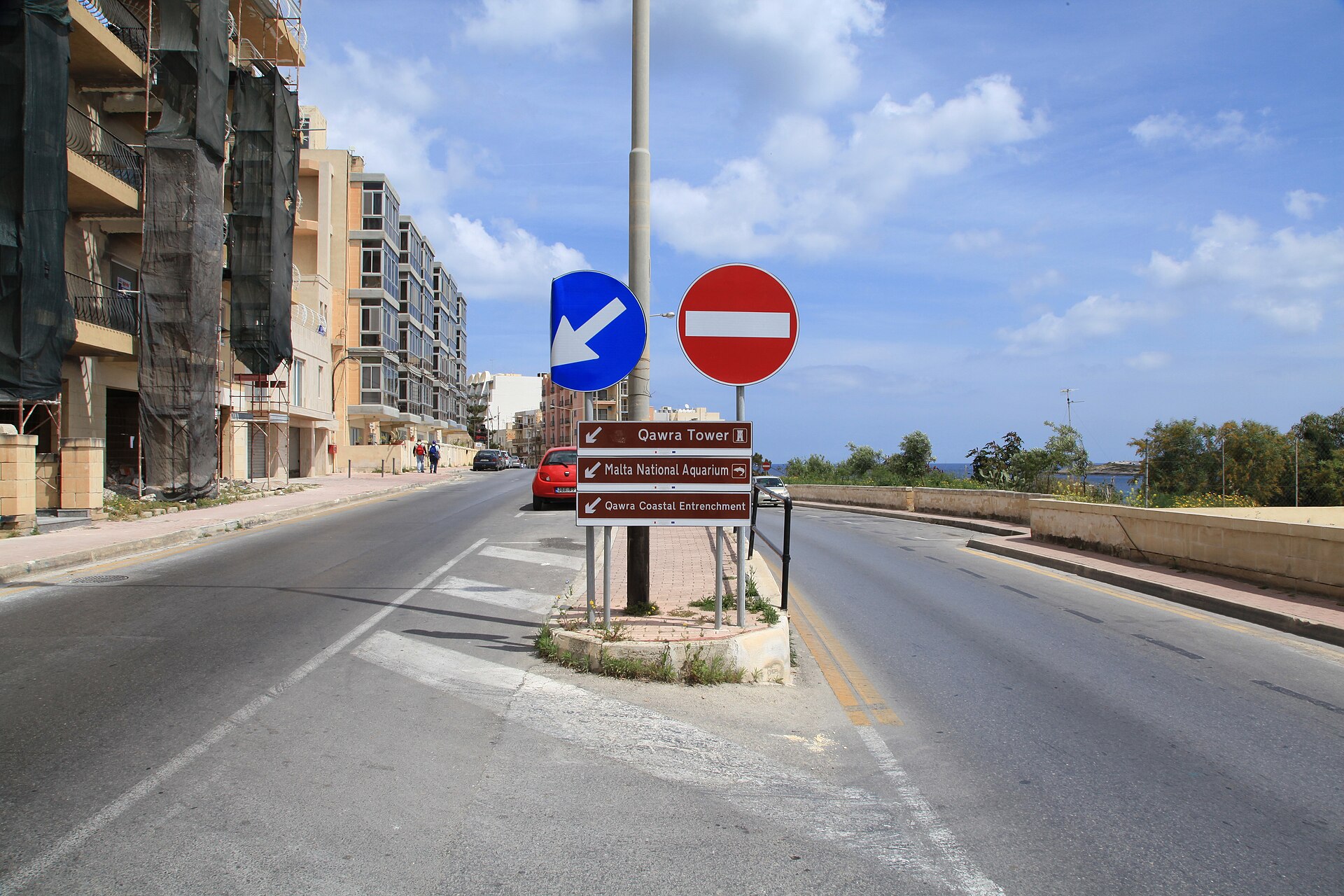
Malta drives on the left. Keep the first section of the route simple, especially after a flight or when collecting a manual car. At a junction, read the lane arrows and priority signs rather than assuming that the road that looks widest has priority. At roundabouts, enter the lane indicated by signs and markings, signal early and yield as directed by the approach controls.
The Malta Road Code lists these maximum speeds for self-drive vehicles: 50 km/h in towns and villages and 80 km/h outside towns and villages. A 30 km/h limit applies in some built-up areas, and a local or temporary sign may be lower. The safe speed can be lower again on a narrow street, in heavy rain, near pedestrians or where the view is blocked by parked vehicles and rubble walls.
Seat belts are compulsory for people travelling in the car, subject to the stated legal exemptions. Transport Malta’s child-seat guidance distinguishes children under three from children aged three to twelve and sets restraint requirements by weight and seating position. Reserve a suitable child seat and check its installation at pickup rather than assuming the branch will have the correct size available.
Do not handle a phone while driving, and do not drink before driving. Keep headlights and windows usable when visibility drops. The Road Code’s adverse-weather guidance warns that wet roads lengthen stopping distances and that strong crosswinds can move a car, particularly on open stretches or near larger vehicles.

Valletta, parking and the CVA charge
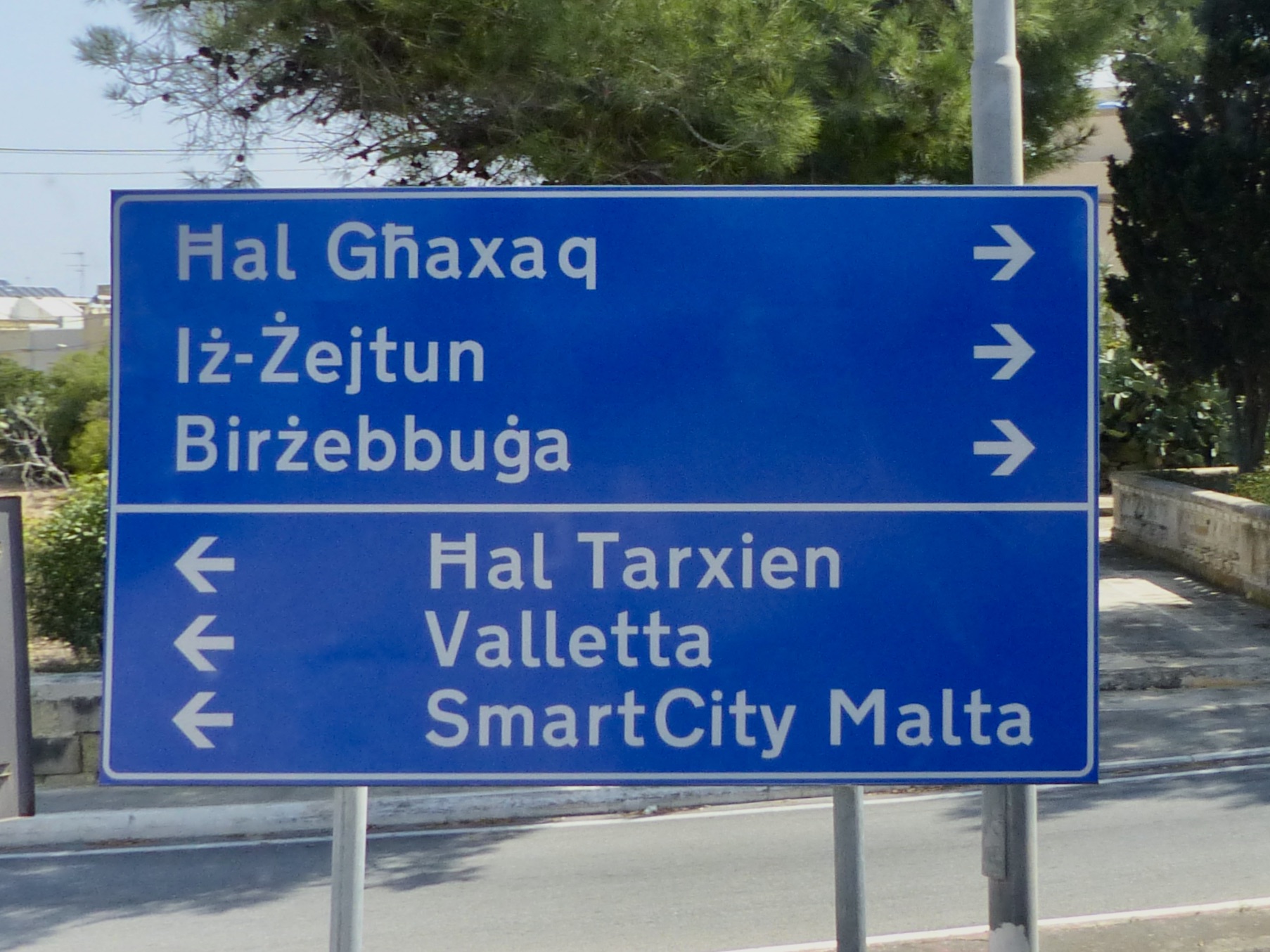
Do not make the historic centre of Valletta your first practice area. Traffic-management changes, one-way streets, pedestrians, loading activity and limited parking can turn a short visit into a stressful loop. Transport Malta recommends Park and Ride sites, and its vehicle guidance confirms that a fee applies to entering Valletta.
The Controlled Vehicular Access (CVA) system uses cameras to record entry and exit and calculates the fee from the time the vehicle remains inside the boundary. The current tariff page lists a free first 30 minutes, a charge for longer access during the weekday charging window, a maximum access-and-parking charge of €6.52, and no CVA fee after 14:00 on weekdays or on Saturdays. These conditions can change, so check the official CVA tariff before driving into the zone. A rental vehicle can generate a notice for the registered owner, so ask the company how it forwards CVA bills and administration charges.
Outside Valletta, read the exact bay sign. A car park attendant’s request for a gratuity is not the same as a ticket, and an unmarked shoulder is not a safe substitute for a permitted space. Save a photo of the sign, payment screen and the parked position when the rules are unclear. For an accessible bay or a controlled parking restriction, use the authority’s local markings rather than relying on an app’s parking layer.
Gozo, roads and the vehicle ferry
Gozo is a useful car destination because the rural landscape and smaller villages are spread across the island. Its roads can be narrow, winding or bounded by low stone walls. A bend that looks open on a map can still require a slower approach, and a passing place may be the only sensible place to let an oncoming vehicle through. Keep the car moving smoothly, do not stop on a blind bend for photographs, and allow more time than the island’s size suggests.
Gozo Channel’s current FAQ says ordinary vehicle boarding is first come, first served rather than reservation-based. Drivers queue at the vehicle marshalling areas at Ċirkewwa on Malta and Mġarr on Gozo, then follow the officers’ instructions. Tickets can be bought at the terminals, and the online process has separate conditions for standard vehicles up to 5.3 metres. Check the Gozo Channel FAQ for the current ticket, validity and vehicle rules before driving to the port.

Fuel, charging and the rental handover
Confirm the fuel type, return level and payment process on the rental agreement before the first refill. Keep the receipt when the contract requires a full-to-full return. Small local roads and summer traffic can make a final fuel stop take longer than expected, so do not leave it until the airport approach.
If you rent an EV, ask the provider for the connector, charging-app and payment details before accepting the car. Verify the stations for each island and keep a backup stop; a hotel or attraction may have a charger that is available only to guests or only during staffed hours. The same principle applies to parking: confirm whether an EV bay is actually available to visitors and whether a separate payment or time limit applies.
At pickup, check tyre condition, windscreen chips, mirrors, lights, air-conditioning, warning lamps and the emergency number. Ask whether the car may go on the Gozo ferry and whether any road surface, gravel access or beach approach is excluded by the contract. Save the branch’s out-of-hours number offline.
Rain, wind and route timing
Malta has a Mediterranean climate with hot, dry summers and mild winters, but rain is concentrated in the cooler season and strong winds can affect exposed roads and ferry operations. The Government’s Malta overview describes the broad climate, while the Road Code gives the driving response: slow down on wet roads, increase following distance, clear the windscreen and expect crosswinds on open sections.
Check the official weather warning before a coastal or Gozo day. If wind, rain or a ferry disruption changes the plan, move the flexible visit rather than forcing the same route. In summer, schedule the most exposed walking and coastal stops outside the hottest part of the day, keep water in the car and never leave a child or animal inside a parked vehicle.

Accidents, breakdowns and road hazards
| Service | Number | Use it for |
|---|---|---|
| Emergency services | 112 | Injury, fire, immediate danger or a serious collision |
| Local wardens | 21320202 | Verification and assistance for other non-injury accidents |
| Police | 21224001 | Police contact when the situation is not an immediate 112 emergency |
| Rental company | Contract number | Vehicle recovery, damage reporting and replacement instructions |
After a collision, stop, switch on the hazard lights and move only if it is safe. Call 112 when somebody is injured or the scene is dangerous. For a minor bumper-to-bumper incident with no injuries, follow the Transport Malta/Malta Insurance Association form process; do not agree to a cash settlement that leaves the rental company uninformed. Photograph the road position, signs, vehicles, damage and other driver’s details, and ask the rental provider what evidence it needs.
Departure checklist
- Original driving licence, passport and the IDP or translation confirmed by the rental company.
- Rental contract, excess and damage-report procedure, emergency number and vehicle photos.
- Left-side driving practice, local speed signs, Valletta CVA plan and permitted parking.
- Gozo Channel boarding conditions, ferry queue time and the vehicle’s ferry permission.
- Fuel or EV charging plan, weather warning, water and a route that does not depend on a blind shortcut.
- 112 saved in the phone; keep the rental company’s recovery number offline.
Official sources and review date
This page was reviewed on 17 August 2026. The links below support the licence, speed, parking, ferry, safety and emergency claims above:
- Transport Malta: driving licence and general information
- Transport Malta: current Road Code
- Transport Malta: vehicle and CVA information
- Transport Malta: child car seats
- CVA: official tariffs
- Gozo Channel: vehicle and ticket FAQ
- Malta Police Force: emergency services 112
- Government of Malta: the Maltese Islands and climate
Related destinations
Frequently Asked Questions
- Do I need an International Driving Permit to drive in Malta?
- Transport Malta says a holder of a licence issued outside Malta and the EU may drive in Malta for up to twelve months from the date of the last entry. An IDP is not a driving licence, and a rental company can still require an IDP, translation or a particular document format at the counter. Send the company a scan of the actual licence before booking and carry the original licence and passport.
- Which side of the road does Malta drive on?
- Malta drives on the left. The steering position of a rental car can vary, so practise the first turns slowly and pay particular attention when leaving a roundabout, car park or ferry ramp.
- What are Malta's speed limits?
- The current Malta Road Code lists 50 km/h in towns and villages and 80 km/h outside them for self-drive motor vehicles. Some built-up areas have a 30 km/h limit, and a local sign or a temporary traffic measure takes priority.
- Do I need a car in Valletta?
- Usually not for the historic centre. Valletta uses a Controlled Vehicular Access system that calculates a time-based access and parking charge, and parking is limited. Use a permitted car park or Park and Ride, then walk or use public transport for the centre.
- How do I take a rental car to Gozo?
- Gozo Channel carries vehicles between Ċirkewwa and Mġarr. It does not operate reservations for ordinary boarding: queue in the vehicle marshalling area and follow staff instructions. Check the current ticket and vehicle-length conditions before departure.
- What should I do after a traffic accident in Malta?
- Call 112 for an injury or immediate danger. For a minor bumper-to-bumper collision with no injuries, Transport Malta directs drivers to the agreed accident form; other non-injury accidents should be verified with the local wardens on 21320202. Then notify the rental company and keep photos and the report reference.
Information Sources & Disclaimer
This guide compiles information from the official transport authorities, road operators, government travel information, and automobile associations linked for Malta.
While we strive to keep this information as accurate and up-to-date as possible (last reviewed: August 2026), traffic laws and toll rates can change without notice. We recommend verifying critical information with the local authorities or your car rental agency upon arrival.
Learn more about our Editorial Process →Compare Your Origin and Destination
Use the comparison tool to check driving side, units, documents, and other destination data for your route.