Overview
The United States is a collection of state road systems rather than one national driving code. A week in a compact city can work without a car; a trip through national parks, the Southwest or the Pacific coast usually needs one. Distances are measured in miles, fuel is sold by the gallon and a route that looks short on a map can cross several weather zones.
The car stays on the right. Before you book, decide which states and federal parks you will actually enter. That list determines the licence documents, toll equipment, insurance questions and reservations to check. The USAGov guide for non-citizen drivers is a useful starting point, but the state DMV and the road operator control the details for your route.
Licence, IDP and documents
- Bring the original licence issued by your home country, your passport, the rental agreement and the vehicle registration or insurance card supplied by the rental company.
- An IDP is not a single nationwide requirement. USAGov says some states require one in addition to the home licence, and a rental company may set a stricter document policy. Obtain it from the authority in the country that issued your licence before leaving; the United States does not issue an IDP to foreign visitors. The International Driving Permit guide explains what the document does and does not do.
- A non-Latin licence may be difficult for an officer or rental clerk to read. An IDP or an official translation can remove that problem, but it never replaces the original licence.
- State visitor rules can use different time periods and definitions. If the itinerary crosses California, New York, Florida or another state, open each state DMV page before booking instead of assuming that a rule from the first airport applies nationwide.
- The legal driving age and the rental age are separate. A state may issue a full licence at 16 or 17 while a rental company charges a young-driver fee, restricts vehicle classes or declines a driver under 21.
Keep the passport and original licence accessible, not in checked luggage or a locked suitcase in the trunk. A photograph on a phone is a useful backup, not a substitute for the document an officer or rental desk asks to see.
Speeds, signals and alcohol
The Federal Highway Administration explains that the federal government does not set or enforce ordinary speed limits. State, county and city agencies do. The sign on the road takes priority over a remembered number.
| Road setting | Useful orientation | Check before moving on |
|---|---|---|
| Residential or urban street | 25 mph is common | City signs, school hours and local ordinances |
| Rural highway | 55 mph is a common statutory example | State route signs, curves and settlements |
| Interstate or freeway | Many roads post 65–80 mph; a few reach 85 mph | State line changes, work zones, weather and truck limits |
Most jurisdictions allow a right turn on red only after a full stop and a yield to pedestrians and cross traffic. A No Turn on Red sign overrides that permission. New York City is a useful warning for visitors: the city generally prohibits the movement except at intersections with an authorizing sign, as NYC311 explains.
The common per-se BAC limit is 0.08 g/dL for drivers 21 and over; Utah uses 0.05, and every state has a lower limit for drivers under 21. The NHTSA impaired-driving guidance also notes that impairment can begin below the legal threshold. The practical rule for a rental trip is simple: do not drive after drinking, and do not carry an open alcoholic drink in the passenger area.
Seat-belt, child-restraint and mobile-phone rules are set by state law. Use a properly installed child seat, keep the phone mounted and hands-free, and read the state DMV page for the states on the route. A work-zone or school-zone limit can apply only during the hours shown on the sign.
School buses and roadside stops
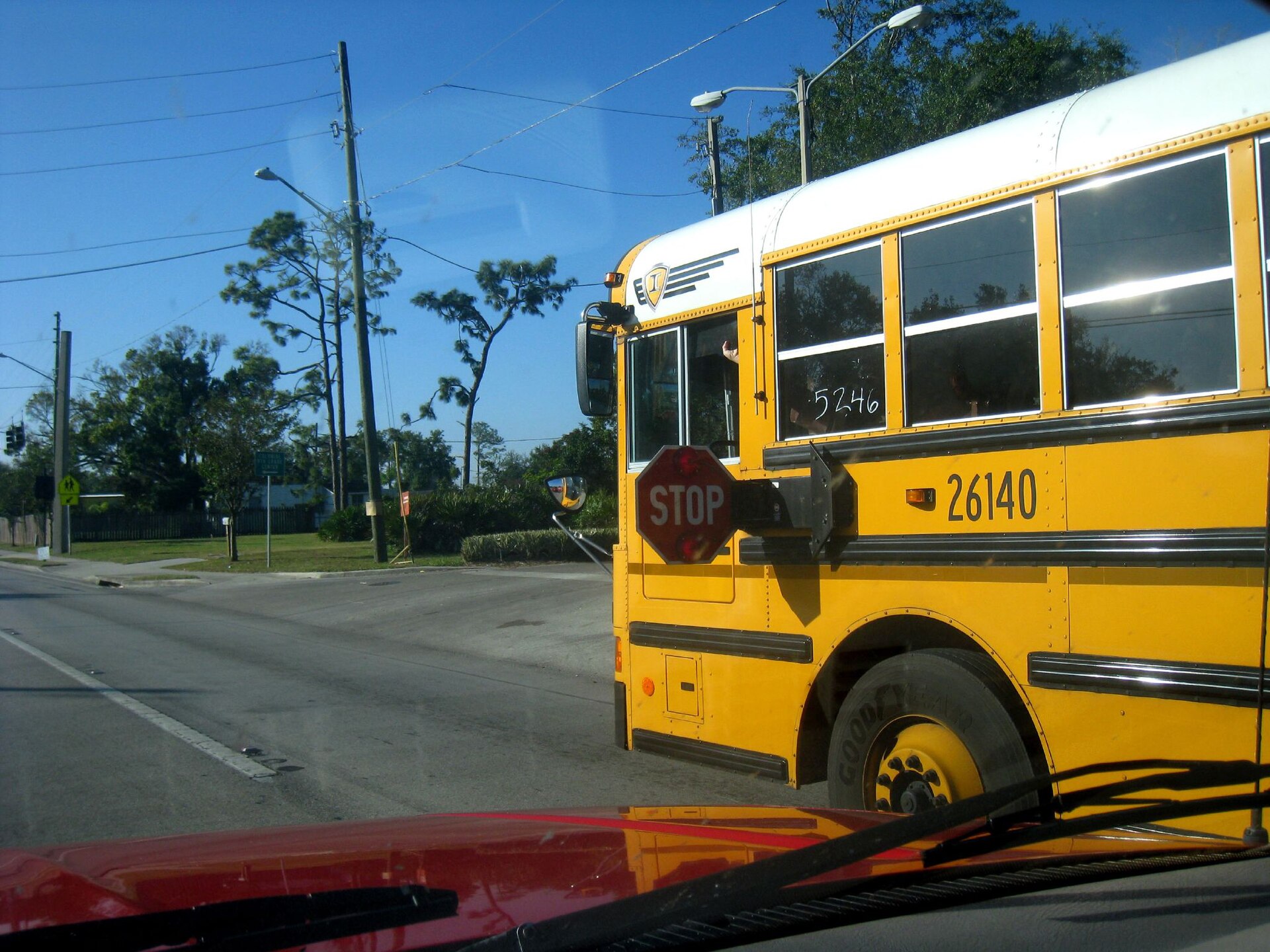
Every state makes it illegal to pass a stopped school bus when its red lights flash and its stop arm is extended. The NHTSA school-bus guidance says to wait until the lights stop, the arm retracts and the bus starts moving. The exception for traffic on the other side of a divided highway varies by state; when the road layout is unclear, stop and wait.

All 50 states have Move Over laws. When an emergency or roadside service vehicle displays flashing lights, change to a lane farther away if it is safe; otherwise slow to a reasonable speed. NHTSA’s national summary notes that some states extend the protection to disabled, maintenance or utility vehicles, so give a stopped vehicle more room than the minimum.
Interstates, tolls and HOV lanes
Interstate numbers help with orientation: even numbers generally run east–west and odd numbers north–south. Rest areas are spaced unevenly, especially in the West. Fill the tank before a long rural leg and save the next reliable stop rather than waiting for the fuel warning light.
Tolls are regional. E-ZPass is common in the Northeast and Mid-Atlantic; Florida and other states operate their own systems, and some facilities bill the number plate without a booth. Rental companies may provide a transponder or enrol the plate automatically, then add a service fee to each toll or to each rental day. The FTC rental-car guide describes the fee models. Ask these questions at pickup:
- Is the car already registered for a toll program?
- Is the charge per day, per toll or both?
- Can you use your own transponder, and must it be shielded or removed?
- How will a cashless toll or bridge invoice reach you after return?
High-Occupancy Vehicle and express lanes can require two or more occupants, a transponder setting or a time-of-day rule. Read the overhead sign before entering; the rule can change at the next gantry.
City driving and parking
Downtown parking is a local contract with the sign, not a national colour code. Read the hours, payment method, loading restriction, street-cleaning window and maximum stay at the exact space. Curb colours and fire-hydrant distances vary by state and city. If a sign is missing or covered, use a garage or a marked public lot instead of guessing.
Airport and hotel garages can add taxes, facility fees and overnight charges. Save the garage address and entrance level before leaving the car. In dense cities, park once and use rail or walking for the centre; a navigation app may route you through bus-only lanes, low-clearance streets or a toll facility without showing the final rental fee.
New York City’s red-light rule is one example of why a city check matters. Los Angeles, Chicago, San Francisco and many other cities also use their own curb, camera, congestion or residential-permit rules. Open the city transportation page on the day you drive rather than copying a blog’s old rate table.
Road-trip routes and seasonal checks
Blue Ridge Parkway
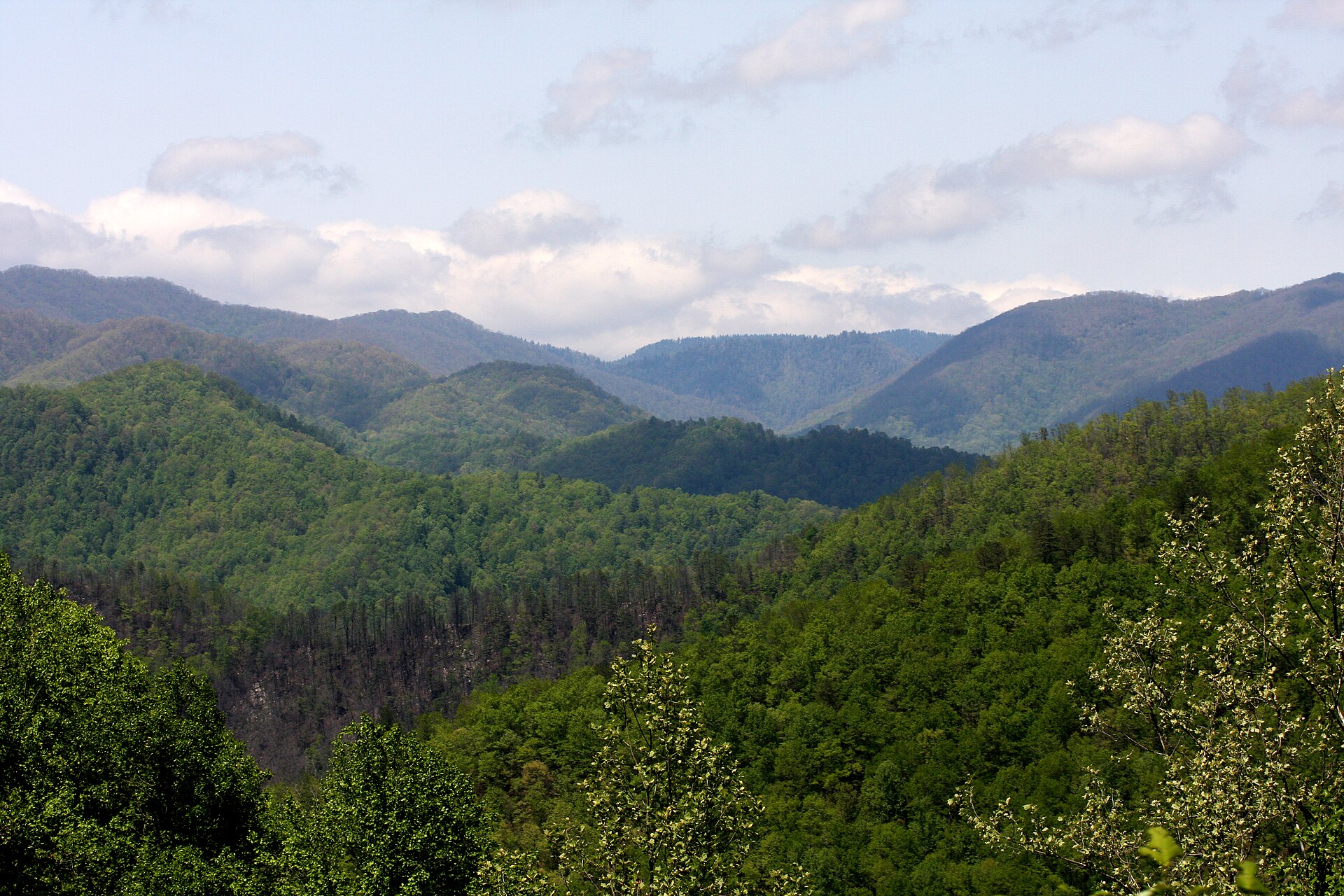
The Blue Ridge Parkway connects Shenandoah-area access in Virginia with Great Smoky Mountains access in North Carolina. The National Park Service marks it with mileposts and sets a 45 mph limit unless a lower sign is posted. Curves, overlooks and elevation changes make the posted speed feel fast in places. The NPS getting-around page says winter ice and snow can close sections; check the live road-status page before each day’s leg. The Parkway itself has no entrance fee, but camping and nearby park facilities can charge separately.

Pacific Coast Highway and California Route 1
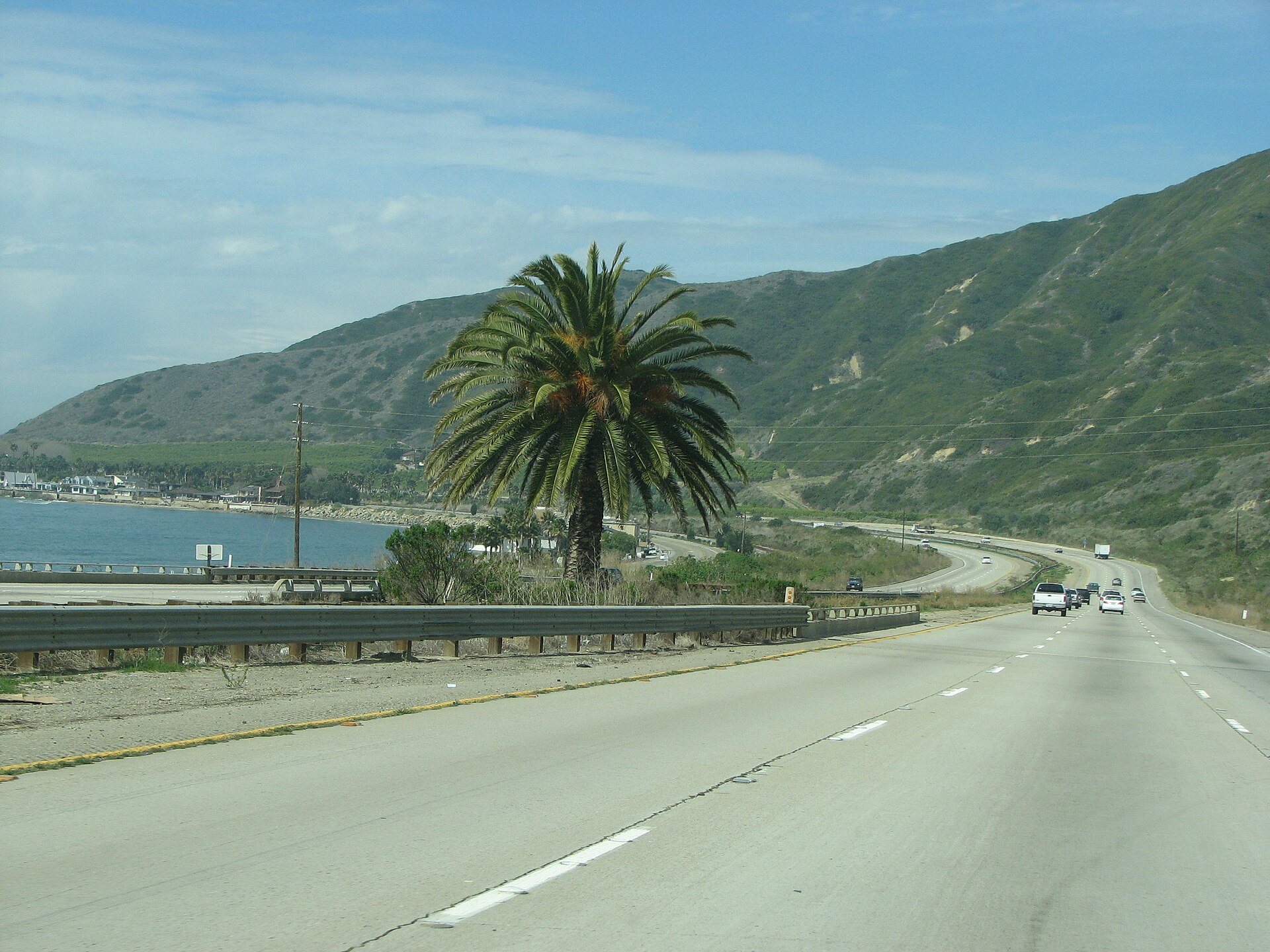
California’s State Route 1 is a scenic coastal road, but it is also a working highway exposed to slides, storms, narrow shoulders and seasonal traffic. Do not promise yourself a continuous Big Sur passage based on an old itinerary. Check Caltrans travel information and QuickMap, then keep an inland alternative for a closure or a late arrival. Reserve accommodation on the side of the road where you intend to finish; a short coastal segment can take longer than its mileage suggests.

National parks and the Southwest
National-park roads can require a pass, a timed entry reservation or a separate permit for a popular corridor. The NPS entrance-pass page lists current fees and reservations. In 2026 it lists a $250 non-resident annual pass, and a $100 non-resident fee at certain high-traffic parks for visitors aged 16 and over unless they enter with a qualifying pass. Check the individual park page before paying; a pass does not replace a timed-entry reservation.
Desert routes need more margin than the map suggests. Carry water, keep the tank above the last convenient fuel stop, download the route and tell someone where service may disappear. In mountain parks, snow, wildlife and one-way visitor traffic can change a drive that looked easy in the morning.
Fuel, charging and weather
US pumps display octane numbers such as 87, 89 and 91/93. Match the rental contract or fuel flap rather than translating “regular” from a European label. A foreign card may fail at the pump’s ZIP-code prompt; pay inside with the pump number and keep the receipt. Oregon and a few other states have special rules about who operates the pump, so follow the attendant or station sign.
For an EV, route by charger availability rather than by distance alone. The Department of Energy’s Alternative Fuel Station Locator can filter stations along a route, but a listed connector can still be occupied or offline. Save a second charging stop and confirm the rental car’s connector, charging card and return state of charge.
Heat, wildfire smoke, snow and flash flooding affect different regions at different times. Use the state 511 service and the National Weather Service before leaving a city. Stop for wildlife, especially deer at dawn and dusk, and avoid driving through standing water whose depth you cannot judge.
Rental insurance and vehicle records
Rental insurance has separate pieces. A liability policy covers damage you cause to another person or vehicle; CDW/LDW addresses damage to the rental car; personal-accident or roadside products cover different risks. The Federal Trade Commission’s rental guide warns that a credit card benefit or home policy may duplicate only part of the package and may exclude certain vehicle classes, countries or roads. Read the certificate and the rental contract before declining coverage.
At pickup, photograph the wheels, windscreen, bumpers, fuel or battery level, odometer and warning lights. Confirm additional drivers, one-way fees, out-of-state travel, child-seat availability, toll enrolment and the assistance number. Keep the paper or digital contract until all tolls and damage claims have cleared.
If you have a collision, stop in a safe place, call 911 when anyone is hurt or the road is dangerous, exchange insurance details and photograph the signs, lane position and damage. Then call the rental company. Do not move an injured person unless there is immediate danger, and do not sign a statement you cannot read.
Emergencies and departure checklist
| Situation | Action |
|---|---|
| Injury, fire, threat or blocked roadway | 911 |
| Non-dangerous breakdown | Rental-company assistance number in the contract |
| National-park incident | 911 when available, then the park dispatch or ranger number |
| Toll or plate-billing question | Named toll operator or rental toll programme |
The official 911 site explains when to call. In a rural area, give the road number, direction, nearest mile marker, exit or landmark. Cell coverage can disappear between those landmarks, so download the map and keep a written address for the next lodging stop.
Before leaving the depot:
- confirm the states, parks and border crossings on the route;
- carry the original licence, passport, IDP or translation if the route or rental company requires it;
- photograph the car and record fuel, battery and toll settings;
- check current road, weather, park-reservation and closure pages;
- save the rental assistance number and one backup payment method.
Official resources and review date
This page was reviewed on 17 August 2026. State rules, toll fees, park reservations, road closures and rental terms can change, so reopen the relevant official page before departure:
- USAGov: driving in the United States as a non-citizen
- Federal Highway Administration: speed-limit basics
- NHTSA: school-bus safety
- NHTSA: Move Over laws
- FTC: renting a car, insurance and toll fees
- National Park Service: passes and reservations
- Caltrans: current travel information
- Department of Energy: EV charging station locator
For neighbouring drives, compare the Canada, Mexico and United Kingdom destination pages before crossing a border.
Frequently Asked Questions
- Do I need an International Driving Permit to drive in the United States?
- It depends on the states on your route and the rental company's policy. USAGov says some states require an IDP in addition to your original licence; obtain it before travel and carry both documents.
- Can I drive with a foreign licence?
- Visitors should carry a valid licence from the country that issued it, a passport and the vehicle documents. Each state sets its own visitor rules, so check every state DMV you will enter rather than relying on a federal validity period.
- What speed limit should I use on a US highway?
- There is no single national limit. State and local agencies set statutory and posted limits. Read the sign for the exact road, then slow down for work zones, school zones, weather and curves.
- Can I turn right on a red light?
- Many jurisdictions allow a right turn after a complete stop and a yield, unless a sign prohibits it. New York City generally permits the turn only where a sign authorizes it.
- What should I do when a school bus stops?
- Stop when the red lights flash and the stop arm is extended. State law decides how a divided highway is treated, so do not pass until the signals stop and the bus begins moving.
- How do tolls work with a rental car?
- Toll agencies use a mixture of transponders, plate billing and cashless lanes. Ask the rental desk which program is active, how daily service fees are charged and whether a personal transponder should be removed.
- Do I need a reservation or pass for a national park road trip?
- Some parks require timed entry or a vehicle reservation, and entrance fees differ by park. The National Park Service lists current passes, reservations and the 2026 non-resident pass rules.
- What number should I call after a crash?
- Call 911 for an injury, danger or blocked roadway. Move to a safer place if you can, exchange information, photograph the scene and then use the rental company's assistance number for the vehicle claim.
Information Sources & Disclaimer
This guide compiles information from the official transport authorities, road operators, government travel information, and automobile associations linked for United States.
While we strive to keep this information as accurate and up-to-date as possible (last reviewed: August 2026), traffic laws and toll rates can change without notice. We recommend verifying critical information with the local authorities or your car rental agency upon arrival.
Learn more about our Editorial Process →Compare Your Origin and Destination
Use the comparison tool to check driving side, units, documents, and other destination data for your route.