Overview
The United Kingdom combines left-side traffic with several legal systems. The Highway Code page applies to England, Scotland and Wales, while Northern Ireland has its own guidance. A route from London to the Highlands can also move between urban charging schemes, motorways, rural A-roads and single-track roads in one day.
Keep left after every turn, read the next sign early and plan a stop before fatigue becomes a problem. The left-side driving guide and roundabout guide are useful practice before collecting a car.
Foreign licences, translation and rental documents
Do not use a blanket “12 months for everyone” rule. The GOV.UK non-GB licence checker asks about the licence issued, the destination within the UK and the driver’s status. Great Britain means England, Scotland and Wales; Northern Ireland is a separate licensing jurisdiction.
Before the rental starts:
- Carry the physical licence and passport. A photo or scan may not satisfy the authority or rental counter.
- Check whether the licence is readable in English. If the checker or rental company asks for an official translation or an International Driving Permit, arrange it before travel and carry it with the original licence.
- Confirm the vehicle class, minimum licence-holding period, driver age, additional-driver rules and cross-border permission. Rental conditions can be stricter than the legal visitor rule.
- If the journey includes Ireland, a ferry or Northern Ireland, check that jurisdiction and the rental company’s territorial restrictions separately.
The legal ability to drive does not guarantee that an insurer will cover every vehicle or road. Check the contract for unsealed roads, ferry transport, one-way fees and damage to wheels, glass or the underside of the car.
Left-side position and roundabouts
The driver sits on the right and the centre line is on the driver’s right. After a left or right turn, deliberately return to the left lane before looking for the next instruction. Overtake on the right only when the road markings, sight line and traffic allow it.
The Highway Code roundabout rules provide the safest sequence:
- Read the sign, arrows and lane markings before entering.
- Reduce speed and look to the right. Give priority to vehicles already circulating unless a signal or marking changes the priority.
- Keep a steady lane through the circle. Signal left in good time for the exit, and check mirrors for cyclists and motorcycles.
- On a multi-lane roundabout, choose the lane early and follow the exit arrows rather than changing lane inside the circle.
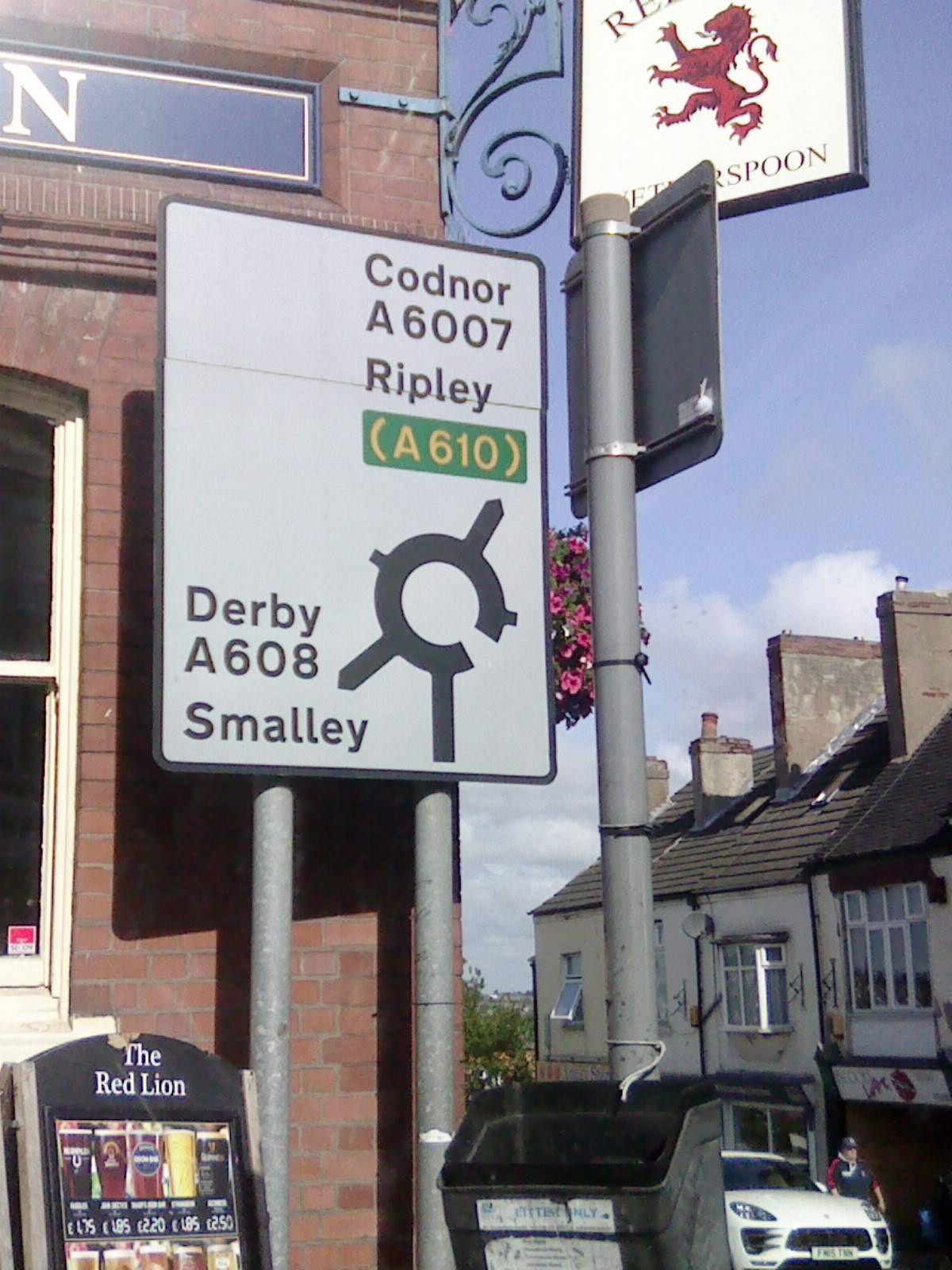

At zebra crossings, give way to pedestrians on the crossing and follow the current Highway Code advice about pedestrians waiting to cross. Do not enter a yellow box junction unless the exit is clear, with the specific right-turn exception shown by the markings. Treat a flashing headlight as “I am here” rather than an automatic invitation to go.
Speed limits, phones and weather
Common limits are 30 mph in many built-up areas, 60 mph on single carriageways and 70 mph on dual carriageways or motorways. They are not a route-wide promise. Wales has a 20 mph default in many built-up areas, and local signs can set 20, 40, 50 or another limit. School, roadwork and variable signs override the national default. The Highway Code is the reference to reopen when the sign or road layout is unfamiliar.
Do not hold or use a handheld phone while driving. Set navigation, music and the rental vehicle’s driver aids while parked. A fixed device still needs to be used lawfully and without blocking the view. Legal drink-driving limits differ between Scotland and England, Wales and Northern Ireland. Zero alcohol is the simple choice for a visitor who does not know the local threshold.
Rain, spray, ice and low winter light can make a signed limit too fast for the conditions. Increase following distance, use lights as required and allow extra time on exposed bridges and rural lanes. Average-speed camera sections require the same attention between cameras as at the camera itself.
Motorways and motorway incidents
Motorways use M-road numbers and usually have a 70 mph maximum for cars, subject to signs. National Highways warns that a hard shoulder is for emergencies unless a sign or signal opens it as a running lane. A red X closes a lane and must be obeyed. Some motorways have emergency areas set back from live traffic; use one if the vehicle cannot reach an exit or service area safely.
If a breakdown occurs, switch on hazard lights, leave the live lane when possible, exit on the side away from traffic if it is safe, and use the motorway emergency phone or 999/112 for immediate danger. Do not walk along the carriageway to find help. The National Highways hard-shoulder guidance explains the difference between a hard shoulder and an emergency area.
A-roads, country lanes and Scotland
A-roads can be divided or single carriageway. B-roads and local lanes can become narrow quickly, with hedges, blind bends, farm traffic, mud and cyclists. Stay at a speed that lets you stop within the clear distance ahead. A passing place is a space for meeting traffic, not a parking bay.
The Highway Code rules for country and single-track roads say to use passing places, avoid parking in them, and reverse when necessary. Give way to uphill traffic when practical, but use judgement if a different vehicle can reach a safe space sooner. Slow down for walkers, horses and bicycles even when the road appears empty.
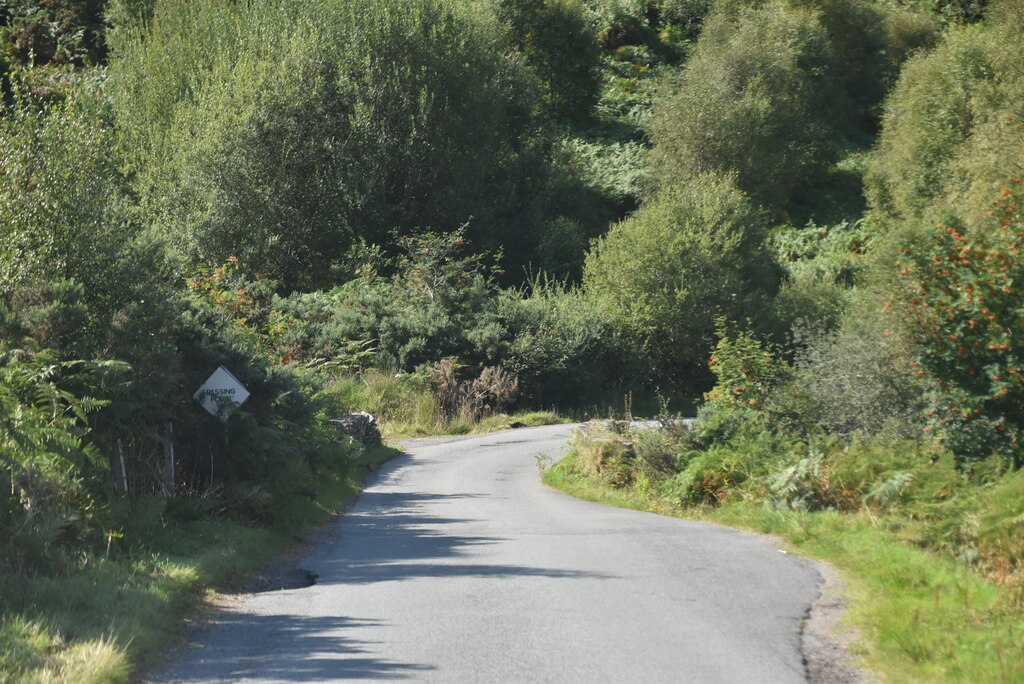

The dedicated Scotland single-track road guide adds route-planning detail. In the Highlands, check ferry times, winter closures, livestock and fuel availability before committing to a long loop.
London charges and clean-air zones
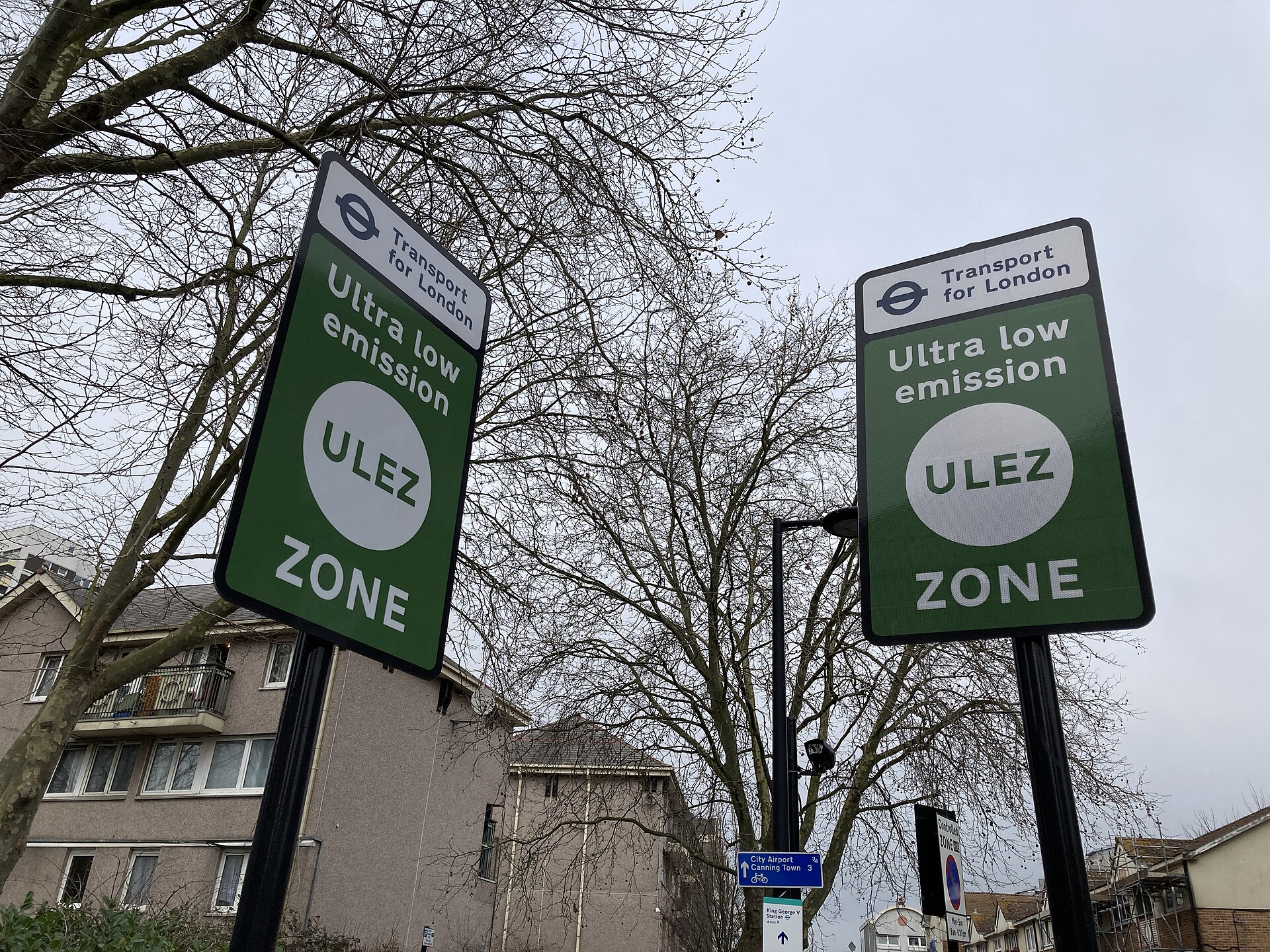
London driving is a plate-checking exercise. Depending on the road, vehicle and time, a journey can involve the Congestion Charge, ULEZ, LEZ, or Blackwall and Silvertown tunnel charges. TfL’s payment page lists the zone, current charge and payment window. The Congestion Charge changed to £18 when paid on the day from 2 January 2026, with a different amount for late payment, so old travel blogs are unsafe price references.
England’s Clean Air Zone service lets a driver check a vehicle before entering. Charges, vehicle classes and exemptions differ by city. Scotland’s Low Emission Zones follow separate local arrangements. Enter the rental registration exactly as issued, and ask the rental company whether it handles the charge or transfers it with an administration fee.

Tolls, bridges and parking
Most UK roads have no toll, but a small number of crossings and roads do. The GOV.UK toll-road list includes the M6 Toll, Dartford Crossing, Humber Bridge, Tyne Tunnels, Tamar Bridge and several local tunnels. Dartford has no payment barrier, and the Dart Charge page explains the current payment window and vehicle class.
Parking signs matter more than a saved map. Double yellow lines generally mean no waiting at any time; single yellow lines depend on the nearby time plate. Pay-and-display machines and apps can require the exact registration number, and resident permit zones may apply on an otherwise quiet street. Pavement parking rules also vary within the UK, with specific restrictions in Scotland. Use a marked car park when the sign is unclear.
Fuel, charging and vehicle choice
Petrol is sold as unleaded grades such as E10 and E5, alongside diesel. Use the grade named by the rental company and check the filler label before refuelling. Prices vary by region, motorway service area and date, so budget a range rather than copying a litre price from an old article.
An EV route needs more than a list of charger pins. Check connector type, access hours, payment method, live status and a second charger near the planned stop. Motorway services are convenient but can be busy; rural routes may have fewer alternatives.
Compact cars are easier in old town centres, narrow lanes and small car parks. Reserve an automatic transmission if needed. At pickup, photograph wheels, glass, bumpers, fuel level and the registration plate. Confirm who pays tolls, clean-air charges, parking notices and breakdown call-outs. The car-rental insurance guide explains excess and damage records.
Emergency and incident checklist
Call 999 or 112 for an urgent police, fire or ambulance emergency. Use 101 for non-emergency police contact in Great Britain. If a rental car breaks down, follow the contract’s assistance number and move to a safer position before inspecting the vehicle. On a motorway, do not stand between the car and live traffic.
Before setting off:
- check the GOV.UK licence result, original licence, translation or IDP;
- save the current Highway Code, route status and any ferry booking;
- set navigation and phone audio while parked;
- record the rental registration and toll or clean-air payment method;
- photograph the car and note the fuel and charging plan;
- allow a reverse-and-wait plan for single-track roads;
- share a rural route and return time when mobile coverage may be poor.
Official resources and review date
This page was reviewed on 17 August 2026. Licence eligibility, London charges, clean-air zones, tolls, road signs and rental terms can change. Recheck the relevant authority immediately before driving:
- GOV.UK non-GB licence checker
- The Highway Code
- GOV.UK toll-road charges
- TfL London road-user charges
- England Clean Air Zones
- National Highways hard shoulder guidance
- Dart Charge
Related destinations
Frequently Asked Questions
- Can I drive in the UK with a foreign licence?
- The answer depends on the licence country, visitor or resident status, and whether the trip is in Great Britain or Northern Ireland. Use the GOV.UK non-GB licence checker, carry the original licence and ask the rental company about translation or IDP requirements before pickup.
- How do I handle a UK roundabout?
- Approach in the lane shown by signs and arrows, slow down, look right and give priority to traffic already on the roundabout unless markings or signals say otherwise. Travel clockwise and signal for your exit. Multi-lane roundabouts need an early lane decision.
- What are the UK speed limits?
- Many built-up roads use 30 mph, single carriageways commonly use 60 mph, and dual carriageways or motorways commonly use 70 mph. Wales has a 20 mph default in many built-up areas, and local signs, school zones and variable limits take priority.
- What are the phone and drink-driving rules?
- Do not hold or use a handheld phone while driving, including while stopped in traffic. Set a mounted sat-nav before moving. Alcohol limits differ between Scotland and the rest of Great Britain, so the safest plan is to drive with zero alcohol.
- Do I need to pay to drive in London?
- A route may involve the Congestion Charge, ULEZ, LEZ or tunnel charges. TfL checks the vehicle registration and zone, and the Congestion Charge changed in 2026. Check the official TfL payment page and the rental company's plate and payment arrangement before entering.
- How do I drive on a Scottish single-track road?
- Use marked passing places, never park in one, and reverse to a passing place when needed. Give way to uphill traffic when practical, slow for walkers, cyclists, horses and farm vehicles, and keep a view of the road you can stop within.
- What should I check when renting a car in the UK?
- Reserve an automatic if needed, choose a compact vehicle for narrow lanes and car parks, confirm the licence and age conditions, photograph existing damage, and ask how tolls, parking notices and breakdown assistance are billed. Check the contract before driving across a border or onto a ferry.
Information Sources & Disclaimer
This guide compiles information from the official transport authorities, road operators, government travel information, and automobile associations linked for United Kingdom.
While we strive to keep this information as accurate and up-to-date as possible (last reviewed: August 2026), traffic laws and toll rates can change without notice. We recommend verifying critical information with the local authorities or your car rental agency upon arrival.
Learn more about our Editorial Process →Compare Your Origin and Destination
Use the comparison tool to check driving side, units, documents, and other destination data for your route.