Start with the street, then choose the car
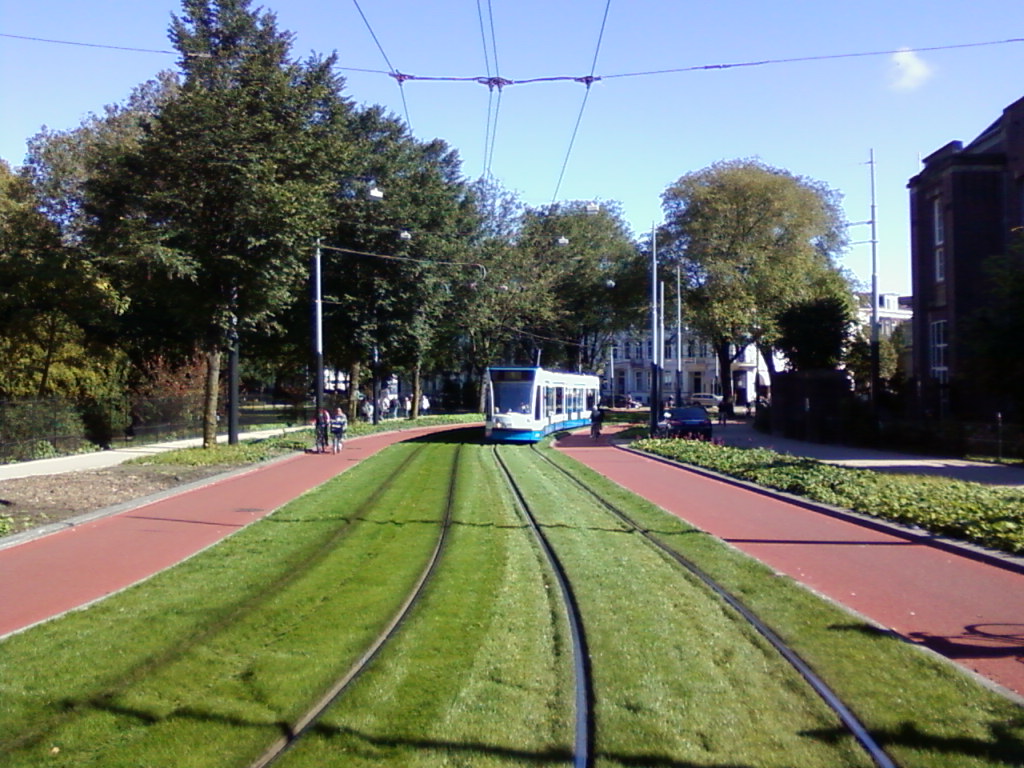
The Netherlands is easy to cross by road, yet the first urban turn can be more demanding than a long motorway stage. A cycle track may continue across the junction, tram rails can share the lane, and a narrow historic street may have a different access rule from the road beside it. A car is useful for Zeeland, the Wadden and smaller towns. In central Amsterdam, Utrecht, Rotterdam and The Hague, a garage or park-and-ride often saves time.
The country drives on the right. Build a routine before moving: mirror, shoulder check, cycle track, signal, then turn. Treat a red cycle surface as a traffic lane, not as painted decoration. Road markings and signs decide priority, so avoid the shortcut that cyclists “always” have priority or that trams “always” do. Those slogans are too broad for a real junction.

Licence, IDP and rental paperwork
For a tourist, the RDW foreign-licence guidance allows driving with a valid foreign licence. A non-EU/EFTA licence should show the internationally recognisable A, B, C, D or E categories. If the categories, photograph or language are difficult for a desk or officer to interpret, obtain an IDP in the country that issued the licence. The IDP is a translation and must travel with the original licence.
The legal tourist position and a rental counter’s checklist are separate questions. Keep the original licence, passport or identity document, booking, additional-driver records and insurance evidence together. Confirm the rental company’s minimum age, young-driver fee, card deposit, fuel or charging policy, cross-border permission and unsealed-road exclusion. A licence that is valid in law can still be rejected by a supplier whose contract requires another document.
If you bring your own car, carry the registration and proof of insurance and check the conditions for driving into Belgium or Germany. A rental car normally needs written permission for a cross-border trip. Keep the plate number available because electronic toll and environmental checks use it.
Speed, phones and everyday rules
The official Dutch traffic guide is the best English reference for signs and the time-based motorway rule:
- Built-up roads: 50 km/h is the usual default; many residential streets and zones are 30 km/h. Follow the sign at the entrance to a woonerf or 30 zone.
- Outside built-up areas: 80 km/h is common on ordinary roads, while access roads can be 60 km/h. The road sign and markings identify the category.
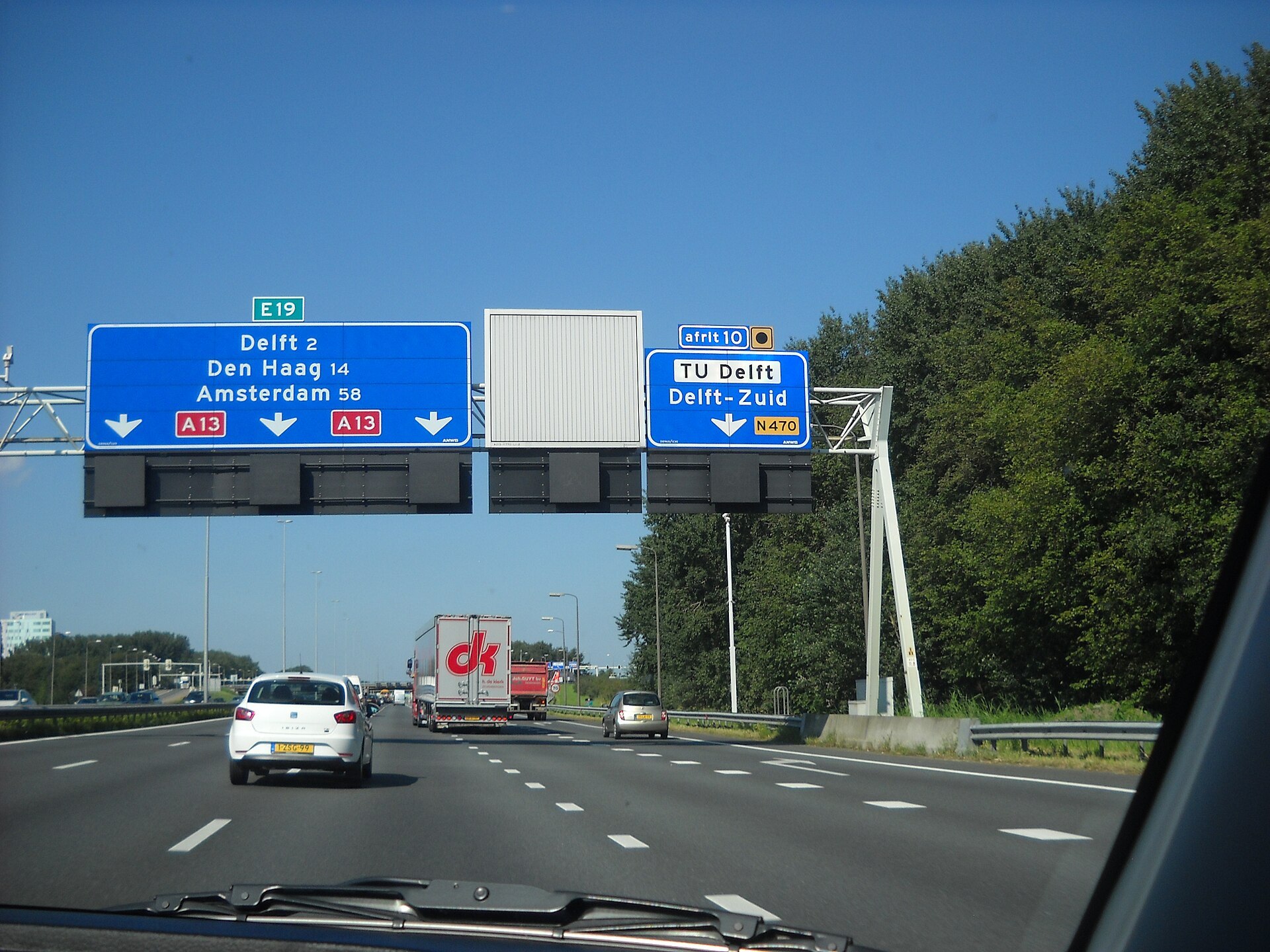
- Motorways: 100 km/h applies from 06:00 to 19:00 unless the sign is lower. At night, a particular section can display 100, 120 or 130 km/h. Variable signs and roadworks override the general schedule.
Section control measures your average speed over a distance. Braking beside one camera does not solve an excess speed; keep the signed limit through the whole section. At unsigned junctions, traffic from the right generally has priority, with marked exceptions. Read the shark teeth, cycle crossing and signal before entering a roundabout.
The Government phone rule prohibits holding a phone, navigation device or tablet while driving. Use a mounted, hands-free setup and program the route before moving. Seat belts apply to all occupants. The alcohol guidance gives a 0.05% blood limit for most drivers and 0.02% for a licence holder of less than five years. Make the driving day alcohol-free if the licence history is unclear.
Motorways, N-roads and the last kilometre
Dutch A-roads are predictable in layout, but the Randstad has heavy peak traffic around the A2, A4, A10, A12 and A13. Leave a margin for merging queues and read overhead signs before the split. N-roads can pass through villages, farm entrances and cycle crossings within a short distance. A rural-looking road can become a 50 or 30 km/h street at a white built-up-area sign.

Urban navigation needs a different plan. Historic centres use one-way streets, bollards, bus gates and restricted loading hours. Tram rails can be slippery and can trap a wheel when crossed at a shallow angle. Never stop on a rail line. When a tram is stopped at a platform without a separate island, wait for passengers to clear the road. At a cycle crossing, check both directions again after the car ahead has moved.
Diesel zones, zero-emission zones and parking
The national low-emission-zone information distinguishes a milieuzone from a zero-emission zone. Milieuzones mainly restrict older diesel vehicles by emissions class. The current passenger-car and van zones include Amsterdam, Arnhem, The Hague and Utrecht, while other municipalities may regulate trucks or coaches. Foreign plates are included in the rules. Zero-emission zones primarily affect commercial vans and trucks, so do not treat the two signs as interchangeable.
Check the exact rental plate, fuel type and emissions class before the route starts. A petrol or electric car has a different access position from an old diesel, and an environmental pass does not grant access to a resident-only street or a bus gate. If the sign is unclear, stop at a legal place and use the municipality’s checker rather than entering first.
For Amsterdam, an official P+R site can cost far less than central parking, but the discount depends on using an accepted public-transport ticket to and from the centre and completing payment in the required order. Check garage height, event closures, diesel restrictions and the last return tram or metro. In any city, photograph the bay sign, registration entry and payment confirmation. A blue parking disc applies only where the sign requires one; it does not replace payment in a paid zone.
Tolls and electronic payment
There is no Dutch motorway vignette, yet route planners can still lead to a paid tunnel:
- A24/Blankenburgverbinding: The official e-TOL service photographs the plate as the car passes between the A15 and A20. The 2026 car rate is €1.57 per journey. Pay online up to seven days before the trip or within three days afterwards. Foreign and rental plates are included. Ask the rental branch whether it pays on your behalf or passes the notice and an administration fee to you.
- Kiltunnel: The operator’s current tariff page charges cars below 2.30 m a cash/card rate of €2, with a lower Telecard rate. Vehicle height includes the load. A compact rental car normally falls below the threshold, but a camper or tall van may not.
- Westerscheldetunnel: The operator states that vehicles below 3 m, including passenger cars and motorcycles, pass free since 30 December 2024. Vehicles above 3 m remain in the paid categories. Check the rate and payment page for the exact vehicle class.
Save a receipt or online confirmation. Toll debt can follow the plate after the rental has ended, so keep the booking and final card statement until the deposit is released.
Regional routes that reward a slower plan
Randstad city loop. Use a regional garage or P+R for Amsterdam, Rotterdam, Utrecht or The Hague, then switch to rail, tram or walking. A car becomes more useful when the itinerary leaves the urban ring. Set the exact garage entrance as the navigation destination; the hotel pin may point into a restricted street.
Zeeland and the Delta Works. The N57 connects the Rotterdam region with the Zeeland islands and crosses the Haringvlietdam, Brouwersdam, Veerse Gatdam and Oosterscheldekering. The Oosterscheldekering is both a water barrier and a road crossing. Use the marked lay-bys and visitor areas, and allow time for wind, bridge works and a return route.
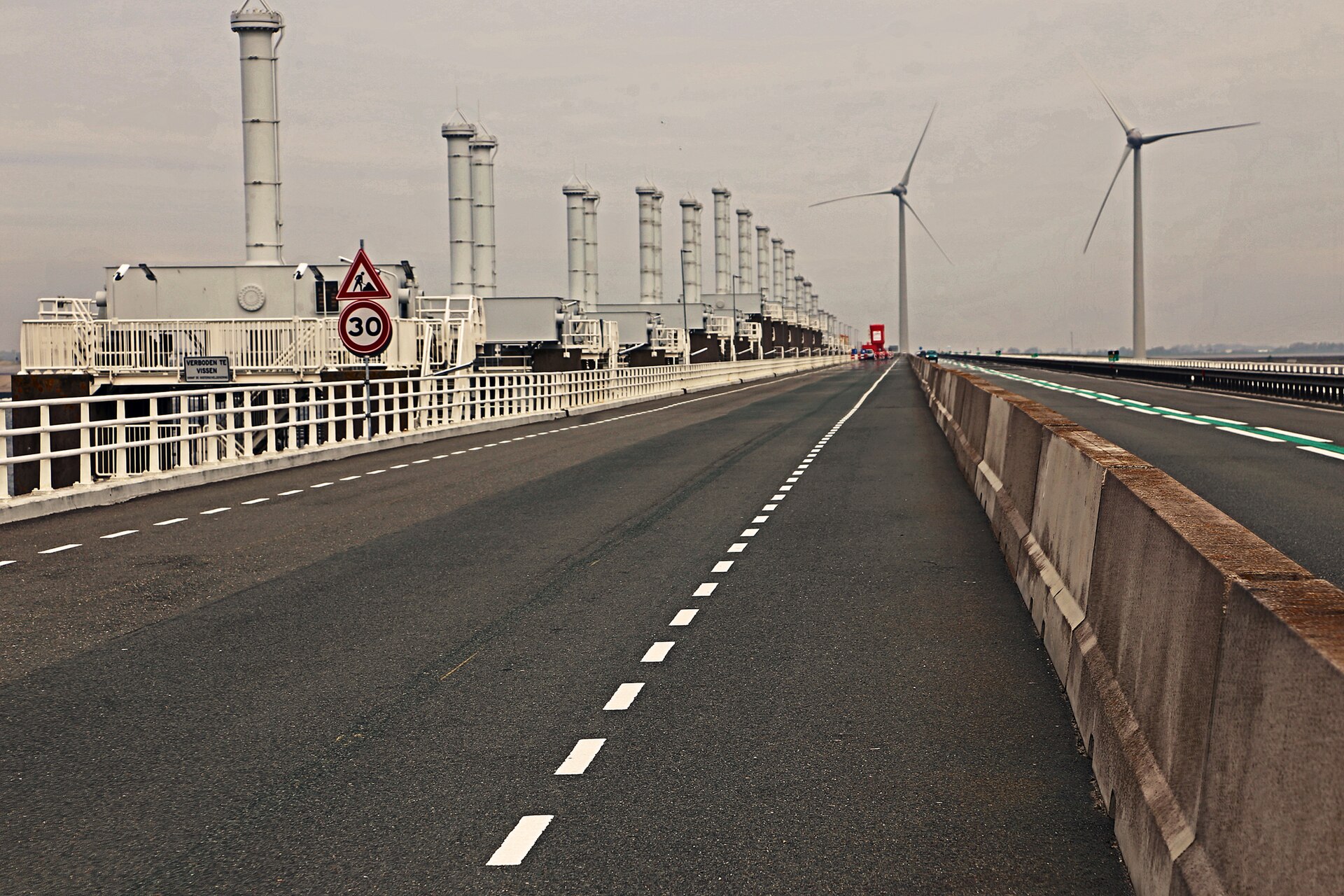

Dikes, polders and the north. Exposed bridges and dikes can feel very different in a crosswind. Keep both hands on the wheel, leave extra space beside cyclists and avoid stopping on a narrow shoulder. Bridges can open for shipping, and a route that looks short on the map can include a scheduled wait. Check the road number and the next fuel or charging point before leaving the motorway network.
Fuel, charging and weather
Petrol stations commonly sell Euro 95 E10, Euro 98 E5 and diesel. Card payment is widespread, but an unmanned pump can require a PIN or a card that supports offline verification. Confirm the fuel label before filling a rental car. EV chargers are common in towns, motorway service areas and supermarket car parks, yet roaming, connector and parking rules vary. Check the live status and keep a second charger in the plan for a long rural stage.
Wind, heavy rain, fog and freezing conditions can change a flat road quickly. The KNMI warning service is the weather reference; the Rijkswaterstaat traffic page covers incidents, roadworks and closures. A red or orange wind warning is a reason to postpone an exposed dike or bridge crossing, not an invitation to test the car.
Collision, breakdown and emergency contacts
Call 112 for a life-threatening emergency, serious injury, a dangerous obstruction or a crime in progress. The Government 112 guidance explains what information the operator needs. For non-urgent police contact, use 0900 8844.
After a collision, switch on hazard lights, move to a safe place when possible, exchange details and photograph the road, signs, vehicles and damage. Follow the rental company’s insurer instructions before arranging repairs. On a motorway, leave the vehicle only from the traffic-safe side and use a refuge or emergency phone when available. A breakdown provider such as ANWB may charge non-members; keep the rental assistance number in the car rather than relying on a remembered membership line.
Official resources and review date
This page was reviewed on 17 August 2026. Speed schedules, toll tariffs, city access signs, roadworks and rental terms can change. Check the source for the exact road, vehicle and date immediately before departure:
- Dutch traffic signs and rules
- RDW foreign driving licences
- Government phone rule
- Milieuzones and zero-emission-zone distinction
- A24 e-TOL
- Kiltunnel tariffs
- Westerscheldetunnel rates
- Amsterdam P+R
- Rijkswaterstaat traffic and works
- KNMI warnings
Related guides and destinations
Frequently Asked Questions
- Can a tourist drive in the Netherlands with a foreign licence?
- Yes. RDW says a tourist may drive with a valid foreign licence. A non-EU/EFTA licence should use the A–E vehicle categories; if its categories or script are difficult to interpret, obtain an International Driving Permit in the issuing country and carry it with the original licence. A rental company can set additional document or age conditions.
- What are the Netherlands motorway speed limits?
- The national traffic guide sets 100 km/h on Dutch motorways from 06:00 to 19:00 unless a sign shows a lower limit. At night, a signed section may allow 100, 120 or 130 km/h. Variable signs, roadworks and section-control signs take priority over a general expectation.
- Do cyclists always have priority in the Netherlands?
- No single rule gives a cyclist priority everywhere. Signs, shark-teeth markings, traffic lights and the design of the crossing decide the junction. When turning, check the cycle track and blind spot before moving across it, and never stop or park in a cycle lane.
- Do trams have priority over cars?
- A tram may have priority through signs, signals or the junction design. Do not block its rails, and do not pass a stopped tram where passengers must cross the road. Slow down before crossing wet rails because they can reduce grip.
- Are there toll roads in the Netherlands?
- There is no national motorway vignette, but several specific crossings charge. The A24/Blankenburgverbinding uses camera-based e-TOL and charges €1.57 per car journey in 2026. The Kiltunnel charges cars under 2.30 m, while the Westerscheldetunnel is toll-free for vehicles under 3 m. Check the operator for the vehicle and date.
- How do I pay the A24 e-TOL in a rental car?
- The A24 has no toll booths. A foreign or rental plate still owes the toll. Pay online within three days after the trip, or up to seven days before it, unless the rental provider has arranged payment. Ask at pickup how tolls and administration fees are handled.
- Can a diesel rental car enter Amsterdam or Utrecht?
- Low-emission zones apply to certain diesel vehicles, and the exact city and emissions class matter. The national milieuzones site lists current locations and checks. Zero-emission zones are a separate system aimed at commercial vans and trucks. Read the roadside sign and confirm the rental plate before entering.
- Is Amsterdam P+R a good alternative to city-centre parking?
- Usually. Amsterdam's official P+R rate is conditional: you must use an accepted public-transport ticket to and from the centre and pay for parking within the stated window. Check the location, height limit, opening or event restrictions and the current rate before leaving the motorway.
- What should I check before driving the Delta Works route?
- The N57 crosses several Zeeland islands and the Oosterscheldekering. Check Rijkswaterstaat traffic information, wind warnings and planned works before departure. Use marked viewpoints and car parks instead of stopping on a causeway or beside a maintenance gate.
- Which number should I call after a serious crash?
- Call 112 when someone is injured, a vehicle is creating a dangerous obstruction or another urgent emergency is unfolding. For a non-urgent police report, use 0900 8844. Move out of live traffic only when safe, turn on hazard lights and contact the rental insurer.
Information Sources & Disclaimer
This guide compiles information from the official transport authorities, road operators, government travel information, and automobile associations linked for Netherlands.
While we strive to keep this information as accurate and up-to-date as possible (last reviewed: August 2026), traffic laws and toll rates can change without notice. We recommend verifying critical information with the local authorities or your car rental agency upon arrival.
Learn more about our Editorial Process →Compare Your Origin and Destination
Use the comparison tool to check driving side, units, documents, and other destination data for your route.