Overview: make the road decision before the scenic stop
Slovakia is compact on a map but not uniform behind the wheel. The D1 and other motorways make the Bratislava–Žilina–Poprad corridor efficient when the road is open and the correct vignette is recorded. The final approach to the High Tatras, Slovak Paradise, Banská Štiavnica or a mountain pass is slower, more local and more sensitive to parking, weather and temporary signs. The NDS traffic-information map is a better starting point than a saved travel time.
Slovakia drives on the right. A useful plan separates a motorway transfer from a city visit and from a mountain day. Leave the car in a signed car park, walk the historic centre or trail approach, and keep the City Access and Low-Emission Zone Planner beside the live municipal source. For a date-sensitive route, the planned Route Weather & Closure Planner should be used with the official road and weather links below; its route will be useful once that tool is released.
Foreign licences, IDP and the rental counter
The Slovak public-administration page on recognising, exchanging and renewing driving licences says Slovakia recognises valid licences issued by an EEA country and valid licences issued by a country that is party to the Vienna or Geneva Convention on Road Traffic. That is a country-and-document test, not a promise that every card, translation or rental policy will be accepted without questions.
Bring the physical licence that qualifies you to drive, your passport or identity document, the rental agreement and the vehicle registration and insurance documents supplied by the branch. An IDP translates the national licence; it does not replace it. If your licence is not in a format the branch can read, ask before payment whether it wants an IDP under a particular convention or a certified translation. Keep the original licence with the IDP at the wheel.
The legal driving-age baseline in the page data is 18, but the desk can require a higher minimum age, a minimum period of holding the licence, a credit-card deposit or an additional-driver record. Ask the branch to put the answer in the booking or rental agreement, especially when the driver is under 25 or the vehicle is a van, camper or premium category.
Cross-border permission is a separate decision from licence recognition and insurance. Europcar Slovakia’s terms say the vehicle may be used in the European Union with stated exceptions unless the contract says otherwise, that use outside Slovakia must be notified and charged according to the price list, and that the vehicle must not be driven abroad without the lessor’s prior written consent. This is one provider’s contract, not a national rule for every rental company. Ask for written permission, the countries covered, border or cross-border fees, roadside assistance, and the insurance document for each country on your route.
Right-side traffic, road classes and sign priority
The official foreign-driver road-traffic guidance explains that signs and markings can change a general speed limit. If a sign sets a higher limit, its application is subject to the conditions shown in that guidance, including the vehicle and trailer category. Treat the sign at the road, not a generic table or a navigation app, as the last word.
| Road setting | Passenger-car baseline | What can change the decision |
|---|---|---|
| Built-up area | 50 km/h | A town, school, traffic-calming or temporary sign |
| Outside a built-up area | 90 km/h | A posted limit, bend, settlement, work zone, vehicle or weather |
| Motorway or expressway | Up to 130 km/h; the published general minimum is 80 km/h where it applies | A lower or conditional sign, urban section, trailer, vehicle class, congestion or weather |
Slovakia’s official travel guidance describes a network of motorways, expressways, first- and second-class roads and local roads. The number on a map does not tell you whether the next approach has a wide shoulder, a village crossing or a winter restriction. Slow before a blind bend, leave room for an oncoming bus or cyclist and never use a signed passing place as a photograph stop.
The same official guidance requires year-round running lights or an equivalent daytime-lighting arrangement, seat belts where fitted and hands-free use of a phone while driving. It also says that winter tyres marked with the alpine symbol or M+S variants are mandatory on all car axles when the road has continuous snow, ice or frost. Carry the reflective safety clothing within the driver’s reach, not buried under luggage.

Electronic vignette, charged sections and the rental plate
Slovakia uses a time-based electronic vignette for specified charged sections of motorways and expressways. The official eznamka portal is the safe purchase channel; the NDS e-vignette page explains that no windscreen sticker or on-board unit is needed for the vignette system and publishes the charged-section list. The obligation generally concerns motor vehicles up to 3.5 tonnes, while heavier vehicles and combinations can fall into the separate electronic-toll system.
The current NDS terms list 365-day, 30-day, 10-day and 1-day validity. The one-day product ends at 23:59:59 on the selected day; the other products cover the number of calendar days stated in the confirmation. A start date can be selected in the official system, so check the confirmation rather than assuming that payment time and validity start are the same.
Before joining a charged D or R section:
- use
eznamka.sk, not an unverified reseller that adds a service charge; - enter the registration plate and registration country exactly as shown on the rental or vehicle papers;
- check whether the selected period starts on the day you need and save the confirmation offline;
- ask the rental desk whether that exact plate already has a valid vignette and whether a trailer or heavier combination follows e-toll rules;
- use the official charged-section map when a route planner suggests a short motorway hop.
The D1 is convenient for the first part of a Bratislava–High Tatras transfer, but a route that changes from D1 to a first- or second-class road also changes the toll and driving environment. Do not buy a vignette as a substitute for checking construction, closures or the final local approach.

Bratislava, Košice and mountain parking
Bratislava: PAAS is a parking system, not a shortcut through the centre
The Bratislava PAAS visitor guidance tells visitors to pay according to the hourly tariff and controlled hours of the individual zone. A green PAAS sign identifies visitor parking and the segment code used for payment; the payment page lists apps, SMS and other current channels. Use only marked spaces. The official city page for the regulated parking system also makes clear that parking is intended to occur in designated spaces as zones are marked.
PAAS is expanding and changing local operating periods, so check the zone map on the day. P+R can be a better choice for the Old Town, and the city’s restrictions and disorders map should be checked for works or temporary closures. A hotel loading bay, tram track, pedestrian street or unmarked cobbled edge is not visitor parking.
I did not find an official page in this review declaring a universal Bratislava low-emission access zone for ordinary visiting cars. That is an explicit not confirmed, not evidence that every street is open to every vehicle. Check the current municipal notice, temporary sign and any local permit requirement. The PAAS page’s discount for an eligible electric vehicle is a parking concession; it does not grant environmental access.
Košice: read the tariff band beside the exact bay
The official Košice regulated-parking page separates locations such as A and resident areas B1–B5 and links the applicable tariff bands. The document page identifies VZN 241 as effective from 1 March 2026, and the FAQ explains that the regulated zone was extended to Sídlisko KVP. Use the current portal, QR code, app, SMS or meter shown at the location; a foreign phone number may not support every local payment channel.
Košice’s parking regulation does not establish a national driving rule. I did not find a citywide low-emission access rule in the official material reviewed here, so do not treat a paid ticket, an EV or an open map route as permission to enter a restricted street. Follow signs, temporary traffic orders and local event restrictions. For the Slovak Paradise or another mountain day, leave the car in the park’s own marked lot rather than extending a city parking assumption into protected land.
High Tatras and Slovak Paradise: the trailhead is part of the route
TANAP and nearby municipalities manage access and parking at a local level. The TANAP parking regulations and signs at Tatranská Lomnica, Starý Smokovec and Štrbské Pleso should be treated as more specific than a map pin. Check whether a resort car park is full, paid, seasonal or served by a shuttle before driving up a narrow access road.
For Slovak Paradise, the park’s official parking page lists marked lots such as Čingov, Podlesok and the Dobšinská Ice Cave, with different payment periods. The park’s official guidance says gorge access can become impassable because of weather and directs visitors to current HZS and park information. Park once, keep the ticket or digital proof and walk the marked route.
Fuel, charging and a realistic mountain buffer
NDS says its motorway rest areas can include petrol stations, cafés, toilets and marked parking; its rest-area page and motorway-help application are useful for the transfer leg. Slovnaft’s station finder is another operator-specific source. Station hours, fuel type and payment acceptance are not guaranteed across every rural stop, so fill in a reliable town such as Poprad, Liptovský Mikuláš, Spišská Nová Ves or Banská Bystrica before a remote stage rather than waiting for the next map pin.
For an EV, check the ZSE Drive live map and the rental company’s permitted roaming providers. Confirm the connector, charging speed, payment method, opening status and whether parking time is charged separately. Plan a second charger and arrive with reserve: the official map is a current service directory, not a promise that a connector is free or working. The EV Road Trip Planner can hold the range assumptions, but the operator map controls the final decision.
The mountains are colder, wetter and more changeable than the lowlands. Slovakia Travel’s climate guidance describes the Tatras as colder and wetter than the lowlands, and the SHMÚ Tatra forecast provides the destination-specific forecast and warnings. Check the valley, pass and trail conditions separately. A clear morning in Bratislava is not evidence that a mountain road or gorge remains safe in the afternoon.

TANAP’s seasonal rule is easy to misread. The general national-park information describes high-mountain hiking paths as closed from 1 November to 15 June, while the 2026 TANAP notice records that this season’s closure ended on 1 June. Individual trails and technical restrictions can differ, so treat those dates as a prompt to check the current notice, not as a road-opening promise. Before a mountain day, check TANAP, HZS and NDS or the relevant road authority, then choose a turn-back time before the weather removes the margin.
Three route decisions worth making before departure
Bratislava to the High Tatras
Use the D1 corridor toward Poprad when NDS shows a usable route and the rental plate has a valid e-vignette. Decide in advance whether the car will stay at Tatranská Lomnica, Starý Smokovec, Štrbské Pleso or another signed facility; do not add several trailheads after arrival and expect to find roadside space. In winter, compare the SHMÚ mountain forecast with the NDS road map and keep a valley or town day as the fallback. If a motorway diversion points to a mountain road, confirm its surface, vehicle restrictions and daylight before following it.
High Tatras to Slovak Paradise
This is a regional transfer followed by a park-access decision, not one continuous scenic road. Use the Poprad–Spišská Nová Ves corridor according to current traffic, then choose Podlesok or Čingov from the official Slovak Paradise parking information. If a gorge is closed, wet, icy or affected by falling trees, switch to a marked alternative or defer the hike; do not turn a closed trail into a car detour. Keep the return fuel, daylight and emergency margin separate from the hiking time.
Bratislava to Banská Štiavnica
Take the faster D/R corridor only for the transfer part, then expect slower local roads and a historic centre with strict parking. The Banská Štiavnica municipal parking page says visitor parking is prioritised in designated spaces, the historic core is a no-stopping zone outside marked areas, and visitors can use the current payment options. Park before entering the centre, check the final approach for works and weather, and keep a second town or legal car park as the fallback instead of circling narrow streets.
Crashes, breakdowns and emergency calls
The official Slovak emergency-number guidance lists 112 as the European emergency number, 150 for fire and rescue, 155 for emergency medical service and 158 for police. In the mountains, the Mountain Rescue Service uses 18 300; its official app FAQ explains that the app routes calls according to location but that a telephone connection is still needed for a guaranteed dispatch.
After a crash:
- Stop safely, switch on hazard lights and get people away from moving traffic only when it is safer to do so.
- Put on the reflective vest before standing on the roadway, place the warning triangle as the situation requires, and call 112 when anyone is injured, the road is dangerous or the status is unclear.
- Give the operator the road number, direction, kilometre marker or named place, nearest junction and number of vehicles. A mountain trailhead may need a GPS location as well as a village name.
- Photograph signs, lane positions, plates, damage and the road surface without creating another hazard. Do not admit liability or sign an unfamiliar settlement at the roadside.
- Call the rental company’s assistance number and insurer, follow its accident form process, and keep the police or emergency reference. On an NDS motorway, the free Motorway Patrol can be reached at 0800 100 007 around the clock for a breakdown or motorway safety cover.
Departure checklist
- Original driving licence, passport or identity document, and an IDP or certified translation if the authority or rental branch requires it.
- Rental contract, additional-driver record, vehicle registration, insurance proof and written cross-border permission for every country on the itinerary.
- Exact registration plate and country in the eznamka confirmation; a screenshot or offline copy of the validity record.
- PAAS, Košice, Banská Štiavnica, resort or national-park parking location and payment channel for the first stop.
- NDS traffic map, SHMÚ mountain forecast, HZS/TANAP or Slovak Paradise access notice, and a route fallback that does not rely on a closed pass.
- Fuel or charging plan, compatible connector and a second charger; do not leave a mountain corridor on the assumption that the next station is open.
- Reflective vest within reach, warning triangle, first-aid kit, spare wheel or approved repair kit, phone power and offline map data.
- Emergency numbers 112, 150, 155, 158, 18 300 and NDS Motorway Patrol 0800 100 007.
Official sources and review date
This page was reviewed on 18 August 2026. Licence recognition and basic road duties use the Slovak public-administration licence guidance and foreign-driver road-traffic rules. Speed, winter equipment and general road context are cross-checked with Slovakia Travel’s car-transport guidance. Vignette claims use the official eznamka portal, current terms, NDS e-vignette page and charged-section map. Live motorways and assistance use NDS traffic information, Motorway Patrol and rest areas.
City access uses Bratislava PAAS visitor guidance, its payment page, zone map, the Bratislava regulated-parking page and the city’s restrictions map. Košice uses the official regulated-parking zone, documents and FAQ. Mountain access uses TANAP’s seasonal notice, TANAP trail status, High Tatras national-park information, SHMÚ Tatra weather, HZS, and Slovak Paradise parking and regulations. Fuel and charging references are NDS rest areas, Slovnaft and ZSE Drive. Cross-border rental boundaries use the Europcar Slovakia terms as a provider-specific example.
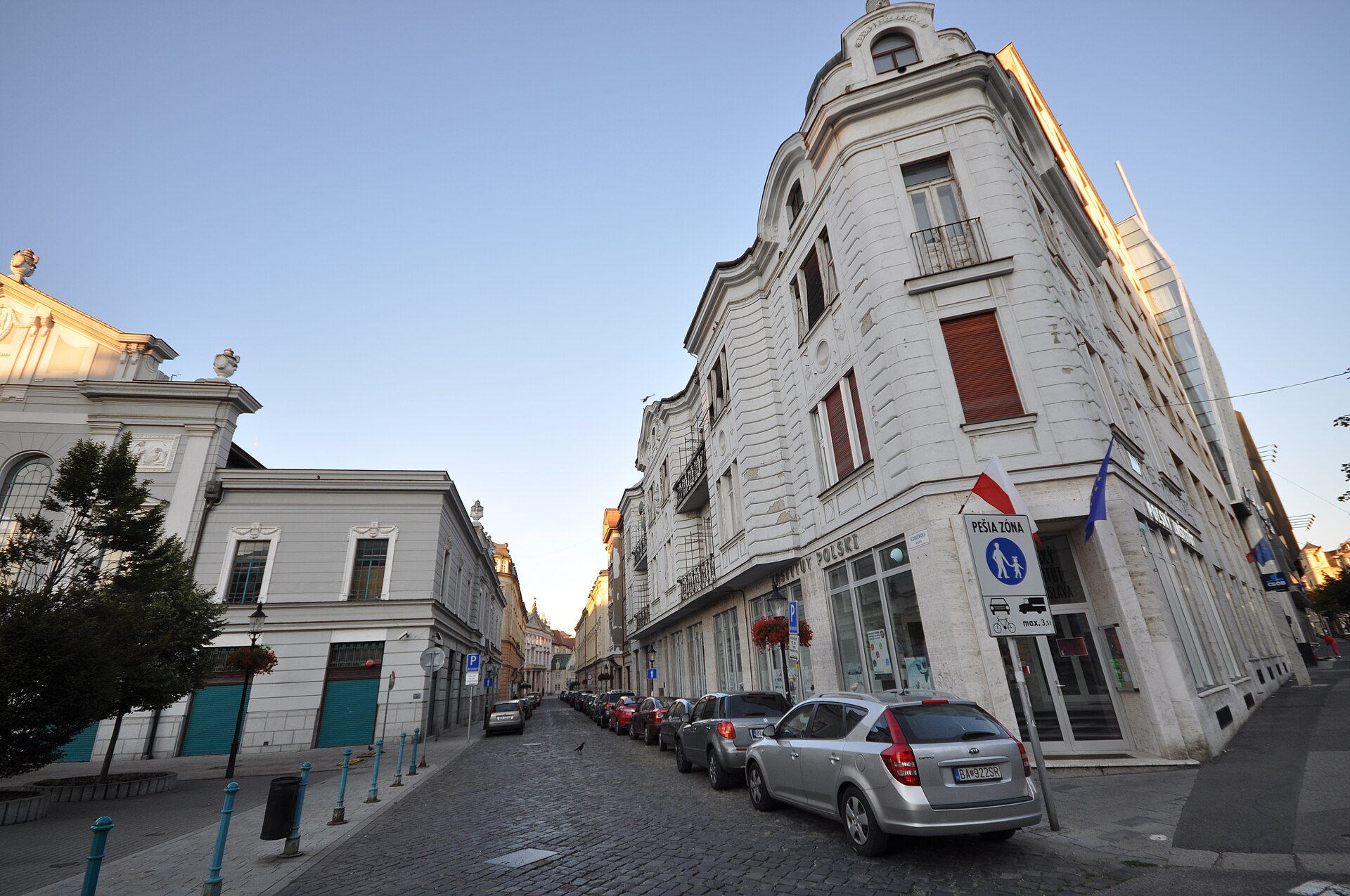
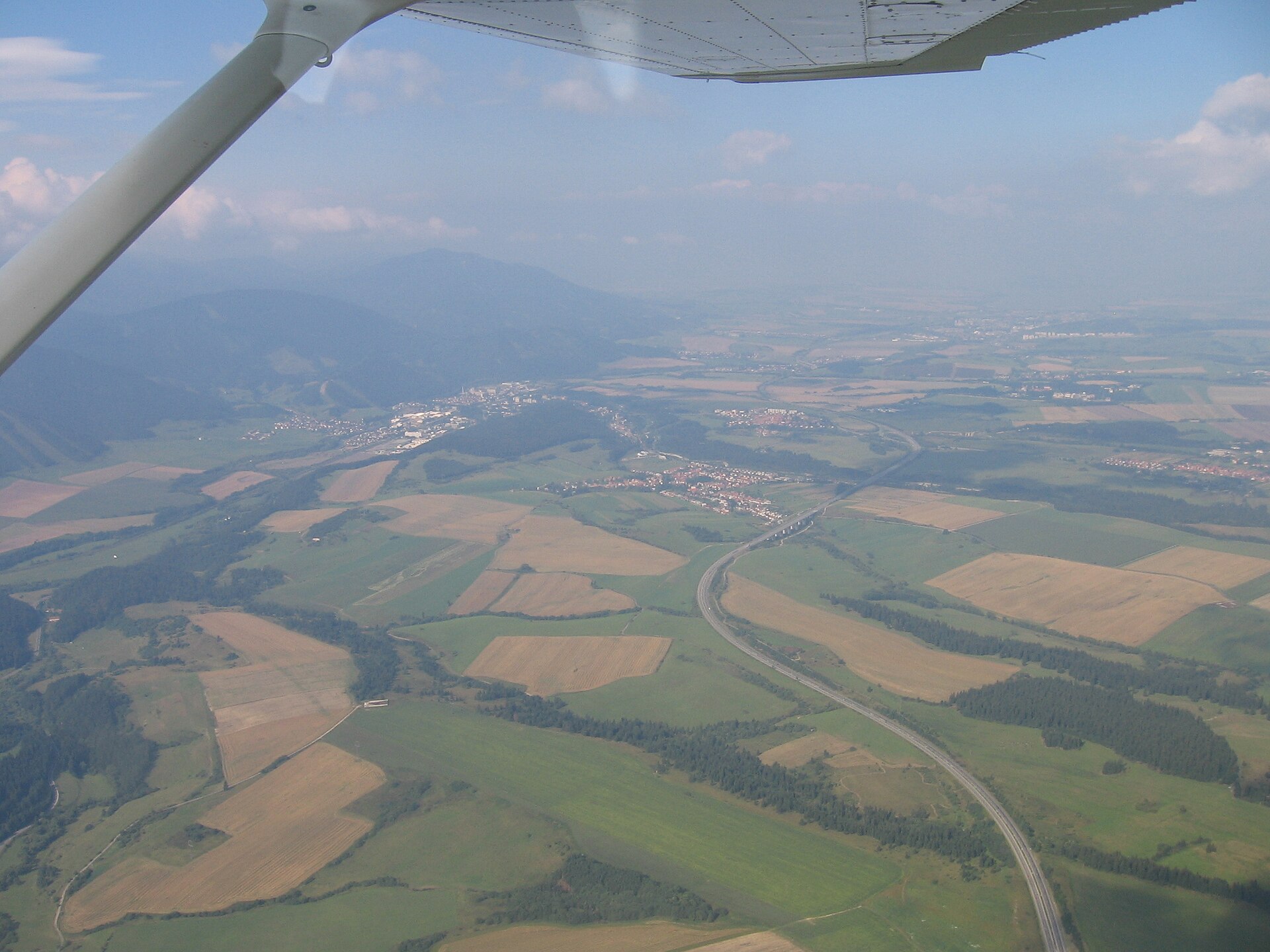
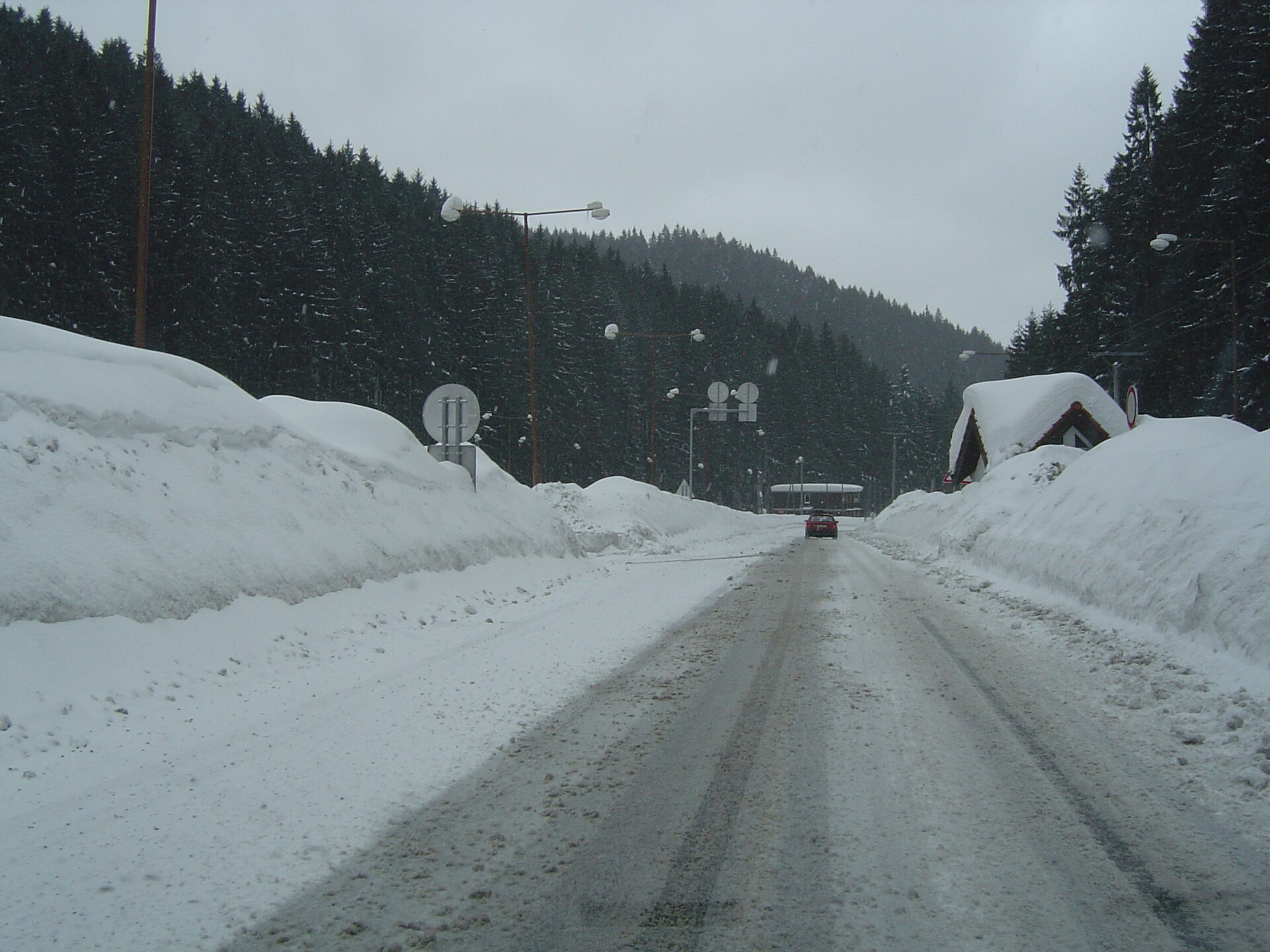
The three visible images are destination-specific Wikimedia Commons files: Bratislava, Klobučnícka, D1 near Dovalovo and Road to Jasná in winter. Rules, tolls, parking hours, weather, trail access, road works, charging availability and rental conditions can change; reopen the named authority for the actual departure date.
Related tools, destinations and guides
- Toll and e-vignette planner
- City Access and Low-Emission Zone Planner
- EV Road Trip Planner
- Cross-Border Driving Checklist
- Rental Car Handover Checklist
- Emergency Numbers tool
- Route Weather & Closure Planner
- Driving in Austria
- Driving in Czech Republic
- Driving in Poland
- Driving in Hungary
- Driving in Slovenia
Frequently Asked Questions
- Can I drive in Slovakia with a foreign licence?
- Slovak public-administration guidance recognises valid licences from the EEA and valid licences from countries covered by the Vienna or Geneva road-traffic conventions. The exact document format still matters. Carry the original licence and passport, and ask the rental branch whether it also wants an IDP or certified translation.
- Do I need an International Driving Permit in Slovakia?
- There is no single answer for every issuing country and licence format. An IDP is a translation companion, not a replacement for the original licence. Check the Slovak authority for your issuing country and obtain the rental company's written confirmation before travel if the branch is unsure.
- Does a rental car already have a Slovak e-vignette?
- Never assume it. Ask the pickup branch whether the exact registration plate and country are covered, request the validity confirmation, and check whether a trailer or a heavier vehicle follows a different toll system. The e-vignette record is tied to vehicle data, not to your booking name.
- How does the Slovak e-vignette work?
- Buy an electronic vignette at the official eznamka.sk portal before using a specified charged motorway or expressway section. The official system offers 365-day, 30-day, 10-day and 1-day periods. Enter the registration plate, country and start date carefully, then save the confirmation.
- What are the usual speed limits in Slovakia?
- The passenger-car baseline is 50 km/h in built-up areas, 90 km/h outside them, and up to 130 km/h on motorways and expressways. A sign can reduce or increase a general limit under the stated conditions, and the road class, vehicle weight, trailer, weather and temporary traffic order can change what is legal.
- How should a visitor park in Bratislava?
- Use a marked visitor space inside the PAAS zone, read the green sign and segment code, and pay using the current app, SMS, meter or other channel shown locally. PAAS zones and controlled hours change as new areas open, so use the official zone map rather than a hotel pin or an old blog.
- How should a visitor park in Košice?
- Check the official parking.kosice.sk zone map and the sign beside the exact bay. Košice has several tariff and resident areas, and the regulated system was expanded in 2026. Use the city's current payment channel and do not carry a central-zone assumption to KVP, a trailhead or a private lot.
- Does Bratislava or Košice have a citywide low-emission zone?
- The official material reviewed for this page describes parking regulation and temporary road restrictions, not a universal citywide low-emission access rule. Treat environmental access as unconfirmed until the current municipal notice or road sign says otherwise. A PAAS discount for an eligible electric vehicle is a parking benefit, not proof of LEZ access.
- Are High Tatras roads and trails open in winter?
- They are separate checks. TANAP's high-mountain hiking closure normally runs from 1 November to 15 June, while a road can be restricted by snow, ice, works or a local traffic order on a different timetable. Check NDS or the relevant road authority for the drive, and SHMÚ, HZS and TANAP for mountain conditions and trail access.
- Can I take a Slovak rental car across a border?
- Only when the rental contract and provider allow it. Europcar Slovakia's terms require prior consent for driving abroad and charge or restrict cross-border use under the applicable price list; another company may have different countries, vehicle classes or insurance. Get written permission and documents for every planned country.
- Where can I charge an electric rental car in Slovakia?
- Use a live operator map such as ZSE Drive or another provider accepted by the rental company. Confirm the connector, access hours, payment or roaming requirement and a backup charger. A charger shown on a map is not a guarantee that it is available, compatible or reachable after a mountain detour.
- Which number should I call after a crash or breakdown?
- Call 112 for an emergency; Slovakia also uses 150 for fire and rescue, 155 for emergency medical service and 158 for police. Mountain incidents can use 18 300 for Mountain Rescue. On an NDS motorway, the 24-hour Motorway Patrol is 0800 100 007, but it does not replace 112 when people are at risk.
Information Sources & Disclaimer
This guide compiles information from the official transport authorities, road operators, government travel information, and automobile associations linked for Slovakia.
While we strive to keep this information as accurate and up-to-date as possible (last reviewed: August 2026), traffic laws and toll rates can change without notice. We recommend verifying critical information with the local authorities or your car rental agency upon arrival.
Learn more about our Editorial Process →Compare Your Origin and Destination
Use the comparison tool to check driving side, units, documents, and other destination data for your route.